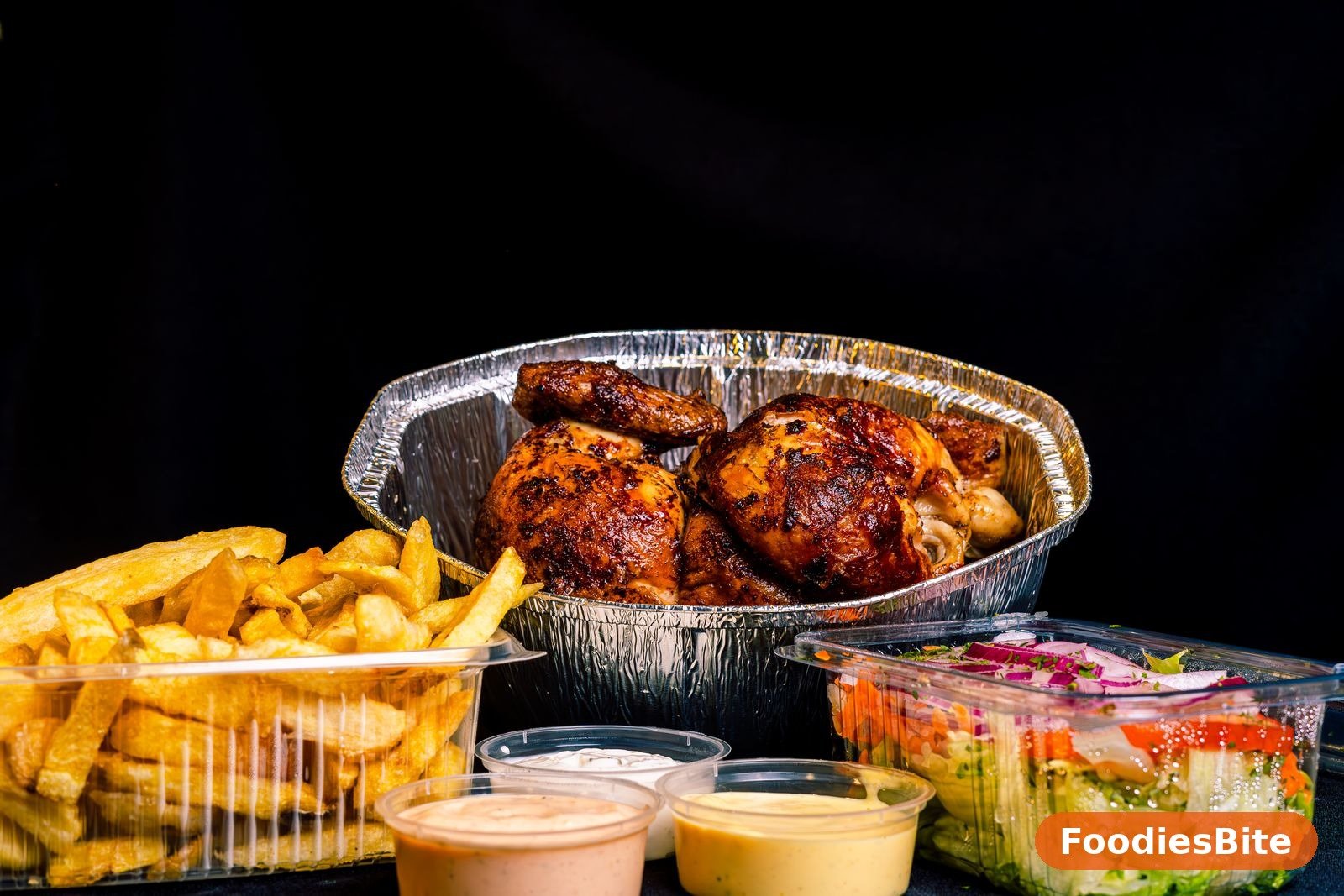
Quick Pantry Chicken Recipes for Dinner: Easy Meals When You’re Short on Time
There is a particular kind of evening every home cook knows well. You are tired, the day has run long, and the fridge looks uninspiring. Yet somewhere in the kitchen there is chicken, a shelf of cans and jars, and a few spices. That is not a problem to solve with a shopping trip. It is already dinner, waiting for a plan.
Pantry chicken cooking is built on that idea. Instead of starting from a recipe that demands ten fresh ingredients, you start from what you already own and let one good technique carry the meal. A hot skillet, a simmering pot, or a single pan in the oven can turn plain chicken into something warm, filling, and genuinely enjoyable in about half an hour.
This guide is about making that process easy and repeatable. You will learn which shelf staples earn their space, how to build flavour without fresh herbs or fancy sauces, and how to turn the same handful of ingredients into many different dinners. No single recipe here needs a special trip, and none of them asks you to be precise. Pantry cooking rewards flexibility, and chicken is forgiving enough to reward it generously.
What Pantry Cooking Really Means
A pantry meal is not a lesser meal. It is simply a meal whose backbone comes from ingredients that keep well: dried grains, canned tomatoes and beans, broth, pasta, rice, dried spices, and long-lasting sauces. Fresh food is welcome when you have it, but the dinner should not collapse without it.
That distinction matters on busy nights. If dinner depends on fresh cream, a particular cheese, or a herb you forgot to buy, one missing item can derail the whole plan. A pantry-first approach removes that fragility. The chicken is the fresh element, and everything around it is already sitting in your cupboard, ready whenever you are.
Chicken as food has travelled across cuisines for a very long time, and much of that history is pantry history too. Dried spices, preserved tomatoes, grains, and beans have always been the companions that turned a simple bird into regional dishes. A tomato skillet in one kitchen, a spiced rice pot in another, and a noodle soup in a third all begin from the same principle: chicken plus stored staples plus heat plus seasoning.
The other advantage is mental. When you know your pantry can produce dinner, the nightly question changes from What should I buy? to Which combination do I fancy tonight? That smaller question is much easier to answer at six in the evening, and it is the reason well-stocked cooks rarely panic about dinner.
Stocking a Pantry That Works for Chicken
You do not need a huge pantry. You need a useful one, and usefulness comes from ingredients that combine in many directions. Think in groups rather than individual items, and keep each group stocked at a basic level.
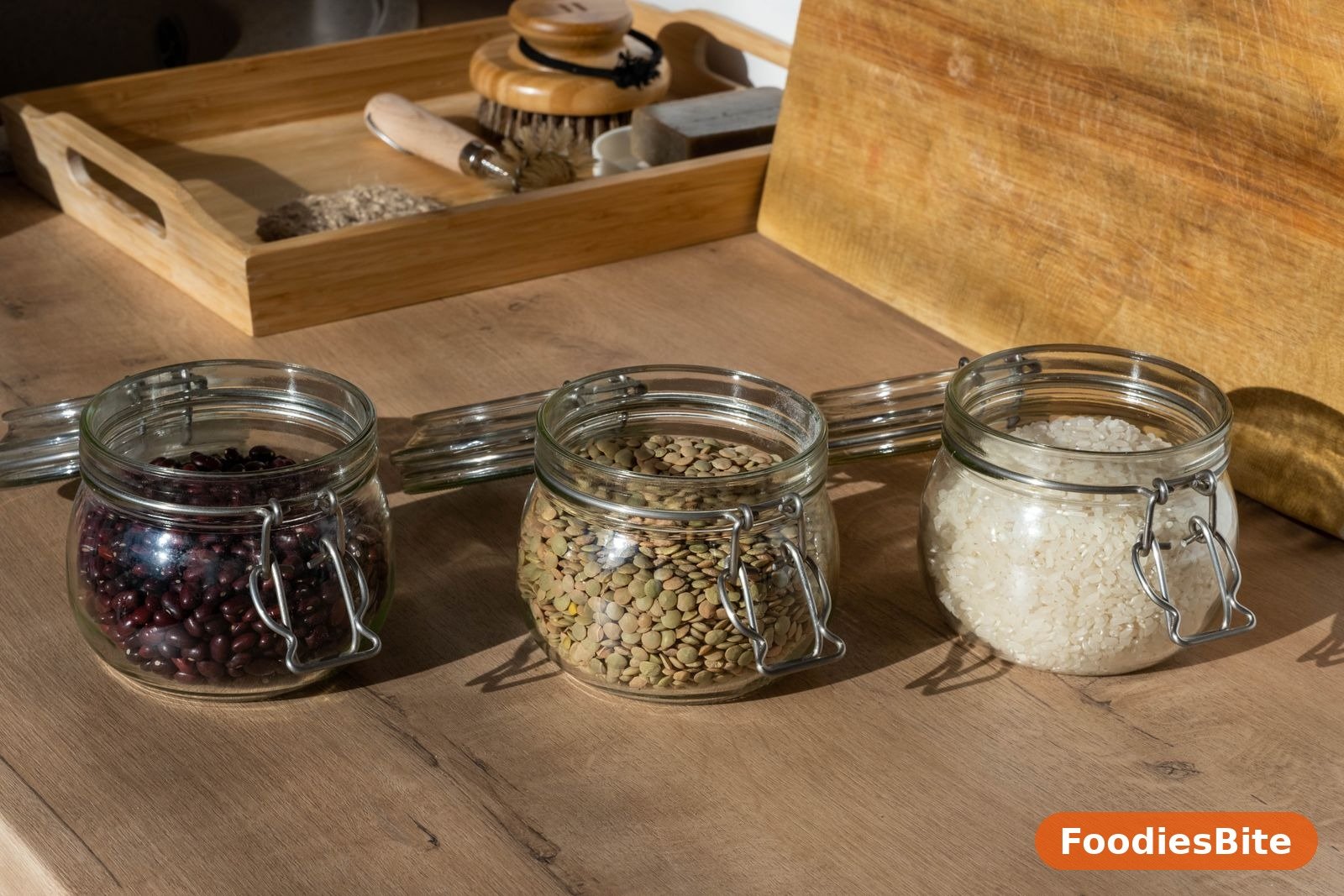
Start with the bases. Rice, pasta, and tortillas or flatbread give you three completely different meals from the same chicken. Rice suits saucy skillets and bowls. Pasta suits tomato and creamy sauces. Tortillas suit seasoned fillings, wraps, and quesadillas. If you keep at least two of these on hand, dinner always has a shape.
Next come the cans and jars. Diced tomatoes are probably the single most versatile pantry item for chicken: they become sauce, soup, curry, and braising liquid. Beans add body and protein, which means a smaller amount of chicken still feeds everyone. Coconut milk turns a spiced skillet into a curry. Broth, whether in cartons or as stock cubes, adds depth to rice, soups, and sauces in a way water alone cannot.
Then there are the flavour builders. Garlic powder, onion powder, paprika, cumin, chilli powder, dried oregano, dried basil, Italian seasoning, curry powder, black pepper, and red pepper flakes cover a remarkable range. Add soy sauce, hot sauce, vinegar, and a cooking oil, and you can steer chicken toward Mexican, Italian, Mediterranean, or South Asian flavours without buying anything new.
A pantry in the traditional sense was a room for storing provisions, and the modern version works the same way: a small, organised store that lets you cook from what you have. Keep your most-used items at the front, group similar things together, and replace a jar or packet when you open the last one rather than when you run out. That one habit prevents most last-minute cooking crises.
The Twenty-Minute Skillet Formula
Almost every quick pantry chicken dinner follows the same rhythm, and once you learn it, you can improvise freely. First, season and brown the chicken. Second, build a sauce or base in the same pan, scraping up the browned bits because that is where much of the flavour lives. Third, return the chicken to the pan and let it finish cooking in the sauce. Fourth, serve it over or with a pantry base.
Cutting the chicken into small, even pieces is the single best way to speed this up. Bite-sized chunks cook in minutes, while a thick whole breast takes far longer and is more likely to dry out at the edges before the centre is done. If you prefer whole pieces, flattening them lightly with a rolling pin or the flat side of a meat mallet gives you the same benefit: faster, more even cooking.
Seasoning should happen before the chicken hits the pan, not after. Salt, pepper, garlic powder, and paprika are a solid starting point for almost any direction. From there, choose a theme: cumin and chilli powder for a taco-style skillet, oregano and basil for a tomato skillet, or curry powder for a warmer, spiced version. The seasoning decides the meal, so a few seconds of thought here saves you from a bland result later.
For more ideas built on this same shelf-first approach, see our quick chicken recipes with pantry ingredients, which pairs neatly with the skillet and one-pan methods in this guide.
Tomato and Bean Chicken Skillet
This is the workhorse of pantry chicken cooking, and it is worth learning by heart. Season chicken pieces generously, then brown them in a little oil in a large skillet. Remove them briefly, and add a can of diced tomatoes to the same pan along with dried oregano, garlic powder, and a pinch of red pepper flakes if you like heat.
Let the tomatoes bubble for a few minutes until they thicken slightly, then add a can of drained beans — black beans, kidney beans, chickpeas, or white beans all work — and return the chicken to the pan. Cover and simmer gently until the chicken is cooked through and the sauce has come together. Taste and adjust the salt, and finish with a splash of vinegar or a squeeze of lemon if you have one; acidity lifts a tomato sauce enormously.
Serve this over rice, with pasta, spooned into tortillas, or simply with crusty bread for mopping up the sauce. It is also an excellent base for additions: canned corn adds sweetness, canned mushrooms add savouriness, and a handful of frozen vegetables turns it into a more complete one-pan meal without any extra chopping.
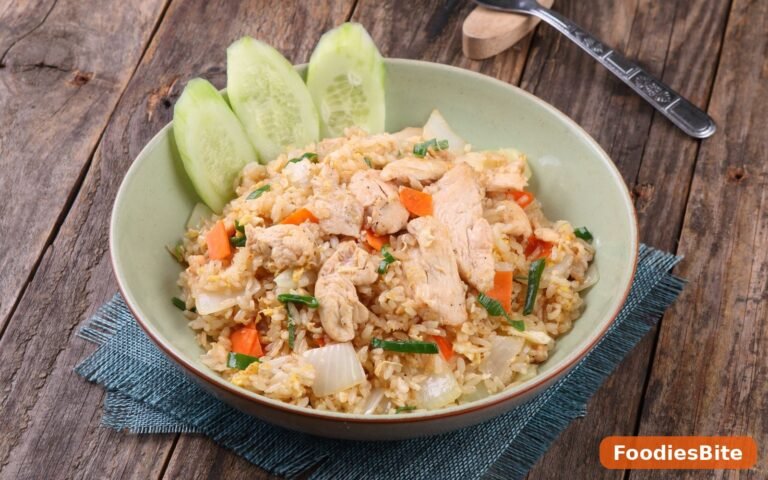
Chicken and Rice, One Pan
Few combinations are as comforting, or as practical, as chicken and rice cooked together. The rice absorbs the seasoned broth, the chicken stays moist in the covered pan, and there is only one dish to wash. It is the definition of a weeknight dinner that earns its place in regular rotation.
Brown seasoned chicken pieces in a deep skillet, then add uncooked rice, broth, garlic powder, onion powder, and paprika. Stir once, bring everything to a gentle simmer, cover tightly, and leave it alone. Lifting the lid repeatedly lets steam escape and disturbs the rice, so resist the urge to check too often. When the rice is tender and the liquid is absorbed, rest the pan for a few minutes before serving.
Stir in canned peas, corn, or diced tomatoes near the end for colour and extra flavour, or finish with soy sauce or hot sauce for a different character. Our easy chicken and rice skillet recipe walks through a similar one-pan method in more detail, and it is a good next stop if this style of cooking becomes a favourite.
Quick Chicken Pasta with Pantry Sauce
Pasta is a pantry staple that never lets you down, and chicken pasta from the shelf is faster than most people expect. While the pasta boils, cook seasoned chicken pieces in a skillet with oil, garlic powder, and Italian seasoning. Meanwhile, warm canned tomato sauce or crushed tomatoes in the same pan once the chicken is browned, adding dried basil, oregano, and red pepper flakes to taste.
Toss the drained pasta directly into the sauce with the chicken, adding a splash of the starchy pasta water to help everything cling together. That starchy water is a quiet secret of good pasta cooking: it loosens the sauce just enough and helps it coat every piece rather than pooling at the bottom of the bowl.
For a creamy version, stir a splash of milk or cream into the tomato sauce, or add a spoonful of cream cheese and let it melt in. Grated Parmesan is lovely if you have it, but the dish stands on its own without it. The point of pantry pasta is not perfection; it is a hot, satisfying bowl on the table with minimal fuss.
Taco Bowls and Wraps from the Shelf
Taco seasoning is one of the most useful flavour shortcuts in a pantry, whether you buy a packet or mix your own from chilli powder, cumin, paprika, garlic powder, and salt. Cook diced chicken with that blend, add canned black beans and corn in the last few minutes, and you have a filling that works in bowls, tortillas, and wraps alike.
For a taco bowl, spoon the chicken and beans over cooked rice. Top with salsa, shredded cheese, hot sauce, or sour cream if you have them, but do not worry if you do not. Well-seasoned chicken and beans are flavourful enough on their own, and a squeeze of lime or a spoonful of pickled onion can add brightness without a trip to the shop.
Quesadillas follow the same logic with even less effort. Seasoned chicken and cheese between tortillas, cooked in a dry skillet until golden and melted, make a dinner that children and adults both enjoy. Add beans or corn inside, and the quesadilla becomes more filling without any extra cooking time.
Creamy Chicken Without a Long Shopping List
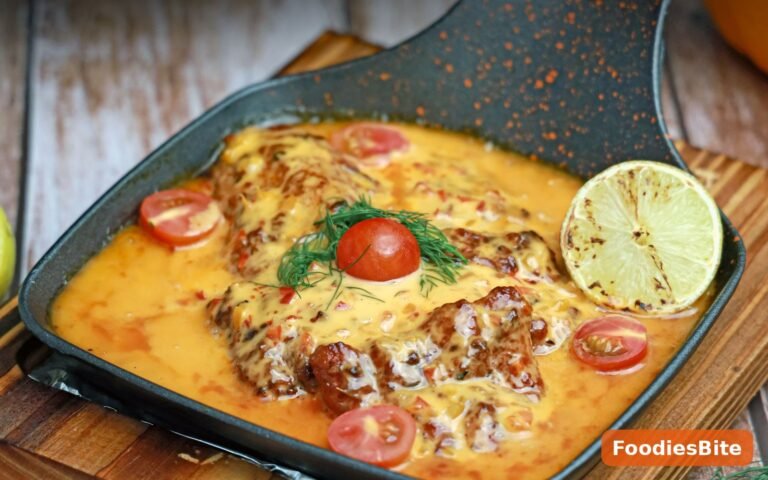
Creamy chicken sounds indulgent, and it can be, but it does not need a long list of dairy products. The method is simple: brown seasoned chicken, remove it, then build a sauce in the same pan from broth, milk or cream, and a small amount of flour or cornstarch to thicken it. Season with garlic powder, onion powder, black pepper, and Italian seasoning, then return the chicken and simmer gently until the sauce thickens and coats a spoon.
Serve it over pasta, rice, or mashed potatoes made from a packet or from potatoes you already have. Canned mushrooms, peas, or corn can be stirred in for variety, and a spoonful of mustard or a pinch of nutmeg can deepen the flavour without changing the character of the dish.
The key to a smooth sauce is patience at low heat. A sauce that boils hard can split or turn grainy, while a gentle simmer thickens evenly and stays silky. If it gets too thick, a splash of broth loosens it again. Cooking is rarely ruined by a sauce that needs adjusting; it is ruined by rushing it.
Pantry Chicken Soup in Half an Hour
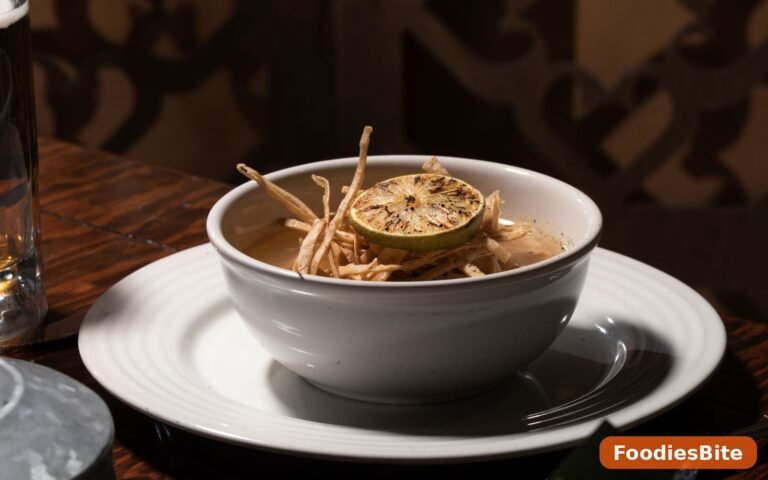
Soup has a reputation for taking all afternoon, but a pantry version is a genuinely fast dinner. Start with broth in a large pot, add canned vegetables, dried herbs, garlic powder, and onion powder, and bring it to a simmer. Add cooked pasta, rice, or noodles, and stir in chicken — either raw pieces cut small so they cook quickly, or leftover cooked chicken added near the end just to heat through.
If you are starting from raw chicken, small pieces are essential. They cook in the simmering broth in minutes, and they distribute through the soup far better than large chunks. If you are using cooked chicken, add it last; simmering already-cooked chicken for a long time is the fastest way to make it tough and dry.
A squeeze of lemon, a spoonful of vinegar, or a dash of hot sauce at the end can transform a plain soup. Soups built from broth and canned ingredients sometimes taste flat until that final bright note arrives, so taste before serving and adjust. Seasoning at the end, rather than only at the start, is a habit that improves almost every soup you make.
Ten Quick Pantry Chicken Ideas
When you are standing in the kitchen without a plan, a short list of combinations is more useful than a long recipe. Each of these starts with chicken and pantry staples, and each one can be ready in about thirty minutes or less.
First, chicken with tomato sauce and beans over rice. Second, chicken pasta with crushed tomatoes, garlic, and Italian herbs. Third, chicken taco bowls with black beans, corn, and rice. Fourth, chicken fried rice made from leftover cooked rice, soy sauce, egg, and canned vegetables. Fifth, a simple chicken curry with canned tomatoes, curry powder, and coconut milk served with rice or flatbread.
Sixth, chicken quesadillas with cheese and beans. Seventh, a creamy chicken skillet with broth, milk, and mushrooms over pasta. Eighth, chicken soup with broth, noodles, and canned vegetables. Ninth, chicken and chickpeas simmered in tomatoes with cumin and paprika, served with flatbread. Tenth, a chicken and vegetable skillet where canned corn, peas, and carrots join seasoned chicken over mashed potatoes or rice.
Notice how few distinct ingredients these ten ideas require. The variety comes from changing the sauce, the seasoning, and the base, not from buying new things. That is the real skill of pantry cooking: learning a small set of combinations deeply enough that you can vary them without thinking.
Seasoning: How Small Jars Change Everything
If pantry chicken ever tastes dull, the cause is almost always under-seasoning rather than a shortage of ingredients. Chicken is mild, which is a strength — it takes on flavour readily — but it does need that flavour to be added deliberately. Salt is the foundation, and most home cooks use less of it than a dish needs. Season the chicken, then taste the sauce and season that too.
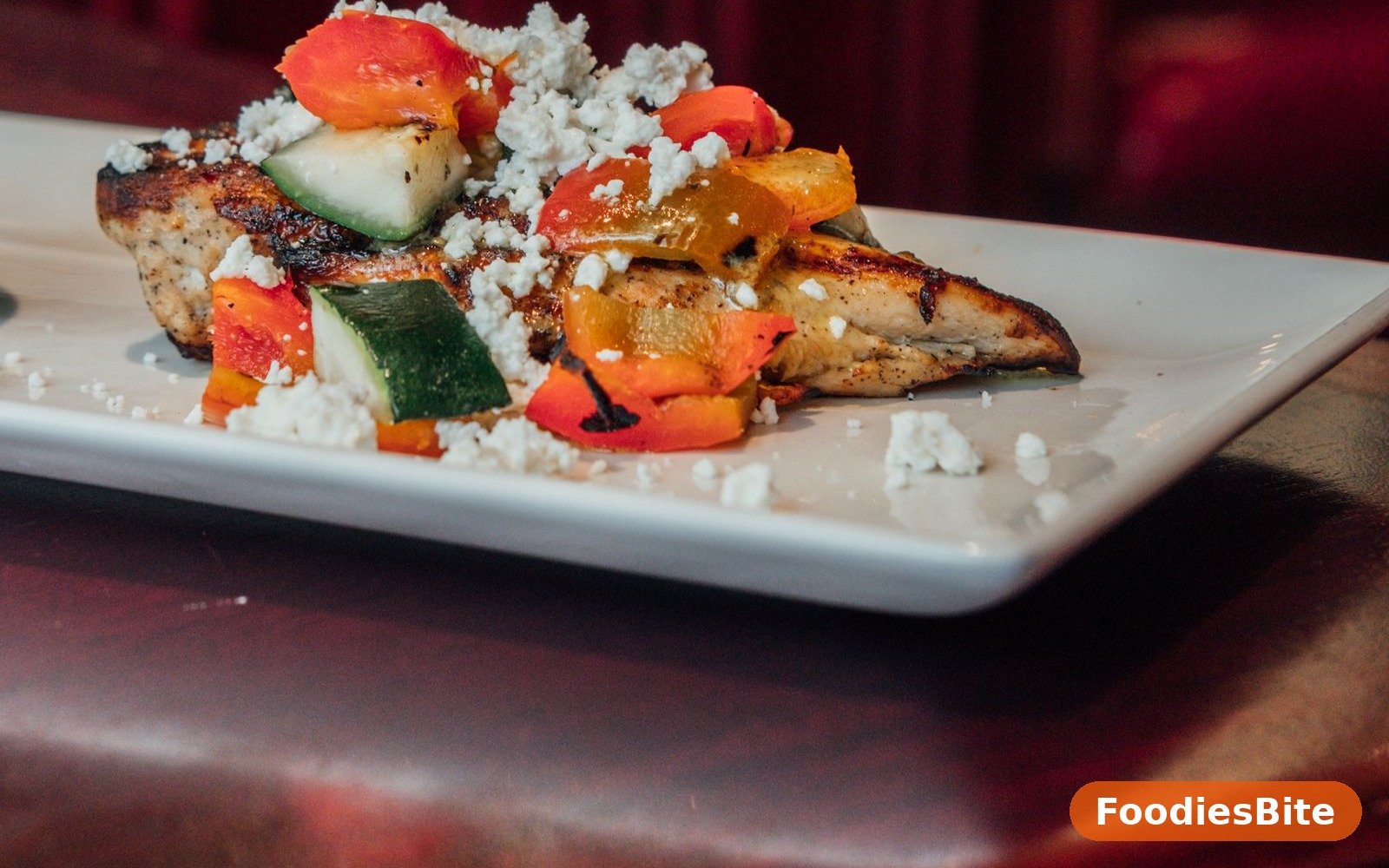
Build your spice shelf around versatility. Garlic powder and onion powder add savoury depth to almost everything. Paprika adds colour and gentle warmth. Cumin and chilli powder point a dish toward Mexican flavours. Oregano, basil, and Italian seasoning point it toward the Mediterranean. Curry powder and turmeric point it toward South Asian flavours. Red pepper flakes add heat without changing the dish in any other way.
You do not need to use many spices at once. Two or three well-chosen seasonings, used generously, beat a dozen used timidly. And dried herbs deserve respect: they are more concentrated than fresh ones, so a smaller amount goes further, but they also need a few minutes in a hot, moist pan to release their flavour. Adding dried herbs at the start of simmering, rather than sprinkling them on at the end, makes a noticeable difference.
Cooking Chicken Fast and Safely
Speed should never come at the expense of safety, and with chicken the rule is simple and non-negotiable. Cook chicken until it reaches an internal temperature of 74°C (165°F) at the thickest part, and check with a food thermometer rather than guessing from colour alone. Cut pieces cook faster than whole breasts, but they still need to reach that temperature throughout.
A thermometer removes the guesswork that causes both undercooked chicken and overcooked, dry chicken. Insert it into the thickest piece, away from bone, and wait for a steady reading. If you are cooking a batch of small pieces, check the largest one; if that one is done, the smaller ones will be too.
A few practical habits help as well. Let chicken come out of the fridge a short while before cooking so it cooks more evenly, and avoid crowding the pan, which steams the chicken instead of browning it. Cook in batches if necessary; a second batch takes only a few extra minutes and produces a much better result. Rest the chicken briefly before slicing, so the juices redistribute instead of running out onto the board.
Budget and Leftover Strategies
Pantry chicken dinners are naturally budget-friendly, and a few choices make them even more so. Chicken thighs are often more economical than breasts, and they stay juicy through simmering in a way breasts sometimes do not. Beans, rice, and pasta stretch a modest amount of chicken into a filling family meal, which means you can buy less meat without serving less dinner.
Leftovers deserve a plan rather than an afterthought. Cooked chicken, rice, and beans keep well separately in the refrigerator for a few days, and they can be recombined into a different meal rather than reheated as the same one. Yesterday’s tomato chicken becomes today’s quesadilla filling; yesterday’s rice becomes today’s fried rice with a fresh egg and soy sauce.
Freezer habits help too. Portion cooked chicken into meal-sized containers, and keep a small stock of frozen vegetables alongside your pantry staples. A freezer portion plus a can of tomatoes plus rice is a complete dinner that requires almost no decision-making, which is exactly what you want on the hardest evenings.
A weekly rhythm makes all of this easier. Choose two or three pantry chicken combinations you enjoy, and repeat them with small variations rather than searching for a new recipe every night. Familiarity breeds speed: the third time you make a tomato bean skillet, you will barely need to think about it, and dinner will be on the table before you have had time to feel hungry.
Planning a Week Without Shopping Every Day
It helps to think of the week as a set of slots rather than a set of recipes. One night might be a tomato-based skillet, another a rice pot, another pasta, another tacos, and another soup. The chicken stays the same; the sauce, seasoning, and base change. That rotation keeps meals interesting without requiring a different shopping list for each evening.
Write your pantry staples on a simple list and stick it inside a cupboard door. When you use the last can of tomatoes or the last packet of rice, add it to the shopping list immediately. This small discipline means your pantry is almost always ready, and the evenings when you have nothing in the house become rare.
Most importantly, be kind to yourself about weeknight cooking. A pantry dinner made at home, even a simple one, is a genuine achievement on a busy day. It does not need to look like a restaurant dish or follow a recipe exactly. It needs to be hot, filling, and made from ingredients you already had — and that is precisely what these recipes are designed to deliver. Browse more ideas on the FoodiesBite homepage or explore the full Chicken Recipes collection when you want a new combination to try.
Frequently Asked Questions
What can I make with chicken and pantry staples?
You can make tomato and bean skillets, chicken and rice, pasta with tomato or creamy sauce, taco bowls, quesadillas, fried rice, curry, soup, and one-pan skillet meals. The variety comes from changing the sauce, seasoning, and base rather than buying new ingredients each time.
What pantry staples go best with chicken?
Rice, pasta, tortillas, canned tomatoes, beans, broth, canned vegetables, coconut milk, and a solid range of dried spices are the most useful. With those groups covered, you can build many different dinners without fresh ingredients beyond the chicken itself.
How can I make a chicken dinner quickly?
Cut the chicken into small, even pieces so it cooks faster, season it well before cooking, and choose a one-pan or skillet method. Cooking the chicken and sauce in the same pan saves time and washing up, and using cooked or leftover chicken shortens the process further.
Can I use frozen chicken for pantry recipes?
Yes, but thaw it safely in the refrigerator before cooking for the most predictable results. Frozen chicken cooked directly from frozen takes longer and cooks less evenly, so thawing first is the better choice for quick skillet and one-pan recipes.
What can I make when I have almost nothing in the house?
Chicken with rice, broth, canned tomatoes, beans, and basic seasonings can make a satisfying meal on its own. Even a simple combination of chicken, rice, and a well-seasoned tomato sauce is a complete dinner when nothing else is available.