Simple Chicken Dinner Ideas for Busy Nights
Some evenings, dinner feels like one task too many. Work ran late, the children are hungry, the fridge looks uninspiring, and the idea of a long recipe with a long list of steps is enough to make takeout look tempting. This is exactly the kind of evening that chicken handles best. It cooks fast, it suits almost any flavour you have to hand, and it turns a handful of ordinary ingredients into a meal that feels properly homemade.
The trick is not finding one perfect recipe. It is building a small set of reliable moves you can repeat without thinking: a hot skillet, a good seasoning blend, a sauce from the pantry, and a side that practically cooks itself. Once those moves are familiar, a busy night stops being a cooking emergency and becomes a twenty-minute routine. You are not learning a new dish from scratch each time. You are swapping one seasoning, one vegetable, or one sauce, and dinner still tastes different from the night before.
This guide gathers those moves into one place. It covers quick skillet dinners, tacos and wraps that let everyone build their own plate, pasta and rice dishes that stretch a small amount of chicken a long way, and the planning habits that make the whole week easier. Nothing here needs specialist equipment or a special shopping trip. If you have chicken, a pan, and a few pantry staples, you already have dinner.
Why Chicken Wins on Busy Nights
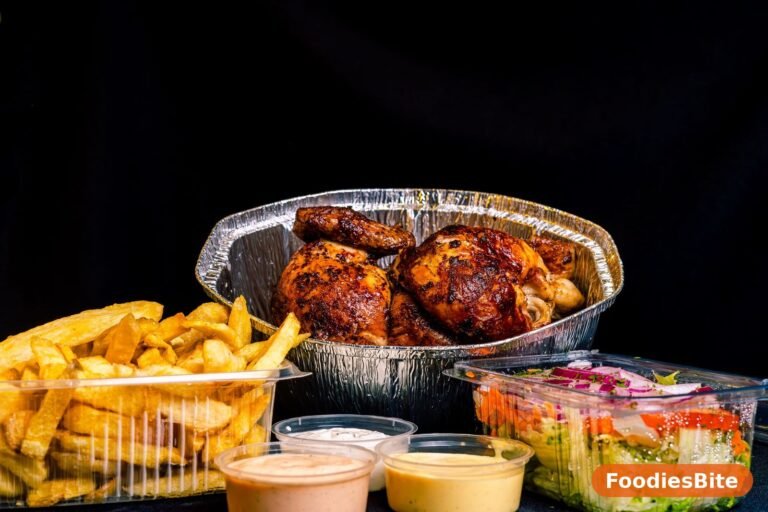
Chicken earns its place in the weeknight rotation for a few practical reasons. First, it cooks quickly compared with most other meats, especially when it is cut into strips, cubes, or thin cutlets. Thin pieces cook through in minutes, which means the gap between starting dinner and sitting down to eat it stays short. Thighs are more forgiving than breasts if they spend an extra minute or two in the pan, staying juicy where a breast might dry out, so they are a good choice when you are juggling homework, phone calls, and dinner at the same time.
Second, chicken is a blank canvas. It carries garlic and butter one night, chilli and cumin the next, and lemon and herbs the night after that, without ever tasting like a repeat. That flexibility matters on busy nights because it lets you cook from what is already in the cupboard rather than shopping for one specific dish. A jar of sauce, a packet of tortillas, a bag of frozen vegetables, or a box of pasta can each steer the same chicken in a completely different direction.
Third, chicken stretches well. A pack cooked tonight becomes tomorrow’s wraps, sandwiches, or fried rice, and a single batch can quietly cover two meals. Browse the Chicken Recipes collection when you want more ideas in this style, and you will see the same pattern again and again: simple methods, familiar ingredients, and dinners that do not demand a whole evening. It is no surprise that chicken as food appears in kitchens all over the world, in dishes from curries and stir-fries to roasts and sandwiches. The bird is popular precisely because it adapts.
The 20-Minute Weeknight Formula
Most fast chicken dinners follow the same loose formula, and learning it is more useful than memorising any single recipe. Start with chicken cut small and evenly sized, so it cooks quickly and evenly. Season it boldly, because a short cooking time leaves little room for flavour to build slowly. Get the pan properly hot before the chicken goes in, so it browns instead of steaming. Then finish with something bright or saucy: lemon juice, a splash of broth, a spoonful of sauce, or a scattering of fresh herbs.
The second half of the formula is choosing a side that needs almost no attention. Rice can simmer while the chicken cooks. A bagged salad needs only a dressing. Frozen vegetables can go straight into the same pan. Bread, tortillas, or noodles fill the plate without a second round of cooking. When the chicken and the side finish at roughly the same moment, dinner feels effortless even if you started from scratch twenty minutes earlier.
Timing helps too. Put the rice or pasta on first, since it takes the longest and looks after itself. While it cooks, season and slice the chicken and chop one or two vegetables. Cook the chicken, build the sauce in the same pan, and bring everything together at the end. Working in this order, rather than doing one job fully before starting the next, is often what turns a forty-minute dinner into a twenty-minute one.
Garlic Butter Skillet Chicken and One-Pan Vegetables
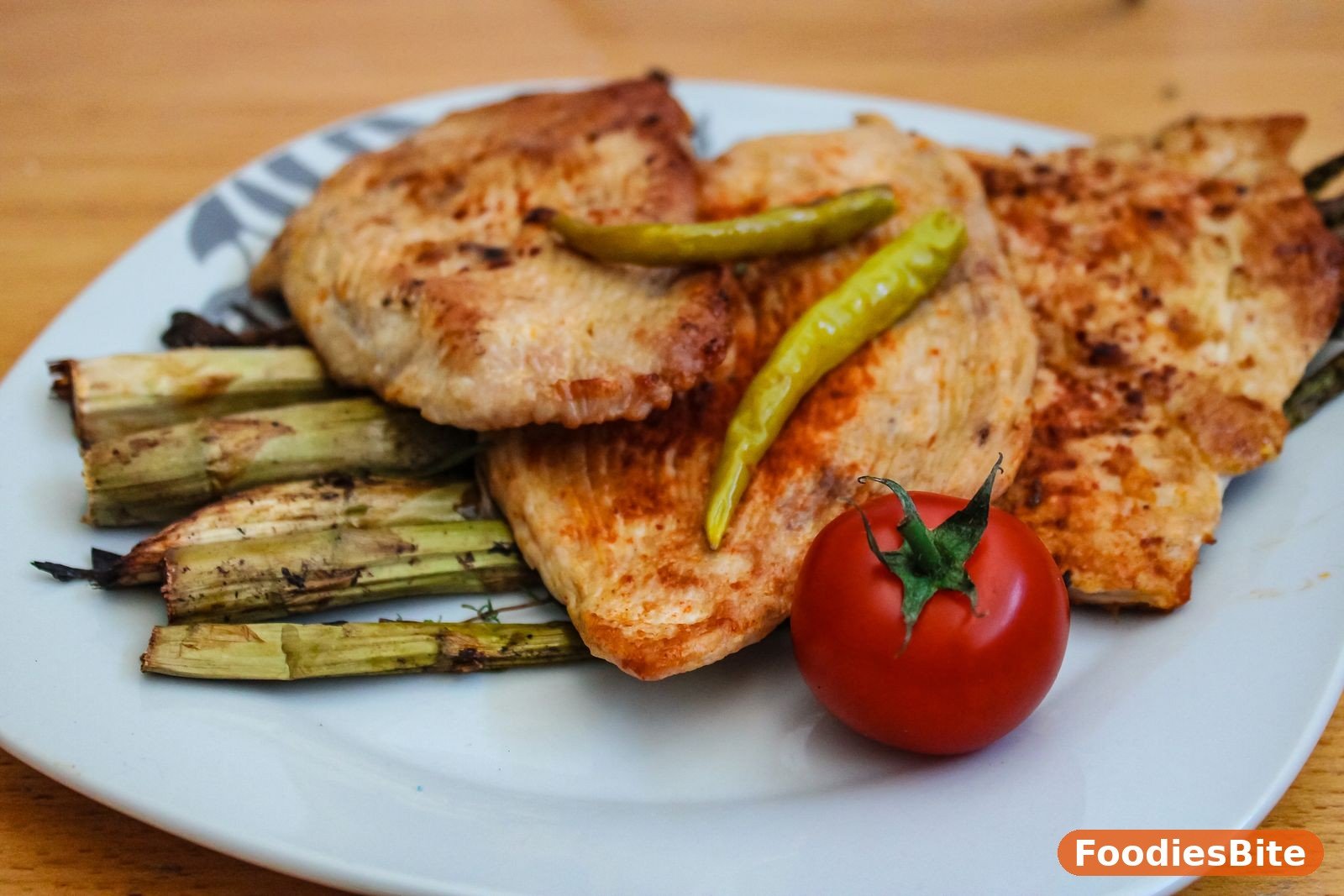
Garlic butter chicken is the simplest version of the weeknight formula, and it is worth mastering first because it teaches the whole method. Season chicken pieces with salt, pepper, garlic powder, and paprika, then cook them in a hot, lightly oiled skillet until golden on the outside and cooked through. Lift the chicken out, melt butter in the same pan with minced garlic, and let it bubble for a minute until fragrant. A splash of broth or lemon juice lifts the browned bits from the pan into a quick sauce, and the chicken goes back in to coat.
Serve it with whatever you have: steamed vegetables, mashed potatoes, rice, or crusty bread for mopping up the sauce. The dish feels generous despite taking very little time, because the pan sauce carries so much flavour. Variations are easy. Add mushrooms to the pan before the garlic, stir in spinach until it wilts, or finish with a handful of grated Parmesan for a richer version.
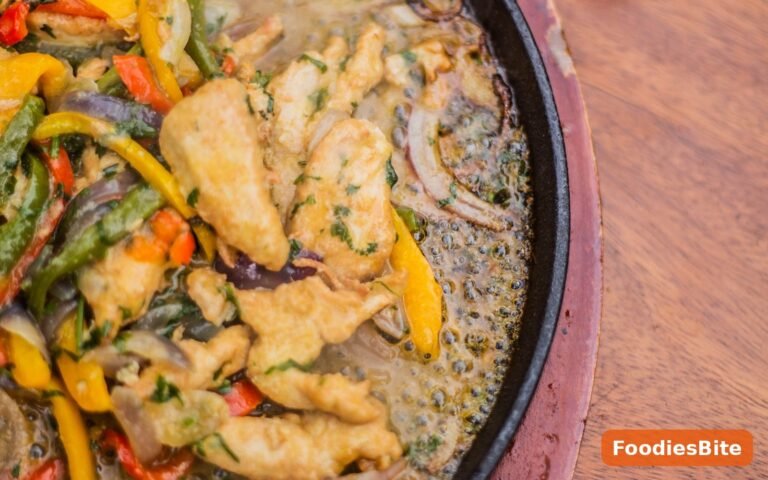
The same skillet logic extends to one-pan chicken and vegetables. Toss bite-sized chicken with peppers, broccoli, carrots, courgettes, or green beans, plus olive oil, garlic powder, paprika, and mixed herbs, then cook everything together in a large pan until the chicken is done and the vegetables are tender. A squeeze of lemon at the end brightens the whole dish. For more ideas in this style, our easy chicken skillet recipes without an oven show how far one pan can go. Cleanup is a single skillet, which on a busy night counts as a genuine feature rather than a bonus.
Tacos, Fajitas, and Wraps for Custom Dinners
Some nights, the hardest part of dinner is pleasing everyone at the table. Tacos solve that problem by turning dinner into a build-your-own meal. Cook sliced chicken in a hot skillet with chilli powder, cumin, paprika, garlic powder, salt, and pepper until browned and cooked through. Warm the tortillas, then set out toppings and let each person assemble their own: shredded lettuce, chopped tomatoes, grated cheese, avocado, onion, salsa, or plain yoghurt.
Fajitas work the same way with a slightly different flavour. Cook thin strips of chicken with sliced peppers and onions and the same warm spices, then serve the mixture with tortillas or over rice for a lighter plate. The vegetables cook in the same pan as the chicken, so there is nothing extra to wash, and the spice level is easy to adjust for younger eaters by holding back the chilli and letting adults add hot sauce at the table.
Wraps and quesadillas are the fastest members of this family, especially when cooked chicken is already waiting in the fridge. Shredded chicken with cheese between tortillas, cooked in a lightly greased skillet until crisp and melted, makes a dinner in minutes. Wraps filled with chicken, lettuce, and a good sauce are just as quick and travel well for packed lunches the next day. These are the dinners to reach for when the evening has already been long and patience is short.
Pasta, Rice, and Stir-Fry Shortcuts
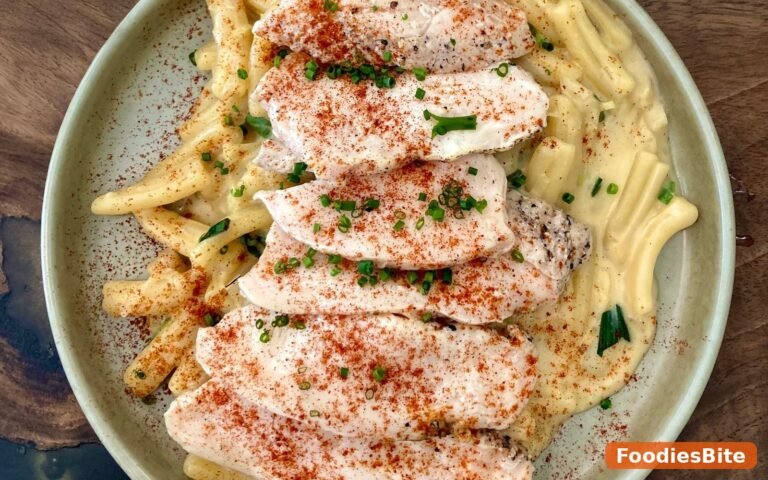
When the family wants something comforting, pasta and rice dishes are hard to beat, and both are forgiving on a busy night. For a creamy chicken pasta, cook the pasta while small pieces of chicken cook in a skillet with olive oil, salt, pepper, and garlic. Stir butter, a little cream or cream cheese, and Parmesan into the pan until smooth, then toss in the pasta and chicken. Spinach, peas, mushrooms, broccoli, or sun-dried tomatoes can all join the pan if they are available, and the whole dish comes together in the time the pasta takes to boil.
Chicken and rice from one skillet follows a similar rhythm. Brown the chicken, add onion and garlic, then stir in uncooked rice and broth with paprika and herbs. Cover and cook until the rice is tender and the chicken is done, adding frozen peas, carrots, corn, or peppers for colour. Leftovers reheat well for lunch, which makes this a useful double-duty dinner. Fried rice is the other classic rice shortcut: cold leftover rice fries better than fresh rice, staying separate in the pan, and diced cooked chicken with vegetables, egg, and soy sauce becomes dinner in one pan.
Stir-fries deserve a place in the same group because they are built for speed. Thin strips of chicken cook in minutes in a very hot pan with broccoli, carrots, peppers, onions, or snap peas. A quick sauce of soy sauce, garlic, a little honey, and a splash of vinegar coats everything, and the dish is served over rice or noodles. There is no strict vegetable list for a stir-fry, which is the point: use what is in the fridge, and the meal still works.
Sweet, Savoury, and Bright: Honey Garlic and Lemon Herb
Two sauces cover a surprising number of busy-night moods. Honey garlic chicken is sweet and savoury without any complicated cooking. Brown seasoned chicken pieces in a skillet, then pour over a mixture of honey, minced garlic, soy sauce, and a little lemon juice or vinegar. Let it simmer until the sauce thickens slightly and clings to the chicken, then serve over rice or noodles with steamed broccoli or green beans. Because the sauce uses pantry ingredients, it rescues evenings when there has been no time to shop.
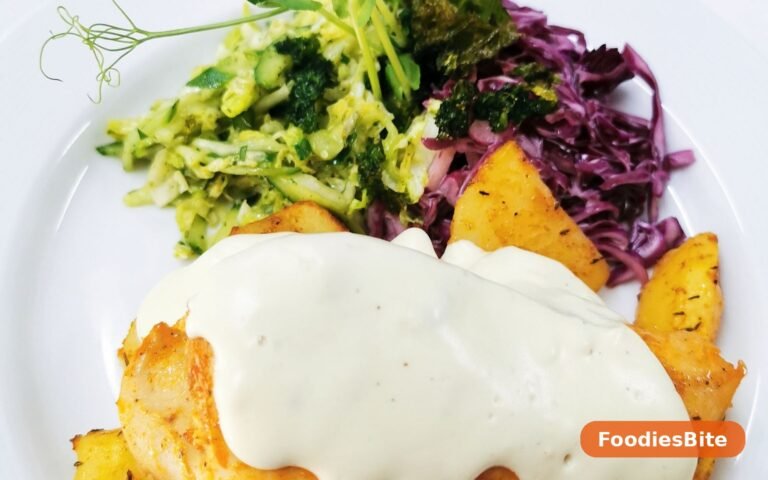
Lemon herb chicken is the lighter counterpart. Season the chicken with garlic, dried herbs, salt, and pepper, cook it in a skillet until golden, and finish with fresh lemon juice and a little zest. It pairs beautifully with roasted potatoes, rice, couscous, or a simple green salad, and it is the right choice when a heavy sauce feels like too much after a long day. Keeping both sauces in your repertoire means you can change the character of dinner entirely without learning a new technique: same pan, same chicken, completely different meal.
A third flavour worth keeping in rotation is barbecue. Shredded cooked chicken warmed in a skillet with barbecue sauce and piled onto toasted buns with onion, lettuce, coleslaw, or pickles turns leftovers into a dinner that feels brand new. It is one of the fastest transformations in this whole guide, and it is especially useful when the chicken was cooked for a different meal entirely.
Cooked Chicken, Second Dinners
Cooking a little extra chicken on purpose is one of the smartest weeknight habits. Roast or pan-cook more than tonight’s dinner needs, store the rest in a covered container in the fridge, and tomorrow’s dinner is already halfway made. Shredded chicken becomes tacos, quesadillas, sandwiches, wraps, salads, soups, pasta, or fried rice, and each format tastes different because the seasoning and sauce change.
The key is to treat cooked chicken as an ingredient rather than a repeat. Warm it gently with a splash of broth or sauce so it does not dry out, and add it near the end of cooking in soups and pasta dishes rather than simmering it for a long time. Thin slices and shredded chicken absorb sauce better than thick chunks, which is why a few minutes with two forks is time well spent. If you want a crispy option for the second dinner, air fryer chicken tenders without breadcrumbs show how tenders can be cooked quickly and used in wraps, salads, or alongside vegetables.
Chicken and potato skillet dinners belong in this section too, because they are hearty enough to stand alone. Cut potatoes small so they cook faster, cook them in a large skillet with oil, salt, pepper, garlic powder, and paprika until nearly tender, then add seasoned chicken pieces and cook until done. Onions, peppers, rosemary, or parsley add flavour without extra work. When a meal is this filling on its own, there is no need to prepare several side dishes, and the evening stays simple.
Sides and a Weekly Rotation That Actually Works
A side dish does not need to be elaborate to complete a chicken dinner. Steamed broccoli, green beans, carrots, or peas take minutes. A simple salad adds freshness and crunch. Rice and pasta absorb sauces and make the plate feel generous. For a low-effort night, pair skillet chicken with microwaveable or leftover rice and a bagged salad. For something more comforting, choose mashed potatoes or roasted vegetables. The goal is a plate that feels balanced, not a restaurant spread.
A weekly rotation makes these choices automatic. Instead of deciding from scratch every evening, assign loose themes to the days: a skillet dinner on Monday, tacos on Tuesday, pasta on Wednesday, a stir-fry on Thursday, and a leftover-chicken dinner on Friday. The themes are flexible enough to swap, but they remove the daily question of what to cook, which is often the part that takes the most energy. Within each theme, change the seasoning or the vegetables and the week never feels repetitive.
Shopping follows the same logic. A short, steady list of rice, pasta, tortillas, broth, canned tomatoes, soy sauce, honey, garlic, and basic seasonings covers nearly every dinner in this guide. Fresh chicken, a few vegetables, and one or two toppings complete the shop. When the pantry already holds the building blocks, a busy night never requires a special trip, and dinner stays a short, calm part of the evening rather than a scramble.
Prep Habits That Shave Minutes Off Every Night
Fast dinners are usually won before the pan is even hot. Chopping vegetables ahead of time, even just onions and peppers for the next two nights, saves several minutes on each evening. Keeping cooked rice in the fridge, tortillas in the cupboard, and broth and sauces within easy reach means the building blocks of dinner are already in place when you walk in. Small habits like these compound across a week, and they are the quiet reason some kitchens seem to produce dinner effortlessly.
Seasoning blends help too. A jar of mixed herbs, a jar of taco-style spices, and a jar of garlic powder and paprika cover most of the dinners in this guide without measuring a dozen separate spices each time. Label the jars, keep them near the stove, and seasoning becomes a single shake rather than a small project. The same goes for sauces: a bottle of soy sauce, a jar of honey, and a bottle of vinegar are the base of stir-fry sauce, honey garlic sauce, and several dressings.
None of this is about cooking like a professional. It is about home cooking that fits real life: food made in an ordinary kitchen, in the time actually available, with ingredients that are already there. A stocked pantry, a few prepped vegetables, and one reliable pan are worth more than a shelf of cookbooks on a night when everyone is hungry and the clock is ticking.
Cooking Chicken Safely
Speed should never come at the cost of food safety. The most reliable way to check chicken is with a food thermometer: cook chicken until it reaches 74°C (165°F) at the thickest part, and let it rest for a few minutes before slicing. Colour alone is not a trustworthy guide, and cutting into the thickest piece to check that the juices run clear is a useful backup, but a thermometer removes the guesswork entirely.
A few habits keep the rest of the process safe. Keep raw chicken separate from ready-to-eat foods, wash hands and boards after handling it, and cook pieces that are similar in thickness so they finish at the same time. If a breast is very thick, slicing it into thinner cutlets or butterflying it helps it cook evenly and quickly, which also improves the texture. Leftover cooked chicken should be cooled reasonably quickly, stored covered in the fridge, and reheated thoroughly until steaming hot before eating.
Before the next busy week begins, pick three dinners from this guide and make sure the ingredients are in the pantry. That small bit of planning is what turns a frantic evening into a calm one, and it is how simple chicken dinners earn their place week after week. Find more ideas on the FoodiesBite homepage whenever you need a fresh starting point.
Frequently Asked Questions
What is the fastest chicken dinner for a busy night?
Garlic butter skillet chicken, quesadillas, wraps, and tacos are among the fastest options. With chicken cut small and a hot pan, most can be ready in around twenty minutes, especially if a side like rice or a bagged salad is already prepared.
Should I use chicken breasts or thighs for quick dinners?
Both work well. Breasts cook quickly and slice neatly, which suits stir-fries, pasta, and salads. Thighs stay juicier and are more forgiving if they cook a little longer, which makes them a good choice for skillet dinners and one-pan meals.
How do I know when chicken is cooked through?
Use a food thermometer and cook chicken to 74°C (165°F) at the thickest part. Cut pieces of similar thickness so they cook evenly, and let the chicken rest for a few minutes before slicing so the juices settle.
Can I use frozen chicken for a quick dinner?
Frozen chicken is best thawed first in the fridge overnight, since cooking from frozen takes much longer and cooks unevenly. For a genuinely fast dinner, thawed chicken, chicken tenders, or cooked leftover chicken are better starting points.
What sides go best with simple chicken dinners?
Rice, pasta, and noodles suit saucy chicken dishes, while steamed vegetables, roasted potatoes, and simple salads suit grilled or skillet chicken. On the busiest nights, microwaveable rice and a bagged salad turn a skillet dinner into a complete meal with almost no extra work.