
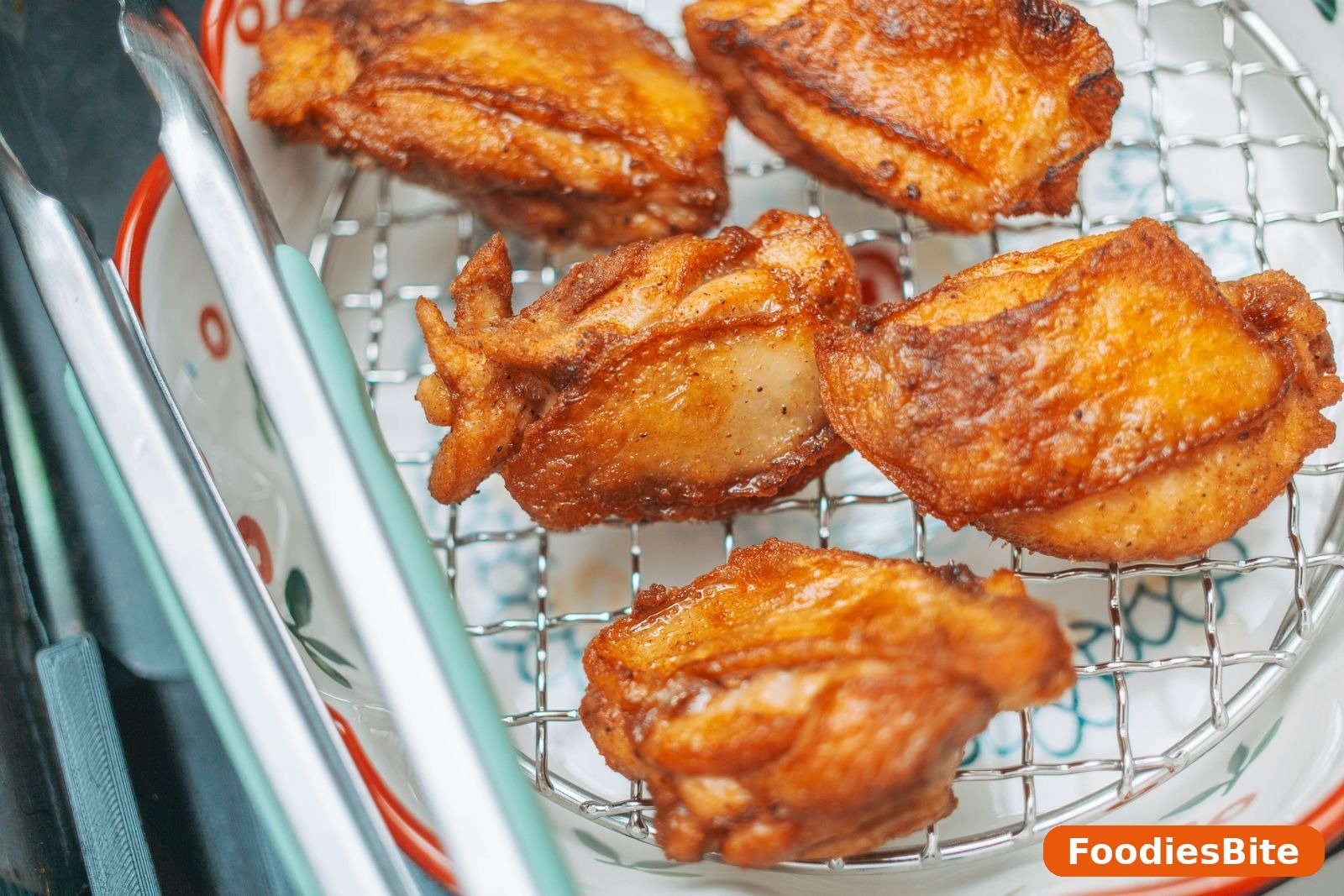
Air Fryer Chicken Tenders Without Breadcrumbs
Chicken tenders are a weeknight hero: quick, kid-friendly, and endlessly adaptable. The traditional version, though, comes with a breading station — flour everywhere, egg on your fingers, breadcrumbs on the counter — and a pan of oil. This version skips all of that. No breadcrumbs, no mess, no deep frying. Just well-seasoned chicken, hot circulating air, and tenders that come out juicy inside with a flavourful, golden outside in about twenty minutes.
Skipping breading does not mean skipping flavour. Without a coating in the way, the seasoning sits directly on the meat, and the chicken’s own surface browns in the heat. The result is lighter than breaded tenders but just as satisfying, and it works for anyone avoiding breadcrumbs, cutting carbs, or simply out of crumbs on a busy night.
This guide covers choosing tenders, seasoning them well, the timing that works, dipping sauces, and the mistakes that make tenders dry or bland.
What Are Chicken Tenders?
Chicken tenders are the small, tender strips of meat found underneath the breast. They are naturally lean, quick-cooking, and uniform in size, which makes them ideal for fast meals. You can buy them pre-cut as tenders, or slice chicken breasts yourself into strips of similar thickness.
If you slice your own, aim for strips about two centimetres thick. Even thickness is the key to even cooking: a strip that is thick at one end and thin at the other will overcook at the thin end. A gentle press with the flat of a knife evens out any uneven pieces.
Tenders cook faster than any other chicken cut, which is both their advantage and their risk. The window between done and dry is short, so timing and temperature matter. The good news is that the air fryer is precise and fast, and a thermometer removes the guesswork entirely.
Preparing the Tenders
Preparation takes about five minutes. Pat the tenders completely dry with kitchen paper. As with all air fryer chicken, a dry surface browns far better than a wet one, and since there is no coating to hide behind, this step matters even more here.
Remove the small white tendon if it is visible and bothersome — it is edible but can be chewy. You can grip it with kitchen paper and gently pull it out, or simply leave it; it softens during cooking and most people never notice it.
Let the tenders sit at room temperature for ten to fifteen minutes while you prepare the seasoning. Cold tenders straight from the fridge cook unevenly, and with pieces this thin, even a small temperature difference shows in the result.
Seasoning That Replaces Breading
Without breading, seasoning is everything. Be generous — under-seasoned chicken without a coating tastes plain in a way that breaded chicken can hide.
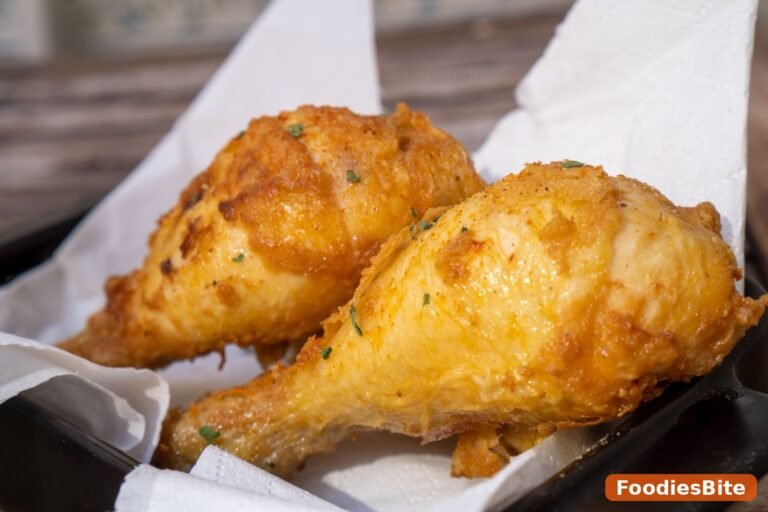
A reliable all-purpose blend is salt, black pepper, garlic powder, onion powder, and smoked paprika. The paprika gives colour, which matters because unbreaded tenders can look pale even when perfectly cooked. A golden-red hue from paprika makes them look as appetising as they taste.
For a lemon-herb version, use salt, pepper, garlic powder, dried oregano, and lemon zest, finished with a squeeze of lemon after cooking. For a smoky-spicy version, add cumin and chilli powder to the base blend. For a honey-mustard style, brush the tenders with a thin mix of mustard and honey during the last two minutes of cooking, watching closely so the honey does not burn.
A light spray or brush of oil helps the seasoning cling and encourages browning. You need very little — a teaspoon or two for a whole batch. An air fryer circulates hot air so efficiently that a small amount of oil achieves what a pan of oil does in deep frying.
Toss the tenders in the seasoning and oil in a bowl, making sure every piece is coated. Let them sit for a few minutes so the salt starts working on the surface before they go into the basket.
Cooking Time and Temperature
Preheat the air fryer for three to five minutes at 200°C (400°F). A hot basket sears the surface immediately, which is important for tenders with no coating to protect them.
Arrange the tenders in a single layer with space between them. Crowding is the enemy of browning: pieces that touch steam each other and stay pale. Cook in batches if your basket is small — each batch takes only about ten minutes, so a second batch costs little time and tastes much better.
Cook for 10 to 12 minutes at 200°C, flipping halfway through. Thicker tenders may need a minute or two more. The target is an internal temperature of 74°C (165°F) at the thickest point. Because tenders are thin, check early — at nine or ten minutes — to avoid overshooting.
Rest the tenders for three to five minutes before serving. Even a short rest lets the juices redistribute, and with lean meat like chicken breast tenders, that rest is the difference between juicy and dry.
Dipping Sauces
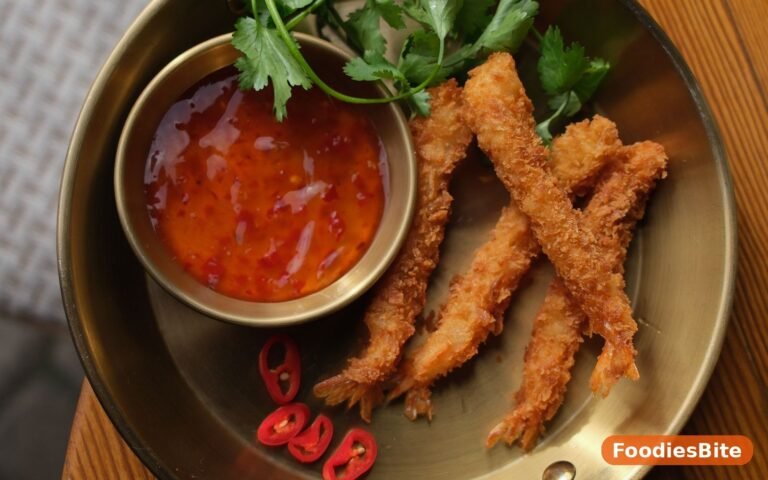
A good sauce turns simple tenders into a meal worth looking forward to. The classics all work: honey mustard, barbecue sauce, ranch, and sweet chilli. A homemade yoghurt and herb dip — yoghurt, lemon juice, garlic, and chopped herbs — is lighter and takes two minutes.
For something a little different, try a quick garlic mayonnaise with a squeeze of lemon, or a spicy sriracha mayonnaise for heat lovers. A peanut-style dip made from peanut butter, soy sauce, lime juice, and a little warm water pairs surprisingly well with the smoky-spiced tenders.
Serve two or three small bowls of different sauces and let everyone choose. It costs almost nothing and makes a simple dinner feel like an occasion, especially for children.
Serving Ideas
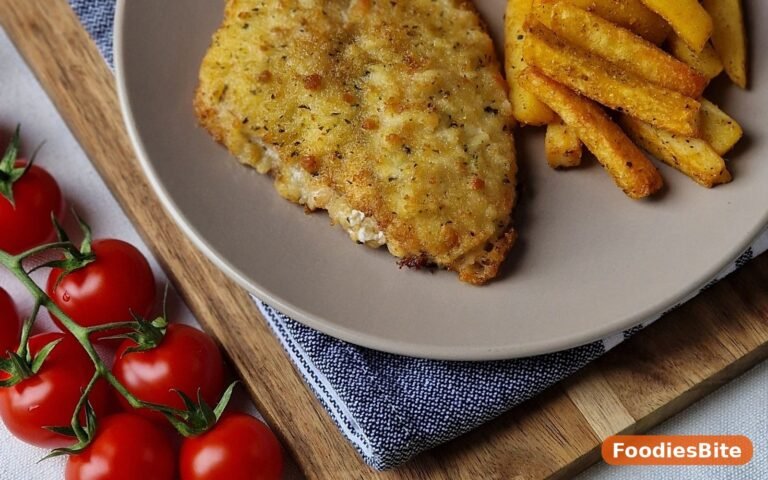
Tenders are famously versatile. The simplest dinner is tenders with oven chips or crispy potatoes, a salad, and dipping sauces — a meal that pleases almost everyone and takes under half an hour.
Slice the rested tenders and use them in wraps with salad, sliced tomato, and sauce, or over a grain bowl with rice, roasted vegetables, and a tahini drizzle. They are also excellent sliced over a Caesar-style salad, where their seasoning stands up well to a strong dressing.
For a lighter option, serve tenders with steamed vegetables and a yoghurt dip. The tenders provide the protein and flavour, the vegetables keep the plate fresh, and the whole meal stays light without feeling like diet food.
If you are planning a week of chicken, pair these tenders with the air fryer chicken thighs for a juicier, richer night, and the easy chicken skillet recipes for a stovetop evening. Three textures, three methods, one very manageable shopping list.
Common Problems and Fixes
Dry tenders almost always mean overcooking. Because tenders are thin, a minute too long makes a real difference. Check the temperature early, pull them at 74°C, and rest them briefly. If dryness keeps happening, try slightly thicker strips or a marinade: thirty minutes in buttermilk, yoghurt, or simply salted water (a quick brine) adds moisture insurance.
Bland tenders mean under-seasoning. Without breading, there is nowhere for flavour to hide. Season generously, taste your spice blend before applying it, and remember that some seasoning is lost to the basket. A finishing squeeze of lemon or a flavourful dip also lifts the final result.
Pale tenders usually mean the temperature was too low or the basket was crowded. Use 200°C, preheat properly, and cook in a single layer. Paprika in the seasoning also helps with colour, which matters for appetite appeal even when the taste is fine.
Tenders sticking to the basket usually means the basket was not preheated or not lightly oiled. A quick spray of oil on the basket before cooking, plus preheating, solves most sticking.
Marinades That Add Juiciness
Tenders are lean, so a short marinade is the easiest insurance against dryness. You do not need hours — thirty minutes is enough to make a real difference, and even fifteen minutes helps.
A buttermilk marinade is the classic. The mild acidity tenderises gently without turning the meat mushy, and the milk sugars help the surface brown. Pour enough buttermilk to coat the tenders, add salt and a little garlic, and refrigerate for thirty minutes to two hours. Wipe off the excess before seasoning and cooking, and pat the tenders dry — a wet surface will not brown well.
A yoghurt marinade works the same way and adds a pleasant tang. Plain yoghurt, salt, garlic, and a squeeze of lemon make a simple version. Yoghurt marinades are especially good with the warm-spiced seasoning blend, giving the tenders a flavour that leans gently Mediterranean.
A quick brine is the simplest option of all: dissolve a tablespoon of salt in a litre of cold water, submerge the tenders for thirty minutes, then drain and pat very dry. Brining seasons the meat throughout rather than just on the surface, which is why brined tenders taste seasoned all the way through rather than only on the outside.
What to avoid: highly acidic marinades left too long. Lemon juice or vinegar marinades are fine for thirty minutes, but left for hours they can make the surface of thin tenders chalky and dry. Keep acidic marinades short, and never reuse a marinade that has touched raw chicken unless you boil it first — safest is simply to discard it.
If you are short on time, skip the marinade entirely and rely on good seasoning and careful timing. A marinade is a bonus, not a requirement, and well-cooked un-marinated tenders beat poorly timed marinated ones every time.
Storage and Reheating
Cooked tenders keep for three to four days in the fridge in a sealed container. Reheat them in the air fryer at 180°C for three to four minutes, which restores their texture far better than a microwave. They are also good cold, sliced into salads or sandwiches.
For longer storage, freeze cooked tenders for up to three months. Cool fully, pack in a single layer in a bag, and label with the date. Thaw overnight in the fridge and reheat in the air fryer until piping hot throughout.
Final Thoughts
Air fryer chicken tenders without breadcrumbs prove that simpler is often better. No breading station, no vat of oil, no mess — just good chicken, good seasoning, and hot air. In twenty minutes you have a dinner that works for children and adults, for busy weeknights and casual weekends alike.
For more air fryer ideas, browse the full Air Fryer Recipes collection, and return to the FoodiesBite homepage whenever you need a fast dinner that does not taste like a shortcut. If you are cooking for children, let them choose the dipping sauces — a small choice like that turns dinner into something they look forward to, and tenders are forgiving enough that little helpers can season them without any risk to the result. When friends drop by unexpectedly, a double batch and an extra sauce or two turn this everyday recipe into an easy, generous supper with almost no extra work.
Frequently Asked Questions
Can chicken tenders be crispy without breadcrumbs?
Yes, though the texture is different from breaded tenders. Without a coating, the seasoned surface itself browns and firms in the hot air, giving a flavourful golden exterior. The keys are a dry surface, generous seasoning (paprika helps colour), high heat around 200°C, and space in the basket.
How long do air fryer chicken tenders take?
About 10 to 12 minutes at 200°C, flipped halfway through. Because tenders are thin, check the internal temperature early, around nine minutes. They are done at 74°C (165°F) at the thickest point, and resting for a few minutes keeps them juicy.
Why are my tenders dry?
Tenders are lean and thin, so they overcook quickly. The usual fixes are checking temperature early, pulling them exactly at 74°C, resting them before serving, and cutting slightly thicker strips. A short brine or yoghurt marinade also adds moisture insurance.
Do I need to marinate chicken tenders first?
No, marinating is optional. A simple seasoning applied a few minutes before cooking gives plenty of flavour. If you have time, a thirty-minute marinade in buttermilk or yoghurt adds tenderness, but it is not required for good results.
What should I serve with air fryer chicken tenders?
Crispy potatoes, salad, rice, or wraps all work well, plus two or three dipping sauces such as honey mustard, barbecue, or a yoghurt herb dip. Tenders are versatile enough to anchor almost any easy dinner.

2 Comments