
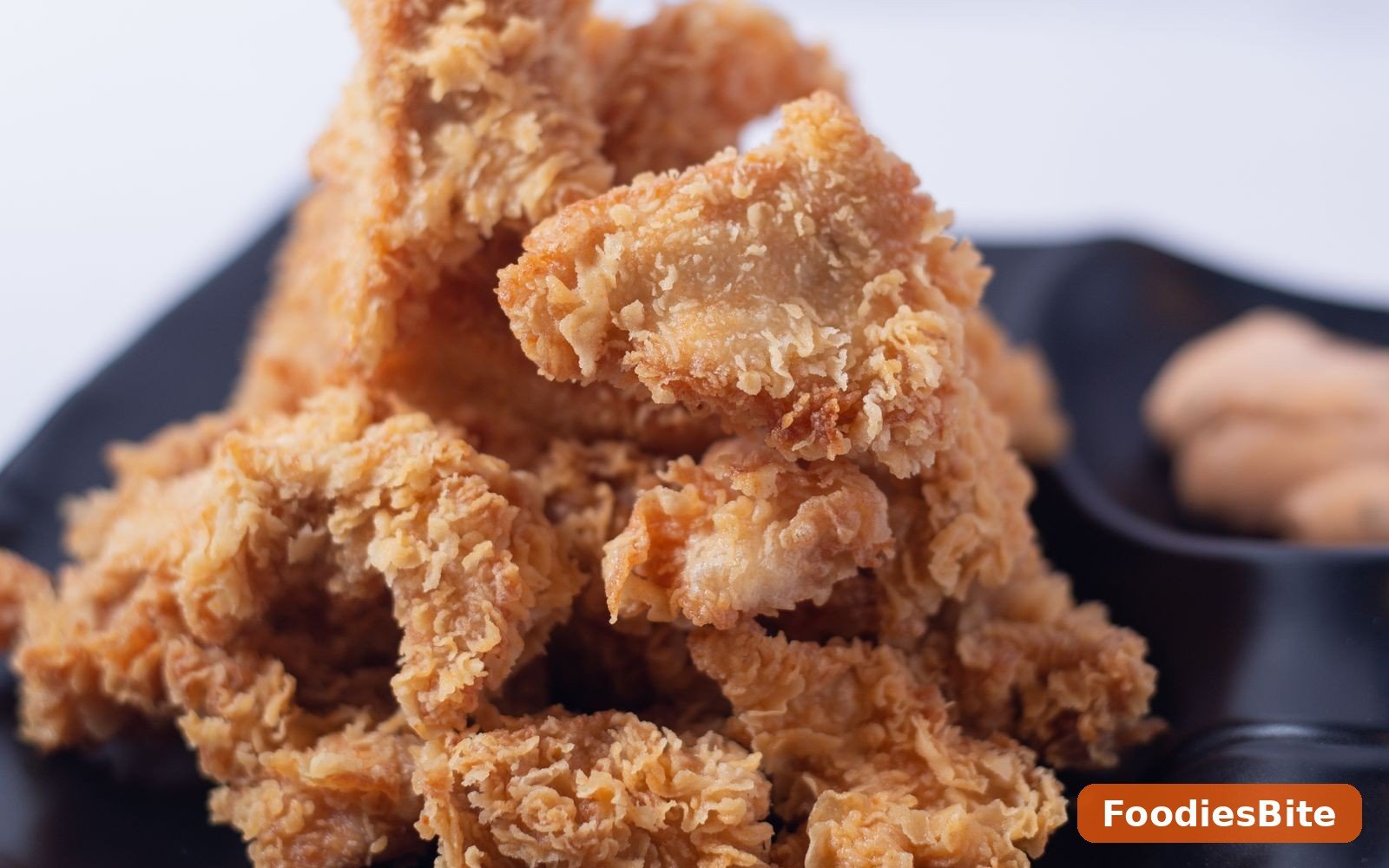
Easy Crispy Chicken Without Breadcrumbs: A Simple, Crunchy Recipe
Crispy chicken has a special pull: the crackle of the coating, the juicy meat underneath, and the way it turns an ordinary dinner into something people look forward to. Most recipes reach for breadcrumbs to get that crunch, but breadcrumbs are not the only route — and when the cupboard has none, there is no reason to give up on crispy chicken.
A crisp coating is really about three things: something dry to form a crust, enough heat to drive off moisture, and a surface that browns rather than steams. Flour, cornflour, crushed crackers, oats, and even grated cheese can all do the job, and each gives a slightly different crunch. The method matters as much as the coating, and this guide covers both.
You do not need a deep fryer, either. A shallow pan, an oven, or an air fryer all produce genuinely crispy chicken, and each method suits a different evening. Below are the coatings that work, the three cooking methods, and the mistakes that turn crisp into soggy — plus the safety basics that keep the chicken juicy and safe to eat.
Why Breadcrumbs Are Not Essential
Breadcrumbs work because they are dry, rough, and full of tiny edges that brown and crisp. But any dry, starchy coating behaves the same way. Seasoned flour forms a thin, crackly crust. Cornflour makes an especially light, glassy crunch. Crushed cornflakes or crackers give a chunkier, more rugged texture. The principle is identical in every case: coat the chicken in something dry, cook it hot, and let the surface dry out and brown.
Skipping breadcrumbs also solves a few practical problems. Breadcrumbs go stale, they are not always gluten-free, and they can burn before the chicken is cooked if the heat is too high. Flour-based coatings are more forgiving: they brown gradually, they stick well, and they are already in almost every kitchen.
There is a flavour benefit too. A flour coating takes seasoning beautifully — paprika, garlic powder, pepper, and herbs mix straight into it — so the crunch itself tastes of something, rather than being a plain shell around seasoned meat. Fried chicken traditions around the world use flour coatings for exactly this reason, from Southern-style seasoned flour to Korean-style cornflour crusts.
Coatings That Crisp Without Breadcrumbs
Seasoned flour is the simplest option: plain flour mixed with salt, pepper, paprika, and garlic powder. Dip the chicken in beaten egg or milk first so the flour sticks, then press it on firmly. A double dip — egg, flour, egg, flour — gives a thicker, crunchier crust for those who like extra texture.
Cornflour, used alone or mixed half and half with plain flour, gives a lighter, crisper result that stays crunchy longer after cooking. It is particularly good for air fryer and oven methods, where a heavy coating can turn soft. Add a pinch of baking powder to the flour mixture for extra lift and an even more delicate crust.
Crushed crackers or cornflakes give the most rugged crunch. Put them in a bag and crush with a rolling pin, leaving some larger pieces for texture, then use them exactly like breadcrumbs: egg dip, then crumbs, pressed on firmly. Oats, blitzed briefly, work similarly and add a nutty flavour. Grated Parmesan mixed with flour gives a savoury, golden crust that browns beautifully, though it needs slightly gentler heat so the cheese does not burn.
Whichever coating you choose, season it well. An unseasoned coating tastes of nothing, and no sauce can fully rescue it. Taste a pinch of the flour mixture if you are unsure — it should taste pleasantly salty and savoury on its own.
Preparing the Chicken
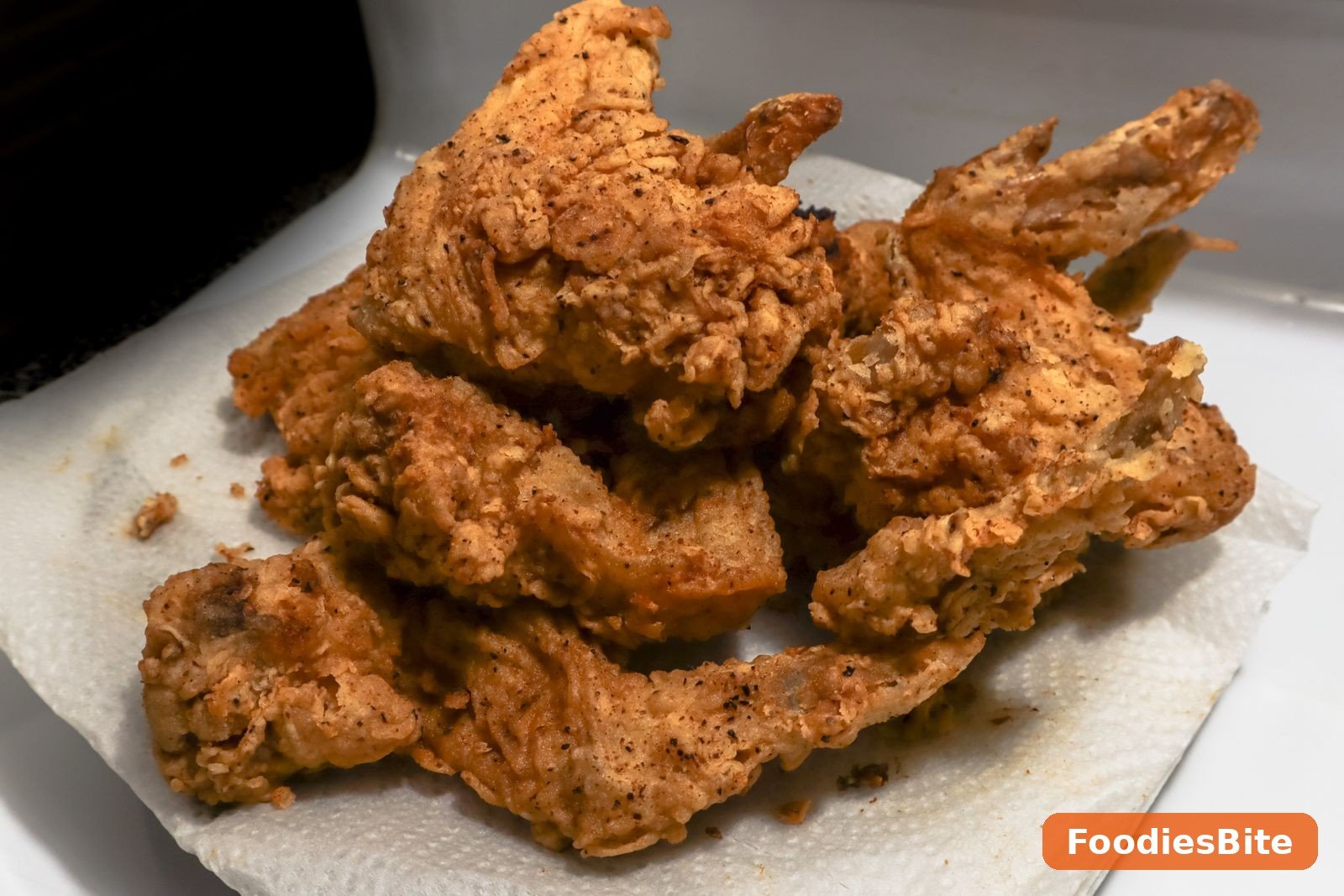
The best cuts for crispy chicken are thighs and breast strips. Thighs stay juicy and forgive slightly longer cooking; breast strips cook fast and suit quick dinners. Chicken breast cut into even strips or pounded to an even thickness cooks evenly and crisps uniformly, which is exactly what you want.
Pat the chicken dry before coating. Moisture on the surface makes coatings slide off and turn gummy. Season the chicken itself, not just the coating, so the flavour runs all the way through. A brief rest after coating — ten minutes on a rack or plate — helps the coating set and stick, so less of it falls off during cooking.
Food safety is simple: cook chicken to 74°C (165°F) at the thickest point, measured with a thermometer, or check that the meat is white throughout with clear juices. Crispy coatings can hide undercooked meat, so never judge by colour alone.
Three Ways to Cook It
The pan method is the classic. Heat a shallow layer of oil — about a centimetre deep — in a heavy skillet over medium-high heat. When the oil shimmers, lay the chicken in a single layer without crowding, and cook for four to five minutes per side until deeply golden. Drain on a rack, not on kitchen paper, so the underside stays crisp. Rest for a few minutes before serving.
The oven method is the most hands-off. Heat the oven to 220°C (425°F), place coated chicken on a rack over a baking tray, and spray or drizzle lightly with oil. Bake for twenty to twenty-five minutes, turning once, until golden and cooked through. The rack is essential: it lets hot air circulate underneath, so the bottom crisps instead of steaming.
The air fryer method is the fastest. Preheat to 200°C (400°F), arrange the chicken in a single layer with space between pieces, spray lightly with oil, and cook for twelve to fifteen minutes, turning halfway. Air fryers excel at crisp coatings because the circulating hot air dries the surface aggressively. Cook in batches rather than crowding the basket, or the pieces will steam.
All three methods work with every coating above. Choose the pan for the best flavour, the oven for a crowd, and the air fryer for speed and ease.
Keeping It Crispy After Cooking
Crisp chicken goes soft for one main reason: trapped steam. Serving it on a plate lets steam collect underneath and soften the coating within minutes. A wire rack solves this completely — air circulates underneath and the crust stays crisp while the chicken rests.
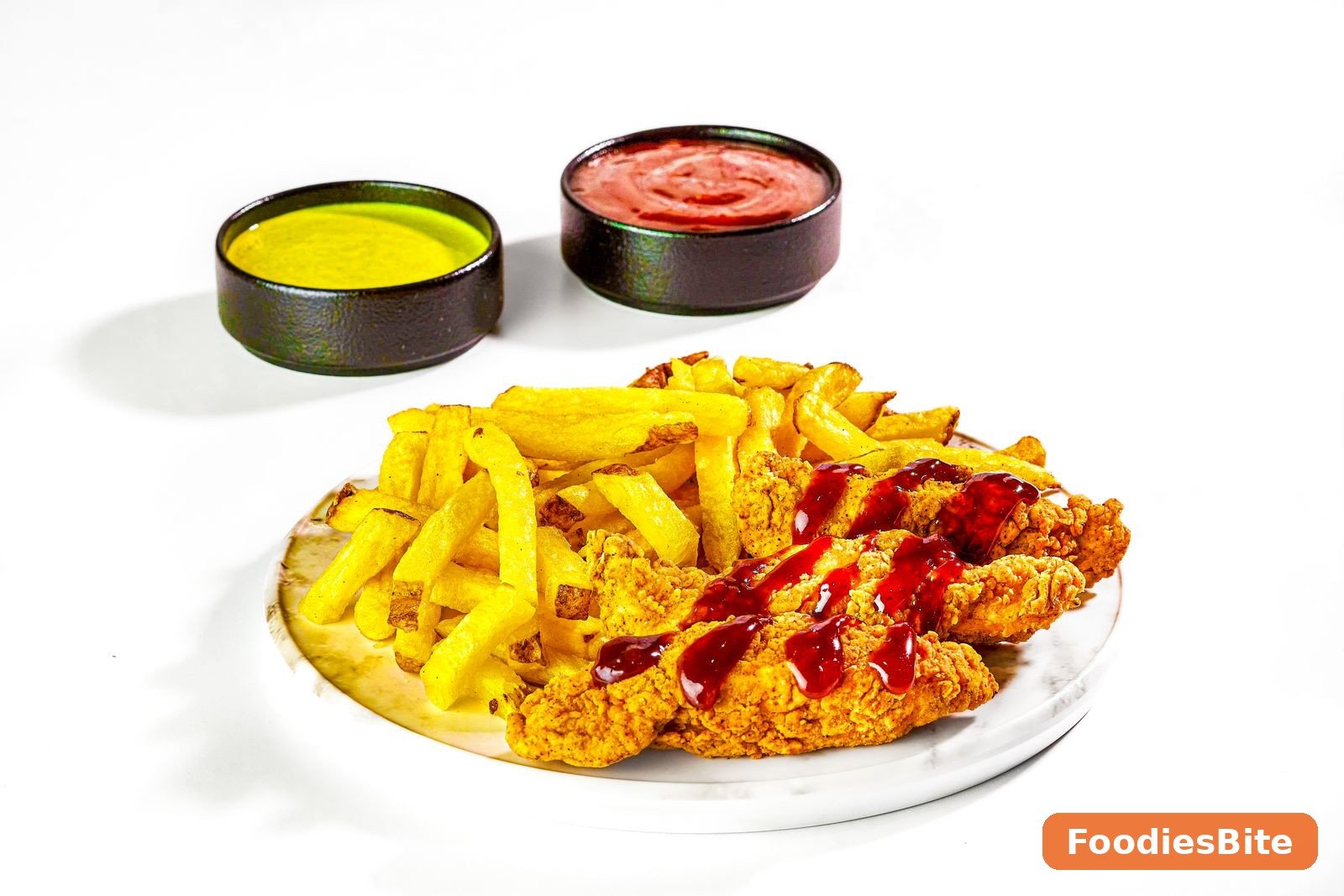
Sauces should go beside the chicken, never on top of it, until the moment of eating. A dip on the side keeps every bite crunchy, while sauce poured over the top softens the coating in seconds. The same applies to covering the chicken with foil to keep it warm: trapped steam is the enemy, so leave it uncovered on the rack if it must wait a few minutes.
Leftovers can be revived. Reheat crispy chicken in a hot oven or air fryer for a few minutes rather than in the microwave, which makes coatings soggy. It will not be quite as crisp as fresh, but it will be far better than a microwaved version.
Dips and Sides
A good dip makes crispy chicken feel complete. The simplest options need no cooking: garlic mayonnaise, honey mustard, barbecue sauce, or a quick yoghurt dip with lemon and herbs. Keep the dip simple, because the chicken is the star.
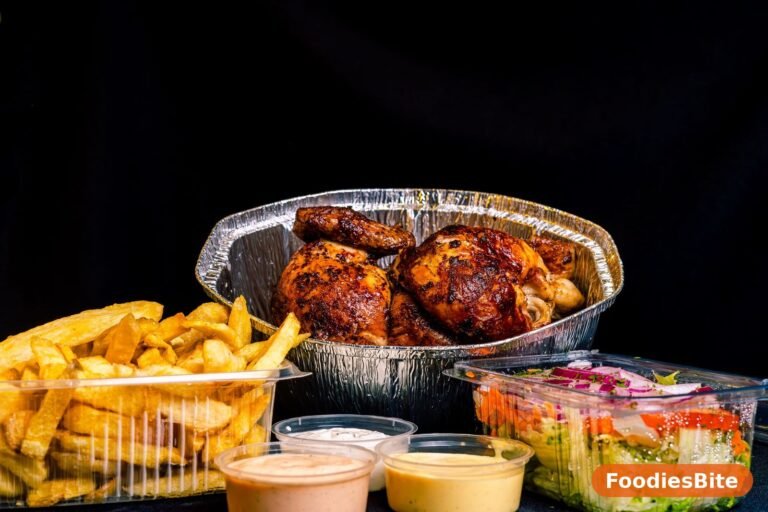
For sides, think contrast: a fresh salad, coleslaw, or pickled vegetables cut through the richness of fried food beautifully. Chips or roasted potatoes double down on comfort, while corn on the cob or green beans keep the plate lighter. Any of these work, and none of them need more than a few minutes.
If you are new to pan cooking, our guide to skillet chicken for beginners covers the heat and timing basics, and our one-pan chicken dinner is another easy stovetop option. More ideas live in the Chicken Recipes collection and on the FoodiesBite homepage.
Flavour Variations for the Coating
Once the basic coating works, changing its flavour is easy and costs nothing extra. The flour mixture is a blank canvas, and small changes produce noticeably different chicken. For a Southern-style flavour, add paprika, garlic powder, onion powder, and a pinch of cayenne to the flour, plus a little dried thyme. For a Mediterranean version, use dried oregano, lemon zest, and black pepper. For an Asian-inspired crunch, add five-spice powder and a little sesame to the coating, and serve with a soy-based dip.
Heat lovers can add chilli flakes or cayenne directly to the flour, but be careful with quantity — heat in a coating intensifies as it cooks, and a mixture that tastes mildly spicy raw can become fiery once fried. Start with half a teaspoon per cup of flour and adjust from there. Children and cautious eaters prefer the plain seasoned version, with hot sauce served on the side rather than built into the crust.
Herbs behave differently in coatings than in sauces. Dried herbs survive frying well and distribute evenly through the flour. Fresh herbs, chopped fine, can work in thicker coatings like crushed crackers, but they can burn in a thin flour crust at high heat. If you use fresh herbs, keep the cooking temperature moderate and watch the colour closely towards the end.
A final variation worth trying is a buttermilk soak. Soaking chicken in buttermilk, or in milk with a squeeze of lemon left for fifteen minutes, before coating adds tang and tenderness. The acid gently loosens the meat’s fibres, and the coating sticks better to the damp surface. It adds one step and one ingredient, but for a weekend version of this dinner, it is worth it.
Cooking for a Crowd
Crispy chicken scales well, but it needs a plan, because the last batch must be as crisp as the first. The oven is the best tool for crowds: cook batches in the pan or air fryer, then hold finished pieces on a rack in a low oven at about 120°C (250°F) while the rest cook. The rack keeps air circulating so the coating stays crisp, and the low heat keeps the chicken warm without drying it out. Never hold crispy chicken covered, or in a closed container, where steam softens it in minutes.
For a crowd, cut the chicken into smaller, even pieces so everything cooks in roughly the same time. Strips and small thigh pieces are better than whole breasts, which need longer and can dry out while waiting. Set up a coating station — egg wash, flour mixture, and a tray for coated pieces — and coat everything before you start cooking, so the frying stage is uninterrupted.
Serve buffet-style with dips on the side and simple sides that need no last-minute attention: coleslaw, a big salad, bread rolls, and pickles. The chicken is the star, and everything else should be ready before the first batch comes out of the pan. With a little organisation, crispy chicken for ten people is no harder than crispy chicken for two — it just needs more oil, more coating, and a warm oven waiting.
Frequently Asked Questions
Can I really get crispy chicken without breadcrumbs?
Yes. Seasoned flour, cornflour, crushed crackers, oats, or grated cheese all form crisp coatings. The key is a dry coating, hot cooking, and a rack for draining. Breadcrumbs are one option among many, not a requirement for crunch.
Why does my coating fall off during cooking?
Usually because the chicken was wet, the coating was not pressed on firmly, or the chicken was moved too early. Pat the chicken dry, press the coating on well, let it rest for ten minutes before cooking, and leave the pieces undisturbed until the crust sets.
Which method gives the crispiest result?
The air fryer usually wins for pure crunch, because circulating hot air dries the coating aggressively. The pan gives the best flavour, thanks to direct contact with hot oil. The oven is best for large batches. All three produce genuinely crispy chicken when the pieces are not crowded.
How do I know the chicken is cooked through?
Use a thermometer: 74°C (165°F) at the thickest point. Without one, cut into the thickest piece — the meat should be white throughout with clear juices and no pink. Never judge by the colour of the coating, which browns well before the meat is done.
Can I make crispy chicken ahead of time?
You can coat the chicken a few hours ahead and keep it covered in the fridge, which actually helps the coating set. Cook it just before serving for the best crunch, and reheat leftovers in a hot oven or air fryer rather than the microwave.
One Comment