
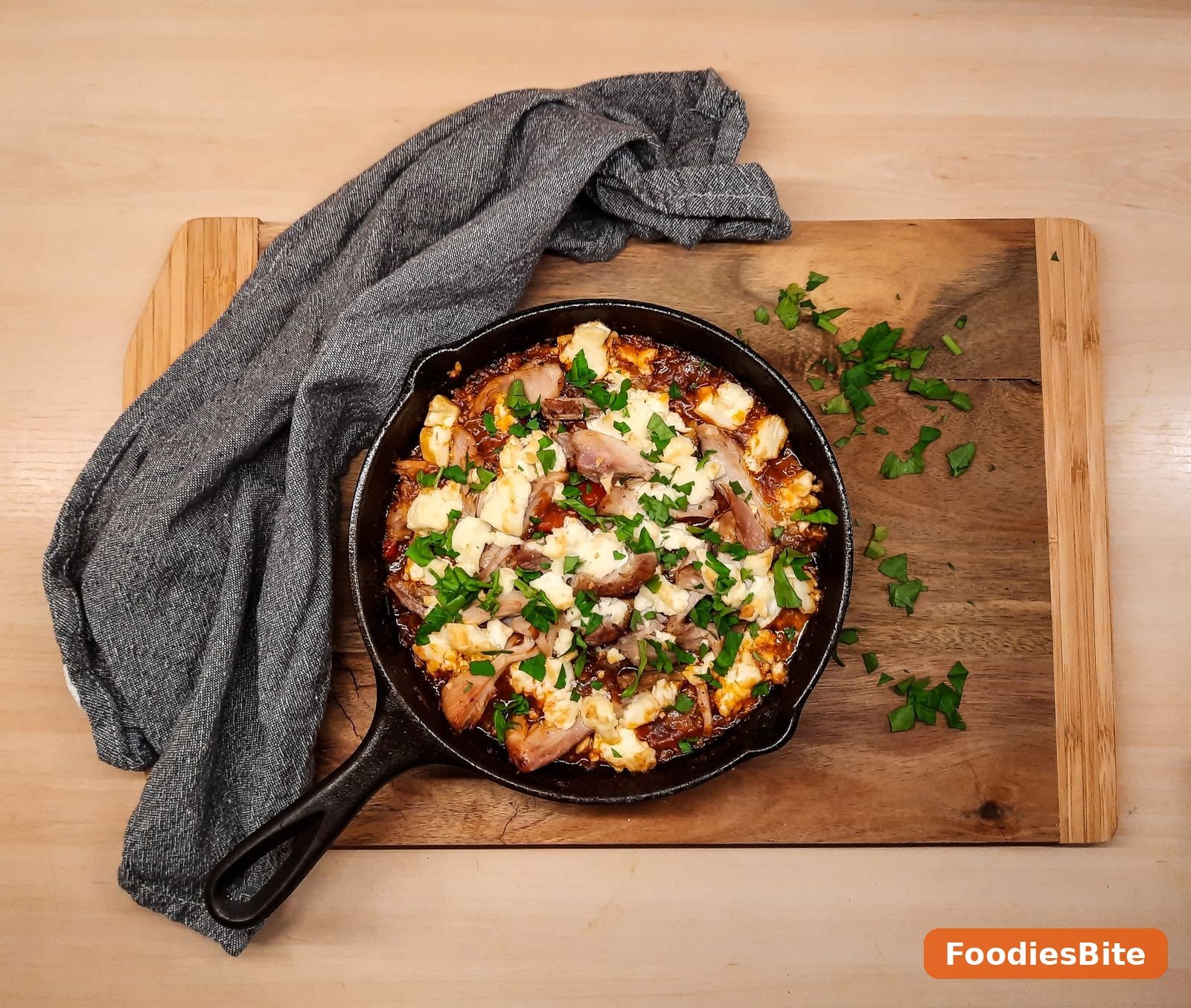
One Pan Chicken Dinner Without Oven: An Easy, Delicious Meal for Busy Nights
Some evenings ask very little of a cook: something warm, something filling, and not much washing up afterwards. A one pan chicken dinner without an oven delivers exactly that. Everything cooks in a single skillet on the stovetop — the chicken, the vegetables, and the sauce — so dinner comes together in about half an hour and the only dish waiting at the end is the pan itself.
This style of cooking suits real life. Maybe the oven is busy, or broken, or you simply do not want to heat a whole oven for one meal. Maybe you are cooking in a small kitchen, a rented flat, or a hot summer evening when the last thing you want is more heat in the room. A stovetop pan solves all of that, and it often produces a better result than the oven would, because you can watch the food, adjust the heat, and build flavour directly in the pan.
Chicken as food has been a weeknight staple for generations because it is affordable, quick to cook, and happy with almost any seasoning. In a one-pan dinner, that versatility shines: the same basic method works with thighs or breasts, with potatoes or rice, with Mediterranean herbs or a simple garlic and lemon finish. Learn the method once, and you can change the dinner every night of the week without learning a new recipe.
This guide walks through the whole approach: choosing the pan, picking the right cut, the step-by-step method, five reliable combinations, and the small mistakes that spoil an otherwise easy dinner. If you are just starting out with skillet cooking, our guide to skillet chicken recipes for beginners covers the basic techniques in more detail, and you can find more ideas in the full One-Pan & Skillet Meals collection.
Why One Pan Works So Well
The obvious benefit is fewer dishes, but the real benefit is flavour. When chicken browns in a hot pan, it leaves behind browned bits stuck to the base. Those bits are concentrated savoury flavour, and when you pour in a little stock or water, they dissolve into a sauce that tastes far richer than the effort involved. In the oven, that flavour stays on the roasting tray and often gets thrown away. On the stovetop, it becomes dinner.
One-pan cooking also gives you control that an oven cannot. You can see the colour developing, hear the sizzle, and turn the heat up or down instantly. If the vegetables need longer, you give them longer. If the sauce is reducing too fast, you add a splash of water. Nothing is hidden behind a closed door, so nothing overcooks unnoticed.
There is a time benefit too. A skillet heats in two or three minutes, while an oven needs ten or fifteen just to preheat. For a busy night, that difference matters. From fridge to table, most one-pan chicken dinners take thirty to forty minutes, including preparation, and much of that time is hands-off simmering while you set the table.
Choosing the Pan
The pan matters more than any other piece of equipment here. A heavy-bottomed skillet, about 28 to 30 centimetres across, is ideal. Heavy means even heat: no hot spots that burn one piece while another stays pale. A lid matters as well, because covering the pan traps steam and finishes cooking the chicken gently without drying it out. If your skillet has no lid, a large plate or a baking tray set on top works fine.
Cast iron, stainless steel, and good non-stick all work, with small differences. Cast iron browns beautifully and holds heat, but it is heavy and needs care. Stainless steel gives the best browned bits for pan sauce, but food can stick if the pan is not hot enough before the chicken goes in. Non-stick is the most forgiving for beginners and the easiest to clean. Whatever you own already is the right pan to start with — do not buy new equipment for a dinner that is supposed to be simple.
Size matters more than material. If the pan is too small, the chicken pieces crowd together, steam instead of browning, and stay pale and soft. Cook in two batches if needed, or use a larger pan. The pieces should sit in a single layer with a little space around each one. That single detail makes more difference to the result than any seasoning.
Choosing the Chicken
Boneless, skinless thighs are the most forgiving choice for one-pan dinners. They stay juicy even if they cook a little long, they brown well, and they taste rich. Chicken breasts work too, but they dry out faster, so they need gentler heat and a little less time. If you use breasts, pound the thicker end slightly so the piece cooks evenly, or slice thick breasts in half horizontally.
Bone-in pieces also work and add flavour, but they need longer cooking — around thirty minutes of covered simmering rather than fifteen. Whatever cut you choose, pat the chicken dry with kitchen paper before it goes into the pan. Dry skin and dry surfaces brown; wet surfaces steam. Season simply: salt, pepper, and whatever herbs you like. The pan sauce and vegetables will add the rest of the flavour.
Food safety is straightforward and non-negotiable: chicken must reach 74°C (165°F) at its thickest point. A small instant-read thermometer removes all guesswork and costs less than one ruined dinner. If you do not have one, cut into the thickest piece — the juices should run clear and the meat should be white all the way through, with no pink remaining.
The One-Pan Method, Step by Step
Start by preparing everything before the pan gets hot. Cut the chicken into even pieces, chop the vegetables, and measure the liquid. Once cooking starts, things move quickly, and stopping to chop an onion while chicken browns is how dinners burn.
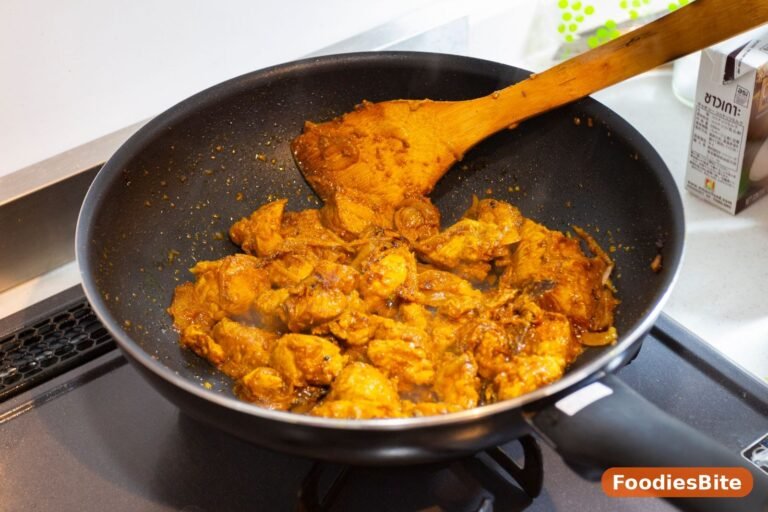
Heat a tablespoon of oil in the skillet over medium-high heat until it shimmers. Lay the chicken in a single layer and leave it alone for four to five minutes. Do not move it, do not poke it. That undisturbed contact is what creates the golden crust. When the underside is well browned, turn the pieces and brown the other side for three or four minutes.
Remove the chicken to a plate for a moment and add the vegetables to the same pan — onions first, then harder vegetables like carrots or potatoes, then softer ones like peppers or courgettes. Stir them through the browned bits and the remaining fat, which carries a great deal of flavour. After a few minutes, pour in about a cup of stock, water, or tinned tomatoes, scraping the base of the pan to lift those browned bits into the liquid.
Return the chicken to the pan, nestling it among the vegetables. Cover with the lid, reduce the heat to low, and simmer gently for twelve to twenty minutes, depending on the size of the pieces. Check the chicken is cooked through, taste the sauce, adjust salt and pepper, and finish with fresh herbs or a squeeze of lemon if you like. Dinner is ready, and there is one pan to wash.
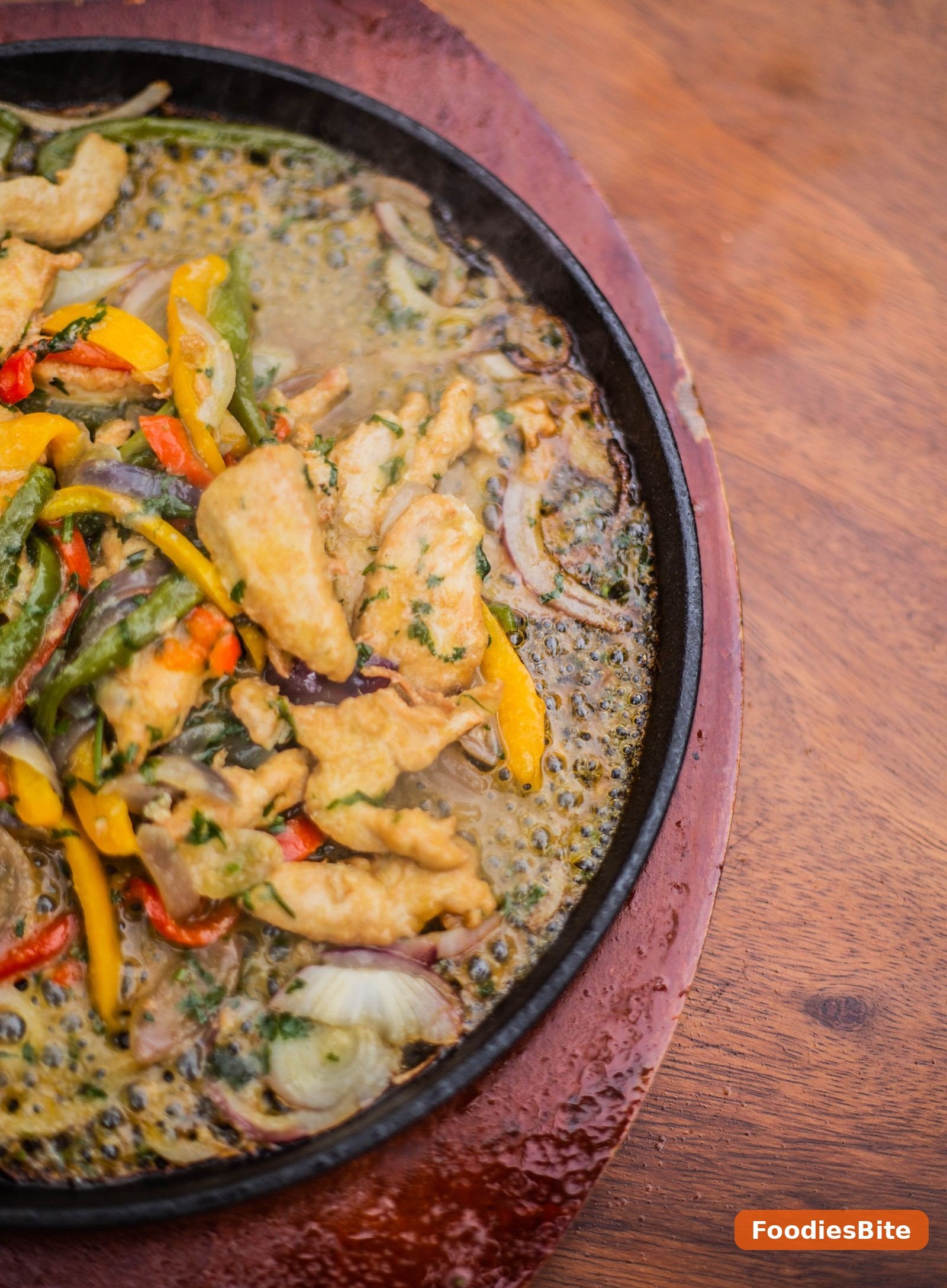
Five One-Pan Combinations to Try
The method above is a template, and the combinations below are starting points. Change the vegetables and seasoning to whatever you have, and each one becomes a different dinner.
Lemon, garlic, and green beans is the lightest combination. Brown the chicken, add sliced garlic and green beans, pour in stock with lemon juice, and simmer until the beans are tender. Finish with lemon zest and parsley. It tastes bright and fresh, and it pairs well with bread or rice.
Tomato, pepper, and basil is the Mediterranean version. After browning the chicken, add peppers and a tin of chopped tomatoes, a pinch of dried oregano, and simmer until the sauce thickens. A handful of basil at the end lifts the whole dish. Serve it with crusty bread for the sauce.
Creamy mushroom is the comfort option. Cook sliced mushrooms in the pan after the chicken, add a splash of stock and a few spoonfuls of cream or cream cheese, and simmer until the sauce coats a spoon. It is rich without being heavy, and it works beautifully with mashed potatoes or pasta.
Potato and rosemary is the most filling combination. Cut potatoes into small cubes so they cook through in the pan, add rosemary and garlic, and simmer in stock until the potatoes are tender and the sauce has thickened around them. This is a complete meal from one pan, with no side dish needed.
Soy, ginger, and vegetables is the quickest route to an Asian-inspired dinner. After browning the chicken, add vegetables like peppers, carrots, and broccoli, pour in a mixture of soy sauce, a little honey, and grated ginger, and simmer briefly so the vegetables stay crisp. Serve over rice or noodles.
Each of these follows the same steps, so once you have cooked one, you have effectively cooked all five. That is the quiet power of one-pan cooking: a single method, endless dinners.

Common Mistakes and How to Avoid Them
The most common mistake is crowding the pan. When pieces sit shoulder to shoulder, moisture cannot escape, the temperature drops, and the chicken steams instead of browning. The result is pale, soft chicken and a thin sauce. Give each piece space, cook in batches if you must, and the browning — and the flavour — will follow.
The second mistake is cooking on too high a heat for the whole time. High heat is right for the initial browning, but the simmering stage needs gentle heat. A furious boil toughens chicken and reduces the sauce to nothing before the vegetables are cooked. Turn the heat down once the lid goes on, and let time do the work.
The third mistake is under-seasoning the sauce. Taste before serving, every time. A sauce that tastes flat usually needs salt first, then acid — a squeeze of lemon or a splash of vinegar — rather than more herbs. Season in layers: salt the chicken, salt the vegetables, and adjust the sauce at the end.
The fourth mistake is skipping the rest. Letting the pan sit covered off the heat for five minutes before serving lets the juices settle and the sauce thicken slightly. It is a small wait that noticeably improves the result.
What to Serve With It
Many one-pan dinners need no side dish at all, especially those with potatoes or rice cooked in the pan. When the pan holds only chicken and vegetables, the simplest partners are the best: crusty bread for scooping up sauce, plain rice, or a quick green salad. Keep the side simple, because the pan has already done the interesting work.
For a lighter meal, serve a smaller portion of chicken with a larger salad. For a hungrier table, add bread and a second vegetable. The point of a one-pan dinner is ease, so the side dish should never become a second project.
Storing and Reheating
Leftovers keep well in the fridge for three days in a sealed container, and they often taste better the next day as the sauce develops. Reheat gently in a covered pan with a splash of water or stock, rather than in the microwave at full power, which can toughen the chicken. If you want to freeze portions, cool them completely first, freeze in single-meal containers, and use within two months. Thaw overnight in the fridge before reheating.
One-pan dinners also suit meal prep. Cook a double batch on Sunday, eat half for dinner, and pack the rest for lunches. The same pan, the same effort, and two days of meals — which is the real reason this style of cooking earns its place in a busy kitchen.
If you like cooking with very few ingredients, our guide to chicken breast recipes with few ingredients follows the same simple philosophy, and the FoodiesBite homepage has more easy dinners for busy nights. A frying pan is the only special equipment this dinner asks for, and it is one most kitchens already own.
Frequently Asked Questions
Can I make a one-pan chicken dinner without any oven at all?
Yes, completely. The whole dinner cooks on the stovetop: browning over medium-high heat, then a covered simmer on low heat until the chicken is cooked through. No oven is needed at any stage, which is why this method suits small kitchens, hot weather, and evenings when the oven is busy or out of order.
Which chicken cut works best for one-pan dinners?
Boneless, skinless thighs are the most forgiving because they stay juicy even if they cook slightly too long. Breasts also work but need gentler heat and careful timing to avoid drying out. Bone-in pieces add flavour but need a longer simmer, around thirty minutes. Whichever cut you choose, cook it to 74°C (165°F) at the thickest point.
How do I stop the chicken from sticking to the pan?
Make sure the pan and oil are properly hot before the chicken goes in, pat the chicken dry, and leave it undisturbed for several minutes so a crust forms. Food releases naturally once it is browned. If you use stainless steel, wait for the oil to shimmer before adding the chicken, and resist the urge to move it early.
Can I add rice or pasta to the same pan?
Yes, with a little extra liquid. Rice needs about a cup and a half of stock per cup of rice and twenty minutes of covered simmering. Small pasta shapes work similarly but need stirring so they do not stick. Add the rice or pasta with the liquid, keep the lid on, and check towards the end so it does not dry out.
How long does a one-pan chicken dinner take from start to finish?
Most versions take thirty to forty minutes in total, including preparation. Browning takes about eight minutes, vegetables take five, and the covered simmer takes twelve to twenty minutes depending on the size of the chicken pieces. It is one of the fastest routes to a proper homemade dinner.



3 Comments