
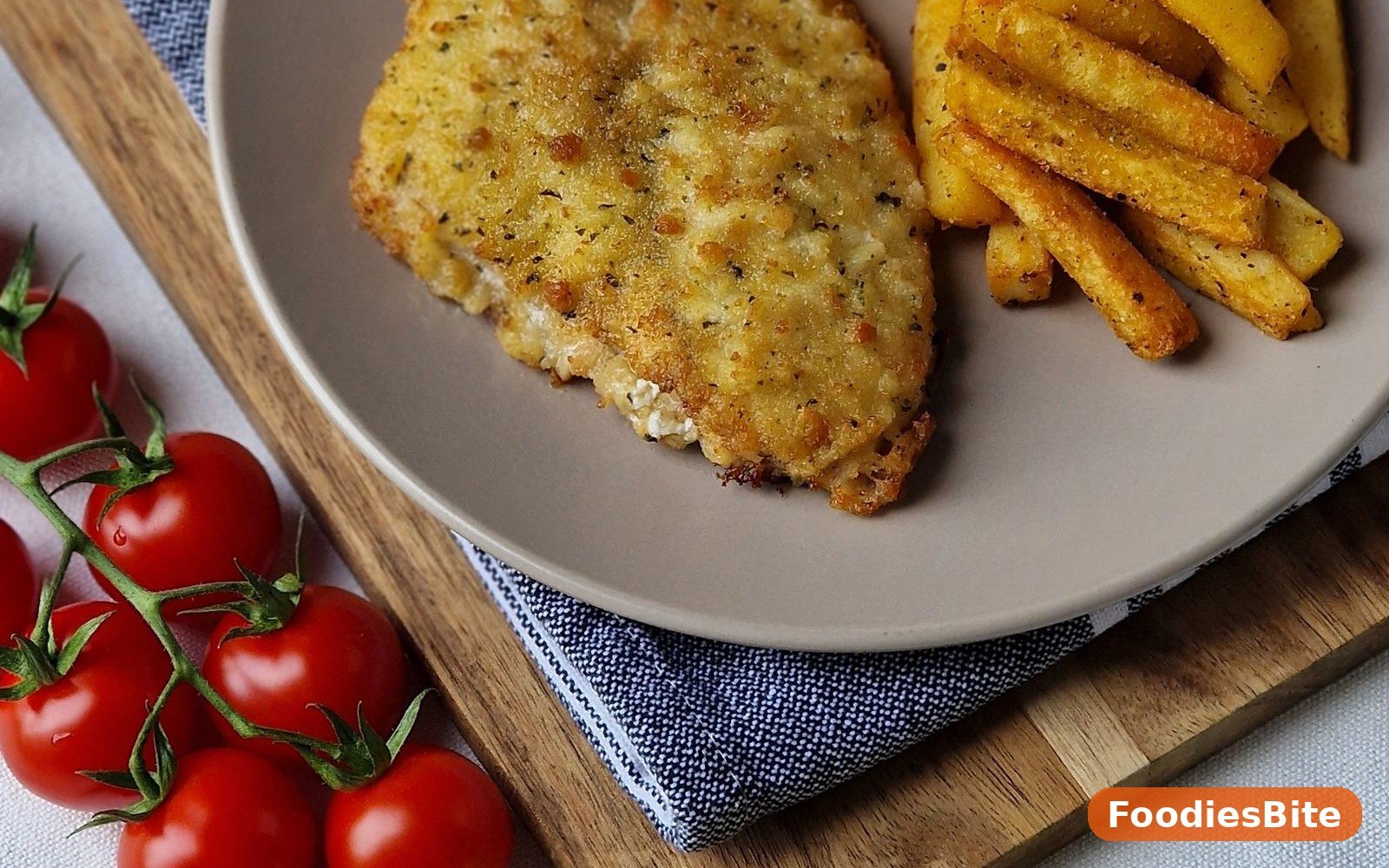
Air Fryer Fish and Chips
Air fryer fish and chips is the dinner that finally lets you have the chip shop at home — crispy, golden battered fish, fluffy fries, a squeeze of lemon, and a dollop of tartar sauce — without a pot of hot oil, without the smell lingering in the house for two days, and without the mess. The air fryer does something wonderful to battered fish: the hot, circulating air crisps the coating until it shatters, while the fish inside stays moist and flaky. And the chips come out golden and crisp with just a spoonful of oil. It is not a compromise version of fish and chips. It is a genuinely great one.
I grew up eating fish and chips from a little shop by the sea, the kind of place where the fish was wrapped in paper and the chips were so hot you had to juggle them between your hands. For years, I assumed that was something you could only get from a chip shop — that making it at home meant deep frying, which meant a litre of oil, a splattering stove, and a kitchen that smelled like a fryer for a week. Then I tried the air fryer, and I was honestly surprised. The first batch was not perfect — the batter was a little pale on the bottom, and I had crowded the basket — but the second batch, with a little more oil spray and a little more space, was properly crispy. Now it is a regular Friday dinner in our house, and the kids genuinely prefer it to the takeaway version.
What makes this recipe work is the coating. Instead of a wet batter, which drips off in an air fryer and makes a mess of the basket, this recipe uses a dry coating: seasoned flour, then egg, then a crisp breadcrumb crust. It sticks to the fish, it crisps beautifully in the hot air, and it gives you that satisfying crunch when you bite into it. The chips are just as important, and they get their own treatment: soaked to remove excess starch, tossed in a little oil, and cooked in the air fryer until golden. Together, they make a plate that looks and tastes like the real thing. If you are new to air frying, our air fryer chicken drumsticks are another great place to start — same crispy, juicy idea, different protein.
This is also a wonderfully practical dinner. The whole meal takes about thirty minutes, most of it hands-off while the air fryer does its work. There is no deep frying, no oil to dispose of, and the cleanup is a basket and a cutting board. It is lighter than the chip shop version, but it does not feel like diet food — it feels like a treat. And if you are feeding a family, you can cook the fish and chips in batches and keep them warm in a low oven while the rest cooks. For more air fryer inspiration, the air fryer recipes collection at BBC Good Food is full of ideas.
Why You’ll Love This Recipe
The first reason is the crunch. A good fish and chips is all about texture: the shattering crispness of the coating, the soft flakiness of the fish inside, the golden crunch of the chips. This recipe delivers all of that, and the air fryer is genuinely the right tool for it. The hot, circulating air crisps the coating evenly on all sides, and a light spray of oil helps it brown to a deep golden color. When you cut into the fish and hear that little crackle, you will know it worked.
The second reason is that it is so much lighter than deep-fried fish and chips. A chip shop fish is cooked in a vat of oil, and while that is delicious, it is also heavy. This version uses a couple of tablespoons of oil in total, and the result is still crispy, still golden, still satisfying — just without the greasiness that sits in your stomach afterwards. It is the kind of dinner you can eat on a Friday night and still feel good about on Saturday morning. If you like crispy food without the deep fryer, you will also love our crispy potatoes without breadcrumbs, which use a similar technique to get golden, crunchy potatoes.
It is also a fast, family-friendly dinner. Kids love fish and chips — the crispy coating, the chips, the ketchup — and this version is easy to adapt for them. Leave the spice out of the coating, cut the fish into smaller strips like fish fingers, and serve with their favorite dip. Adults can have the full version with tartar sauce, malt vinegar, and a squeeze of lemon. Everyone eats the same dinner, and everyone is happy. That is a rare and valuable thing.
Finally, it is a one-appliance meal with almost no washing up. The air fryer basket, a couple of shallow dishes for the coating, a cutting board, and a knife. That is the whole cleanup. On a Friday night, when the week has been long and the last thing you want is a sink full of dishes, that matters almost as much as the flavor. Serve it with a simple salad or some peas, and dinner is done.
Ingredients You’ll Need
For four servings of air fryer fish and chips, you will need about one and a half pounds of white fish fillets — cod, haddock, or pollock are the classic choices — cut into four to six even pieces. You will also need half a cup of all-purpose flour, one teaspoon of paprika, half a teaspoon of garlic powder, half a teaspoon of salt, half a teaspoon of black pepper, two large eggs beaten, one and a half cups of panko breadcrumbs, and cooking spray or a tablespoon of oil for spraying. For the chips, gather two large russet potatoes, about one and a half pounds, cut into thick chips, one tablespoon of olive oil, half a teaspoon of salt, and half a teaspoon of paprika. For serving, you will need lemon wedges, malt vinegar, and tartar sauce — store-bought is fine, or make a quick version with mayonnaise, chopped pickles, a squeeze of lemon, and a little dill.
Cod is the classic choice for fish and chips, and for good reason: it is mild, flaky, and holds up well to the coating. Haddock is a close second, with a slightly sweeter flavor. Pollock is a more affordable option and works well too. Whatever fish you use, make sure the fillets are roughly the same thickness so they cook evenly, and pat them very dry with paper towels before coating — wet fish makes the coating slide off. If your fillets are very thick, you may need an extra minute or two in the air fryer. Fresh fish is best, but thawed frozen fish works fine too, as long as it is completely thawed and patted dry.
Panko breadcrumbs are the key to the crispy coating. They are lighter and crunchier than regular breadcrumbs, and they brown beautifully in the air fryer. You will find them in the Asian food aisle or the breadcrumb section of most supermarkets. If you cannot find panko, regular breadcrumbs will work, though the coating will be a little less crunchy. You can also crush up plain crackers or cornflakes for a different kind of crunch — both work surprisingly well. The seasoning in the flour is important too: paprika gives the coating a warm color and a gentle smokiness, garlic powder adds depth, and salt and pepper bring it all together. Taste the seasoned flour — it should taste well-seasoned on its own, because that is where the flavor comes from.
For the chips, russet potatoes are the best choice because they are starchy and fluffy inside, which is exactly what you want in a chip. Cut them into thick chips, about half an inch wide, so they stay soft inside while the outside crisps. Soaking them in cold water for twenty to thirty minutes removes excess starch and helps them crisp up — it is an extra step, but it makes a real difference. If you are short on time, you can skip the soak, but the chips will be a little less crispy. For more on getting potatoes golden and crisp, Serious Eats has a wonderful guide to crispy sweet potato fries that explains the science behind it.
How to Make Air Fryer Fish and Chips
Start with the chips, because they take longer than the fish. Cut the potatoes into thick chips, about half an inch wide, and soak them in a large bowl of cold water for twenty to thirty minutes. This removes excess starch from the surface, which helps the chips crisp up instead of going soft and soggy. Drain them well and pat them completely dry with a clean towel or paper towels — wet chips steam instead of crisping, and that is the enemy of good chips. Toss them in a bowl with the olive oil, salt, and paprika until they are evenly coated.
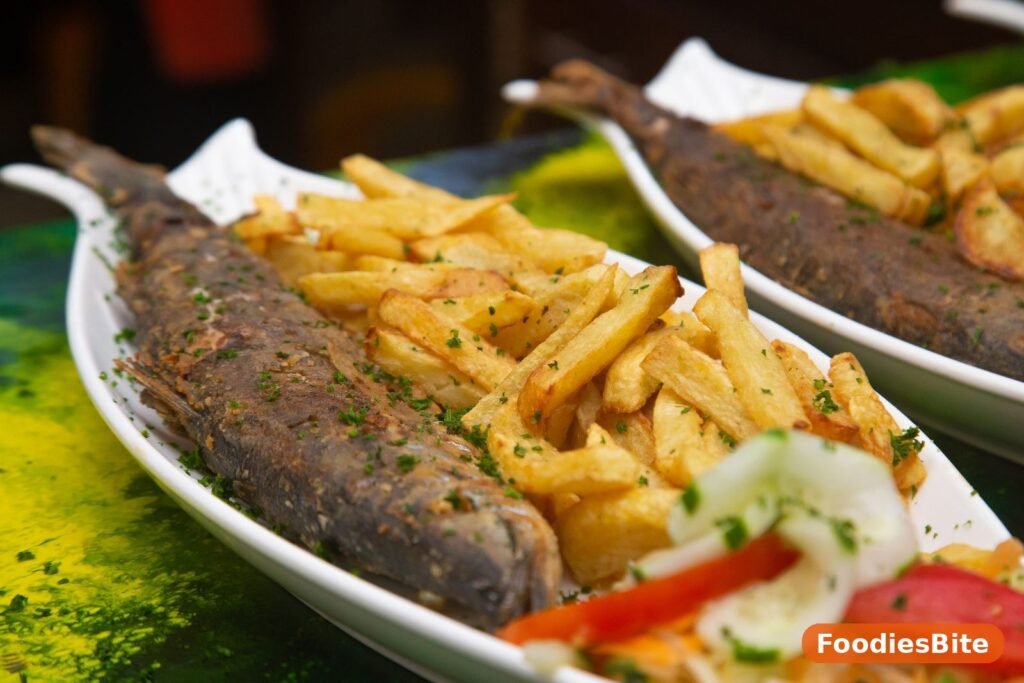
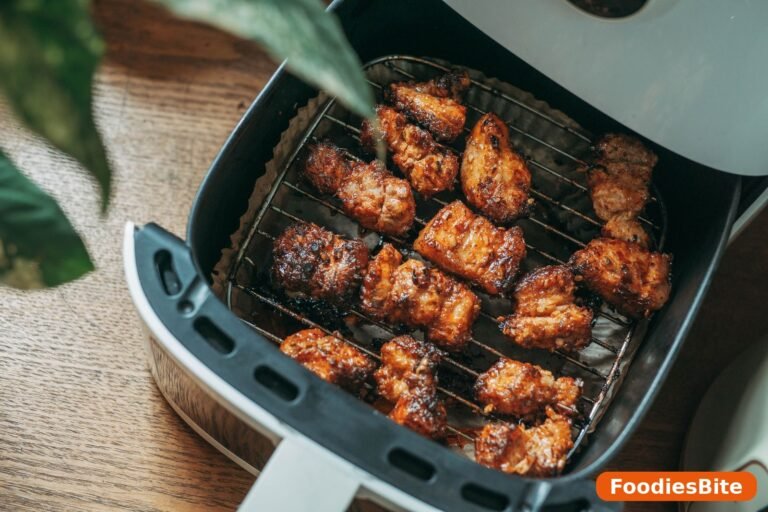
Preheat the air fryer to 400°F (200°C) for three to five minutes. A preheated air fryer cooks more evenly and crisps better, so do not skip this step. Spread the chips in a single layer in the basket, leaving space between them — crowded chips steam, and steamed chips are soggy. Cook them for fifteen minutes, shaking the basket or turning the chips halfway through, until they are golden and starting to crisp. They will not be fully done yet; they will go back in with the fish for the final cook. Remove them to a plate and keep them warm.
While the chips are cooking, prepare the fish. Set up three shallow dishes: one with the flour mixed with the paprika, garlic powder, salt, and pepper; one with the beaten eggs; and one with the panko breadcrumbs. Pat the fish fillets dry, then coat each one in the seasoned flour, shaking off the excess. Dip it in the egg, letting the excess drip off, then press it firmly into the panko, turning it over and pressing again so the crumbs stick well. Place the coated fillets on a plate and spray them lightly with cooking spray on both sides. The oil spray is important — it helps the coating brown and crisp instead of staying pale and dry.
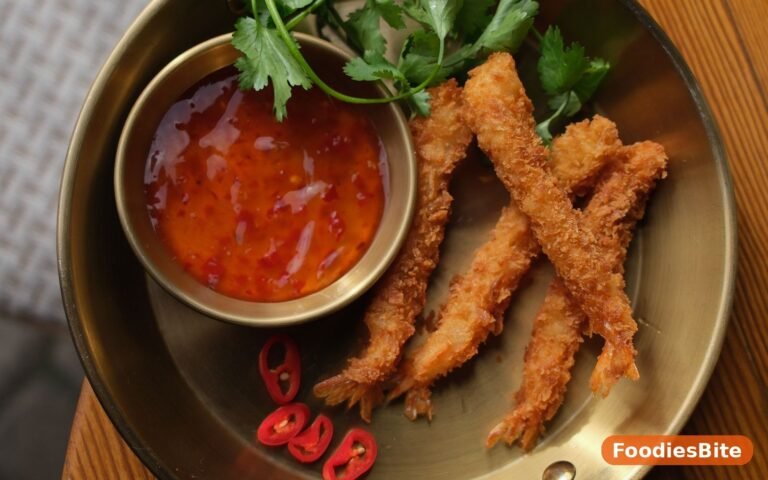
Place the fish in the air fryer basket in a single layer, leaving space between the fillets, and add the chips around them or in a second batch if your basket is small. Cook at 400°F for ten to twelve minutes, flipping the fish carefully halfway through, until the coating is deeply golden and crispy and the fish flakes easily with a fork. The fish is done when it reaches 145°F (63°C) at the thickest part and the flesh is opaque and flakes easily. Serve immediately with the chips, lemon wedges, malt vinegar, and tartar sauce. A squeeze of lemon over the fish just before eating is not optional — it brightens the whole plate. If you like crispy air fryer seafood, our air fryer coconut shrimp with sweet chili sauce uses the same coating technique and is just as good.
Tips for the Best Air Fryer Fish and Chips
The most important tip is to not crowd the basket. This is true for everything you cook in an air fryer, but it is especially important for fish and chips, because both need hot air circulating around them to crisp up. Cook in batches if you have to — the fish and chips stay warm in a low oven while the next batch cooks, and the difference between a crowded basket and a spacious one is the difference between soggy and crispy. If your air fryer is small, cook the chips first, keep them warm, then cook the fish.
The second tip is to spray the coating with oil. Panko breadcrumbs need a little fat to brown and crisp properly. Without oil, they stay pale and dry, and the coating tastes like cardboard. A light, even spray on both sides is enough — you do not need to drown them. If you do not have cooking spray, brush the fillets lightly with oil using a pastry brush. Either way, the oil is what turns a pale coating into a golden, crispy one.
Third, pat everything dry. Wet fish makes the coating slide off, and wet chips steam instead of crisping. Paper towels are your friend here: pat the fish dry before coating, and pat the chips dry after soaking. It takes an extra minute, and it is the difference between a coating that sticks and a coating that falls off into the basket. And press the panko onto the fish firmly — really press it in, on both sides — so it adheres well and does not fall off when you flip the fillets.
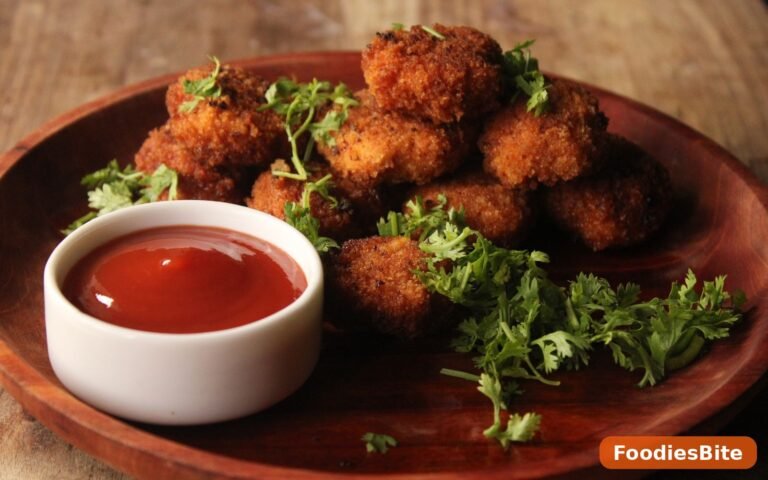
Finally, do not overcook the fish. White fish goes from perfectly flaky to dry and rubbery in about two minutes, so keep an eye on it. Start checking at ten minutes: the coating should be golden, and the fish should flake easily with a fork. If you have a thermometer, 145°F is the target. Thinner fillets will cook faster, thicker fillets slower, so adjust the time to your fish rather than to the clock. If you are new to air frying chicken as well, our air fryer chicken nuggets are a forgiving recipe to practice the same skills.
Variations to Try
The simplest variation is the fish. Cod and haddock are the classics, but pollock, tilapia, or even salmon all work well in the air fryer. Salmon makes a richer, more flavorful version, and it is wonderful with a dill tartar sauce. For a fish finger version that kids love, cut the fillets into strips before coating, cook them for eight to ten minutes, and serve them with ketchup and a small bowl of tartar sauce for dipping.
For a spicier coating, add a teaspoon of Old Bay seasoning, a pinch of cayenne, or a little chili powder to the seasoned flour. A Cajun-spiced version is excellent, especially with a remoulade sauce instead of tartar sauce. For a herby version, mix a tablespoon of chopped fresh dill or parsley into the panko, which adds a fresh, green flavor to the coating. And if you want a gluten-free version, use gluten-free flour and gluten-free panko — the method is exactly the same, and the result is just as crispy.
Sweet potato fries are a wonderful swap for regular chips: cut them the same way, toss them in oil and a little smoked paprika, and cook them in the air fryer for about twelve to fifteen minutes, shaking the basket halfway through. They are sweeter, a little softer, and a lovely change from regular chips. You can also serve the fish with a simple pea salad or mushy peas, the traditional chip shop accompaniment, and a wedge of lemon. A light beer or a glass of sparkling water with lemon is the perfect drink alongside.
Serving Ideas
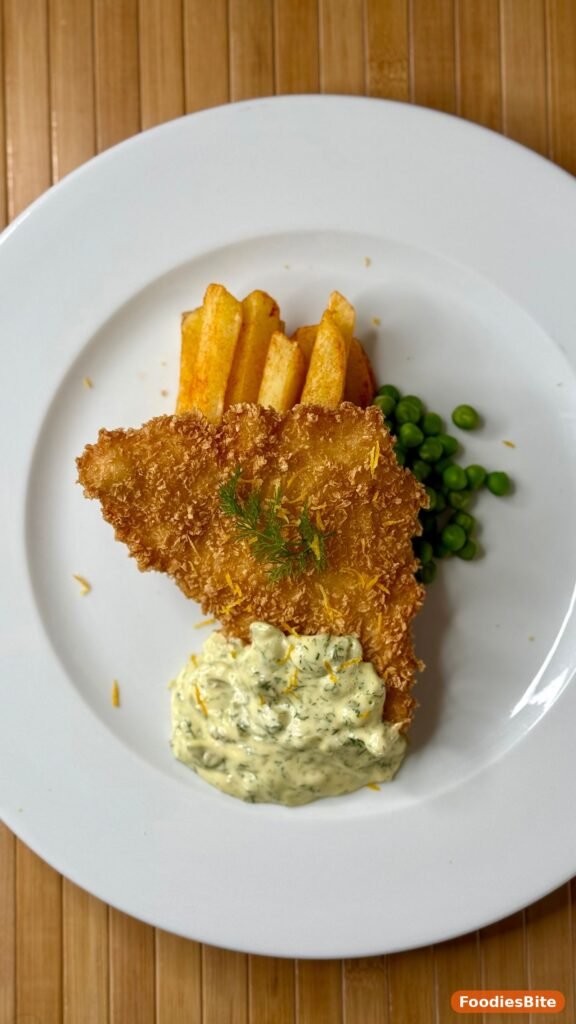
Fish and chips is a plate that needs very little help. Serve the fish and chips on a plate or in a paper-lined basket, with lemon wedges, malt vinegar, and tartar sauce on the side. A simple green salad or a handful of peas adds color and freshness, and a cold drink — a light beer, a glass of sparkling water, or a cup of tea, if you are feeling properly British — completes the meal. The traditional chip shop way is to eat it with your hands, straight from the paper, but a plate and a fork are perfectly fine too.
For a Friday night dinner, set the table with the fish and chips in the middle, a bowl of tartar sauce, a bottle of malt vinegar, and a pile of lemon wedges, and let everyone help themselves. Add a simple coleslaw or a cucumber salad for crunch, and you have a meal that feels like a celebration without any extra work. If you are serving kids, cut the fish into strips and serve them with ketchup — they will think it is the best dinner you have ever made.
As for condiments, tartar sauce is the classic, and a homemade version — mayonnaise, chopped pickles, a squeeze of lemon, and a little dill — takes two minutes and tastes far better than the bottled kind. Malt vinegar is the traditional chip shop condiment, and a splash over the chips is wonderful. Ketchup is always welcome, especially with the chips, and a little hot sauce on the fish is excellent if you like heat. Keep the sides simple: the fish and chips are the star, and they do not need much help.
Storage and Reheating
Leftover air fryer fish and chips are best eaten fresh, but they keep in the refrigerator for one to two days. Store the fish and chips separately in airtight containers, so the chips do not make the fish soggy. The coating will soften in the refrigerator — that is unavoidable — but it will crisp up again when you reheat it properly.
To reheat, the air fryer is the best tool. Place the fish and chips in the basket in a single layer and cook at 375°F for three to four minutes, until heated through and crispy again. The oven also works: place them on a baking tray in a 400°F oven for about eight minutes. Avoid the microwave, which will make the coating soft and chewy and the fish rubbery. If you must use it, reheat in short bursts and eat immediately, but the air fryer is so much better that it is worth the extra few minutes.
I would not freeze cooked fish and chips — the coating goes soft and the fish loses its texture when thawed. If you want to prep ahead, you can coat the raw fish and keep it in the refrigerator for a few hours before cooking, or freeze the coated raw fillets on a tray, then transfer them to a freezer bag. Cook them from frozen in the air fryer, adding three to four minutes to the cooking time. The chips are best made fresh each time, though you can cut and soak them a few hours ahead and keep them in cold water in the refrigerator until you are ready to cook.
Frequently Asked Questions
Can I use frozen fish for air fryer fish and chips?
Yes, as long as it is completely thawed first. Thaw the fish overnight in the refrigerator, or in a sealed bag under cold running water for about thirty minutes. Pat the fillets very dry with paper towels before coating — thawed fish releases a lot of moisture, and wet fish makes the coating slide off. If you try to cook the fish from frozen, the coating will cook before the fish thaws, and the result will be uneven. Thawed frozen fish works just as well as fresh fish in this recipe, as long as it is dry and the fillets are roughly the same thickness.
Why is my fish coating falling off in the air fryer?
The most common reason is that the fish was wet when you coated it. Pat the fillets very dry with paper towels before dredging them in flour, and make sure the flour coats the fish evenly — the flour is what helps the egg and breadcrumbs stick. Press the panko onto the fish firmly, on both sides, and let the coated fillets rest for five minutes before cooking, which helps the coating set. Spraying the coating lightly with oil also helps it adhere and crisp. And do not move the fish around too much in the basket — flip it once, gently, halfway through cooking, and otherwise leave it alone.
What is the best fish for fish and chips?
Cod is the classic choice: mild, flaky, and firm enough to hold up to the coating. Haddock is a close second, with a slightly sweeter flavor and a more delicate texture. Pollock is a more affordable option that works well, and tilapia is a good budget choice, though it is thinner and cooks faster. Salmon makes a richer, more flavorful version. Whatever fish you choose, look for thick, even fillets that are fresh and smell like the sea, not fishy. Avoid very thin fillets, which overcook quickly and dry out in the air fryer.
Can I make fish and chips without breadcrumbs?
Yes, you can. A simple seasoned flour coating — flour, paprika, garlic powder, salt, and pepper — makes a lighter, crispier crust that is closer to a traditional battered fish, though it will not be quite as crunchy as panko. Dip the fish in flour, then in egg, then in flour again for a double coating, and spray it well with oil before cooking. You can also use crushed cornflakes, crushed crackers, or even crushed potato chips for a different kind of crunch. Each one gives a slightly different texture, and all of them work in the air fryer.
How do I keep the chips crispy?
Soak the cut potatoes in cold water for twenty to thirty minutes to remove excess starch, then pat them completely dry before tossing them in oil. Cook them in a single layer in the air fryer basket, with space between them — crowded chips steam and go soggy. Shake the basket halfway through cooking so they brown evenly. And serve them immediately: chips lose their crispness quickly as they sit, especially if they are covered or piled on top of each other. If you need to keep them warm while the fish cooks, spread them on a baking tray in a low oven, uncovered, so the steam can escape.
What should I serve with air fryer fish and chips?
Tartar sauce, lemon wedges, and malt vinegar are the classics, and a simple green salad or a handful of peas adds freshness. Mushy peas are the traditional chip shop accompaniment, and a coleslaw adds crunch. Ketchup is always welcome with the chips, and a little hot sauce on the fish is excellent if you like heat. For drinks, a light beer, a glass of sparkling water with lemon, or a cup of tea all work well. Keep the sides simple — the fish and chips are the star of the plate.

2 Comments