Quick Chicken Dinner with Frozen Vegetables: Easy, Flavorful, and Ready in No Time
Some dinners need to be fast, filling, and made from whatever is already in the kitchen. A quick chicken dinner with frozen vegetables is exactly that kind of meal. Chicken from the fridge or freezer, a bag of frozen vegetables, a few seasonings, and one hot skillet — in about twenty-five minutes you have a colourful, flavourful dinner with barely any washing up.
This recipe is flexible by design. Use chicken breast or thighs, pick any frozen vegetable blend you like, and adjust the sauce to match your mood. It works for family dinners, for meal prep, and for those evenings when cooking feels like one task too many. This guide gives you the basic method, the variations, and the small tricks that make the difference between a plain skillet and one you will actually look forward to.
Why Frozen Vegetables Work So Well
Frozen vegetables are one of the most underrated shortcuts in home cooking. They are frozen at peak freshness, so they keep much of their colour, texture, and nutrition. They need no washing, peeling, or chopping, which saves ten minutes or more on a busy night. And unlike fresh vegetables, they never go soft in the fridge while you decide what to cook.
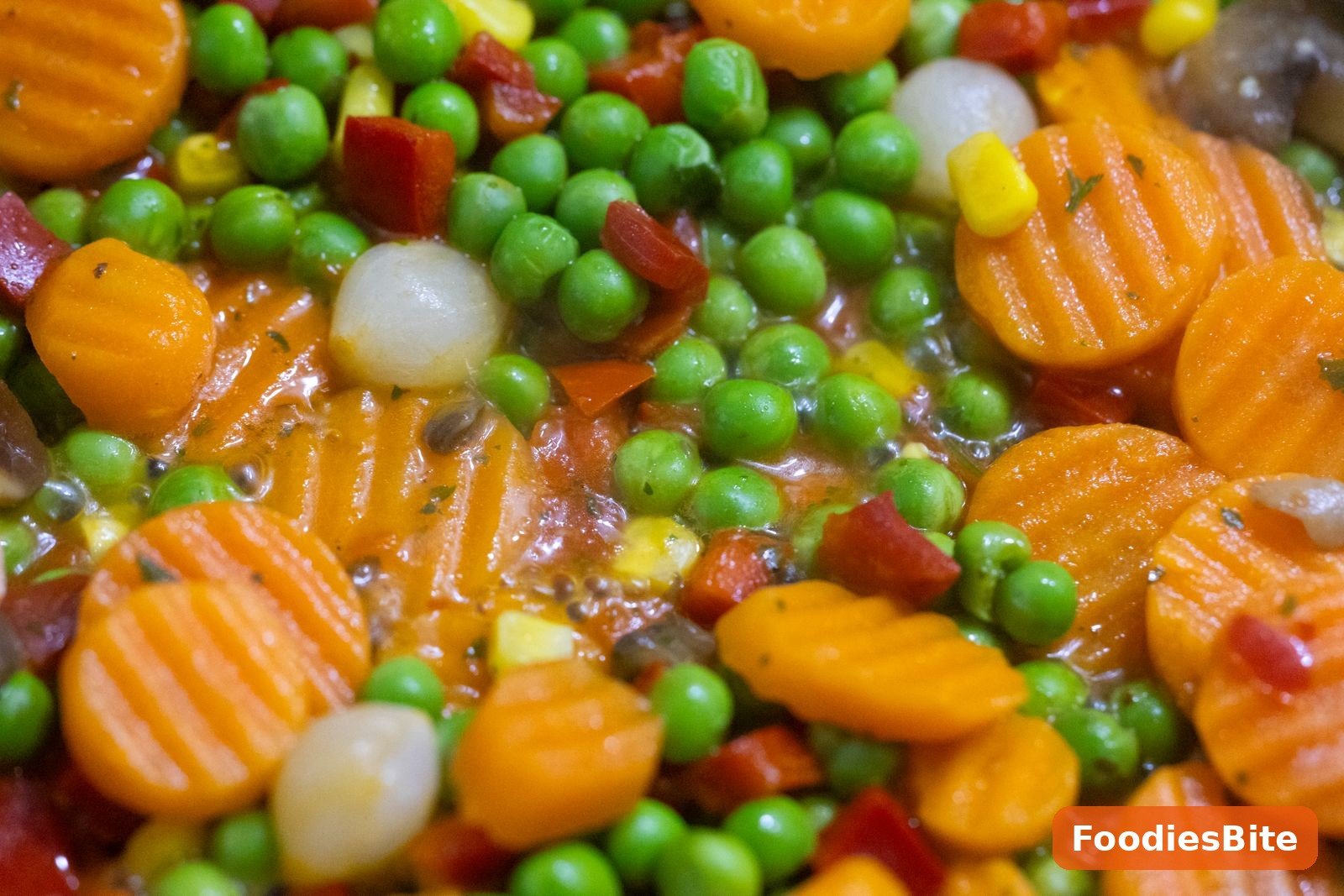
They also go straight from the bag into the pan. There is no thawing step, no extra bowl, and no planning ahead. Broccoli, peas, carrots, corn, green beans, bell peppers, and mixed blends all behave well in a hot skillet, and they cook in just a few minutes. Keep two or three bags in the freezer and you always have the vegetable half of dinner covered.
The other advantage is cost and waste. Frozen vegetables are usually cheaper than fresh out-of-season produce, and you use exactly what you need, resealing the bag for next time. For a household trying to eat well on a budget, that combination is hard to beat.
Choosing Your Chicken
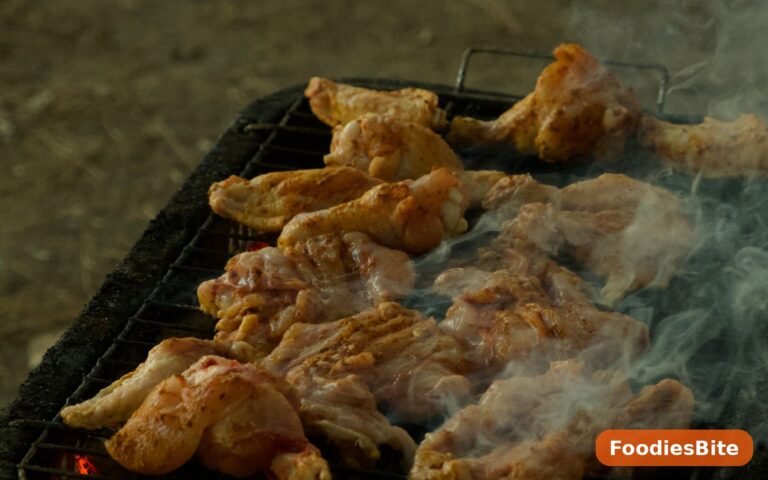
Both chicken breast and chicken thighs work beautifully here, and the choice comes down to preference. Breast meat is lean, cooks quickly, and slices neatly into strips. Thigh meat is juicier, more forgiving if you overcook it by a minute, and browns with a richer flavour. If you are cooking for children or prefer milder meat, breast is the safer pick. If you want the most flavour with the least fuss, thighs win.
Cut the chicken into even, bite-sized pieces before cooking — strips or cubes about the same size, so they cook at the same rate. Thin, even pieces also cook faster, which matters when dinner needs to be quick. Pat the pieces dry with kitchen paper before they hit the pan. A dry surface browns; a wet one steams, and browning is where much of the flavour comes from.
If your chicken is frozen, cook it thoroughly first using a suitable method, then slice it and add it to the skillet with the vegetables. Our easy meals with frozen chicken guide covers safe cooking times and the thermometer check — the thickest part should reach 74°C (165°F) — in detail.
The Basic 25-Minute Skillet Method
Heat a large skillet over medium-high heat with a tablespoon of oil. When the oil shimmers, add the chicken pieces in a single layer and leave them alone for a few minutes until the underside is golden. Crowding the pan is the most common mistake: too many pieces at once cool the pan and the chicken steams instead of searing. Cook in two batches if your pan is small.
Once the chicken is browned and cooked through, remove it to a plate. In the same pan, add a little more oil if needed, then garlic and onion, stirring for a minute until fragrant. Those browned bits left by the chicken are pure flavour — a splash of broth or water loosens them into the beginnings of a sauce.
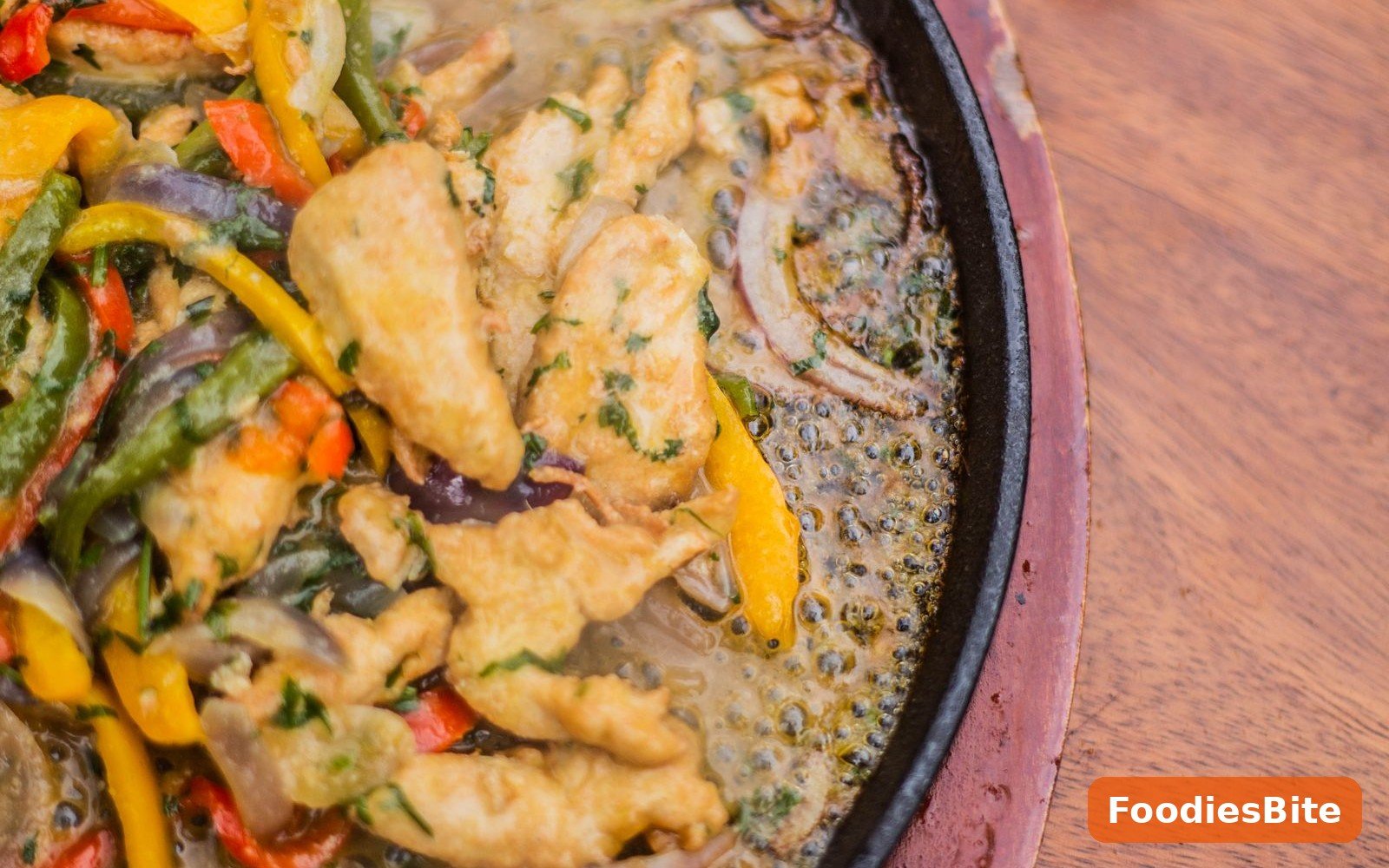
Now add the frozen vegetables straight from the bag. Stir them through the garlic and pan juices, cover the pan for two or three minutes so the steam helps them cook, then uncover and let any excess water evaporate. Return the chicken to the pan, pour over your sauce of choice, and toss everything together for a final minute or two until glossy and hot throughout.
Season at the end, not just at the start. A final pinch of salt, a grind of black pepper, and a squeeze of lemon or a drizzle of sesame oil can transform the dish. Taste before serving — frozen vegetables vary in saltiness, and the sauce may need adjusting.
The Stir-Fry Formula
The skillet method above is really a stir-fry formula, and once you know it, you can vary it endlessly. The pattern is simple: protein, aromatics, vegetables, sauce, and a base. Change any one element and dinner feels new.
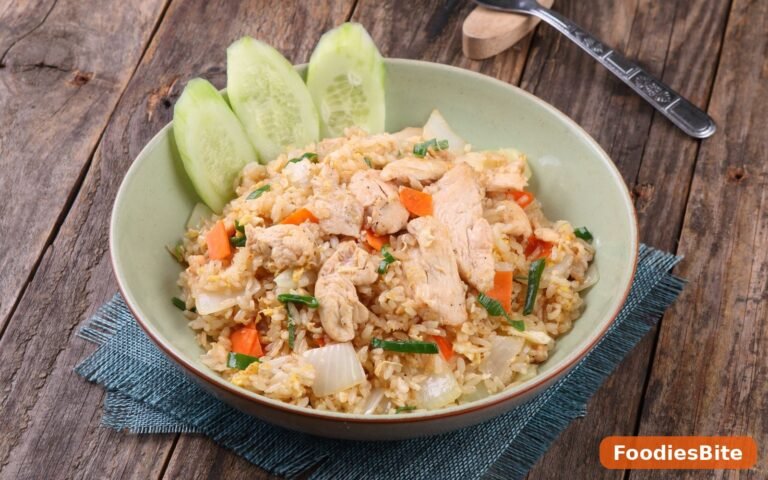
For aromatics, garlic and onion are the base, but ginger, chili, and spring onions each push the dish in a different direction. For vegetables, a stir-fry blend of broccoli, carrots, snap peas, and peppers gives colour and crunch, while a mixed bag of peas, corn, and carrots suits a simpler, family-friendly version. For the base, rice is the classic, but noodles, quinoa, or even a warm flatbread all work.
The sauce is where personality lives. A basic stir-fry sauce is soy sauce, garlic, ginger, and a little honey. Add chili sauce for heat, peanut butter for a satay feel, or oyster sauce for depth. Keep the sauce simple and let the chicken and vegetables carry the meal — two or three flavour notes beat a complicated list every time. Stir frying as a technique is built on exactly this idea: high heat, fast cooking, and fresh flavours kept bright.
Sauce Ideas for Every Mood
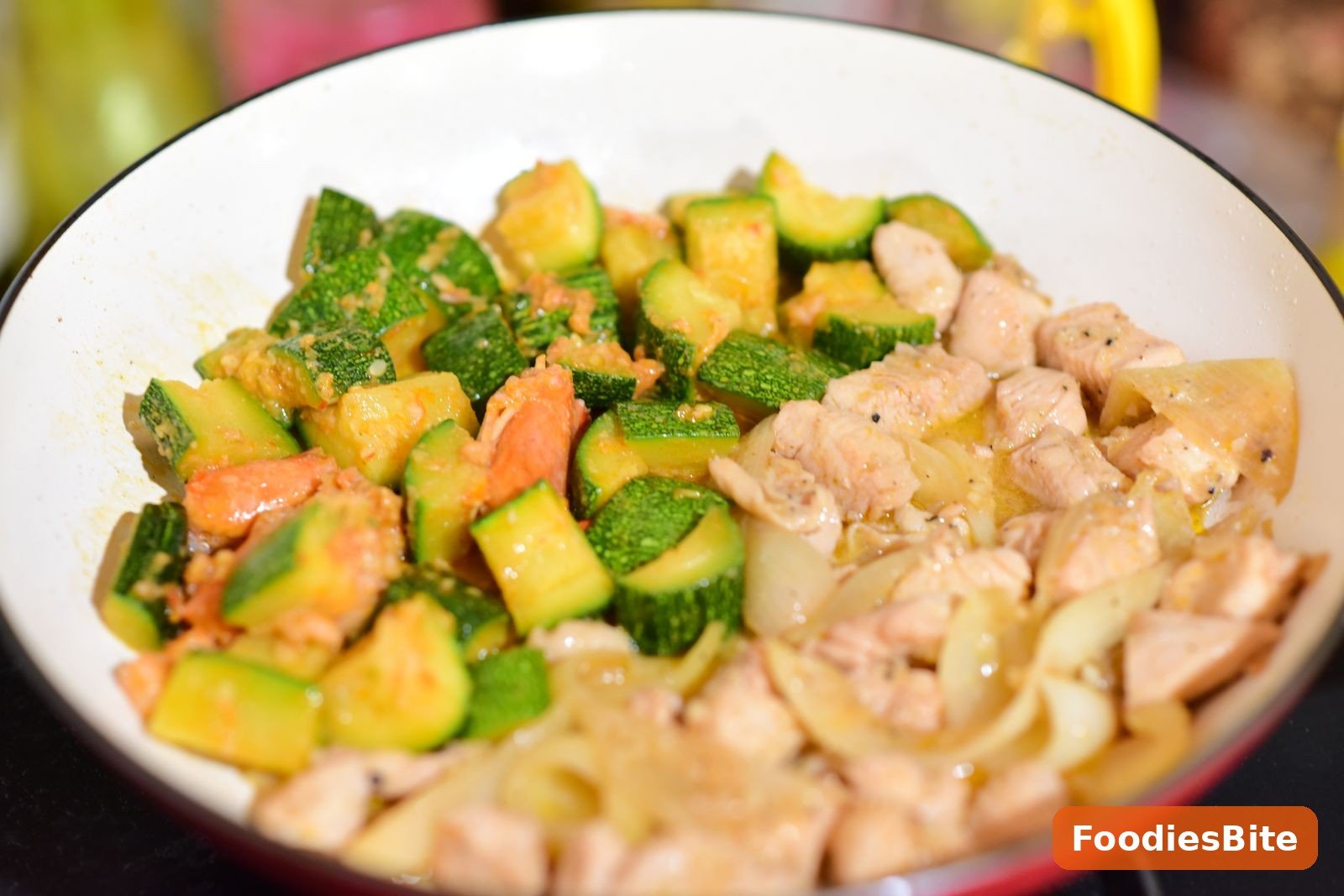
When you are tired of the same dinner, change the sauce, not the whole recipe. A garlic butter sauce — butter, garlic, a squeeze of lemon, and parsley — turns the skillet into comfort food. A teriyaki-style sauce of soy, honey, garlic, and ginger gives it a sweet-savoury gloss that children tend to love.
A Mediterranean version uses olive oil, garlic, oregano, lemon zest, and a handful of olives or sun-dried tomatoes stirred through at the end. A spicy version adds chili flakes, cumin, and paprika, finishing with lime juice and fresh coriander. Each of these takes less than a minute to assemble from pantry ingredients, and each makes the same chicken and vegetables taste like a different meal.
Creamy sauces work too. A spoonful of cream cheese or a splash of cream stirred through the hot skillet, with Parmesan and black pepper, makes a rich dinner that feels far more indulgent than the effort suggests. If you prefer a lighter finish, a drizzle of yogurt mixed with lemon and herbs gives creaminess without heaviness.
Serving Ideas Beyond Rice
Rice is the obvious partner, but it is far from the only one. Noodles soak up sauce beautifully and cook in minutes. Quinoa adds protein and a nutty texture. Mashed potatoes turn the skillet into a hearty, wintry plate. Even a simple side of crusty bread for mopping up sauce makes the meal feel complete.
For a lighter dinner, serve the chicken and vegetables over a bed of greens with a warm dressing, or pile them into lettuce cups with a crunchy topping. For lunchboxes, the same mixture packed over rice travels well and reheats nicely, which makes this recipe a genuine two-meal dish: cook once, eat twice.
If you enjoy one-pan rice dinners, our easy chicken and rice skillet cooks the rice in the same pan as the chicken, so the grains absorb all the flavour from the broth and seasonings.
Meal Prep and Leftovers
This recipe is a natural meal-prep dish. Double the batch, divide it into containers with rice or noodles, and refrigerate for lunches and dinners over the next few days. The flavours actually improve overnight as the sauce soaks into the chicken and vegetables.
Store leftovers in covered containers in the refrigerator and use them within a few days. Reheat thoroughly, adding a splash of water or broth to loosen the sauce, since rice and vegetables absorb moisture as they sit. For freezing, pack the chicken and vegetable mixture without the rice, thaw overnight in the fridge, and reheat until piping hot.
A useful prep habit is portioning chicken before freezing. Thin, even pieces thaw faster and cook more evenly, and taking out exactly what you need avoids waste. Frozen food keeps well for months when sealed properly, so a stocked freezer is a genuine weeknight safety net.
Mistakes to Avoid
The first mistake is a crowded pan. Chicken and vegetables both release water as they cook, and a packed pan turns into a steamer. Use a large skillet, or cook in batches — the extra few minutes are worth the better browning.
The second is adding sauce too early. Sauces with sugar, like honey or teriyaki, burn if they spend too long over high heat. Add them near the end, toss to coat, and take the pan off the heat as soon as everything is glossy.
The third is under-seasoning. Frozen vegetables are mild, and chicken needs a confident hand with salt and spices. Season the chicken before cooking, then taste and adjust at the end. A final acid — lemon juice, lime juice, or a splash of vinegar — wakes up the whole dish in a way salt alone cannot.
One Skillet, Five Nights: A Weekly Rotation
The real test of a recipe is whether it survives a whole week without boring anyone. This skillet passes that test easily, because the formula stays the same while the details change. Here is a simple five-night rotation built on the same chicken and frozen vegetables.
Monday is the classic: garlic, soy, and ginger with a stir-fry vegetable blend over rice. Tuesday goes Mediterranean, with oregano, lemon, and olives over quinoa. Wednesday is the creamy night — cream cheese, Parmesan, and spinach stirred through the skillet, served with pasta. Thursday turns spicy, with chili, cumin, and lime over warm flatbread. Friday is the clean-out night: whatever vegetables and sauces remain in the fridge, tossed together and served over noodles.
None of these nights needs a new recipe or a shopping trip. They all use the same core ingredients — chicken, frozen vegetables, a base, and a sauce — and they all take about twenty-five minutes. That is the real value of a formula recipe: it removes decision fatigue, which is often the actual reason dinner feels hard. When you know the pattern, you only choose the flavour, and dinner practically cooks itself.
Frequently Asked Questions
Can I use frozen chicken and frozen vegetables together?
Yes. Cook the frozen chicken thoroughly first using a suitable method, then slice it and add it to the skillet with the frozen vegetables. Check the chicken with a thermometer — 74°C (165°F) at the thickest part — before combining.
Do I need to thaw frozen vegetables first?
No. Frozen vegetables go straight from the bag into a hot pan. Covering the pan briefly helps them cook through with steam, then uncovering lets excess water evaporate so they fry rather than boil.
What is the best frozen vegetable blend for chicken?
A stir-fry blend with broccoli, carrots, snap peas, and peppers gives the most colour and crunch. A simple mix of peas, corn, and carrots suits family dinners and picky eaters. Either works — choose the one your household actually enjoys.
How long does this dinner take?
About twenty-five minutes with thawed chicken: five minutes of preparation, ten minutes to brown the chicken, and ten minutes for the vegetables and sauce. Frozen chicken adds cooking time, so start it earlier or use pre-cooked chicken.
Is this a good meal-prep recipe?
Yes. Cooked chicken and vegetables portion well into containers with rice or noodles and keep for several days refrigerated. Reheat thoroughly with a splash of broth to keep the sauce from drying out.
A quick chicken dinner with frozen vegetables proves that a satisfying homemade meal does not need to be complicated. Chicken, a bag of frozen vegetables, a few seasonings, and one good sauce are enough. Keep those basics stocked, and you will always have dinner covered — even on the busiest nights. Start from the FoodiesBite homepage whenever you need the next idea, or browse our Chicken Recipes collection, and let the freezer do the hard work.