Quick Chicken Fried Rice
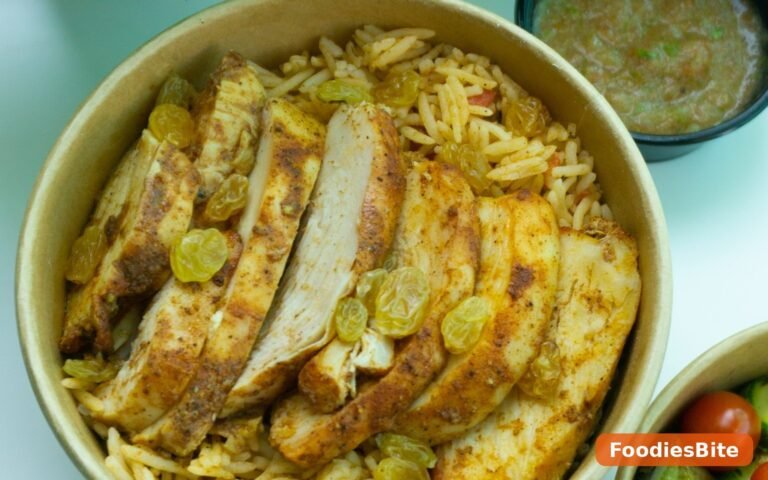
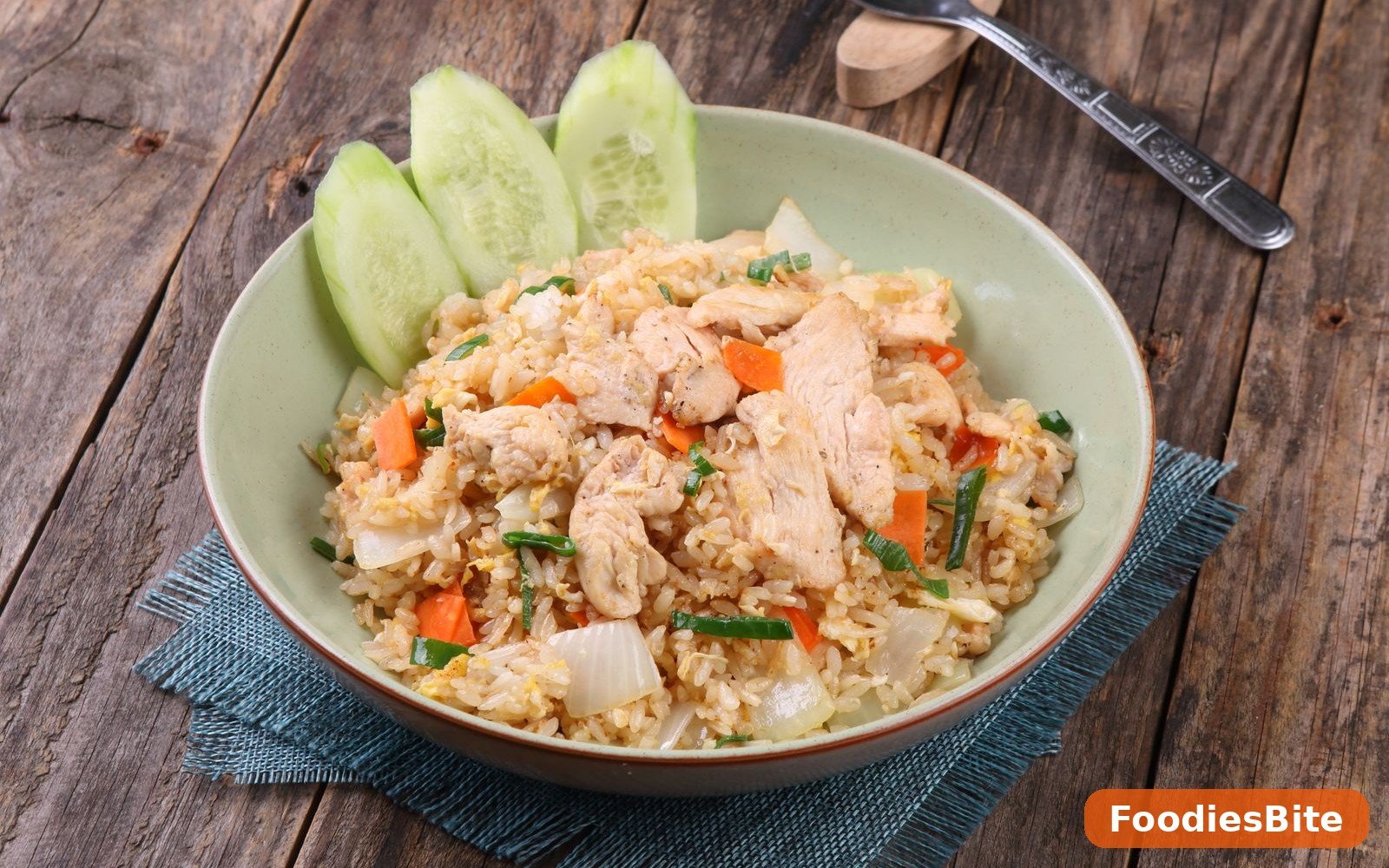
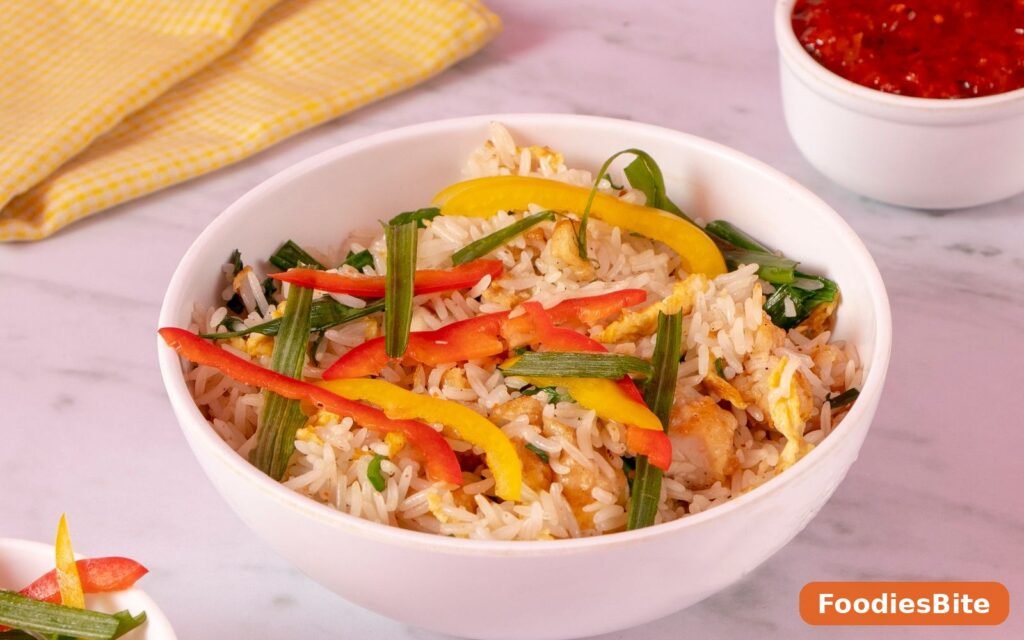
Quick chicken fried rice is the dinner you make when you want takeout flavor without waiting for delivery, paying delivery prices, or wondering what went into the pan. It comes together in about twenty minutes, it uses leftover rice and whatever vegetables are in the fridge, and it turns a small amount of chicken into a generous, satisfying meal. If your weeknights are busy and your fridge usually holds a container of yesterday’s rice, this is the recipe that turns both problems into dinner.
The magic of quick chicken fried rice is not a secret ingredient. It is a hot pan, cold rice, and the right order of operations. Chicken gets seared first so it stays juicy, eggs get scrambled in the same pan so nothing extra needs washing, and the rice goes in last, where it fries rather than steams. Done this way, every grain stays separate, the edges get lightly crisp, and the whole dish tastes like it came from a good restaurant wok station. You will find more weeknight ideas like this in our Chicken Recipes collection, where chicken is treated as the practical, affordable staple it is.
This guide covers everything you need: why day-old rice matters, the exact ingredients, the step-by-step method, the sauce balance, and the mistakes that turn fried rice soggy. Once you have the method down, you can change the vegetables, swap the protein, or adjust the heat to suit your household, and dinner will still be ready before anyone has time to ask what is taking so long.
Why Day-Old Rice Makes Better Fried Rice
The single most important ingredient in quick chicken fried rice is rice that is at least a day old. Freshly cooked rice is soft, moist, and full of surface starch, which means it clumps together and turns mushy the moment it hits a hot pan. Rice that has spent a night in the refrigerator is a different ingredient entirely. The cold firms up the grains, the surface dries out slightly, and the starch sets, so each grain fries separately instead of sticking to its neighbors. This is the reason restaurant fried rice has that distinct, slightly chewy, separate-grain texture that home attempts often miss.
If you do not have leftover rice, you can still make this recipe tonight. Cook the rice, spread it out on a baking tray in a thin layer, and put it in the refrigerator uncovered for at least an hour. A fan or an open window helps, but the fridge alone does most of the work. What you want is rice that feels dry to the touch and falls apart easily when you break up the clumps with your fingers. If the rice is still warm and sticky, wait longer. Patience at this stage is worth more than any fancy sauce.
The type of rice matters less than its condition. Long-grain jasmine rice is the classic choice because it stays fluffy and separate, but basmati works well too, and even medium-grain rice is fine once it has been chilled. Brown rice also fries beautifully and adds a nutty flavor, though it needs a minute or two longer in the pan. Whatever you use, break up any clumps before the rice goes into the pan. Cold clumps do not break apart on their own, and nobody wants a cold lump of rice in the middle of an otherwise perfect plate.
Ingredients You Need
For four servings of quick chicken fried rice, you need about three cups of cold cooked rice, one pound of boneless chicken breast or thighs cut into small bite-sized pieces, two eggs, two tablespoons of neutral oil such as vegetable or sunflower oil, one small onion diced, two carrots diced small, one cup of frozen peas, three cloves of garlic minced, one tablespoon of grated fresh ginger, three tablespoons of soy sauce, one tablespoon of oyster sauce if you have it, one teaspoon of sesame oil, and sliced spring onions for garnish. Salt and pepper are for seasoning the chicken before it goes in the pan.
Chicken thighs are the more forgiving choice here because they stay juicy even if they cook a minute too long, but breasts work perfectly well when cut small and cooked quickly over high heat. Whichever cut you use, always cook the chicken until it reaches 74°C (165°F) at the thickest part, measured with a food thermometer. In a dish like this, where the chicken is cut small and fried fast, that temperature is usually reached in three to four minutes, but checking removes all guesswork. If you often cook from frozen, our guide to easy meals with frozen chicken has practical advice for planning around it, though for fried rice the chicken should always be fully thawed first so it sears instead of steaming.
Keep everything chopped and measured before you start cooking. Fried rice moves fast once the pan is hot, and there is no time to dice an onion while the garlic is already in the pan. This kind of preparation is what professional cooks call mise en place, and it is the difference between a calm twenty-minute dinner and a frantic one. Set out small bowls for the sauce ingredients, the vegetables, the egg, and the chicken, and the cooking itself becomes almost relaxing.
How to Make Quick Chicken Fried Rice
Start by seasoning the chicken pieces with salt and pepper. Heat a large skillet or wok over high heat and add one tablespoon of oil. When the oil shimmers and just begins to smoke, add the chicken in a single layer. Let it sear undisturbed for two minutes so it browns properly, then stir and cook for another one to two minutes until it is cooked through and reads 74°C (165°F). Remove the chicken to a plate and set it aside. Do not skip this step: cooking the chicken separately is what keeps it juicy instead of rubbery, because it never sits in the pan long enough to overcook while the rice fries.
With the pan still hot, add the remaining oil and the beaten eggs. Let them set for about thirty seconds, then scramble them gently into soft curds and remove them to the same plate as the chicken. Wipe the pan quickly if there are browned egg bits sticking, then add the onion and carrots with a pinch of salt. Stir-fry for two to three minutes until the onion turns translucent and the carrots soften slightly. Add the garlic and ginger and stir for thirty seconds until fragrant. Garlic burns fast at high heat, so keep it moving and do not let it sit.
Now add the cold rice. Break up any remaining clumps with your spatula and spread the rice across the pan so as much of it as possible touches the hot surface. Let it fry undisturbed for a minute or two before stirring. This contact is what creates the lightly crisped edges that make fried rice taste like fried rice. Pour the soy sauce and oyster sauce around the edge of the pan rather than directly onto the rice, so the sauce hits the hot metal and caramelizes slightly before it coats the grains. Add the peas, return the chicken and egg to the pan, and toss everything together for two more minutes. Finish with sesame oil and spring onions, taste, and adjust the soy sauce if needed.
The Sauce Balance, Explained
The sauce for quick chicken fried rice is deliberately simple, because the dish is about the rice and the chicken, not a complicated glaze. Soy sauce provides salt and a deep savory flavor, and it is the main seasoning. Three tablespoons is the right amount for three cups of rice: enough to color the grains a warm golden brown and season them through, without making the dish taste salty. If you are using a particularly salty brand, start with two tablespoons, taste, and add more. Low-sodium soy sauce is a good option if you like to control the salt precisely.
Oyster sauce is optional but worth having. It adds a subtle sweetness and a glossy richness that soy sauce alone does not provide, and it helps the sauce cling to the rice. If you do not have it, a pinch of sugar, about half a teaspoon, gives a similar rounding effect. Sesame oil goes in at the very end, off the heat or over low heat, because its flavor is delicate and disappears if it is cooked hard. A teaspoon is plenty; more can make the dish taste heavy. This balance of salty, sweet, and nutty is what makes the finished rice taste complete rather than flat.
One common question is whether to add more sauce for more flavor. Resist the urge. Extra liquid is the fastest way to turn fried rice soggy, because it steams the grains instead of frying them. If the rice tastes under-seasoned, add a splash of soy sauce at the table rather than in the pan. The same rule applies to vegetables: frozen peas are ideal because they add almost no water, while fresh vegetables like zucchini or mushrooms release moisture as they cook and should be stir-fried separately first if you use them.
What Makes Fried Rice Taste Like Takeout
Real takeout flavor comes from heat and from a technique, not from a secret sauce packet. Fried rice as a dish was developed as a way to use leftover rice, and its defining feature is the high-heat fry that gives the grains a slightly smoky, toasted character. Home stoves do not reach the fierce heat of a restaurant wok burner, but you can get close by using the largest, heaviest pan you own, letting it get properly hot before anything goes in, and cooking in batches if the pan is small. A crowded pan drops in temperature and steams the food, which is the opposite of what you want.
Another takeout trick is the egg. In many restaurant versions, the egg is cooked first and folded back in at the end, which is exactly what this recipe does. The egg adds richness and golden color, and keeping it separate means it stays in distinct, tender ribbons instead of coating everything in a uniform yellow layer. If you prefer the egg mixed through the rice, you can push the rice to the sides of the pan, pour the beaten egg into the center, scramble it there, and then mix it in. Both methods are correct; they just give slightly different textures.
Finally, do not underestimate the garnish. Sliced spring onions, a drizzle of chili oil, or a squeeze of lime at the table lift the whole dish and make it feel finished. Restaurants garnish for a reason: the fresh, sharp top notes contrast with the rich, savory rice and keep each bite interesting. A fried egg on top turns the dish into a heartier meal, and it is a classic pairing that costs almost nothing extra.
Serving Ideas
Quick chicken fried rice is a complete meal on its own, which is part of its appeal on a busy night. For a simple dinner, serve it straight from the pan with extra spring onions and chili sauce on the table so everyone can adjust the heat to their taste. A light cucumber salad on the side adds freshness and crunch, and it takes two minutes to make: sliced cucumber, rice vinegar, a pinch of sugar, and a pinch of salt.
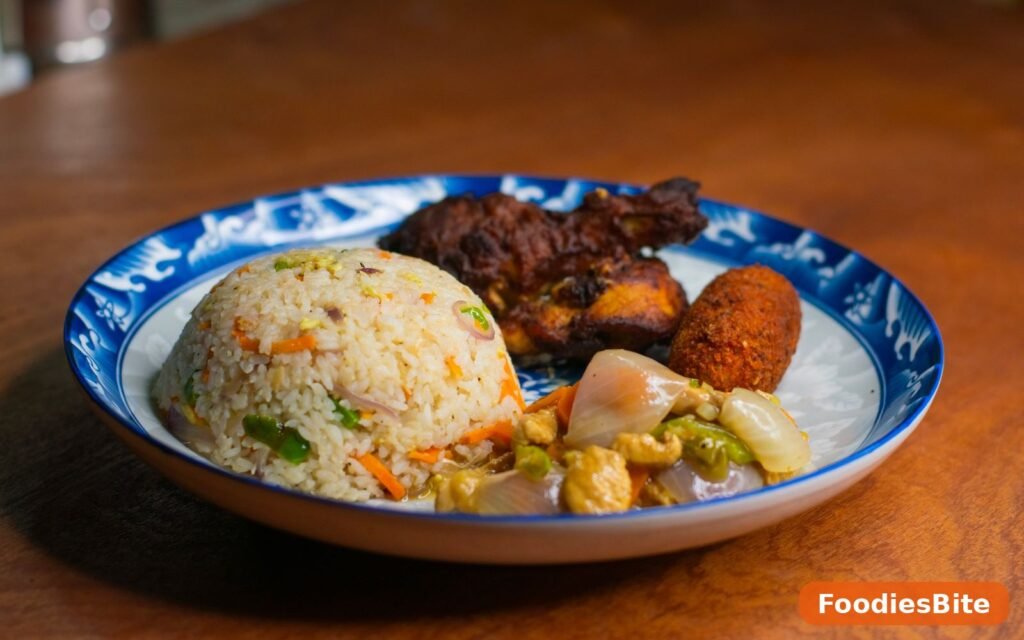
If you want to stretch the meal further, serve smaller portions of fried rice with a simple vegetable side, such as steamed broccoli or green beans with garlic. The rice is filling enough that a modest portion satisfies, and the vegetables balance the plate. For a weekend version, add a bowl of hot and sour soup or a plate of spring rolls, and the dinner feels like a full takeout spread made at home for a fraction of the price.
Leftovers keep well in the refrigerator for up to three days in an airtight container, and they reheat beautifully in a hot skillet with a splash of water or oil. Fried rice is one of the rare dishes that is arguably better the next day, because the flavors settle and deepen overnight. Pack it for lunch in a container that can go straight into a skillet or microwave, and add fresh spring onions after reheating so the garnish stays bright.
Variations Worth Trying
Once the basic method is comfortable, quick chicken fried rice adapts to almost anything in the fridge. For a spicy version, add a tablespoon of chili garlic sauce or sriracha with the soy sauce, and finish with sliced fresh chili. For a pineapple version, add half a cup of diced pineapple and a handful of cashews at the end; the sweet and salty contrast is a classic Thai-inspired combination that children often love. For a vegetable-heavy version, double the carrots and peas and add diced bell pepper and corn, keeping the chicken amount the same.
Protein swaps are easy. Shrimp cooks even faster than chicken and is excellent in fried rice, as is diced ham, leftover roast pork, or crumbled tofu for a meat-free version. If you swap the protein, keep the same method: sear it first, remove it, and fold it back in at the end. And if you love one-pan rice dinners in general, our easy chicken and rice skillet recipe uses a similar idea with a softer, saucier result that is wonderful on cold evenings.
A note on eggs: if anyone in your household dislikes egg, simply leave it out. The dish still works, though it loses a little richness. You can compensate with an extra drizzle of sesame oil at the end. And if you are cooking for a crowd, double the recipe but cook it in two batches. A single overloaded pan is the one mistake that no amount of sauce can fix.
Common Mistakes to Avoid
The most common mistake with quick chicken fried rice is using freshly cooked rice. It is tempting to cook rice and use it immediately, but the result is almost always sticky and clumpy. Plan ahead by cooking extra rice the night before, or use the tray-chilling trick described earlier. The second mistake is a pan that is not hot enough. If the oil is barely shimmering, the ingredients will steam. Wait until the oil shimmers and a drop of water sizzles violently, then start cooking.
The third mistake is overcrowding. If the chicken pieces are piled on top of each other, they will not brown. Cook in a single layer, in batches if needed, and the same applies to the rice. The fourth mistake is adding too much sauce. Fried rice should be seasoned, not wet. Start with the amounts in this recipe, taste, and adjust at the table. Finally, do not skip the thermometer for the chicken. Small pieces cook fast, but guessing is still guessing, and 74°C (165°F) is the target every time.
Frequently Asked Questions
Can I use freshly cooked rice for chicken fried rice?
You can, but the result will not be as good. Fresh rice is moist and starchy, so it tends to clump and turn mushy in the pan. If you have no leftover rice, spread freshly cooked rice on a tray and refrigerate it uncovered for at least an hour, or freeze it for twenty minutes, until it feels dry and the grains separate easily. That short chill makes a noticeable difference.
How do I keep chicken fried rice from getting soggy?
Use cold, day-old rice, a very hot pan, and no more sauce than the recipe calls for. Cook the chicken and egg separately and fold them back in at the end, and avoid watery vegetables unless you stir-fry them first. Let the rice sit undisturbed in the pan for a minute or two so the grains crisp, rather than stirring constantly.
Can I make chicken fried rice ahead of time?
Yes. Cook it fully, cool it quickly, and refrigerate it in an airtight container for up to three days. Reheat it in a hot skillet with a splash of oil or water, stirring until it is steaming throughout. Add fresh spring onions and a drizzle of sesame oil after reheating. For longer storage, freeze it in portions for up to one month.
What vegetables work best in chicken fried rice?
Onion, carrot, peas, corn, bell pepper, and spring onions are the most reliable choices because they cook quickly and do not release much water. Frozen peas and corn are especially convenient. Avoid very watery vegetables like zucchini or mushrooms unless you cook them separately first and drain any liquid before adding them to the rice.
Is chicken fried rice gluten-free?
It can be, with one swap. Soy sauce contains wheat, so replace it with tamari or a certified gluten-free soy sauce, and check that your oyster sauce is gluten-free or leave it out. All the other ingredients in this recipe are naturally gluten-free. You can find more ideas on the FoodiesBite homepage, where new recipes are added regularly.