Easy Dinner Recipes With Frozen Vegetables: Simple, Delicious Meals for Busy Nights
Some evenings, dinner has to happen in the gap between getting home and running out of energy. The fridge looks thin, the clock is not on your side, and nobody wants a long list of chopping and washing before anything reaches the stove. That is exactly when the freezer earns its place in the kitchen. A bag of frozen vegetables, opened straight from the cold, can be the starting point for a meal that is hot, filling and genuinely enjoyable, with barely any preparation at all.
The idea is not to settle for something second best. Frozen vegetables are picked and frozen at a point when they are in good condition, and they wait patiently until you need them, without wilting in the fridge or demanding to be used by a certain day. They cost less than a trolley full of fresh produce, they take up little space, and they turn a handful of pantry staples into a complete dinner. When you learn a few reliable ways to cook them, they stop being a backup plan and become a habit you actually look forward to.
This guide is built around that habit. It covers which bags are worth keeping, how to cook frozen vegetables so they stay bright and flavourful instead of soft and watery, and a wide range of dinner ideas that use them well, from skillets and stir-fries to soups, curries, pasta and casseroles. Whether you are cooking for one, feeding a family, or trying to use up what is already in the freezer, there is a dinner here that fits the evening you are having. For fresh inspiration whenever you are stuck, start from the FoodiesBite homepage, where new ideas are always being added.
Why the Freezer Bag Deserves More Respect
Fresh vegetables get most of the praise, but they come with a catch: they need to be bought, stored carefully and used quickly, or they end up wasted. Frozen vegetables remove that pressure entirely. A bag of peas, broccoli or mixed vegetables can sit in the freezer for weeks or months and still be ready to cook on a night when you have nothing else planned. That reliability is worth more than most cooks realise, especially on busy weeknights when a shopping trip is the last thing anyone wants.
There is also a practical reason frozen vegetables cook so well. Before freezing, vegetables are usually blanched, which means briefly heated and then cooled, a step that helps them hold their colour and texture during storage. Frozen food production follows this approach across many foods, and it is why a bag of frozen broccoli can go from freezer to pan in minutes. Because much of the preparation is already done, you skip washing, peeling and cutting, and you get straight to cooking.
Cost is another quiet advantage. Buying vegetables in season and freezing them, or buying ready-frozen bags, usually works out cheaper per meal than buying the same vegetables fresh out of season. There is less waste, too, because you pour out only what you need and return the rest to the freezer. For a household trying to eat well without spending a fortune, that combination of low waste and low effort is hard to beat.
Variety matters as well. One bag of mixed vegetables can become a stir-fry on Monday, a soup on Tuesday and fried rice on Wednesday, simply by changing the sauce, the seasoning and what you serve it with. The vegetables themselves are a canvas. Garlic and soy sauce take them in one direction, cumin and tomatoes in another, and butter, cheese and herbs in a third. Once you stop thinking of frozen vegetables as a single side dish and start treating them as an ingredient, the number of dinners they can support grows quickly.
What to Keep in the Freezer
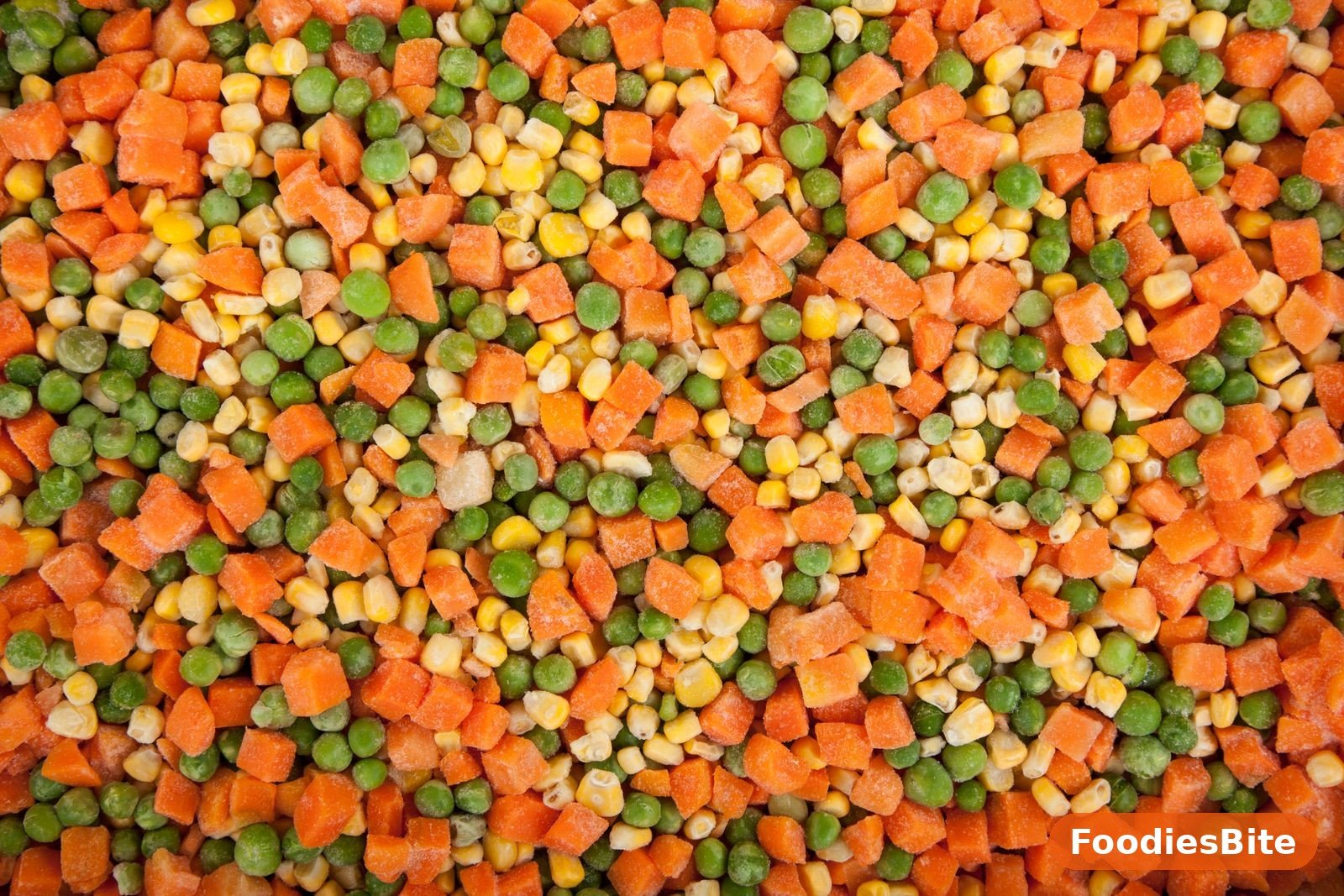
You do not need a freezer full of every vegetable imaginable. A small, well-chosen collection covers almost every weeknight dinner, and it is better to stock the vegetables your household actually enjoys than to buy bags that sit untouched. Start with the workhorses: mixed vegetables, peas, corn, broccoli and green beans. Those five alone can carry stir-fries, fried rice, pasta, soups and casseroles without repeating the same meal twice in a week.
Add a few specialists once the basics are covered. Spinach is brilliant because it cooks down in moments and disappears happily into pasta sauces, curries, soups and egg dishes. Cauliflower works in curries, roasted trays and cheesy bakes, and it holds its shape better than many people expect. Peppers and onions, sold frozen in strips or diced, save the most time of all, because chopping onions on a tired evening is often the step that puts people off cooking entirely. A stir-fry blend, with its ready mix of broccoli, carrots, peppers and snap peas, is the fastest route to a complete pan of vegetables.
It helps to think in terms of meals rather than individual vegetables. If your family eats a lot of pasta, keep spinach, peas and broccoli on hand. If stir-fries and rice bowls are the regular rotation, stock peppers, stir-fry blends and green beans. If soups and curries feature often, peas, carrots, cauliflower and corn are the ones to prioritise. A quick look through our Sides & Vegetables collection can spark ideas for which combinations work together, and it is a good place to browse when you are planning the next shop.
Storage habits make a difference, too. Squeeze the air out of opened bags before resealing them, or transfer the contents to a freezer bag or container with a tight seal. Label bags that look alike, especially once they have been decanted, so you are not guessing between cauliflower and parsnip at dinnertime. Keep the bags you reach for most often near the front, and try to use older bags first. A tidy freezer is not just satisfying; it is what turns a last-minute dinner from a scramble into a calm ten-minute job.
How to Cook Frozen Vegetables Properly (Without the Soggy Ending)
The most common complaint about frozen vegetables is that they turn out soft, watery or dull. Almost always, the cause is the cooking method rather than the vegetables themselves. Frozen vegetables carry extra moisture from the freezing process, and if that moisture has nowhere to go, it pools in the pan and steams everything instead of browning it. The fix is simple: use enough heat, give the vegetables space, and do not cook them for longer than they need.
For skillet cooking, start with a pan that is properly hot before the vegetables go in. Add a little oil, spread the vegetables in a single layer as far as possible, and resist the urge to stir constantly for the first couple of minutes. That contact with the hot surface is what drives off moisture and builds flavour. Once the water has evaporated and the vegetables begin to colour, then stir, season and add your sauce. Cooking in batches is better than piling everything into one crowded pan, because a crowded pan steams while a roomy pan fries.
Roasting needs the same thinking. Spread frozen vegetables on a large baking sheet in a single layer, drizzle with oil, season well, and roast in a hot oven until the edges begin to crisp. Do not cover the tray, and do not pile the vegetables on top of each other, because trapped steam is the enemy of crispness. Stirring once halfway through helps them brown evenly. Broccoli, cauliflower, carrots and green beans all roast beautifully this way, and a tray of roasted vegetables can anchor a whole dinner alongside rice, bread or a simple protein.
For soups, curries and stews, the rules relax. Frozen vegetables can go straight into the pot, usually in the last part of cooking, because the liquid is part of the dish rather than something to be driven off. Adding them too early is the only real risk, since they can overcook and lose their shape while the rest of the dish simmers. Peas and spinach need only a few minutes; denser vegetables like carrots and cauliflower need a little longer, but still less time than their raw equivalents. Taste as you go, and stop cooking when the vegetables are tender but still hold their shape.
Thawing is rarely necessary, and for most skillet and roast recipes it is better to cook from frozen, because thawed vegetables release even more water. The exception is spinach, which benefits from being thawed and squeezed dry before it goes into a sauce or filling, since a block of frozen spinach holds a surprising amount of liquid. The same applies to any recipe where excess water would spoil the texture, such as a pizza topping or a pastry filling. In those cases, thaw, squeeze, and then cook.
Dinner Ideas That Start With a Bag of Frozen Vegetables
Once the cooking basics are clear, the dinner ideas almost write themselves. The pattern is always the same: a bag of frozen vegetables, a base such as rice, pasta, noodles or bread, a protein if you want one, and a sauce or seasoning that gives the meal its character. Change one of those four elements and you have a different dinner, which is why frozen vegetables are so useful for avoiding the feeling of eating the same thing every night.
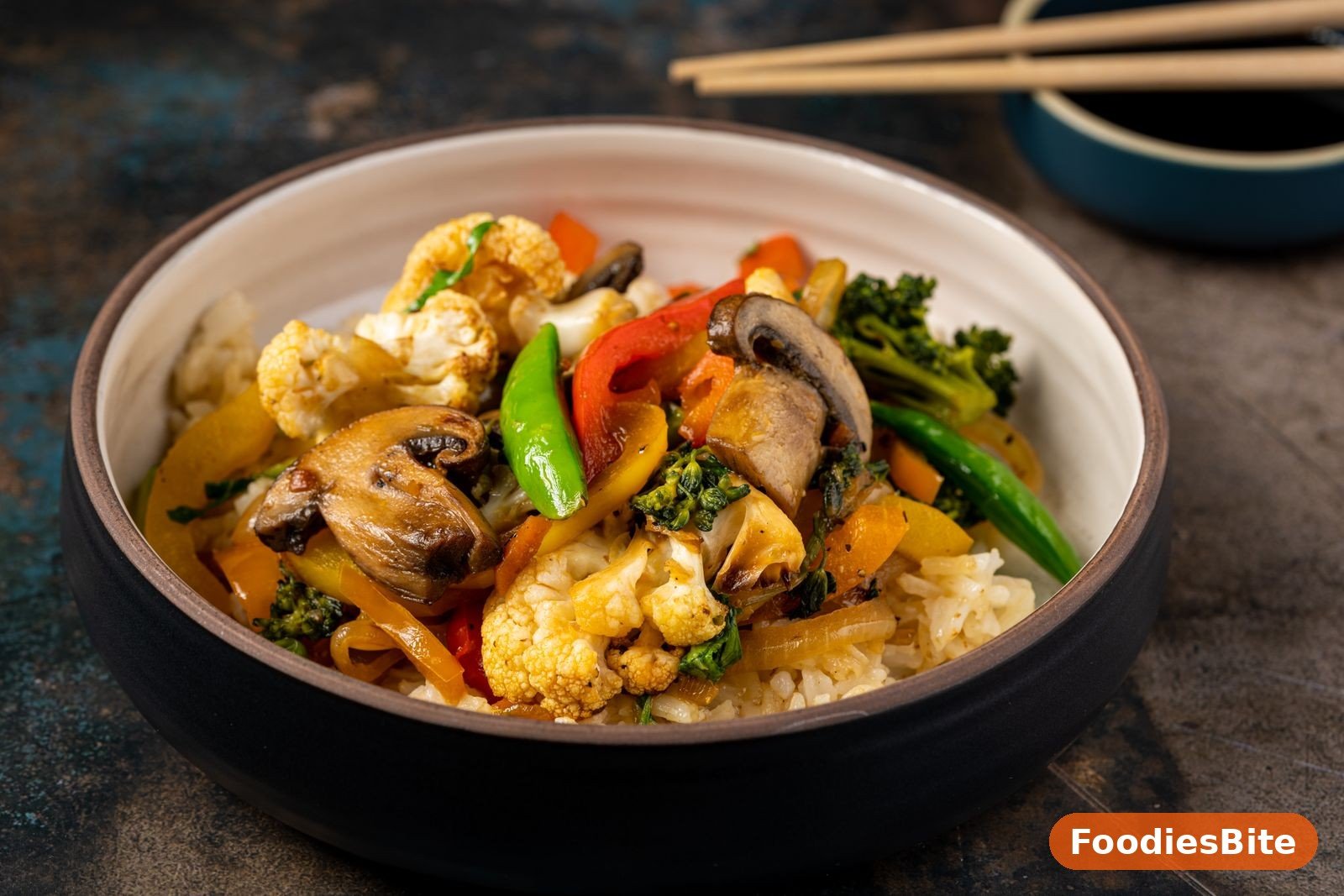
A vegetable stir-fry is the fastest of the lot. Heat oil in a large pan or wok, add a stir-fry blend or a mix of broccoli, peppers and green beans straight from frozen, and cook over high heat until the moisture evaporates and the edges begin to colour. Add garlic, ginger and soy sauce, toss everything together, and serve over rice or noodles. A drizzle of sesame oil, a squeeze of lime, or a spoonful of chilli sauce at the end changes the whole character of the dish, so the same bag can taste different from one night to the next.
Fried rice follows a similar rhythm and is one of the best uses for leftover rice, which fries better than freshly cooked rice because it is drier. Cook frozen peas, carrots and corn in a hot pan, push them aside, scramble an egg in the empty space, then add the rice and season with soy sauce, garlic and black pepper. Cooked chicken, prawns, tofu or just the egg itself can provide the protein, and a handful of spring onions or a splash of sesame oil finishes it. It is a complete dinner in about fifteen minutes, made almost entirely from things that were already in the kitchen.
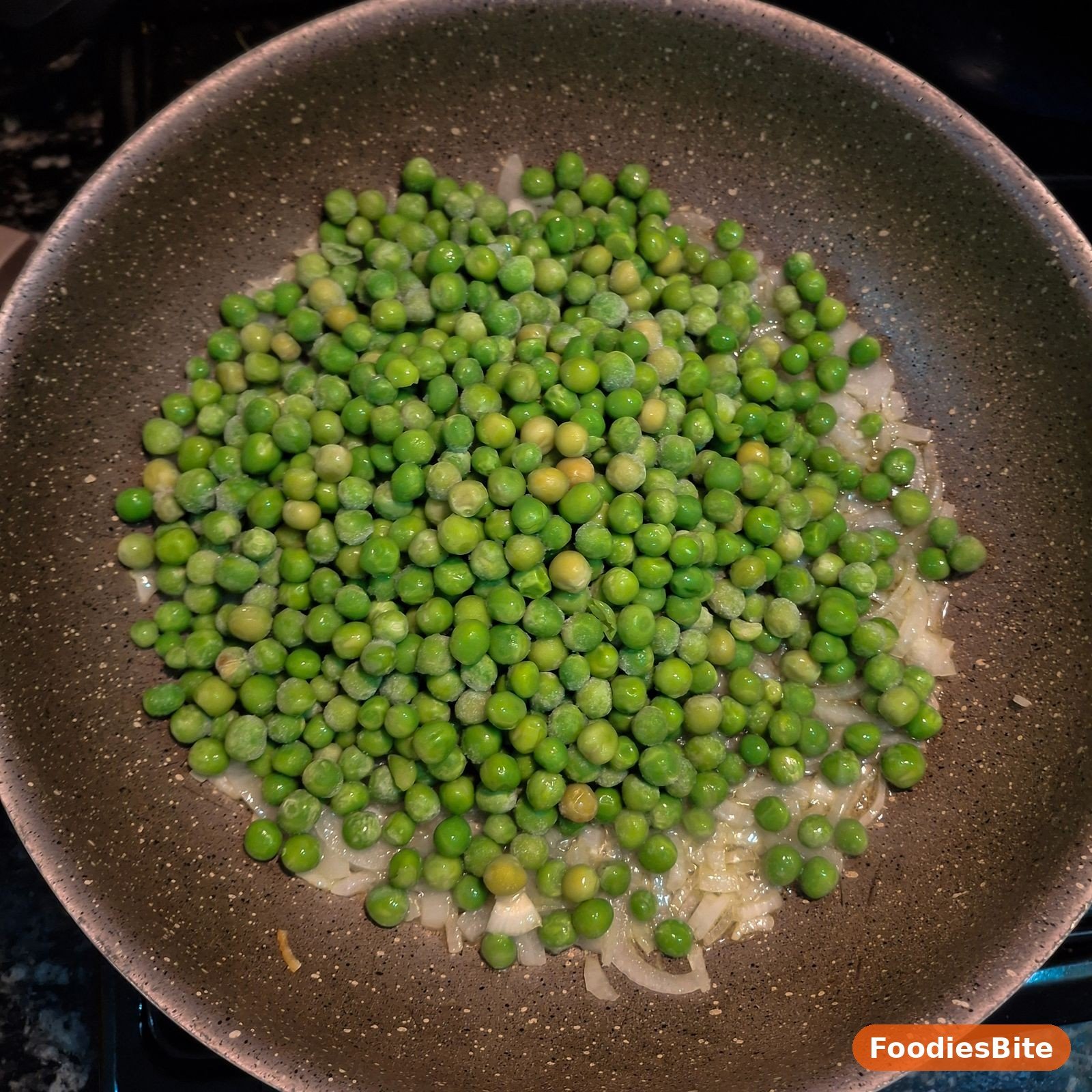
Pasta is another natural partner. While the pasta boils, cook frozen broccoli, peas or spinach in a pan with garlic and olive oil, then toss everything together with Parmesan, a knob of butter and a splash of the pasta cooking water. For a richer version, stir in cream cheese or a little cream and let it melt into a sauce. The pasta water is the quiet hero here: its starch helps the sauce cling to the pasta instead of sliding off, and it loosens the sauce without watering down the flavour.
Tacos and wraps bring a different kind of fun to frozen vegetables. Heat frozen corn, peppers and onions with black beans, chilli powder, cumin and garlic, then pile the mixture into warm tortillas with cheese, salsa, avocado and sour cream. Everyone can build their own, which makes this a good dinner for families with different tastes, and the filling works just as well in a wrap, a quesadilla or a rice bowl the next day. A squeeze of lime over the top lifts the whole thing, and a handful of fresh coriander, if you have it, adds a bright finish.
Skillet Dinners, One-Pan Wonders, and Fast Pasta
A chicken and vegetable skillet is the weeknight dinner many households return to again and again, and frozen vegetables make it almost effortless. Cook bite-sized pieces of chicken in a hot pan until browned, checking that the thickest piece reaches 74°C (165°F) with a food thermometer, then add a bag of frozen mixed vegetables straight from the freezer and cook until tender. Season with garlic, paprika, black pepper and a splash of soy sauce, and serve over rice, noodles or mashed potatoes. If you want more ideas built around chicken from the freezer, our guide to easy meals with frozen chicken follows the same low-effort logic and pairs naturally with everything in this article.
One-pot rice is the answer when washing up matters as much as dinner itself. Soften onion and garlic in a large pot, stir in rice for a minute, then add broth, seasoning and frozen mixed vegetables. Cover and cook gently until the rice is tender and has absorbed the liquid. Chickpeas, beans, shredded leftover meat or cooked chicken can be stirred in for protein, and a finish of lemon juice, fresh herbs or grated cheese makes the dish taste finished rather than thrown together. The whole meal uses one pot, one spoon and very little attention once the lid is on.
A cheesy vegetable casserole suits evenings when you want comfort food without standing over the stove. Combine frozen broccoli, cauliflower or mixed vegetables with cooked pasta or chicken, stir through a simple sauce made from milk, butter, flour and cheese, and bake in a dish topped with more cheese until bubbling and golden. It can be assembled earlier in the day and baked when you are ready, which makes it a useful option for evenings when you know you will be short of time. Leftovers reheat well for lunch, and the same base works with whatever vegetables you have, so it is a good way to clear the freezer before a big shop.
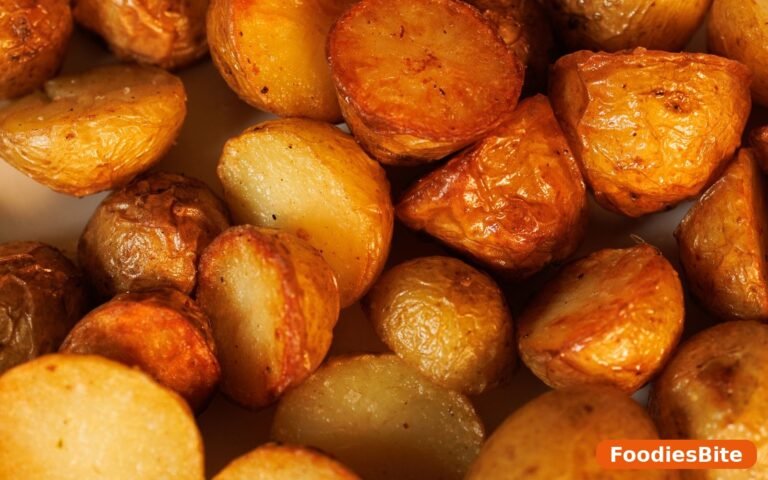
Roasted vegetable trays deserve a place in this list, too. A tray of frozen broccoli, cauliflower, carrots and peppers, roasted until crisp at the edges and served with a grain or bread, is a dinner in its own right, not just a side dish. For a heartier version, add a tray of crispy potatoes without breadcrumbs alongside, and dinner becomes a spread of golden, crunchy things that everyone can pick from. A simple dip, such as garlic yoghurt or a chilli sauce, turns the tray into something that feels generous rather than minimal.
Soups, Curries, and Comfort Bowls
Soup is where frozen vegetables are at their most forgiving. There is almost no chopping, the vegetables go straight into the pot, and the result tastes like it took far longer than it did. Start with onion, garlic and broth, add frozen carrots, peas, corn, green beans or a mixed blend, and simmer until everything is tender. Noodles, rice, potatoes or small pasta shapes make it filling, and a handful of herbs or a squeeze of lemon at the end gives it a fresh, finished taste. A pot of soup also stretches well, feeding a family one night and providing lunch the next day.
Curry is another dish that welcomes frozen vegetables without any fuss. Soften onion, garlic and ginger, add curry powder and other spices, then tomatoes or coconut milk, and let the mixture simmer. Frozen peas, carrots, cauliflower, green beans or a mixed blend go in towards the end and cook quickly in the sauce. Chickpeas or cooked chicken add protein, and the whole dish is served with rice or warm flatbread. The spice level is entirely in your hands, so the same base can be mild for children one night and fiery for adults the next, simply by adjusting the chilli.
A vegetable and bean chilli follows the same comforting pattern. Onion and garlic are softened first, then canned beans, diced tomatoes, tomato sauce and frozen corn or mixed vegetables are added with chilli powder, cumin and paprika. After twenty to thirty minutes of gentle simmering, the flavours have come together and the vegetables are tender. Serve it with cheese, sour cream, avocado or warm bread, and add cooked meat if you like, though the beans alone make it satisfying. Like soup, chilli tastes even better the next day, so cooking a larger batch is rarely a mistake.
Comfort bowls bring all of these ideas together in one dish. A base of rice or grains, a generous portion of cooked frozen vegetables, a protein, a sauce and something crunchy on top is a formula that never fails. The sauce is what makes it feel like a real meal rather than a collection of leftovers: a garlic butter sauce, a curry sauce, a teriyaki-style glaze, a cheese sauce, or simply good olive oil with herbs and lemon. Keep two or three sauces you enjoy in the fridge or pantry, and the same vegetables can become a different bowl several nights in a row.
Building a Weeknight Freezer Pantry
The difference between a stressful evening and an easy one is often decided days earlier, in the shop and in the freezer. A weeknight freezer pantry is not a grand project; it is a short list of things that, kept together, guarantee dinner. Alongside your chosen frozen vegetables, keep a protein that cooks quickly, such as frozen chicken, beans, eggs or tofu. Add the pantry basics: rice, pasta, noodles, canned tomatoes, broth, soy sauce, canned beans and a solid collection of spices. With those in place, the question at six in the evening is never whether dinner is possible, only which version to make.
Sauces and seasonings are the small items that make the biggest difference. Garlic, ginger, chilli, cumin, paprika, Italian seasoning, curry powder, soy sauce, honey and lemon are the core set, and they cover stir-fries, curries, pasta, tacos and casseroles between them. A bottle of sesame oil, a jar of peanut butter, a tin of coconut milk and a block of Parmesan extend the range further without taking up much space. When the vegetables are the same, the seasoning is what stops dinner from feeling repetitive, so it is worth keeping this shelf as well stocked as the freezer itself.
Planning a few meals ahead helps, even loosely. If you know that Monday will be a stir-fry, Wednesday a soup and Friday a pasta, you can make sure the right bags are at the front of the freezer and the right sauces are in the cupboard. Cooking extra rice or pasta one night gives you the base for fried rice or a pasta bake the next, which is one of the simplest ways to cut cooking time in half across a week. None of this needs a rigid plan or a spreadsheet; a rough idea, jotted down while unpacking the shopping, is enough to make the whole week feel easier.
It is also worth remembering that a vegetable is a broad category, and frozen vegetables cover far more than the familiar peas and carrots. Leafy greens, brassicas, beans, corn, peppers and root vegetables all freeze well and all cook differently, which means the freezer can hold a surprising amount of variety. Trying one new bag each shop, whether it is edamame, okra, broad beans or a new stir-fry blend, is a low-risk way to discover a new favourite, because the worst outcome is a single meal you would not repeat, and the best is a new staple.
Mistakes That Ruin Frozen Vegetable Dinners
Most frozen vegetable disappointments come from a handful of avoidable habits. The first is overcrowding the pan, which turns frying into steaming and leaves everything soft. If the pan is full, cook in two batches; the extra few minutes are worth it for vegetables that actually brown.
The second is overcooking. Frozen vegetables are already partly cooked before freezing, so they need less time than raw ones, and a few minutes too long is the difference between tender and mushy. Check early and often, especially with peas, spinach and corn, which cook in moments.
The third mistake is under-seasoning. Frozen vegetables need a confident hand with salt, pepper, garlic and herbs, because they start from a milder place than freshly picked produce. Season in layers: a little at the start of cooking, more with the sauce, and a final adjustment before serving. A squeeze of lemon, a splash of vinegar or a spoonful of chilli sauce at the end can wake up a pan of vegetables that tastes flat, and fresh herbs scattered over the top add a brightness that dried seasoning alone cannot provide.
The fourth is adding frozen vegetables to a dish at the wrong moment. In a soup or curry, they should go in late enough to stay intact; in a stir-fry, they need a hot pan and room to breathe; on a pizza, they should be cooked and drained first, or the base will turn soggy. Matching the method to the dish, rather than treating all frozen vegetables the same way, is the skill that separates a good frozen vegetable dinner from a disappointing one. Once that clicks, the freezer becomes one of the most reliable tools in the kitchen, not a compromise.
Frequently Asked Questions
Can I cook frozen vegetables without thawing them?
Yes, most frozen vegetables can go straight from the bag into a skillet, soup, stir-fry, roast tray or casserole. Cooking from frozen often gives a better texture than thawing first, because thawed vegetables release extra water. The main exceptions are spinach, which should be thawed and squeezed dry for sauces and fillings, and toppings for pizza or pastry, where excess moisture would make the base soggy.
Are frozen vegetables good for quick dinners?
Absolutely. They remove most of the washing, peeling and chopping that fresh vegetables require, and they are ready to cook in seconds. That makes them especially useful on busy weeknights, when the time saved on preparation is often the difference between cooking at home and reaching for a takeaway menu.
What can I make with frozen mixed vegetables?
Frozen mixed vegetables work in fried rice, soups, casseroles, pasta, chicken skillets, stir-fries, curries, rice bowls and one-pot rice dishes. They are one of the most flexible freezer staples, because the same bag can take on different flavours simply by changing the sauce and seasoning.
Should frozen vegetables be boiled?
They do not have to be boiled, and boiling is rarely the best method. Depending on the recipe, frozen vegetables can be sautéed, roasted, steamed, microwaved or simmered in a sauce. Sautéing and roasting give the best flavour and texture, while simmering suits soups, curries and stews where the liquid is part of the dish.
Can I use frozen vegetables in a chicken recipe?
Yes, chicken pairs well with almost every common frozen vegetable, including broccoli, peas, carrots, green beans, corn, spinach and mixed vegetables. Cook the chicken first and check that the thickest part reaches 74°C (165°F) with a food thermometer, then add the frozen vegetables and cook until tender before serving.