
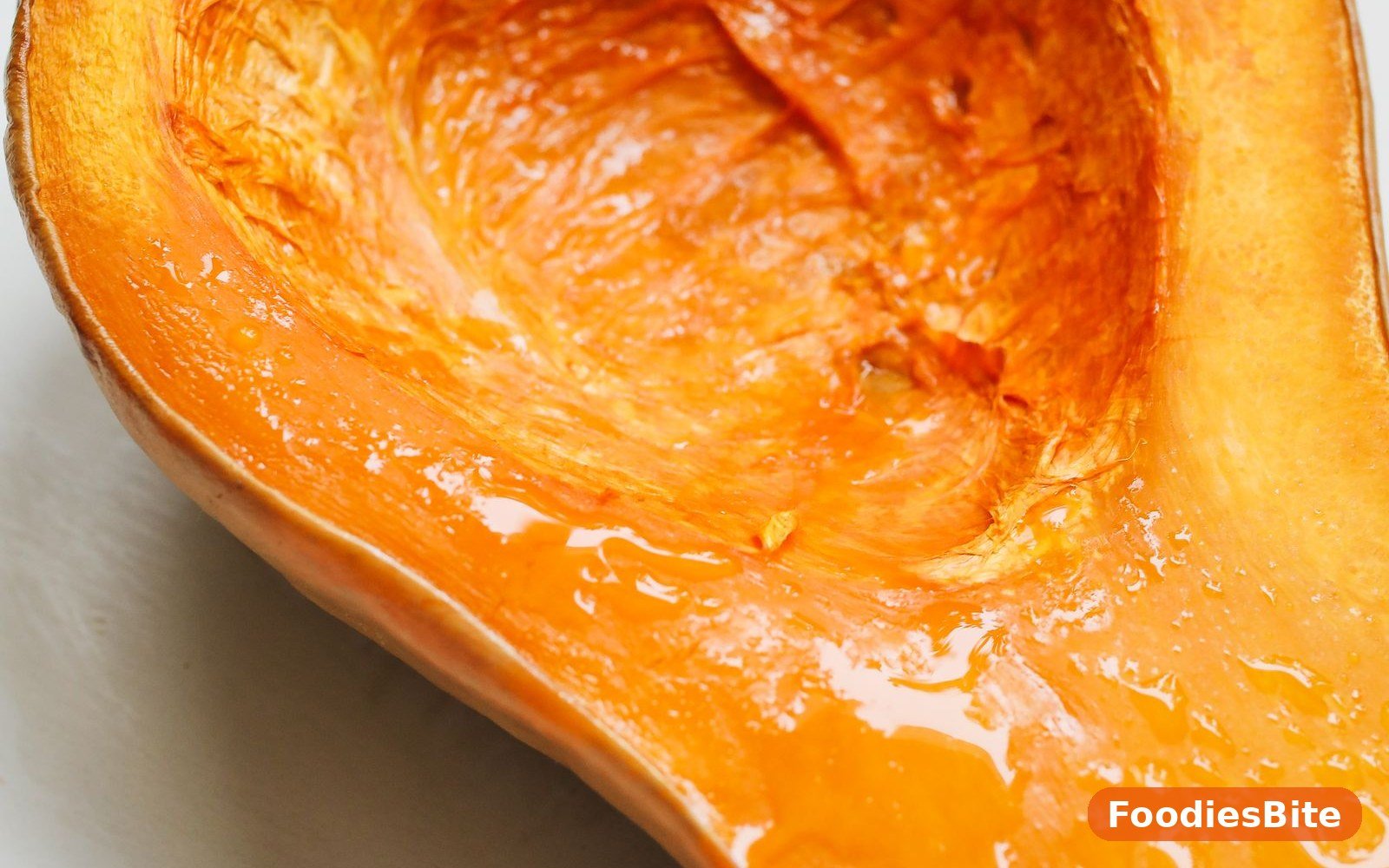
Roasted Butternut Squash with Maple Glaze
Butternut squash is one of those vegetables that people buy with good intentions and then leave sitting on the counter for a week, because it looks like hard work. It is heavy, awkwardly shaped, and the skin seems determined to stay on. The truth is that once you know how to handle it, butternut squash is one of the easiest vegetables to roast, and one of the most rewarding. It turns sweet in the oven, its edges go crisp and caramelised, and with a maple glaze it becomes the kind of side dish that people ask about, the one that disappears first even when there is a roast and potatoes on the table.
Roasting is the best thing you can do to a butternut squash. Boiling makes it watery and dull, steaming makes it soft without much flavour, but roasting concentrates everything good about it. The natural sugars in the flesh caramelise in the heat, the outside firms up and browns, and the inside goes soft and almost creamy. Add maple syrup, and that sweetness deepens into something warm and sticky, with a flavour that sits somewhere between caramel and autumn. A little salt, a little spice, and you have a side dish that tastes like it took far more thought than it did.
This recipe is deliberately simple. You peel the squash, cut it into cubes, toss it with oil and seasonings, roast it until it is nearly done, then brush it with a maple glaze and put it back in the oven for a few more minutes so the glaze sticks and darkens. That is the whole method. It takes about ten minutes of hands-on work and the oven does the rest, which means you can get on with the main course while it cooks. It works on a busy weeknight next to chicken, and it works on a holiday table next to a roast, and that range is rare for a vegetable dish.
One more thing worth saying: this is a good recipe for people who think they do not like squash. A lot of that dislike comes from squash served boiled and unseasoned, which is genuinely unappealing, all soft and bland and vaguely sweet. Roasted squash with a glaze is a different food altogether. It is savoury and sweet at the same time, it has texture, and it has the kind of browned edges that make people reach for seconds. If someone at your table claims not to like butternut squash, serve them this and see what happens.
Why You’ll Love This Recipe
The flavour is the first reason. Roasted butternut squash is naturally sweet, and the maple glaze leans into that sweetness without making the dish taste like dessert. The salt and the spices keep it grounded, the oil helps the edges crisp, and the result is a balance of sweet, salty, and savoury that works with almost any main course. It is the kind of side dish that makes a plain piece of chicken taste like a proper dinner.
The second reason is how little work it takes. Peeling and cubing a squash is the only real job, and once that is done, the recipe is mostly waiting. There is no sauce to make, no careful timing, no last-minute step that demands your full attention. You toss, you roast, you glaze, you roast a little more. It is the kind of cooking that fits around everything else you are doing, which is exactly what a side dish should do.
It is also a forgiving recipe. Butternut squash is hard to overcook badly, because even a soft cube is pleasant, and a slightly over-browned edge is often the best bite in the pan. If your cubes are not perfectly even, the smaller ones will get a little crispier and the larger ones a little softer, and both are good. If you forget the glaze for five minutes, you can still add it. The recipe tolerates real life, which is more than can be said for a lot of side dishes.
The dish is also quietly impressive. It looks beautiful on a plate, all golden and glossy, and it photographs well, and it gives a table colour in the middle of winter when everything else is brown and beige. For a holiday meal, it holds its own next to dishes that took far longer to make, and nobody needs to know that it took you ten minutes to prepare. For a weeknight, it turns an ordinary dinner into something that feels considered, which matters more than it sounds like it should.
Finally, it is good for you in a straightforward way. Butternut squash is full of fibre and vitamins, low in fat, and filling enough that a modest portion feels satisfying. The glaze adds sweetness, yes, but a tablespoon or two of maple syrup across a whole pan of vegetables is not a lot per serving. It is a side dish you can feel good about serving often, and one that children tend to like, because the sweetness makes it approachable in a way that a bitter green vegetable is not.
Ingredients You’ll Need
You need very little for this recipe, and most of it is probably already in your kitchen. The squash is the star, so choose a good one, and the rest is oil, maple syrup, and seasonings. Buy pure maple syrup if you can, because the flavoured pancake syrups sold next to it are mostly corn syrup with maple flavouring, and they do not caramelise the same way or taste the same. A small bottle lasts a long time, and it is worth having for a recipe like this.
- 1 medium butternut squash (about 1.2 kg / 2 1/2 lb), peeled, seeded, and cut into 2 cm (3/4 inch) cubes
- 3 tablespoons olive oil
- 3 tablespoons pure maple syrup
- 1 tablespoon balsamic vinegar (optional, but recommended)
- 1 teaspoon ground cinnamon
- 1/2 teaspoon ground cumin
- 1/2 teaspoon smoked paprika
- 1 teaspoon fine sea salt, plus more to taste
- 1/2 teaspoon black pepper
- 2 tablespoons unsalted butter, melted (for the glaze)
- 2 tablespoons chopped fresh sage or thyme leaves (optional)
- 1/4 cup (30 g) toasted pecans or walnuts, chopped (optional, for serving)
- Flaky sea salt, for finishing
Choose a squash that feels heavy for its size, with a matte, unblemished skin and no soft spots. A squash with a long, thick neck and a small bulb end is easier to peel and gives you more even cubes, because the neck is solid flesh all the way through.
Cut the cubes as evenly as you can, about two centimetres across. Even cubes cook evenly, and that matters more than the exact size. Cubes that are much larger will still be firm in the middle when the smaller ones are done, and cubes that are much smaller will burn at the edges. Two centimetres is a good middle ground: large enough to stay soft inside, small enough to get plenty of browned surface.
The spices are deliberately gentle. Cinnamon gives warmth without making the dish taste like a pudding, cumin adds a savoury depth, and smoked paprika adds a whisper of smokiness that plays well with the maple. If you do not have smoked paprika, sweet paprika works, or leave it out. If you dislike cumin, leave it out too. The recipe will still be good. The balsamic vinegar is optional, but a spoonful in the glaze adds a sharp note that keeps the sweetness from becoming one-dimensional, so use it if you have it.
The butter in the glaze helps it cling to the squash and gives it a richer flavour than maple syrup alone. Olive oil is used for the initial roast, because it handles the heat well and helps the edges crisp. The fresh herbs are optional, but sage in particular is a classic partner for squash, and a few leaves scattered over the finished dish add a savoury, almost woodsy note that balances the sweetness beautifully.
How to Make Roasted Butternut Squash with Maple Glaze
Start by heating the oven to 200°C (400°F) and lining a large baking tray with parchment paper. A hot oven is important here, because a cooler oven will steam the squash instead of roasting it, and you will end up with soft, pale cubes instead of browned, caramelised ones. Give the oven a proper ten minutes to come up to temperature, and put the tray in to warm up while you prepare the squash if you like, though it is not essential.

Peeling the squash is the part that puts people off, and it is easier than it looks. Cut the squash in half where the neck meets the bulb, then stand each half on its flat end and cut the skin away in strips with a sharp knife, working from top to bottom. A vegetable peeler works too, though a knife is faster on a large squash. Once it is peeled, cut the neck into cubes and cut the bulb in half, scoop out the seeds with a spoon, and cut the remaining flesh into cubes. The seeds can be saved and roasted separately if you like, though that is a project for another day.
Put the cubes in a large bowl and toss them with the olive oil, salt, pepper, cinnamon, cumin, and smoked paprika. Use your hands or a large spoon and make sure every cube is coated, because the oil is what helps the edges brown and the spices are what give the dish its flavour. Spread the cubes out on the baking tray in a single layer, with space between them. This is the most important instruction in the whole recipe. Cubes that touch each other will steam, and steamed squash does not brown. If your tray is too small, use two trays rather than crowding one. It is better to wash an extra tray than to serve pale, soggy squash.
Roast for twenty-five minutes, then take the tray out and turn the cubes over with a spatula. Some will have browned nicely on the bottom, and turning them gives the other side a chance. If any cubes are sticking, let them sit for a moment, because they usually release on their own once they have browned properly. Put the tray back in the oven for another ten minutes while you make the glaze.
For the glaze, whisk together the maple syrup, the melted butter, and the balsamic vinegar if you are using it. It should look glossy and pourable. Take the tray out of the oven, drizzle the glaze over the squash, and toss the cubes gently right on the tray, turning them so the glaze coats as many surfaces as possible. Some of the glaze will pool on the tray, and that is fine, it will darken and caramelise in the last few minutes of cooking. Put the tray back in the oven for eight to ten minutes, until the glaze is bubbling and sticky and the edges of the squash are deeply golden.
Take the tray out and let the squash sit for five minutes before serving. The glaze is very hot and very sticky straight out of the oven, and it needs a moment to settle. Taste a cube and add a pinch more salt or a little flaky sea salt if it needs it. Scatter over the chopped herbs and the toasted nuts if you are using them, and serve straight from the tray or tipped into a warm serving bowl. The squash should be tender enough to cut with a fork, with crisp, caramelised edges and a glossy coating that catches the light.
Tips for the Best Roasted Butternut Squash
The single biggest factor in this recipe is space on the tray. I cannot stress this enough, because it is the difference between roasted squash and steamed squash. Use the largest tray you have, spread the cubes out so they are not touching, and use two trays if you need to. If you are doubling the recipe, you will definitely need two trays, or the squash will never crisp.
Cut the cubes evenly, or as close to evenly as you can manage. This matters more than people think, because a pan of mixed sizes cooks unevenly. The small cubes burn while the large cubes are still firm, and then you are picking through the tray deciding what is edible. Take an extra minute to cut them to a similar size, and the whole pan will finish at the same time. A ruler is overkill, but a quick glance at each cube as you cut it is enough.
Do not add the glaze too early. Maple syrup burns easily, and if it goes on at the start, it will darken and turn bitter long before the squash is cooked through. The glaze goes on when the squash is nearly done, so it only spends eight to ten minutes in the heat, just long enough to bubble, thicken, and stick. If you are worried about burning, keep an eye on the tray in those last minutes, because the line between caramelised and burnt is thin, and ovens vary.
Use parchment paper, not foil. Squash sticks to foil, and the glaze sticks even more, and you will end up scraping half the dish off the tray. Parchment releases cleanly, and it also makes cleaning up easy, which matters when the glaze has gone sticky. If you do not have parchment, oil the tray generously, but parchment is better and worth keeping in the cupboard for roasting in general.
Let the squash rest for five minutes before serving. It sounds like a small thing, but the glaze needs that time to settle from a bubbling liquid into a sticky coating, and the squash itself firms up slightly as it cools, which makes it easier to serve. Straight out of the oven, the glaze is hot enough to burn your mouth and runny enough to slide off. Five minutes is the difference between a dish that looks glossy and a dish that looks wet.
Choose your squash carefully, and store it properly. A good squash keeps for weeks in a cool, dark place, so there is no rush to use it the day you buy it. Once cut, though, it should be used within a few days, and it keeps best wrapped in the fridge. If you want to save time on a busy day, buy pre-cut squash from the supermarket. It costs more, and the cubes are often uneven, but it turns a ten-minute job into a two-minute one, and on some days that is the right trade.
Variations to Try
The simplest variation is to change the glaze. Honey works in place of maple syrup, though it is sweeter and a little less complex, so use a tablespoon less and add the balsamic to keep it balanced. Brown sugar mixed with a little butter and water makes a caramel-style glaze that is darker and richer, though it needs watching because sugar burns faster than maple syrup. For a spicier version, add a pinch of chilli flakes or a little cayenne to the glaze, which gives the sweetness a warm kick at the back of the throat. It sounds unusual, but sweet heat is a combination that works, and it suits a barbecue or a spicy main course.
The spices can be changed to suit the meal. A Middle Eastern version uses cumin, coriander, and a little smoked paprika, finished with a squeeze of lemon and a scattering of pomegranate seeds, which look beautiful against the orange squash. An Indian-inspired version uses garam masala and a little turmeric, with a dollop of yoghurt on the side. A simple autumn version keeps just cinnamon and a little nutmeg, which is the combination most people reach for first, and there is nothing wrong with that. The squash is a blank canvas, and the spice cupboard decides where it goes.
Additions after roasting change the dish in good ways. Crumbled feta or goat cheese, scattered over the hot squash, softens slightly and adds a salty, tangy contrast to the sweet glaze. Toasted pecans or walnuts add crunch, and a handful of dried cranberries adds a tart chewiness that suits a holiday table. A drizzle of tahini thinned with lemon juice is another good finish, creamy and nutty, and it makes the dish feel more substantial. Or keep it plain, because the squash on its own is already good, and not every dish needs a topping.
For a heartier version, roast the squash alongside chickpeas tossed in the same oil and spices, which crisp up in the oven and turn the side dish into something close to a main course. Serve it over rice or couscous, or stuff it into a wrap with some greens, and it becomes lunch. You can also mash the roasted squash with a little butter and cream for a smooth side that sits well next to a roast, though you lose the caramelised edges that make the cubed version so good. If you enjoy roasted vegetables generally, the BBC Good Food roasted vegetables collection has more ideas in this style, and the technique behind crispy sweet potato fries is worth reading if you want to understand why spacing and heat matter so much when roasting.
Serving Ideas

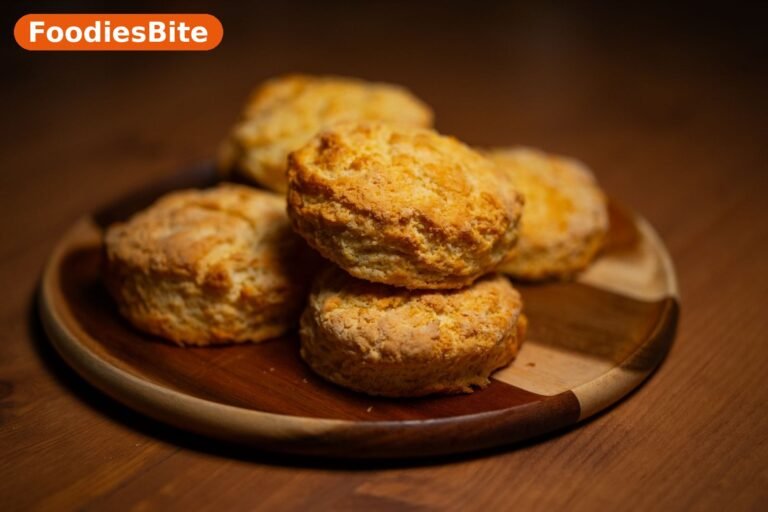
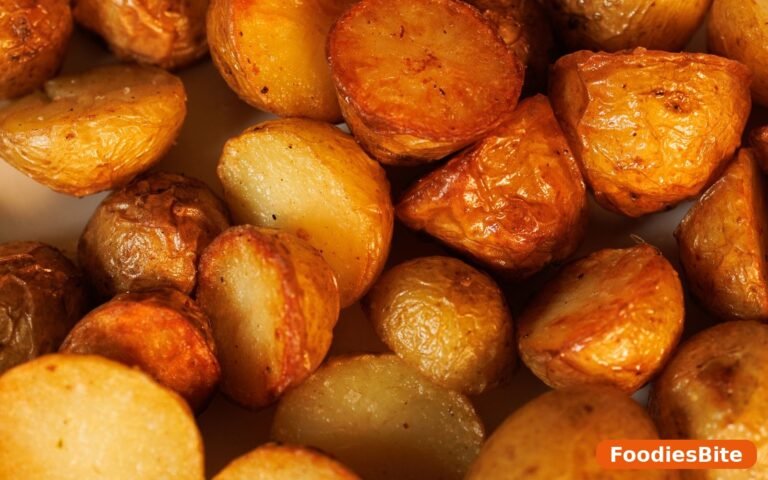
This squash sits happily next to almost any roast. It is a natural partner for roast chicken, roast pork, and turkey, where its sweetness plays against the savoury meat and the rich gravy. For a weeknight, it is excellent with our easy chicken breast recipes with few ingredients, because the chicken is simple and the squash does the interesting work on the plate. Our crispy potatoes are another good side for the same plate, crisp where the squash is soft. A piece of grilled fish works too, though the sweetness is more at home with chicken or pork than with something delicate.
For a holiday table, serve it in a wide, shallow bowl so the glaze shows, and scatter the herbs and nuts over the top just before it goes to the table. It holds its heat well, so you can roast it while the meat rests and bring it out at the same time. If you are serving a vegetarian meal, make the squash the centrepiece, with a grain salad and a green vegetable alongside, and nobody will miss the meat. A bowl of lentils or a bean stew underneath the squash turns it into a proper main course.
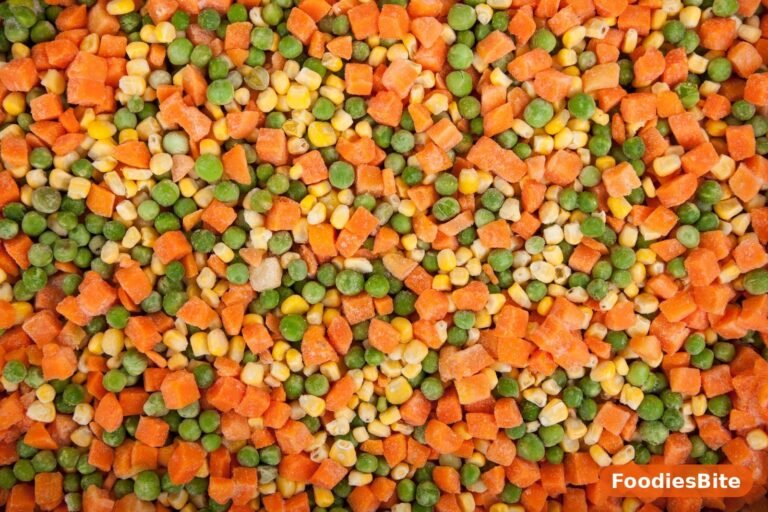
On a weeknight, it works as part of a simple plate: squash, a protein, and a green vegetable or a salad. It also works cold the next day, tossed through a salad with some greens and a sharp dressing, which is a good use of leftovers. For busy nights when the main course is something quick, our easy dinner recipes with frozen vegetables pair well with a tray of this squash, and our creamy garlic mashed cauliflower is another vegetable side that sits nicely on the same plate if you want two vegetables rather than one.
Storage and Reheating
Leftover roasted squash keeps in the fridge for three to four days in a sealed container. It will soften slightly as it sits, and the glaze will lose some of its stickiness, but the flavour holds up well. Eat it cold in a salad, or reheat it in the oven at 190°C (375°F) for about ten minutes, spread out on a tray, which brings back some of the crispness at the edges. The microwave will reheat it faster, but it will make the cubes soft and a little wet, so the oven is worth the extra few minutes if you have them.
To reheat in a pan, warm a little oil or butter in a skillet over medium heat, add the squash in a single layer, and let it sit undisturbed for a few minutes until the bottom crisps again. Turn the cubes once and heat through. This is the best method for small amounts of leftovers, and it works well for turning the squash into a hash the next morning with a fried egg on top.
Freezing is possible, though the texture changes. Freeze the roasted squash without the glaze in a single layer on a tray, then transfer to a bag once solid, and use within two months. Thaw in the fridge overnight and reheat in the oven. The cubes will be softer than fresh, but they are fine mashed, stirred into soup, or blended into a pasta sauce. Do not freeze the glazed version if you can avoid it, because the glaze goes sticky and watery when thawed. If you know you will have leftovers, leave the glaze off a portion and freeze that part plain.
Frequently Asked Questions
Do I have to peel butternut squash?
Yes, for this recipe, because the skin is tough and does not soften enough in the oven to be pleasant. Peeling is the most annoying part of the job, but a sharp knife makes it quick, and pre-cut squash from the supermarket skips it entirely. Some people roast squash with the skin on when they are serving it in wedges, but for cubes, peel it.
Can I use frozen butternut squash?
You can, and it is a good shortcut. Frozen cubes are already peeled and cut, and they roast reasonably well, though they release more water than fresh squash, so they will not brown quite as well. Spread them out, roast them for a few minutes longer, and do not add the glaze until the last few minutes. The result is a little softer, but perfectly good for a weeknight.
Why is my squash soggy instead of caramelised?
Almost always, it is crowding. Cubes that touch each other steam instead of roasting, and steamed squash stays pale and soft. Use a bigger tray, or two trays, and give the cubes space. A cooler oven can also cause it, so check that your oven is fully heated before the tray goes in, and use the temperature in the recipe rather than a lower one.
Can I make this ahead of time?
Yes. Roast the squash without the glaze earlier in the day, let it cool, and keep it on the tray. When you are ready to serve, add the glaze and roast for ten minutes until it is hot and sticky. You can also roast it fully and reheat it in the oven, though the edges will not be quite as crisp the second time. For a holiday meal, the first method is the better one.
What can I use instead of maple syrup?
Honey is the closest substitute, though it is sweeter, so use a little less. Brown sugar mixed with melted butter works too, but watch it closely because sugar burns faster than maple syrup. Golden syrup is another option, with a milder flavour. Avoid pancake syrup, which is mostly corn syrup and does not caramelise properly.
Is this dish vegan?
As written, it is not, because the glaze contains butter. Leave the butter out and use a little more olive oil, or use a plant-based butter, and the dish is vegan. The maple syrup itself is plant-based, and the rest of the ingredients are vegetables, oil, and spices. Check your sugar if you use a brown sugar glaze, because some sugars are processed with bone char, though most people do not worry about that.



3 Comments