Roasted Cabbage Steaks with Garlic Butter
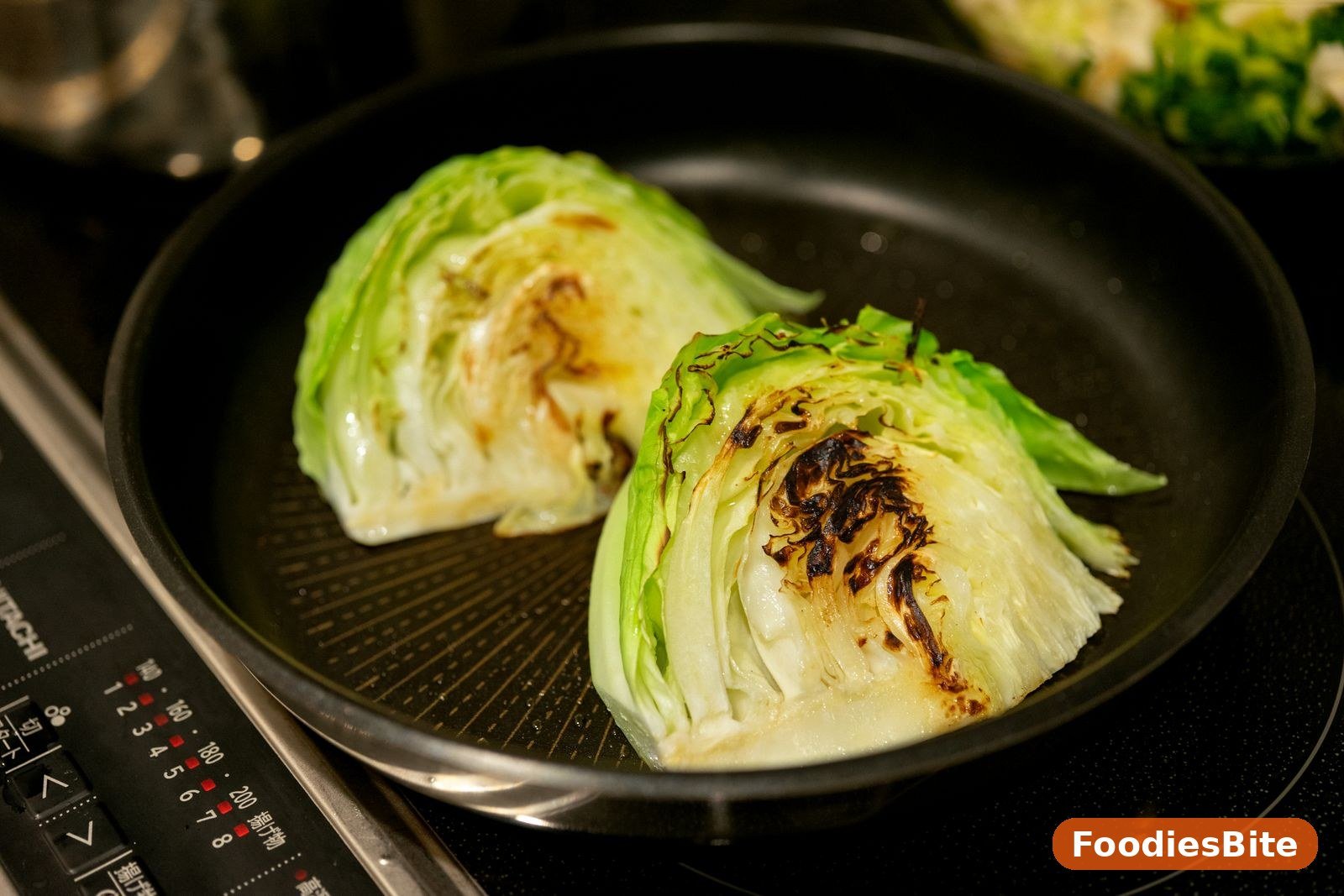
Cabbage has an unfair reputation. It is the vegetable people think of when they think of boiled dinners, school lunches, and food that smells like a damp kitchen. It is cheap, it is ordinary, and it sits in the supermarket looking unremarkable next to vegetables that photograph better. But cabbage, roasted properly, is a different food altogether. Cut into thick steaks, brushed with garlic butter, and roasted until the edges are crisp and caramelised and the middle is tender and sweet, it becomes a side dish that people talk about, and a vegetable that holds its own on a plate next to a steak.
Roasting changes cabbage in the same way it changes other vegetables. The heat draws out moisture, concentrates the flavour, and browns the edges, and the natural sweetness of the cabbage comes forward in a way that boiling never allows. Boiled cabbage is soft, watery, and a little sulphurous. Roasted cabbage is sweet, nutty, and crisp at the edges, with a texture that is satisfying to cut into and eat. It is the difference between a vegetable you tolerate and a vegetable you enjoy, and it comes from nothing more than a hot oven and a little patience.
The garlic butter is what makes this version special. Butter and garlic are a classic pairing, and they suit cabbage beautifully, because the richness of the butter balances the mildness of the cabbage, and the garlic adds a savoury depth that the vegetable does not have on its own. A little parmesan, a squeeze of lemon, and some fresh herbs finish it off, but the core of the recipe is simple: cabbage, butter, garlic, salt, and heat. Five ingredients, one tray, and about forty minutes, most of which is waiting.
This is also one of the cheapest side dishes you can make. A whole cabbage costs very little, feeds four people easily, and keeps for weeks in the fridge, which makes it a useful vegetable to have on hand. It is a good recipe for a weeknight, when you want something proper on the plate without spending much, and it is a good recipe for a larger gathering, when you need a vegetable that can be made in quantity without much work. It is humble food, cooked well, and there is nothing wrong with that.
Why You’ll Love This Recipe
The first reason is the flavour. Roasted cabbage is sweet in a way that surprises people who only know it boiled. The edges caramelise and go crisp, almost like a chip, while the centre stays tender and mild. The garlic butter adds richness and a savoury note that makes the whole dish taste more interesting than a plain vegetable should. It is a side dish that people eat without being told to, which is the best sign that a vegetable recipe is working.
The second reason is how easy it is. You cut the cabbage into steaks, brush them with garlic butter, season them, and put them in the oven. There is no peeling, no chopping into small pieces, no sauce to make, and no last-minute step. The oven does the work, and you can get on with the main course. It is the kind of cooking that fits around a busy evening, and it is forgiving, because cabbage is hard to ruin in the oven. A few extra minutes will not hurt it, and a little more browning only makes it better.
It is also a practical dish. Cabbage is available all year, it is cheap, and it keeps well, so you can buy it whenever and use it when you need it. It feeds a family for very little money, and it scales up easily for a crowd, because you can roast two cabbages on two trays just as easily as one. It is a good recipe to know when the fridge is nearly empty and the budget is tight, because it turns one of the cheapest vegetables in the shop into something genuinely good.
The dish is also surprisingly versatile. It works as a side dish next to almost any main course, from roast chicken to grilled fish to a steak. It works as a vegetarian main course, with a fried egg or some beans on top, or as a base for a grain bowl. Leftovers can be chopped and stirred into soup, or fried with potatoes for a hash. A recipe that does more than one job is worth learning, and this one does several.
Finally, it is a good way to change minds about cabbage. A lot of people who say they do not like cabbage have only ever had it boiled and unseasoned, which is a fair reason to dislike it. Roasted cabbage with garlic butter is a different experience, and it is worth serving to the sceptics at your table. You may not convert everyone, but you will convert more people than you expect, and that is a satisfying thing for a cook.
Ingredients You’ll Need
You need very little for this recipe, and the cabbage is the ingredient that matters most. Choose a head that is firm, heavy, and compact, with fresh-looking outer leaves and no soft spots or brown patches. Green cabbage is the best choice, because it holds its shape well and its flavour is mild and sweet. Savoy cabbage works too, though it is more delicate and will cook a little faster. Red cabbage can be roasted, but it loses its colour and goes a muddy purple, so save it for salads and slaws.
- 1 large green cabbage (about 1 kg / 2 1/4 lb)
- 4 tablespoons (55 g) unsalted butter, melted
- 4 cloves garlic, finely grated or minced
- 2 tablespoons olive oil
- 1 teaspoon fine sea salt, plus more to taste
- 1/2 teaspoon black pepper
- 1/2 teaspoon smoked paprika
- 1/2 teaspoon garlic powder (optional, for extra garlic flavour)
- 30 g (1/3 cup) finely grated parmesan cheese
- 1 tablespoon lemon juice, freshly squeezed
- 2 tablespoons chopped fresh parsley or chives, for serving
- Chilli flakes, for serving (optional)
Cutting the cabbage into steaks is the key technique. Cut the head in half through the core, then cut each half into two or three thick slices, about two centimetres thick, keeping the core intact so the slices hold together. The core is what keeps the steak from falling apart in the oven, so do not cut it out. If a slice does fall apart, it is not a disaster. The pieces will still roast well, and they will still taste good. They just will not look like steaks.
The garlic butter is made by melting the butter and stirring in the grated garlic, the olive oil, the salt, pepper, and smoked paprika. Use fresh garlic, finely grated, because it blends into the butter smoothly and will not burn as easily as chopped garlic. Garlic powder is optional, but it adds a background garlic flavour that survives the roasting better than fresh garlic, which can brown and turn bitter if it sits on the surface of the cabbage for too long. A little of both gives you the best result.
The parmesan is added near the end of cooking, so it melts and browns slightly without burning. Grate it finely so it melts evenly. If you do not have parmesan, a little grated cheddar or pecorino will work, though the flavour will be different. The lemon juice is added at the end, after the cabbage comes out of the oven, because it brightens the richness of the butter and keeps the dish from tasting heavy. Fresh lemon juice is important here. Bottled juice tastes flat and will not do the same job.
How to Make Roasted Cabbage Steaks with Garlic Butter
Start by heating the oven to 200°C (400°F) and lining a large baking tray with parchment paper. A hot oven is important, because a cooler oven will steam the cabbage instead of roasting it, and you will end up with soft, pale slices instead of browned, caramelised ones. Give the oven a proper ten minutes to come up to temperature before the tray goes in.

Prepare the cabbage. Remove any damaged outer leaves, and cut the head in half through the core. Lay each half flat side down and cut it into two or three thick slices, about two centimetres thick, keeping the core in each slice so it holds together. You should get four to six steaks from a large cabbage, depending on its size. The outer slices will be smaller and a little looser, and that is fine. They will still roast well.
Make the garlic butter. Melt the butter in a small pan or in the microwave, then stir in the grated garlic, olive oil, salt, pepper, smoked paprika, and garlic powder if you are using it. Let it sit for a minute so the garlic softens in the warm butter. The mixture should smell strongly of garlic, and it should be thin enough to brush easily. If it thickens as it cools, warm it for a few seconds.
Lay the cabbage steaks on the prepared tray in a single layer, with space between them. Brush the tops generously with half the garlic butter, making sure to get it into the layers of the leaves and around the edges. Season with a little extra salt and pepper. Put the tray in the oven and roast for twenty minutes, until the bottoms are browning and the tops are starting to colour.
Take the tray out, turn the steaks over carefully with a large spatula, and brush the other side with the remaining garlic butter. The cabbage will have softened by now, so handle it gently, or the slices may fall apart. Put the tray back in the oven for another fifteen minutes, until the cabbage is tender all the way through and the edges are deeply golden and crisp in places. A knife should slide easily through the thickest part of the core.
For the last five minutes, sprinkle the parmesan over the tops of the steaks and return the tray to the oven. The cheese will melt and brown slightly, adding a salty, savoury crust. Take the tray out, let the steaks sit for a few minutes, then squeeze the lemon juice over them and scatter the chopped parsley or chives on top. Serve straight from the tray, or transfer the steaks carefully to a serving plate with a large spatula. They should be tender enough to cut with a fork, with crisp, browned edges and a rich, garlicky flavour.
Tips for the Best Roasted Cabbage Steaks
Cut the steaks thick, and keep the core intact. Two centimetres is about right. Thinner slices will cook faster and may fall apart, and thicker slices will take longer to cook through and may stay firm in the middle. The core is the glue that holds the steak together, so cut through it, not around it. If a slice does fall apart, do not worry. Roast the pieces anyway, because they will still taste good, and they make a nice addition to a salad or a soup the next day.
Use a hot oven and a single layer. Cabbage releases a lot of water as it cooks, and if the oven is not hot enough, or the steaks are crowded together, the water will steam the cabbage instead of letting it brown. Use the largest tray you have, give the steaks space, and use two trays if you need to. Parchment paper helps, because the cabbage will not stick to it, and the garlic butter will not burn onto the tray as easily.
Brush the garlic butter on both sides, and get it into the layers. Cabbage is made of layers, and the butter needs to reach between them to flavour the whole steak, not just the surface. Use a pastry brush and work the butter into the leaves gently, opening them slightly with your fingers if you need to. The more butter that gets between the layers, the better the finished dish will taste. Save half the butter for the second side, and do not be shy with it.
Do not add the parmesan too early. Cheese burns easily, and if it goes on at the start, it will be black and bitter long before the cabbage is cooked. Add it in the last five minutes, when the cabbage is nearly done, so it melts and browns just enough. If you like a crispier cheese topping, put the tray under the grill for a minute at the end, but watch it closely, because the line between golden and burnt is thin.
Let the steaks rest for a few minutes before serving. Straight out of the oven, they are very hot and the butter is runny, and they are hard to move without falling apart. A few minutes on the tray lets them firm up slightly, and the butter settles into the layers. The lemon juice goes on after they come out of the oven, not before, because the heat will dull its brightness. A squeeze of lemon at the end is a small thing, but it makes a real difference to the flavour.
Variations to Try
The simplest variation is to change the seasoning. A smoky version uses smoked paprika and a pinch of cumin, with a little chilli powder for warmth. An Italian version uses dried oregano, a little more parmesan, and a drizzle of balsamic vinegar at the end. An Asian-inspired version brushes the steaks with sesame oil and soy sauce instead of garlic butter, with a scattering of sesame seeds and spring onions. The method stays the same, only the flavours change, and the cabbage takes each of them well.
The topping can be changed too. Crispy breadcrumbs, toasted in a little butter with garlic, scattered over the finished steaks, add crunch that contrasts nicely with the soft cabbage. Crumbled bacon, cooked until crisp, adds a salty, smoky note that suits the garlic butter. A fried egg on top turns a side dish into a light main course, and a spoonful of romesco sauce or a chimichurri adds colour and flavour. A drizzle of tahini, thinned with lemon juice, makes the dish richer and more substantial, and it suits a vegetarian meal.
For a heartier version, roast the cabbage steaks alongside sliced potatoes or carrots, tossed in the same garlic butter, which cook in the same time and turn the tray into a complete side dish. Or serve the steaks over a bed of lentils or white beans, which catch the garlic butter and turn into part of the dish. A spoonful of grain, like couscous or rice, underneath the steak is another good way to make it into a meal, especially for lunch.
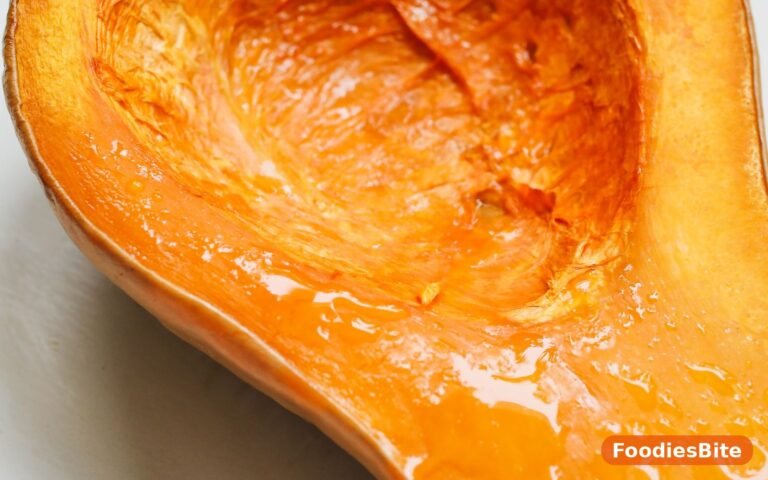
If you want a lighter version, use olive oil instead of butter, and add the garlic and lemon as before. The flavour will be cleaner and less rich, and it will suit a summer meal or a dish where the main course is already rich. A dairy-free version can be made with a plant-based butter, though the flavour will be a little different. The parmesan can be left out, or replaced with nutritional yeast for a cheesy flavour without the dairy. Our roasted butternut squash with maple glaze is another vegetable side that changes completely with its topping, and our mexican street corn salad shows how a simple vegetable can carry big flavours. For more on roasting vegetables well, the BBC Good Food roasted vegetables collection is a good place to browse, and the Serious Eats guide to green beans explains the same principles of heat and timing that apply here.
Serving Ideas

Roasted cabbage steaks sit well next to almost any roast. They are a natural partner for roast chicken, pork chops, or a steak, where the sweet, caramelised cabbage balances the savoury meat. For a weeknight, they work with our easy chicken skillet recipes without oven, because the chicken is quick and the cabbage does the interesting work on the plate. A piece of grilled fish works too, though the garlic butter is richer than fish usually needs, so serve a smaller portion alongside it.
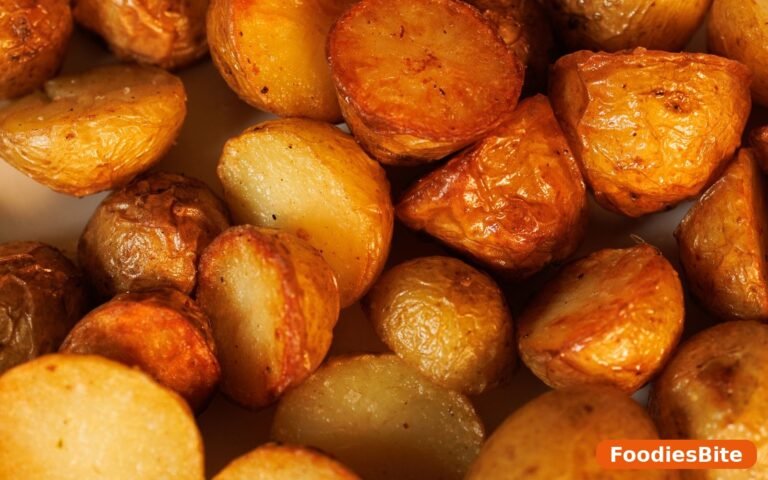
For a vegetarian meal, make the cabbage the centrepiece, with a grain salad, some beans, and a green vegetable alongside. A fried egg on top, or a spoonful of hummus, turns it into a proper dinner. It also works as part of a larger vegetable spread, next to our crispy potatoes, which give you crunch to go with the softness of the cabbage, and a salad for freshness. The contrast of textures is what makes a vegetable spread feel like a meal rather than a collection of sides.
On a holiday table, the steaks look impressive, because they are large, golden, and easy to serve. Arrange them on a wide platter, scatter the herbs over the top, and let people help themselves. They hold their heat well, so you can roast them while the meat rests and bring them out at the same time. If you are serving a crowd, roast two cabbages on two trays, and you will have plenty for everyone.
For a simple lunch, serve a steak on toast, with a fried egg and a little hot sauce, or chop the leftover cabbage and stir it through pasta with garlic and chilli. It is a flexible dish, and once you have made it a few times, you will find yourself reaching for it whenever the meal needs a vegetable that is more interesting than a pile of boiled greens.
Storage and Reheating
Leftover cabbage steaks keep in the fridge for three to four days in a sealed container. They will soften as they sit, and the crisp edges will go soft, but the flavour holds up well. Reheat them in the oven at 190°C (375°F) for about ten minutes, spread out on a tray, which will bring back some of the crispness at the edges. The microwave will reheat them faster, but it will make them soft and a little wet, so the oven is worth the extra few minutes.
To reheat in a pan, warm a little oil or butter in a skillet over medium heat, add the steaks in a single layer, and let them sit undisturbed for a few minutes until the bottom crisps again. Turn them once and heat through. This is the best method for small amounts of leftovers, and it works well for turning the cabbage into a hash the next morning with potatoes and a fried egg on top.
Freezing is possible, though the texture changes. Freeze the roasted steaks in a single layer on a tray, then transfer to a bag once solid, and use within two months. Thaw in the fridge overnight and reheat in the oven. The cabbage will be softer than fresh, but it is fine chopped into soup, stirred into pasta, or fried into a hash. Do not freeze the steaks with fresh herbs on top, because they will go dark. Add those fresh when you serve it.
Frequently Asked Questions
Why did my cabbage steaks fall apart?
The most common reason is that the core was cut out, or the slices were cut too thin. The core is what holds the steak together, so cut through it, not around it, and keep the slices about two centimetres thick. If a slice does fall apart, roast the pieces anyway. They will still taste good, and they make a nice addition to a salad or a soup the next day.
Can I use red cabbage or savoy cabbage?
Savoy cabbage works well, though it is more delicate and will cook a little faster, so check it a few minutes earlier. Red cabbage can be roasted, but it loses its bright colour and goes a muddy purple, and its flavour is a little stronger. Green cabbage is the best choice for this recipe, because it holds its shape, its flavour is mild, and it browns beautifully.
How do I know when the cabbage is done?
A knife should slide easily through the thickest part of the core, and the edges should be deeply golden and crisp in places. If the centre is still firm, give it another five minutes in the oven. Cabbage is forgiving, and a few extra minutes will not hurt it. If the edges are browning too fast, cover the tray loosely with foil for the last few minutes.
Can I make these ahead of time?
Yes. Roast the steaks earlier in the day, let them cool, and keep them on the tray. When you are ready to serve, reheat them in the oven at 190°C (375°F) for ten minutes, add the parmesan for the last five minutes, and finish with the lemon juice and herbs. They will not be quite as crisp as fresh, but they will still be good, and it takes the pressure off a busy evening.
Is this dish vegan?
As written, it is not, because of the butter and the parmesan. Use olive oil or a plant-based butter instead of butter, and leave the parmesan out, or replace it with nutritional yeast. The rest of the ingredients are vegetables, oil, and spices, so the dish is easily made vegan, and it is still good. Check your bread or any sauce you serve with it if you are cooking for a vegan guest.
What should I serve with cabbage steaks?
Almost anything. Roast chicken, pork chops, steak, grilled fish, sausages, or a vegetarian main like beans or lentils all work. They are a good partner for potatoes, for rice, or for a grain salad, and they sit well on a plate with another vegetable, like carrots or green beans. The garlic butter makes them rich, so a fresh salad or a sharp dressing on the side is a nice contrast.