Quick Meals With Ingredients I Have: Easy Ideas for Busy Days
There are evenings when dinner feels impossible, not because you cannot cook, but because you cannot face another trip to the store. You open the fridge, scan the shelves, and conclude, with complete confidence, that there is nothing to eat. Then, ten minutes later, you are eating toast over the sink or ordering food you did not really want. Most kitchens, it turns out, are far better stocked than that first glance suggests.
The trick is not a secret ingredient or a complicated technique. It is a change of question. Instead of asking what recipe you can follow, ask what you can build from what is already there. A few eggs, a bag of rice, a tin of beans, some pasta, a couple of potatoes, a handful of frozen vegetables, and a piece of chicken — cooked or raw — are enough for a whole week of different dinners, as long as you know how to combine them.
This guide is about that way of cooking. It covers the pantry-first mindset, the staple combinations that never fail, fast chicken ideas, and the seasoning habits that turn plain ingredients into food you actually look forward to. Nothing here needs a special shopping trip. If your kitchen looks even half full, dinner is closer than you think.
The Pantry-First Way to Think About Dinner
Most recipes start with a shopping list. Pantry-first cooking starts with a look around. Open the fridge, the freezer, and the cupboard, and take stock before you decide anything. Pull out the things that need using first — the vegetables that are softening, the last of the cheese, the cooked chicken from yesterday — and let those set the direction of the meal.
Next, think in threes: a protein, a base, and something fresh or flavourful. The protein might be eggs, chicken, beans, tuna, lentils, or cheese. The base might be rice, pasta, potatoes, bread, tortillas, or noodles. The third part is whatever lifts the dish — vegetables, a sauce, herbs, pickles, hot sauce, or a squeeze of lemon. Almost every satisfying quick meal fits this pattern, from a chicken and rice skillet to beans on toast with a fried egg.
This approach also takes the pressure off. You do not need every ingredient a recipe names. You need a workable combination and enough seasoning to make it taste deliberate. Swapping one vegetable for another, or beans for chicken, is not a failure of the recipe; it is exactly how home cooking is supposed to work. A well-stocked pantry is less about having everything and more about having a few flexible things that combine in many ways.
Building Meals From Staples You Already Have
Staples earn their place by being useful in more than one kind of meal. Rice becomes a skillet dinner one night, fried rice the next, and a warm bowl with beans and vegetables after that. Pasta takes a butter and garlic sauce, a tomato sauce, or a tin of tuna with equal ease. Potatoes can be crisped in a skillet, baked and loaded with toppings, or simmered into soup. Eggs tie all of these together, adding protein in minutes.
Frozen vegetables deserve special praise in this kind of cooking. They need no washing or chopping, they cook straight from the freezer, and they rescue a meal that would otherwise be only starch and protein. Keep peas, corn, mixed vegetables, and spinach on hand, and you will rarely face a plate with nothing green on it. Tinned tomatoes, beans, and chickpeas play a similar role: long-lasting, cheap, and ready to become a sauce, a salad, or a bowl with almost no preparation.
A useful habit is to group your staples mentally rather than listing them. Grains and pasta in one group, proteins in another, vegetables and flavourings in a third. When you look at the groups instead of individual items, combinations suggest themselves. Rice plus beans plus salsa is a meal. Pasta plus eggs plus cheese and black pepper is another. Potatoes plus eggs plus whatever vegetables remain is a third, and it is a genuinely good dinner, not a compromise.
Quick Chicken Ideas That Save Busy Nights
Chicken is the ingredient that turns a pantry meal into a proper dinner, and it works whether it is already cooked or still raw. Cooked chicken is the fastest option of all: slice it or shred it, warm it gently in a skillet with a little oil and seasoning, and add it to rice, pasta, wraps, soup, or a salad. Because it only needs warming through, these meals come together in the time it takes to cook the base.
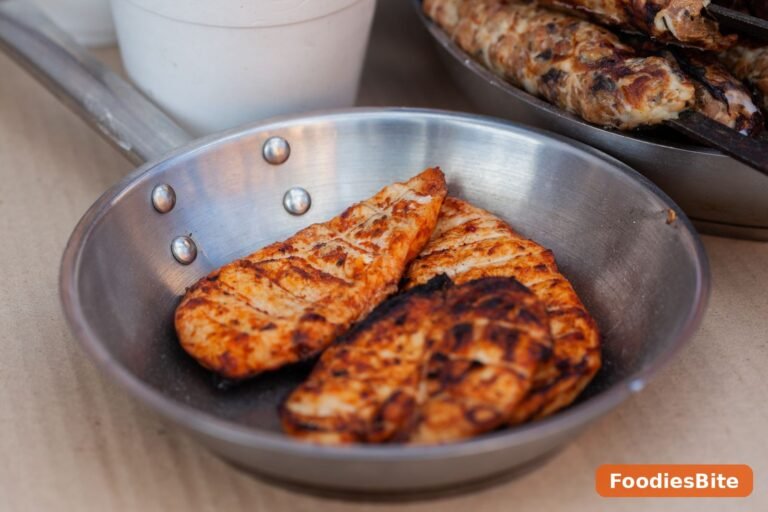
Raw chicken needs a little more care, but not much more time. Thin slices or small cubes cook quickly in a hot skillet, and they are done when the meat is no longer pink and reaches 74°C (165°F) right through. Cut the pieces small and even, keep the pan hot, and do not crowd it, or the chicken will steam instead of browning. A simple seasoning of salt, pepper, paprika, and garlic powder is enough; the sauce or vegetables you add will do the rest of the work.
If you often cook chicken, consider cooking extra on purpose. A second tray of chicken thighs or a few extra breasts, stored in a covered container in the fridge, quietly becomes tomorrow’s wraps, fried rice, or pasta. Our guide to easy meals with leftover chicken breast shows how one batch can become several different dinners, and the same idea works for any cooked chicken you have on hand.
Eggs, Pasta, and Rice: Three Bases, Endless Dinners
Eggs are the busiest cook’s best friend. They cook in minutes, they cost little, and they turn almost anything into a meal. A scramble with whatever vegetables are in the fridge, served with toast or leftover rice, is dinner in ten minutes. An omelette filled with cheese and softened peppers feels more deliberate than it is. Eggs cracked into a tomato sauce and covered until just set make a comforting skillet supper with bread for dipping, and eggs over crispy potatoes are a breakfast-for-dinner that nobody complains about.
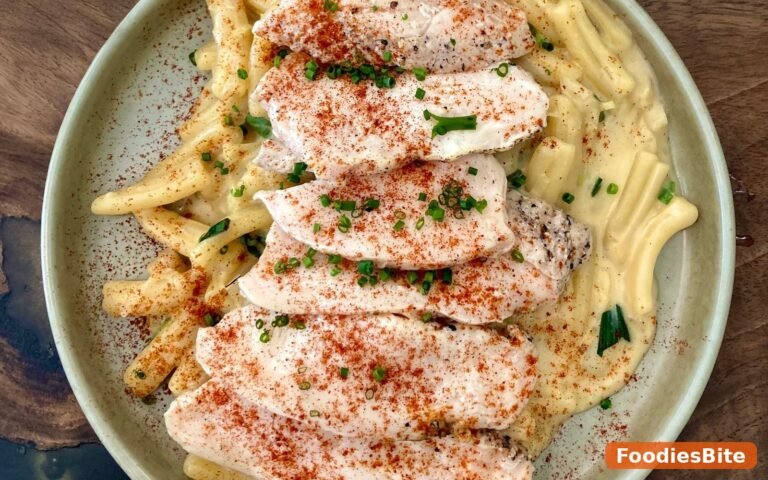
Pasta is equally forgiving. While it boils, melt butter with garlic, or warm tinned tomatoes with onion and herbs, and toss the drained pasta through the sauce with a handful of spinach or peas. A tin of tuna, a spoonful of cream cheese, or some shredded chicken turns the same base into a different meal each time. The key detail is to save a little of the pasta cooking water; a splash loosens the sauce and helps it cling to the pasta instead of pooling at the bottom of the bowl.
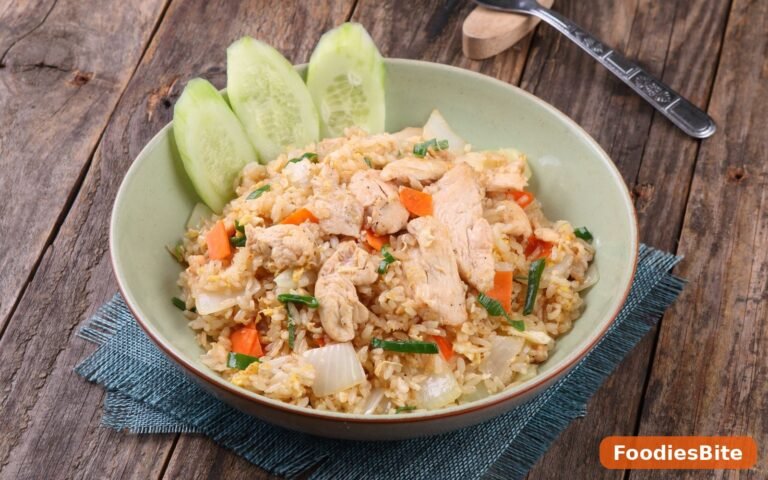
Rice rewards a little patience. Cooked rice, especially rice from the day before, fries beautifully with vegetables, egg, and soy sauce, and it welcomes leftover chicken, beans, or tofu. Freshly cooked rice makes a better bowl: spoon it into a dish, top it with beans or chicken, add vegetables and a sauce, and finish with something crunchy or pickled. Both versions use the same staples; they simply suit different moods and different amounts of time.
Quick Meal Ideas for Every Kind of Busy Day
Not every busy day is busy in the same way, and the best quick meal matches the kind of evening you are having. On a truly exhausted night, when even chopping feels like too much, go for assembly rather than cooking: a grilled cheese sandwich with tomato, a wrap filled with cooked chicken and whatever salad vegetables you have, or a quesadilla with cheese, beans, and peppers crisped in a dry skillet. These take ten to fifteen minutes, use one pan at most, and still feel like real food.
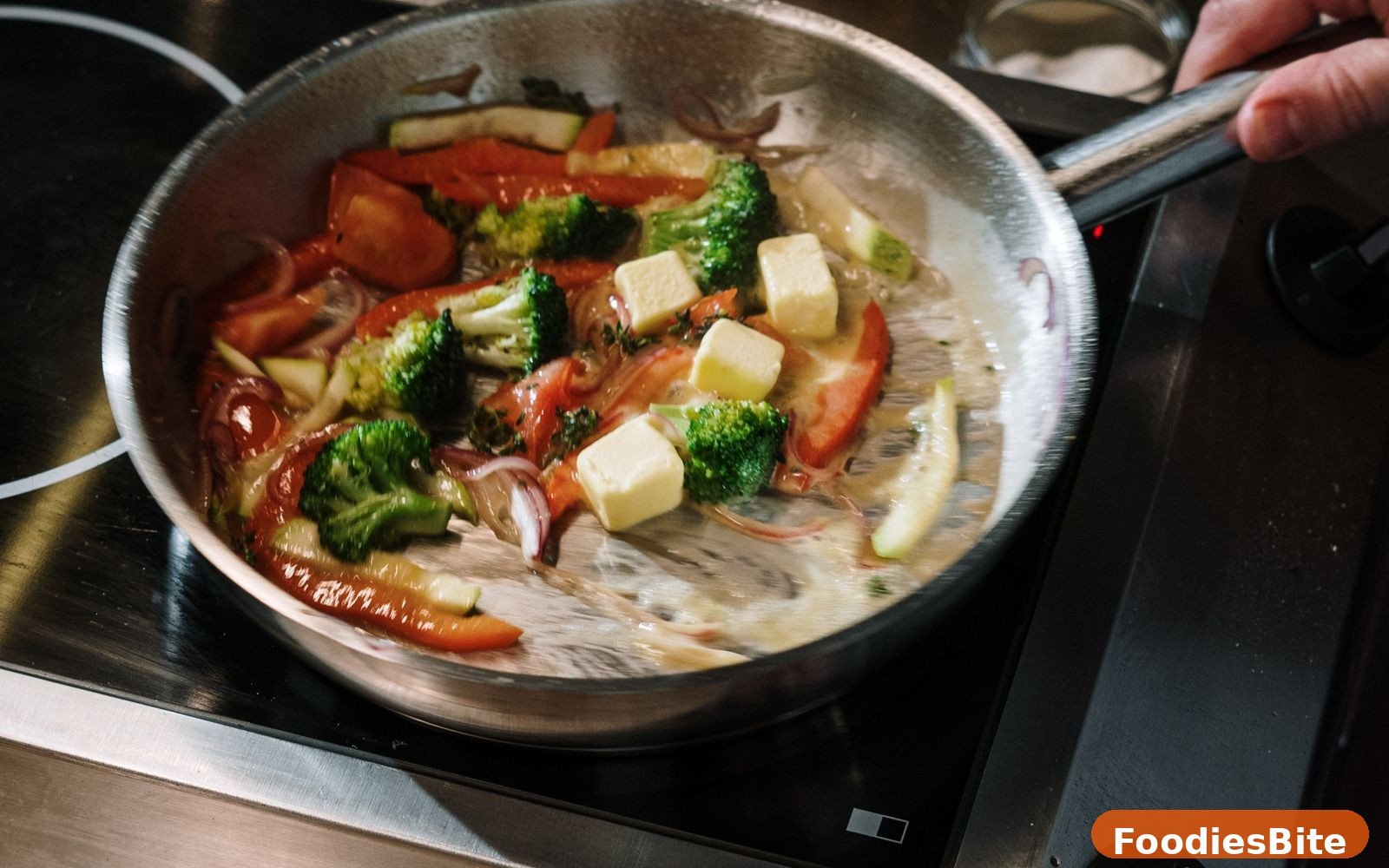
On a night when you have half an hour and a little energy, a one-pan skillet is the answer. Crisp diced potatoes with onion and peppers, add eggs or chicken, season well, and serve straight from the pan. Or cook chicken pieces with frozen vegetables and rice in a single skillet, finishing with soy sauce or a squeeze of lemon. One pan means less washing up, which matters more than most recipes admit on a weeknight.
On a colder or slower evening, soup is the kindest option. Soften onion and garlic, add whatever vegetables you have with water or stock, simmer until tender, and stir in beans, noodles, rice, or shredded chicken near the end. Soup forgives almost any combination, uses up vegetables that are past their prime, and tastes better the next day. For more weeknight inspiration in this style, our simple chicken dinner ideas for busy nights collection is built around exactly these kinds of evenings.
Soups, Bowls, and Skillets From What Is Left
Leftovers are not a problem to solve; they are the start of the next meal. Cooked rice becomes fried rice or a rice bowl. Roasted vegetables fold into eggs, pasta, sandwiches, or quesadillas. Mashed potatoes can be shaped into cakes and crisped in a skillet. A small amount of chicken stretches a long way in soup, fried rice, or a noodle bowl, where it is one flavour among several rather than the whole plate.
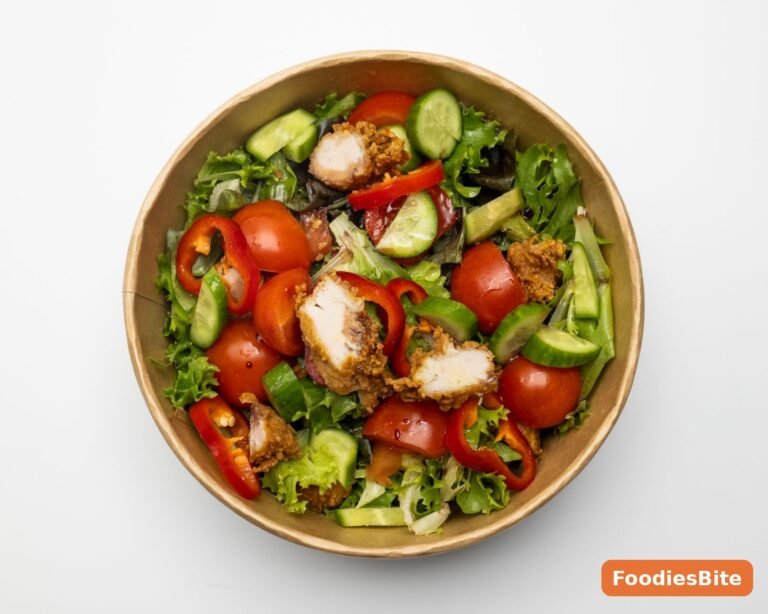
Bowls are the most flexible format of all. Start with a base, add a protein, add vegetables, add a sauce, and finish with something that adds texture — toasted nuts, crispy onions, pickled vegetables, or a handful of crunchy salad leaves. Change the sauce and the bowl changes character entirely: a peanut dressing, a garlic yogurt sauce, a tomato salsa, or a simple lemon and oil dressing each point the same ingredients in a different direction.
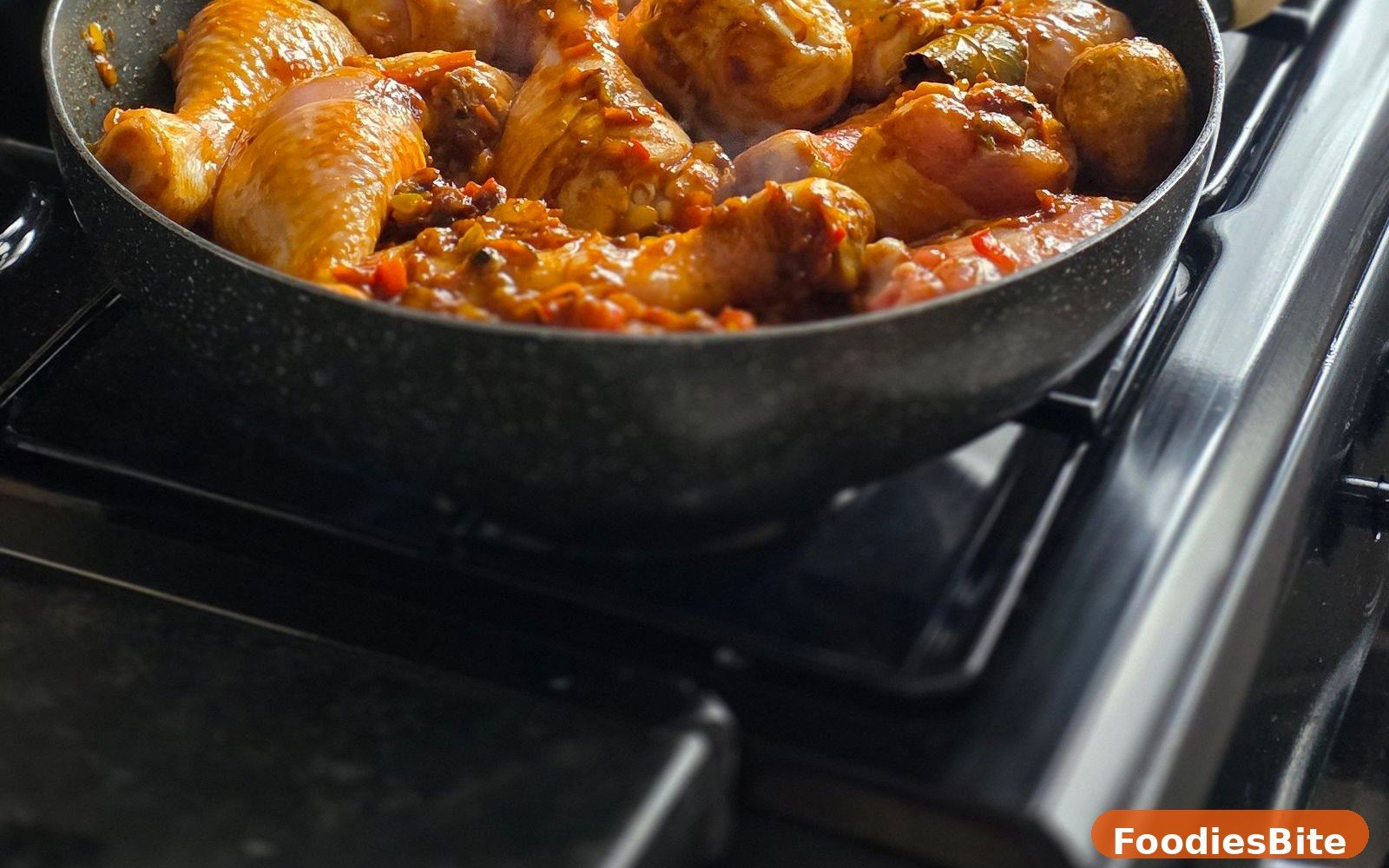
Skillets work on the same principle with heat instead of assembly. Everything goes into one pan, in order of cooking time: the things that take longest first, the things that only need warming last. Potatoes before eggs, raw chicken before vegetables, cooked chicken after the sauce is ready. This order keeps textures right — crisp where they should be crisp, tender where they should be tender — and it is the difference between a thrown-together pan and a meal that tastes planned.
Seasoning: The Small Step That Changes Everything
If pantry meals sometimes taste dull, seasoning is almost always the reason. Plain rice, plain chicken, and plain vegetables are not boring ingredients; they are unfinished ones. Salt is the foundation, but the layers on top of it are what make a dish taste like a particular cuisine rather than a generic plate of food.
Build a small seasoning shelf and learn a few combinations by heart. Garlic, black pepper, and paprika suit almost anything. Cumin and chilli suit beans, chicken, and rice bowls. Soy sauce, ginger, and sesame suit noodles and fried rice. Italian herbs, tomato, and Parmesan suit pasta and skillet vegetables. Curry powder and coconut milk or tomatoes turn chicken and vegetables into a quick curry served with rice or flatbread. None of these needs measuring with precision; taste, adjust, and taste again.
Acid and heat are the two finishers most home cooks forget. A squeeze of lemon or a splash of vinegar brightens a rich or starchy dish instantly. A pinch of chilli flakes or a dash of hot sauce wakes up beans, eggs, and soups. A handful of fresh herbs, if you have them, or a spoonful of yogurt or pickles, adds the fresh contrast that makes a simple meal feel complete. Chicken as food appears in cuisines all over the world for exactly this reason: the same mild protein takes on completely different characters depending on how it is seasoned.
A Smarter Pantry List for Next Time
A good pantry is not a big pantry. It is a small set of ingredients you actually use, kept topped up so that busy nights never catch you empty-handed. On the shelf: rice, pasta, noodles, tinned tomatoes, tinned beans and chickpeas, tuna, flour, breadcrumbs, and cooking oil. Beside them: salt, black pepper, garlic powder, onion powder, paprika, cumin, chilli flakes, curry powder, soy sauce, and one or two dried herb blends.
In the fridge, the working staples are eggs, cheese, butter, yogurt, and a few fresh vegetables that keep well, such as onions, carrots, and peppers. In the freezer: peas, corn, mixed vegetables, spinach, and chicken portions, all of which cook directly from frozen or thaw quickly in a skillet. With those three groups covered, you can build a meal on any night without a list, and you can browse our Chicken Recipes collection for the next idea when you want something more specific.
Shopping for this pantry is also simpler than shopping for individual recipes. Instead of buying one herb for one dish, you buy the seasonings you use every week. For fresh ideas each week, start at the FoodiesBite homepage and pick one new combination to try. Instead of a different protein each night, you keep chicken, eggs, and beans in rotation. Over time, the cost drops, waste drops, and the nightly question changes from “what can I possibly cook?” to “which of these good options do I feel like tonight?” That shift is the whole point of pantry-first cooking.
Frequently Asked Questions
What can I cook when I only have a few ingredients?
Start with what you have and build around it. One protein, one base, and one flavour lift are enough: eggs with potatoes and peppers, chicken with rice and frozen vegetables, or beans with rice and salsa. Choose the format that fits your ingredients — a skillet, a bowl, a wrap, or a soup — rather than hunting for a recipe that matches them exactly.
How do I make quick meals taste less plain?
Season in layers and finish with acid or heat. Salt the dish properly, add garlic, paprika, cumin, or herbs while cooking, then finish with lemon juice, vinegar, chilli flakes, or hot sauce. A sauce, a pickle, or a spoonful of yogurt on the side also adds the contrast that makes simple food taste finished.
Is it safe to use leftover chicken in quick meals?
Yes, as long as it has been stored properly in a covered container in the refrigerator and used within a few days. Warm it gently with a splash of water, stock, or sauce so it does not dry out, and heat it through before serving. For raw chicken, cook it until it reaches 74°C (165°F) all the way through and shows no pink meat.
What are the best pantry staples to keep for busy days?
Rice, pasta, noodles, potatoes, tinned tomatoes, tinned beans and chickpeas, tuna, eggs, cheese, frozen vegetables, tortillas, and bread cover most quick meals. Add salt, pepper, garlic powder, paprika, cumin, chilli flakes, soy sauce, and cooking oil, and you can combine those staples into dozens of different dinners.
Can I make a filling meal without meat?
Absolutely. Eggs, beans, lentils, chickpeas, cheese, and yogurt all provide satisfying protein, and they pair well with rice, pasta, potatoes, and bread. A bean and rice bowl, a chickpea salad with bread, a vegetable and egg skillet, or pasta with beans and tomato sauce are all filling, quick, and cheap.