Creamy Garlic Chicken Pasta
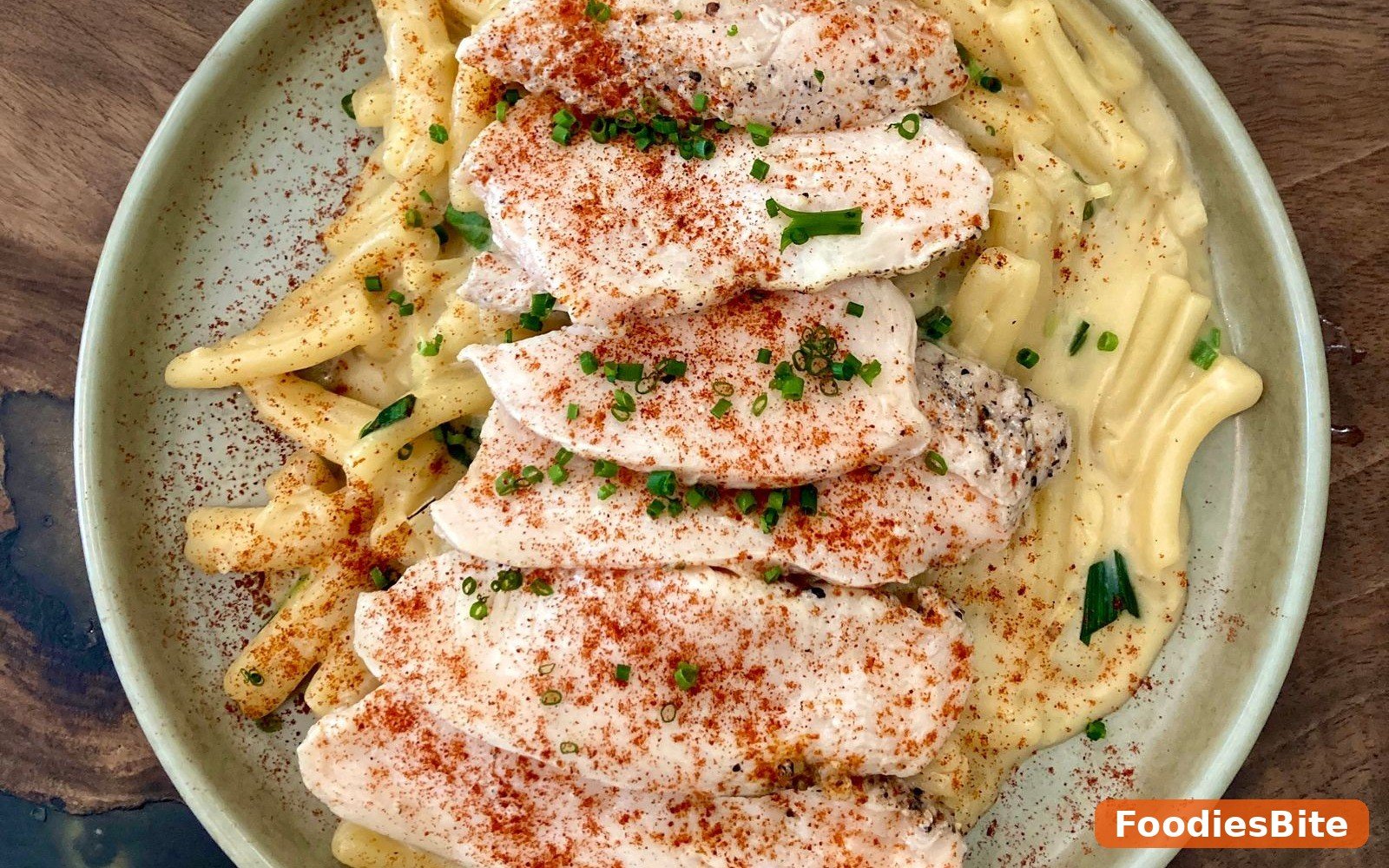
Creamy garlic chicken pasta is the dinner you make when you want something comforting, fast, and guaranteed to please everyone at the table. Tender slices of chicken, a silky garlic cream sauce, and pasta that catches every drop of it, all in one bowl, in about thirty minutes. It is the kind of meal that feels like a treat but cooks like a weeknight staple, and once you learn the simple sauce technique, you will find yourself making it again and again.
The secret to great creamy garlic chicken pasta is not a long list of ingredients. It is a short list, used well: chicken cooked properly, garlic cooked gently, cream simmered just long enough to thicken, and pasta finished in the sauce so the two become one dish instead of two separate parts. This guide covers all of it, from choosing the right pasta shape to fixing a sauce that is too thin or too thick. If you enjoy easy chicken dinners, you will also like our easy chicken skillet recipes without oven, and you can browse more ideas in our Chicken Recipes collection.
Why This Pasta Works on Busy Nights
Creamy garlic chicken pasta works on busy nights because it is built from pantry staples and cooks in a single, predictable sequence. While the pasta boils, you cook the chicken. While the chicken rests, you build the sauce in the same pan. Then everything comes together for a final minute of tossing. There is no complicated timing, no special equipment, and no step that requires you to stand over the stove for long. Most of the cooking is hands-off simmering, which means you can set the table or make a salad while dinner finishes itself.
It is also a flexible recipe, which matters when you are cooking from what is already in the kitchen. Almost any pasta shape works, chicken breasts or thighs both work, and the sauce adapts to a splash of milk if you are out of cream, or a handful of spinach if you want something green in the bowl. That flexibility is what turns a recipe into a habit. Instead of a dish you make once from a shopping list, it becomes a dish you can make whenever you have chicken and pasta in the house, which is most of the time.
And then there is the comfort factor. A creamy, garlicky pasta is deeply satisfying in a way that lighter dinners sometimes are not, especially on cold evenings or after long days. The sauce coats the pasta, the chicken adds substance, and a shower of Parmesan on top makes it feel complete. It is the kind of meal that makes people slow down a little at the table, which is a good thing for a weeknight dinner.
Ingredients You Need
For four servings of creamy garlic chicken pasta, you need one pound of pasta, one and a half pounds of chicken, and a handful of sauce ingredients. For the pasta, fettuccine, penne, or rigatoni all work beautifully, because their shapes hold sauce well. You will also need two tablespoons of olive oil, one teaspoon of salt, half a teaspoon of black pepper, and one teaspoon of Italian seasoning for the chicken.
The sauce uses four cloves of garlic, thinly sliced, two tablespoons of butter, one and a half cups of heavy cream, one cup of freshly grated Parmesan cheese, and half a cup of reserved pasta water. Fresh parsley and extra Parmesan are for serving. That is the full list, and every item earns its place. The butter and cream create the body of the sauce, the garlic gives it character, the Parmesan adds savory depth and helps the sauce thicken, and the pasta water, starchy from cooking, is the secret ingredient that binds the sauce to the pasta.
A note on the cream: heavy cream is the best choice here, because it simmers without curdling and thickens into a proper sauce. Half-and-half can work, but the sauce will be thinner and needs more careful heat. Milk on its own is not recommended, because it is likely to split when simmered with the other ingredients. If you need a lighter version, use half cream and half milk, keep the heat gentle, and add the Parmesan gradually. And always grate your own Parmesan if you can. Pre-grated cheese contains anti-caking agents that can make a cream sauce grainy, while freshly grated cheese melts smoothly.
Cooking the Chicken Right
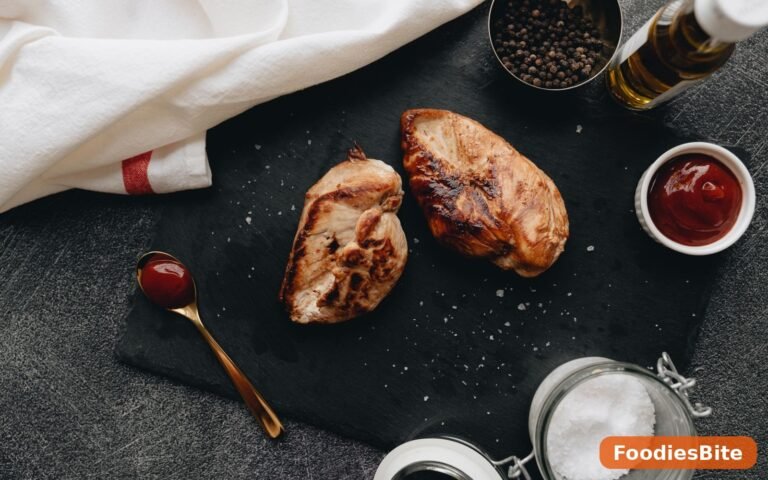
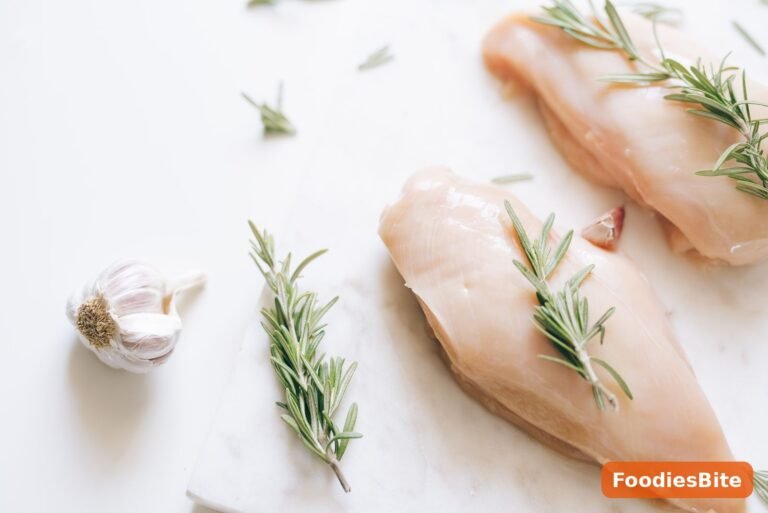
The chicken in creamy garlic chicken pasta should be tender, well seasoned, and sliced into pieces that are easy to eat with a fork. Start by slicing boneless chicken breasts or thighs into thin strips, about half an inch wide. Thin strips cook quickly and evenly, which is exactly what you want, and they distribute through the pasta better than large chunks. Season them with salt, pepper, and Italian seasoning, and let them sit for a few minutes while the pasta water comes to a boil.
Heat olive oil in a large, deep skillet over medium-high heat. When the oil shimmers, add the chicken in a single layer and cook without moving it for three to four minutes, until the underside is golden. Then flip and cook for another three minutes. The chicken should be cooked through, but remember it will go back into the hot sauce later, so it is fine to pull it a moment before you think it is perfect. Always confirm with a thermometer: chicken is safe at 74°C (165°F) at the thickest part. Remove the chicken to a plate and tent it loosely with foil while you make the sauce in the same pan. Do not wipe the pan. The browned bits left behind are flavor, and they will dissolve into the sauce.
If you prefer to use chicken thighs, the method is identical, and the result is arguably even better, because thighs stay juicy through the second cooking in the sauce. If you have leftover cooked chicken from another meal, you can skip this step entirely: slice the cooked chicken, warm it briefly in the finished sauce, and dinner is even faster. This is a good recipe to keep in mind when you have leftover roast chicken in the fridge.
The Sauce, Step by Step
The sauce for creamy garlic chicken pasta comes together in about ten minutes, and the order of steps matters. Start with the same skillet you cooked the chicken in, over medium heat. Add the butter and let it melt, then add the sliced garlic and cook gently for about one minute, stirring constantly, until it smells fragrant and sweet. Garlic is the soul of this sauce, but it burns fast, so keep the heat moderate and do not let the slices turn dark brown. Pale gold is perfect; dark brown is bitter, and bitter garlic will flavor the whole dish.
Pour in the cream and stir, scraping up the browned bits from the pan. Let the cream simmer gently, not boil hard, for three to four minutes, until it thickens enough to coat the back of a spoon. Then reduce the heat to low and add the Parmesan a handful at a time, stirring until each addition melts before adding the next. Adding the cheese gradually and keeping the heat low is what keeps the sauce smooth instead of grainy. If the sauce feels too thick, add a splash of the reserved pasta water. If it feels too thin, let it simmer for another minute. Season with salt and pepper, taste, and adjust. A squeeze of lemon juice at the end is optional, but it brightens the richness beautifully.
Meanwhile, cook the pasta in a large pot of well-salted water until it is just shy of done, about one minute less than the package directions. Before draining, scoop out a cup of the pasta water and set it aside. Drain the pasta and add it directly to the sauce, along with the sliced chicken. Toss everything together over low heat for one to two minutes, adding splashes of pasta water as needed, until the pasta is coated in a glossy sauce and the chicken is warmed through. Finishing the pasta in the sauce is the step that makes the dish taste like it came from a good restaurant: the starch in the pasta water helps the sauce cling, and the pasta absorbs a little of the garlic cream flavor.
Choosing the Right Pasta Shape
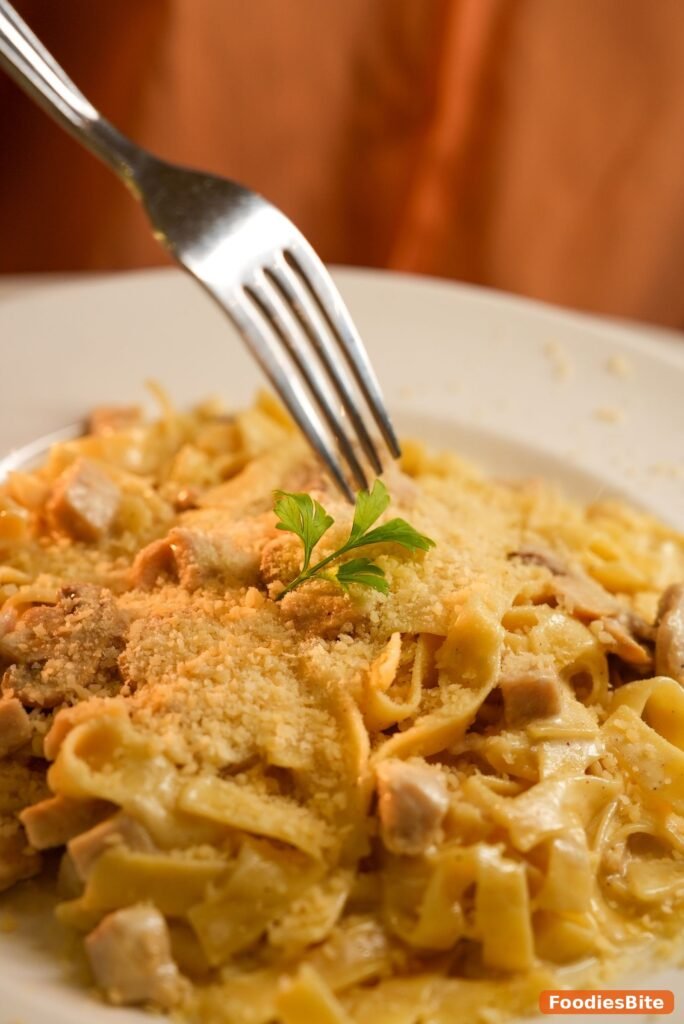
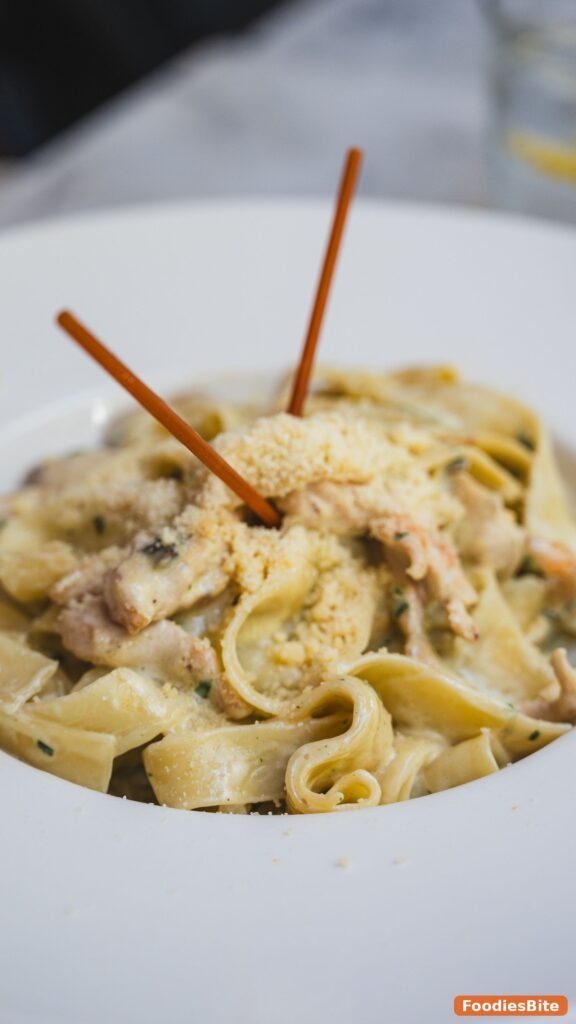
The shape of pasta you choose affects how creamy garlic chicken pasta eats, and it is worth thinking about for a moment. Long, flat shapes like fettuccine are the classic choice for cream sauces, because the sauce coats their broad surfaces evenly and every bite has pasta, sauce, and chicken together. If you love twirling pasta around a fork, fettuccine is the shape for you, and it is the closest to the traditional pairing for a sauce like this.
Short, tubular shapes like penne and rigatoni are equally good, and they have a practical advantage: the sauce gets inside the tubes, so every piece carries extra flavor, and they are easier for children to eat. Ridged versions, labeled rigati, hold even more sauce, because the ridges catch the cream. If you are serving a crowd or packing leftovers for lunch, a short shape is often the smarter choice, because it reheats more evenly and does not clump the way long pasta sometimes does.
Pasta itself has a long history, and the basic principle behind pairing shapes with sauces has stayed the same for centuries: match the sauce to the shape that carries it best. For a rich cream sauce, that means shapes with surface area and texture. Whatever you choose, cook it in plenty of salted water, and never add oil to the water. Oil on the pasta surface stops the sauce from clinging, which is the opposite of what you want in a creamy dish.
Variations Worth Trying
Once you are comfortable with the basic recipe, creamy garlic chicken pasta is easy to adapt. For a version with vegetables, add a few handfuls of baby spinach to the sauce just before the pasta goes in, and let it wilt for a minute. The spinach adds color and freshness, and it barely changes the cooking time. Mushrooms are another excellent addition: slice them, cook them in the pan after the chicken comes out and before the garlic goes in, and let their savory flavor join the sauce. Sun-dried tomatoes, chopped and stirred in with the cream, add a sweet, tangy contrast that works beautifully with garlic.
For a spicier version, add half a teaspoon of red pepper flakes with the garlic. The heat builds gently and balances the richness of the cream. For a smoky twist, a pinch of smoked paprika on the chicken changes the whole character of the dish. And if you want to make the recipe feel a little more special, a splash of white wine, added to the pan after the garlic and simmered for a minute before the cream goes in, adds a subtle depth that tastes like a restaurant sauce. Just make sure the wine simmers long enough for the alcohol to cook off.
You can also change the protein. Shrimp cooks in just a few minutes and pairs wonderfully with garlic cream sauce, and sliced mushrooms alone make a satisfying vegetarian version. The sauce method stays exactly the same, which is the beauty of learning a technique rather than just a recipe. And if you are in the mood for a different chicken dinner entirely, our crispy potatoes make a wonderful side for almost any chicken main, and you can explore more on the FoodiesBite homepage.
Serving and Storing
Creamy garlic chicken pasta is best served immediately, while the sauce is glossy and the pasta is hot. Divide it among warm bowls, scatter fresh parsley and extra Parmesan on top, and serve with a simple green salad and crusty bread if you like. The bread is not just a side; it is a tool for the last of the sauce, which nobody should leave in the bowl. A glass of something cold and simple, like sparkling water with lemon, keeps the meal feeling balanced against the richness of the cream.
Leftovers keep in an airtight container in the refrigerator for up to three days, but cream sauces thicken as they cool, so reheating needs a little care. Warm the pasta gently in a skillet over low heat with a splash of milk or cream, stirring often, until it loosens back into a sauce. Avoid the microwave on high heat, which can make the sauce separate and the chicken rubbery. If you reheat gently, the second serving is nearly as good as the first, and it makes an excellent packed lunch.
Freezing is not ideal for this dish, because cream sauces can separate when thawed. If you need to plan ahead, cook the chicken and freeze it separately, then make the sauce fresh on the night you want to eat. The sauce itself takes only ten minutes, so this approach gives you most of the convenience without the texture problems. Cooked pasta, on the other hand, freezes poorly on its own too, so fresh is best for this particular dinner.
Common Mistakes to Avoid
The most common mistake with creamy garlic chicken pasta is a broken or grainy sauce, and it almost always comes from heat that is too high or cheese added too fast. Cream should simmer gently, never boil hard, and Parmesan should go in gradually over low heat. If your sauce does turn grainy, remove the pan from the heat, add a splash of warm cream, and whisk vigorously. Often it comes back together. If it has fully separated, starting the sauce again is faster than trying to rescue it, and the chicken and pasta can wait under foil.
The second mistake is overcooking the pasta. Because the pasta finishes in the sauce for a minute or two, it should come out of the water slightly underdone. If you cook it fully in the water and then again in the sauce, it turns soft and mushy. Set a timer, taste a piece a minute before the package time, and drain it when it still has a slight bite. It will finish perfectly in the sauce.
The third mistake is forgetting the pasta water. That starchy liquid is what turns a good cream sauce into a great one, because it helps the sauce cling to the pasta instead of pooling at the bottom of the bowl. Always reserve a cup before draining, even if you think you will not need it. You almost always do, and a sauce adjusted with pasta water looks and tastes noticeably better than one thinned with plain water.
Frequently Asked Questions
Can I use milk instead of heavy cream?
You can use a mix of half milk and half cream, but milk alone is likely to curdle when simmered and will not thicken into a proper sauce. If you use the lighter mix, keep the heat very low, add the Parmesan gradually, and accept a thinner sauce. For the most reliable result, heavy cream is worth using, and a smaller portion of a good sauce is more satisfying than a larger portion of a broken one.
What is the best pasta shape for creamy garlic chicken pasta?
Fettuccine is the classic choice, because its broad surface holds cream sauce beautifully. Penne and rigatoni are equally good and easier for children and leftovers, since the sauce gets inside the tubes. Avoid very small shapes, which can get lost in a chunky chicken sauce, and very thin shapes like angel hair, which overcook quickly and do not carry a heavy sauce well.
How do I keep the sauce from getting grainy?
Keep the heat low once the cream is in the pan, and add the Parmesan a handful at a time, stirring until each addition melts before adding more. Use freshly grated Parmesan rather than pre-grated cheese, which contains anti-caking agents that can make sauces grainy. If the sauce does turn grainy, take it off the heat and whisk in a splash of warm cream.
Can I make creamy garlic chicken pasta ahead of time?
It is best served fresh, but you can cook the chicken ahead and refrigerate it for up to two days, then make the sauce and pasta fresh when you want to eat. The sauce itself takes only ten minutes, so this approach saves most of the time without the texture problems of reheating a cream sauce. Leftovers keep for three days in the fridge and reheat gently with a splash of milk or cream.
Is creamy garlic chicken pasta the same as chicken Alfredo?
It is closely related. Traditional Alfredo sauce is butter, Parmesan, and pasta water, without cream, while this recipe uses cream for a richer, more forgiving sauce that is easier for home cooks. Both are delicious, and the technique here, finishing the pasta in the sauce, comes from the same Italian tradition. Think of this version as a garlic-forward, weeknight-friendly cousin of Alfredo.