Easy Chicken Recipes Without Breading: Simple, Crispy, and Flavorful Ideas
There is a quiet confidence to chicken cooked without a coating. Nothing hides the seasoning, nothing softens into a soggy layer on the way to the table, and nothing demands a separate station of flour, egg, and crumbs before dinner can even begin. A well-seasoned piece of chicken, cooked in a hot pan or a hot oven until its surface turns golden, can be just as satisfying as any breaded version — often more so, because every bite tastes like chicken, not like coating.
That is the promise of cooking without breading: fewer dishes, fewer ingredients, and a dinner that still feels complete. This guide gathers the ideas that work best, from a fast garlic butter skillet to a tray of oven-roasted thighs, and explains the small techniques that make the difference between dry, pale chicken and chicken that is juicy inside with a beautifully browned outside. Whether you are cooking for one on a Tuesday or feeding a family on a Sunday, there is a breading-free approach here that fits the evening you actually have.
Why Skip the Breading?
For many cooks, the first reason is simply preference. Some people enjoy the clean, direct flavour of seasoned chicken, and a coating can feel heavy, especially when it is fried. Without it, herbs, citrus, garlic, and spices sit right on the surface of the meat, where they brown and become fragrant instead of disappearing under a crust.
Convenience is the second reason, and on a busy night it may be the bigger one. A coating means extra bowls, extra mess, and a pan full of crumbs to scrub later. Skipping it means you can season the chicken, heat the pan, and start cooking within minutes. There is no waiting for oil to reach frying temperature for a deep coating, and no worry about the coating slipping off in the pan.
There is also flexibility. Unbreaded chicken adapts to almost any direction you want to take it. The same seasoned breasts can become a lemon and herb dinner, a fajita filling, a salad topping, or a rice bowl, simply by changing the sauce or the side dishes. A breaded cutlet, by contrast, tends to stay a breaded cutlet. If you have ever wondered what breading actually adds to a dish — and what it takes away — cooking a few meals without it is the quickest way to find out.
Choosing the Right Cut
The cut you choose shapes the whole meal, so it is worth matching it to the cooking method rather than reaching for whatever is nearest in the fridge.
Chicken breasts are lean, quick to cook, and ideal for slicing over salads, bowls, and pasta. Their one weakness is that they dry out if overcooked, so even thickness and a thermometer matter more here than with any other cut. If one end of a breast is much thicker than the other, flatten it gently with the flat side of a meat mallet or a rolling pin between sheets of baking paper until it is roughly even. That single step is often the difference between a breast that is juicy throughout and one that is perfect at one end and chalky at the other.
Chicken thighs, bone-in or boneless, are more forgiving. Their slightly higher fat content keeps them tender even if they spend a few extra minutes in the oven, and skin-on thighs reward high heat with skin that turns crisp and deeply golden all on its own. Thighs are the best choice for cooks who are still building confidence, and for recipes where the chicken will be cut into pieces and tossed with vegetables or sauce.
Tenders cook fastest of all and are a good option for children or for quick stir-fry style meals, while drumsticks and wings suit the grill and the oven, where their skin can crisp slowly. It is no surprise that chicken as food appears in kitchens around the world: the same bird suits roasting, grilling, frying, and braising, and each cut brings its own strengths to the table. Whole chickens, spatchcocked or roasted as they are, make a generous weekend dinner and produce leftovers that are genuinely useful. Whatever cut you choose, the rule that never changes is doneness: cook chicken until it reaches 74°C (165°F) at the thickest part, checked with a meat thermometer, and let it rest for a few minutes before slicing so the juices settle.
Getting Crispy Texture Without Breading
Crispness without a coating is not a trick; it is a matter of surface, heat, and patience. The surface must be dry, the pan or oven must be properly hot, and the chicken must be left alone long enough to brown.
Start by patting the chicken dry with paper towels. Moisture on the surface turns to steam in the pan, and steam is the enemy of browning. Season just before cooking, or if you have time, season an hour ahead and leave the chicken uncovered in the fridge so the surface dries further. A light brush of oil helps heat transfer and encourages an even golden colour, but you do not need much — a teaspoon or two for a whole pan is plenty, and skin-on cuts may need none at all.
Heat matters just as much. A skillet should be hot enough that a drop of water sizzles and evaporates quickly, and an oven should be fully preheated before the tray goes in. In an air fryer, the same principle applies: preheat it for a few minutes, arrange the chicken in a single layer with space between the pieces, and resist the urge to shake the basket every minute. Crowding is the most common mistake. When pieces sit shoulder to shoulder, they steam each other instead of browning. Cook in two batches if you must; the second batch will be ready in minutes, and both will be better than one crowded, pale pan.
Finally, do not move the chicken too soon. When a breast or thigh first hits a hot pan, it will cling. As the surface browns, it releases naturally. That release is your signal that a good crust has formed and it is time to turn. Flip once, maybe twice, and let the second side do the same. This patience is the whole secret of our crispy chicken without breadcrumbs approach, and it works in a skillet, on a grill, and in an air fryer alike.
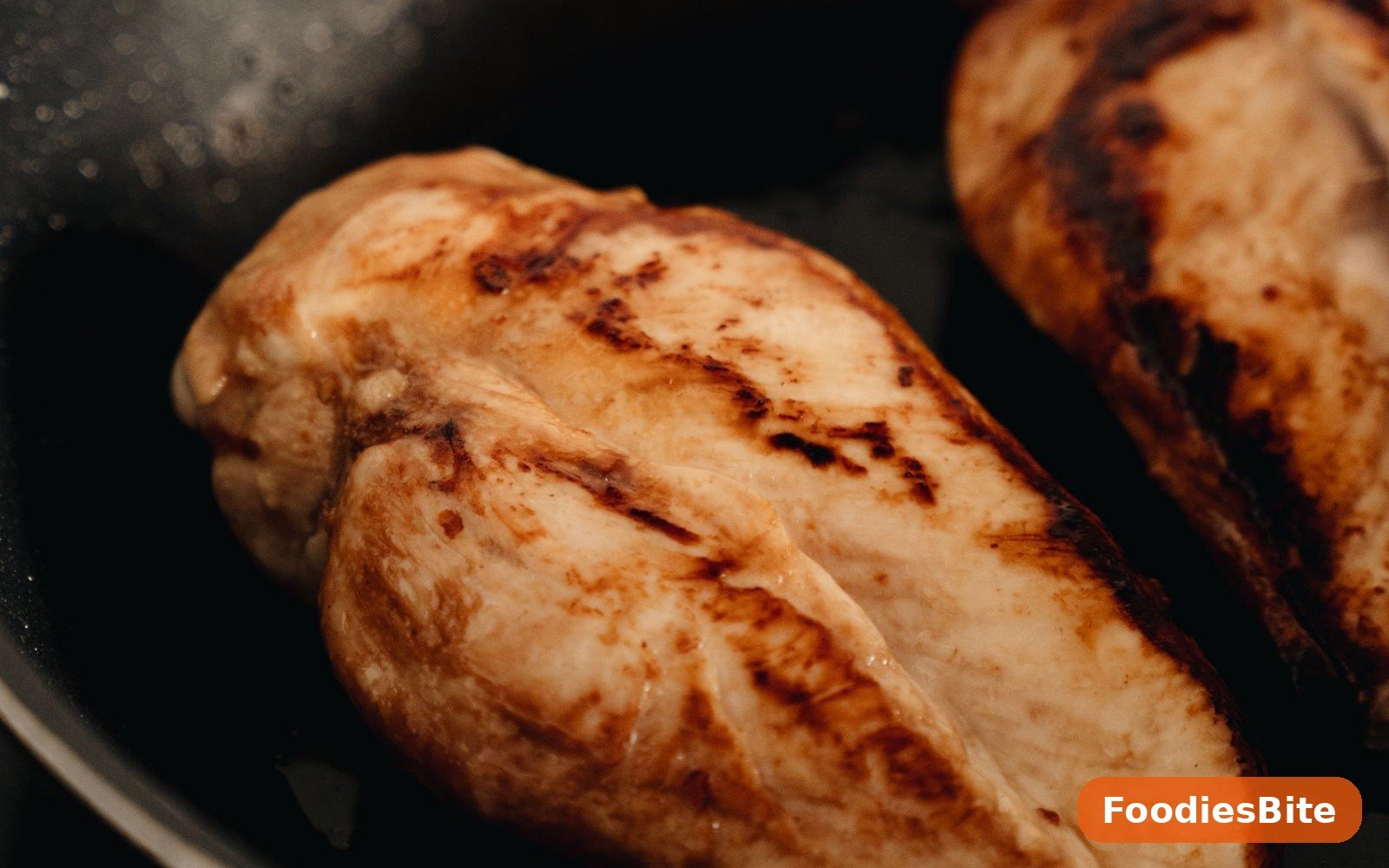
Skillet Dinners in Under Thirty Minutes
The skillet is where breading-free cooking shines brightest, because a hot pan does in minutes what a coating tries to imitate: it builds colour, flavour, and texture directly on the chicken.
Garlic butter chicken is the classic starting point. Season breasts or boneless thighs with salt, pepper, paprika, and garlic powder, then sear them in a little oil until golden on both sides and cooked through to 74°C (165°F). Lower the heat, add a knob of butter and a few minced garlic cloves, and spoon the foaming butter over the chicken for a minute or two. Finish with chopped parsley and a squeeze of lemon. Served with rice, roasted potatoes, or a green salad, it is a dinner that tastes far more elaborate than the effort it took.
Lemon and herb chicken follows the same shape with a brighter finish. Season with salt, pepper, garlic powder, rosemary, and thyme, sear until golden, then add lemon juice and a splash of chicken broth to the pan. Let the liquid bubble for a couple of minutes, scraping up the browned bits from the base of the pan — those bits are concentrated flavour, and they become a light pan sauce with no thickener at all. This is a good weeknight choice when you want something fresh rather than rich.
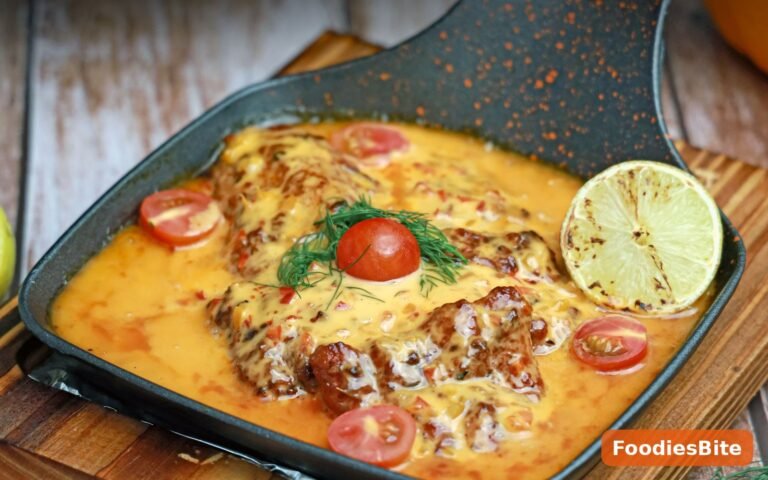
For a heartier skillet, try chicken with mushrooms. Brown seasoned chicken, lift it out, and cook sliced mushrooms in the same pan until they shrink, darken, and develop a savoury depth. Return the chicken, add a splash of broth, and finish with butter and fresh herbs. A spoonful of cream stirred in at the end makes a gentle creamy version without any flour. The pan does the work; you only need to avoid washing away its flavour by adding too much liquid at once.
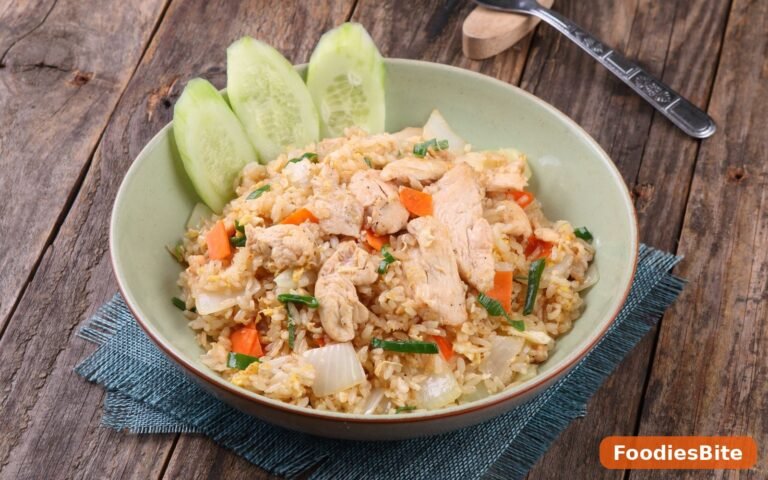
Two more skillet ideas round out the week. A fajita skillet — thin strips of chicken cooked fast with sliced onions and peppers, seasoned with chilli powder, cumin, paprika, and garlic — becomes tacos, tortillas, or a rice bowl depending on what is in the cupboard. A spicy skillet uses the same method with a little extra cayenne and a splash of tomato sauce to keep everything moist, served over rice or with roasted potatoes. In both cases, keep the vegetables slightly crisp so the dish has contrast, and season the chicken generously, since there is no coating to carry flavour for it.
Oven and Air Fryer Favourites
When the evening allows the oven to do the work, baked chicken thighs are hard to beat. Pat skin-on thighs dry, season them well with salt, pepper, paprika, garlic powder, onion powder, and Italian seasoning, and arrange them on a sheet pan or in a baking dish with the skin facing up. Roast in a hot oven until the skin is crisp and burnished and the meat reaches 74°C (165°F). The rendered fat bastes the meat as it cooks, which is why thighs stay juicy even for a cook who is still learning timings. Serve them with roasted potatoes, green beans, carrots, or rice, and let the pan juices spoon over the sides.
A one-pan tray of chicken and vegetables uses the same idea for a complete dinner with almost no washing up. Cut chicken into bite-sized pieces or use thighs, toss with bell peppers, zucchini, broccoli, onions, or carrots, olive oil, garlic powder, paprika, Italian seasoning, salt, and pepper, and spread everything in a single layer on a large baking sheet. Roast until the chicken is cooked through and the vegetables are tender and lightly charred at the edges. Whatever vegetables are already in the fridge will work, and the whole tray can be served over rice or quinoa for a more filling meal.
The air fryer deserves its place here too, especially for breasts. Pat them dry, rub with olive oil, paprika, garlic powder, onion powder, salt, and pepper, and cook in a single layer, turning once if your model benefits from it. Cooking time depends on thickness, so a thermometer is more reliable than any timer. Rest the chicken for a few minutes before slicing, and you will find the air fryer produces a browned, juicy breast with no coating at all. If thighs are more your style, our chicken thighs without breading in the air fryer guide covers that cut in detail, and it is one of the most forgiving air fryer meals a beginner can make.
Grilled Chicken and Simple Marinades
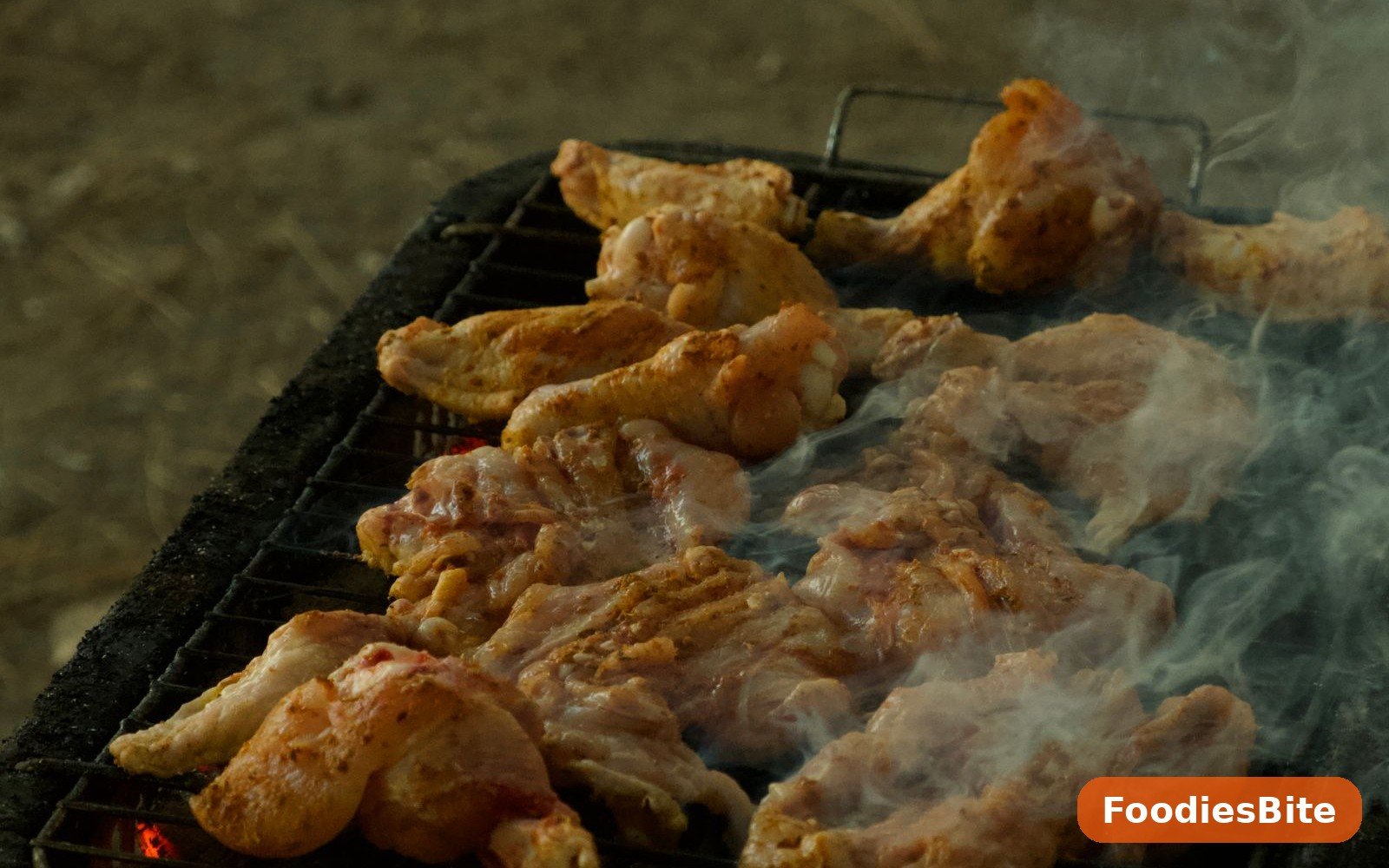
Grilled chicken needs no breading to taste remarkable, because the grill itself supplies the flavour: smoke, char, and the savoury notes of meat cooked over direct heat. A short marinade is all the preparation required, and it doubles as seasoning and moisture.
A reliable all-purpose marinade mixes olive oil, lemon juice, garlic, paprika, salt, pepper, and dried herbs. Thirty minutes is enough to make a difference; a few hours in the fridge is better, and overnight is ideal for thicker pieces. The oil carries the flavours onto the meat, the acid brightens them, and the salt seasons deeper than a last-minute sprinkle can. Take care with sugary marinades, though: honey and sweet sauces burn quickly over high heat, so brush those on near the end of cooking rather than at the start.
On the grill, use medium-high heat, oil the grates lightly, and let the chicken develop grill marks before turning. As with the skillet, the chicken will release when it is ready to flip. Cook until the thickest part reaches 74°C (165°F), then rest it before slicing. Grilled chicken is also a gift to the rest of the week: cook extra, slice it cold over salads, fold it into wraps, or pile it into rice bowls, and two or three later meals are already halfway made. Browse the Chicken Recipes collection for more ideas in the same spirit, from air fryer meals to one-pan dinners.
Sauces and Serving Ideas That Do the Heavy Lifting
Without a coating, sauces become the finishing touch that turns plain chicken into a dish with character — and they are usually quicker to make than any breading station.
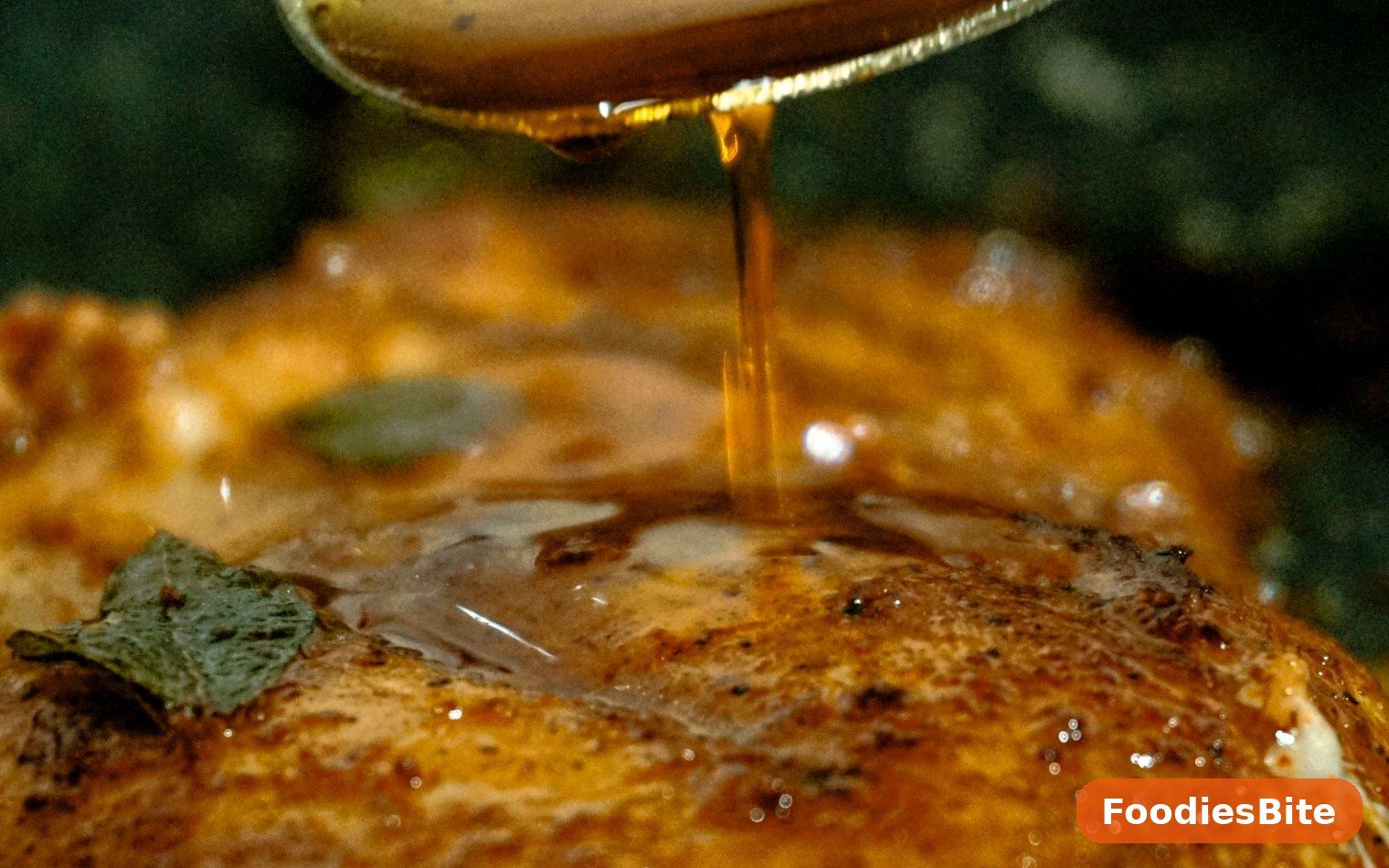
Honey garlic sauce is a family favourite for a reason. Warm honey, minced garlic, soy sauce, pepper, and a little lemon juice in the skillet, then turn the chicken in it until the sauce turns glossy and clings. Thighs are especially good here because they stay tender under a sweet glaze. Serve with steamed broccoli and rice, and dinner feels like a takeaway made at home.
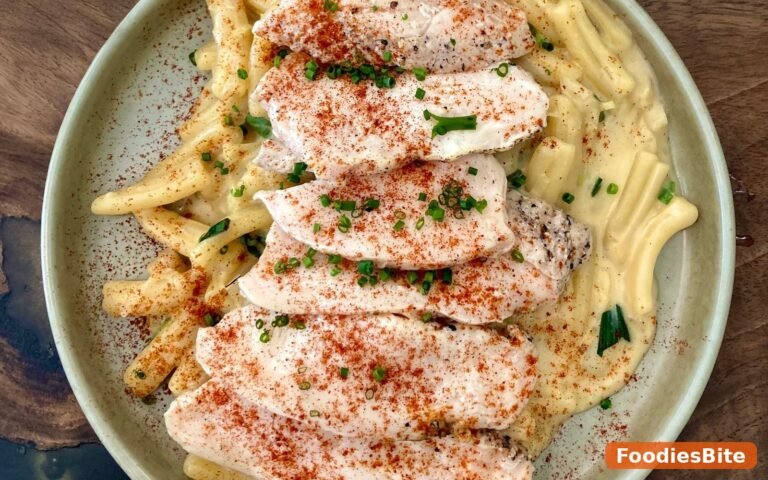
Teriyaki follows a similar pattern: soy sauce, honey or brown sugar, garlic, ginger, and a little water, simmered with bite-sized chicken until the sauce thickens slightly and coats each piece. Adjust the sweetness and saltiness to taste, and serve over steamed rice with broccoli or carrots. A creamy garlic sauce, made by simmering broth and cream in the same pan the chicken browned in, with garlic and a handful of spinach or mushrooms, gives a richer option for colder evenings, again with no flour needed.
For lighter days, a lemon butter sauce, a salsa verde, a garlic yoghurt sauce, or a simple chimichurri made from parsley, garlic, olive oil, and vinegar can all be spooned over sliced chicken. Each one changes the meal completely without changing the cooking method. The same chicken that was Mediterranean at lunch becomes Mexican-inspired at dinner with cumin, chilli, lime, and salsa, or Asian-inspired with soy, ginger, and sesame. Keep two or three of these sauces in your regular rotation, and a plain piece of chicken never has to taste plain again.
A Seasoning Pantry for Breading-Free Chicken
You do not need a complicated spice collection to make unbreaded chicken taste good. A small, well-chosen pantry covers nearly every style of meal.
The essentials are salt, black pepper, garlic powder, onion powder, paprika, and smoked paprika. With those six, plus a bottle of olive oil and some lemons, you can cook a satisfying chicken dinner any night of the week. Add chilli powder, cumin, Italian seasoning, oregano, thyme, rosemary, and lemon pepper, and the range widens further: Mediterranean chicken leans on lemon, garlic, oregano, and olive oil; Mexican-inspired chicken uses cumin, chilli powder, paprika, and lime; a simple everyday dinner starts with garlic, onion powder, paprika, salt, and pepper.
Fresh ingredients earn their place too. Fresh garlic, grated ginger, fresh herbs, and citrus zest add brightness that dried seasonings cannot quite match, especially in marinades and finishing sauces. The habit to build is tasting and adjusting: season, cook a small piece if you are trying a new blend, and adjust before committing the whole pan. Over time you will develop two or three house blends you reach for without thinking, and weeknight chicken will stop feeling like a decision at all.
Keeping Chicken Juicy: The Habits That Matter
Dryness is the worry most cooks name when they first skip breading, and it is almost always caused by one of three things: uneven thickness, overcooking, or slicing too soon.
Even thickness comes first. Pound thick breasts to a roughly even depth, choose thighs when you want forgiveness, and cut pieces to a similar size for tray and skillet meals. Overcooking comes second, and the only reliable defence is a thermometer. Timers and colour are guides; 74°C (165°F) at the thickest part is the answer. Remember that chicken continues to cook slightly as it rests, so taking it off the heat right at temperature, rather than well past it, keeps it juicy.
Resting is the third habit, and the easiest to skip when everyone is hungry. Five minutes under a loose tent of foil lets the juices redistribute instead of running out onto the cutting board the moment you slice. Marinating helps as well: even a brief soak in olive oil, lemon juice, garlic, salt, and herbs adds flavour and a little insurance against dryness. Finally, cook chicken in a single layer with space around each piece, and choose a saucy format — a pan sauce, a curry-style simmer, or a dressed salad — whenever a piece does seem dry. Sauce forgives almost everything, and it is a far better solution than a coating ever was.
Weeknight Planning and Meal Prep
Breading-free chicken is naturally suited to meal prep, because cooked chicken without a coating reheats and reuses better than a breaded cutlet, which goes soft in the fridge. Cook a double batch on Sunday or on any evening when you have a little extra time: a tray of thighs, a few grilled breasts, or a skillet of seasoned strips. Cool them reasonably quickly, store them in covered containers in the refrigerator, and use them within a few days for salads, wraps, sandwiches, rice bowls, and pasta.
The trick is to change the format, not just reheat the same plate. Monday’s grilled chicken becomes Tuesday’s wrap with hummus and crunchy vegetables; Wednesday’s sliced thighs top a rice bowl with avocado and salsa; Thursday’s leftovers fold into a quick pasta with garlic, olive oil, and Parmesan. Each meal tastes different because the seasoning, sauce, and accompaniments change, even though the chicken started in the same pan.
For a fuller pantry of starting points, the FoodiesBite homepage gathers our latest recipes in one place, and a single batch of chicken cooked this way can quietly carry three or four dinners. That is the real weeknight advantage of skipping breading: less work on the night, and more dinners already half made.
Mistakes Worth Avoiding
A few errors show up again and again, and all of them are easy to fix once you know to watch for them.
The first is a cold or crowded pan. Chicken added to a pan that is not yet hot will release its juices and steam instead of browning, and a crowded pan does the same. Preheat properly, and cook in batches when the pan is full. The second is seasoning only one side. Chicken seasoned on both sides, including under the skin for skin-on cuts, tastes seasoned all the way through; chicken seasoned on top only tastes seasoned on top.
The third is sugary sauces added too early. Honey, sweet chilli, and teriyaki glazes burn over high heat if they spend too long in the pan, turning bitter. Add them in the last few minutes, when the chicken is nearly done. The fourth is skipping the thermometer and relying on cooking time alone. Ovens, pans, and air fryers all vary, and chicken pieces vary even more, so time is only ever an estimate. The fifth is cutting into the chicken immediately. Resting is not wasted time; it is part of cooking, and it protects every minute of care you have already put in.
Avoid these five, and breading-free chicken stops being a compromise. It becomes the simpler, cleaner way to cook chicken — the version you reach for first, not the version you settle for.
Frequently Asked Questions
Can I make crispy chicken without breadcrumbs?
Yes. A dry surface, a properly hot skillet, oven, or air fryer, and enough space around each piece will produce a browned, crisp exterior without any coating. Patting the chicken dry before seasoning, preheating the pan or oven fully, and leaving the chicken undisturbed until it releases naturally are the steps that matter most. Skin-on thighs crisp particularly well, since their skin renders and browns on its own.
Are chicken thighs good without breading?
Absolutely. Thighs are one of the best cuts for breading-free cooking because their natural fat keeps them juicy, and they forgive a few extra minutes of cooking far better than breasts do. Skin-on thighs develop crisp skin in a hot oven or air fryer, while boneless thighs are ideal for skillets, fajitas, and saucy dishes. If you are new to cooking chicken without a coating, thighs are the most reassuring place to start.
Can I cook chicken breasts without breading?
Yes. Breasts can be grilled, baked, air-fried, or cooked in a skillet without any coating, and they are excellent sliced over salads, bowls, and pasta. The key is even thickness — flatten thicker ends gently so the whole breast cooks at the same rate — and a thermometer check for 74°C (165°F) at the thickest part. Resting for a few minutes before slicing keeps the meat juicy.
What is the easiest way to season chicken?
A simple blend of salt, black pepper, garlic powder, and paprika is a reliable starting point for almost any style of meal. From there, add lemon juice or fresh herbs for brightness, cumin and chilli powder for a Mexican-inspired direction, or oregano and olive oil for a Mediterranean one. Season both sides, and taste the blend on a small piece first when you are trying something new.
Can I make these recipes ahead of time?
Many breading-free chicken recipes are excellent for meal preparation. Cooked chicken keeps in a covered container in the refrigerator for a few days and can be used in salads, bowls, wraps, sandwiches, and pasta. It also reheats better than breaded chicken, which tends to soften. Reheat gently with a splash of broth or sauce to keep it moist, and change the sauce or format so leftovers taste like a new meal rather than a repeat.
Chicken does not need a coating to be crispy, flavourful, or satisfying. With a dry surface, a hot pan, good seasoning, and a thermometer check for 74°C (165°F), a simple piece of chicken becomes a dinner worth sitting down for — and the sauces, sides, and seasonings in this guide mean it never has to taste the same twice. Start with one skillet dinner, learn how your pan and your oven behave, and build from there. The breading station can stay in the cupboard; dinner will not miss it.