
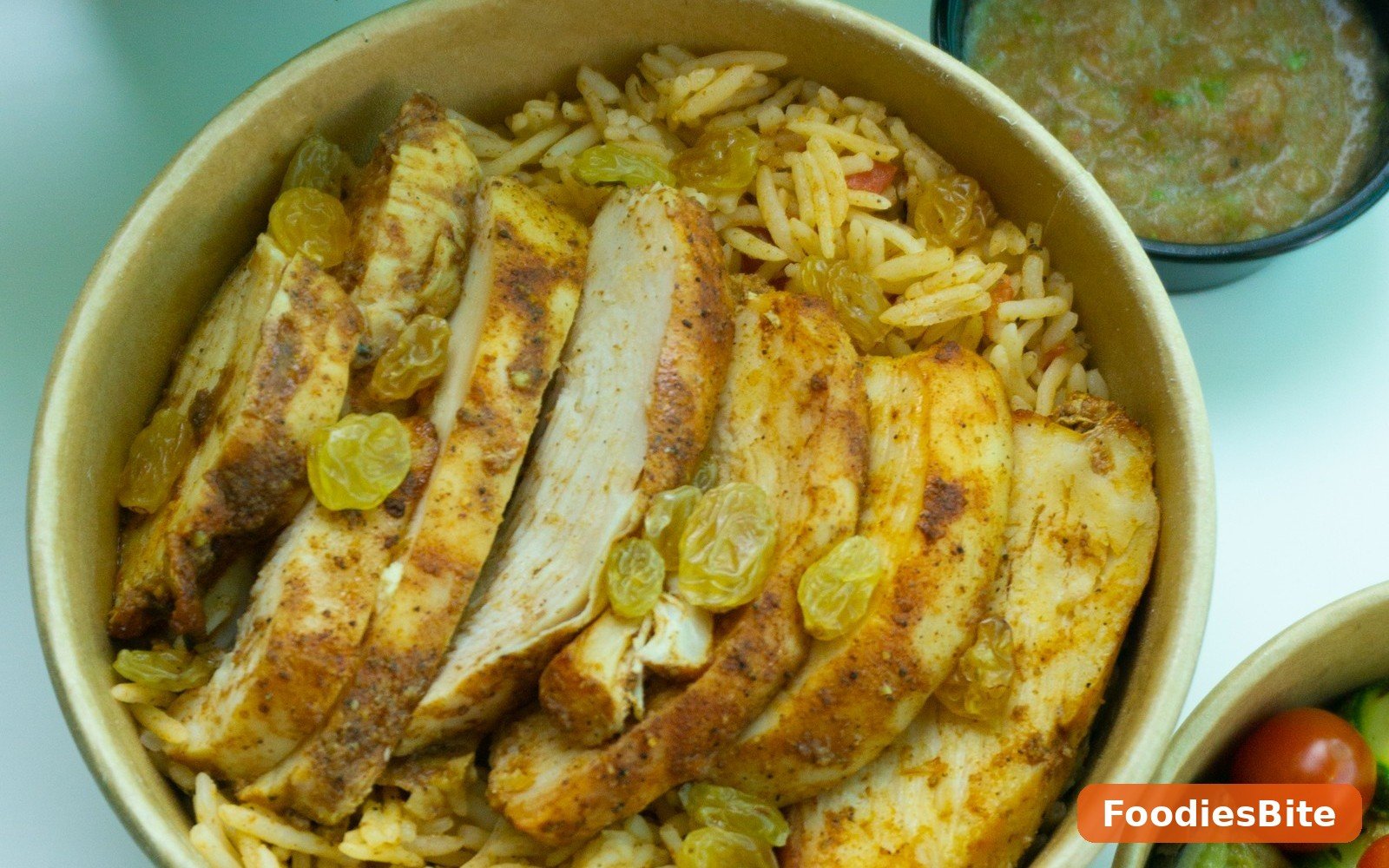
Quick Chicken Recipes With Pantry Ingredients: Easy Meals for Busy Days
There is a particular kind of evening when dinner needs to come from what is already in the house. No time to shop, no energy for a long recipe, and a hungry table waiting. That is when pantry cooking earns its reputation. With chicken and a shelf of tins, jars, and dried goods, a proper dinner is twenty to thirty minutes away — no shopping trip required.
Pantry cooking is not second-best cooking. Some of the most satisfying meals in the world are built from stored ingredients: tomato sauces, bean stews, rice dishes, and pasta. The pantry exists precisely so that good food is available on ordinary days, not just on days when someone had time to plan.
The trick is knowing which combinations work and keeping the right staples on hand. This guide covers both: the pantry worth stocking, six reliable chicken dinners built entirely from it, and the habits that make pantry cooking fast instead of frustrating. If you like cooking with very little, our guide to chicken breast recipes with few ingredients follows the same philosophy, and the Chicken Recipes collection has more ideas for busy nights.
What Counts as a Pantry Ingredient
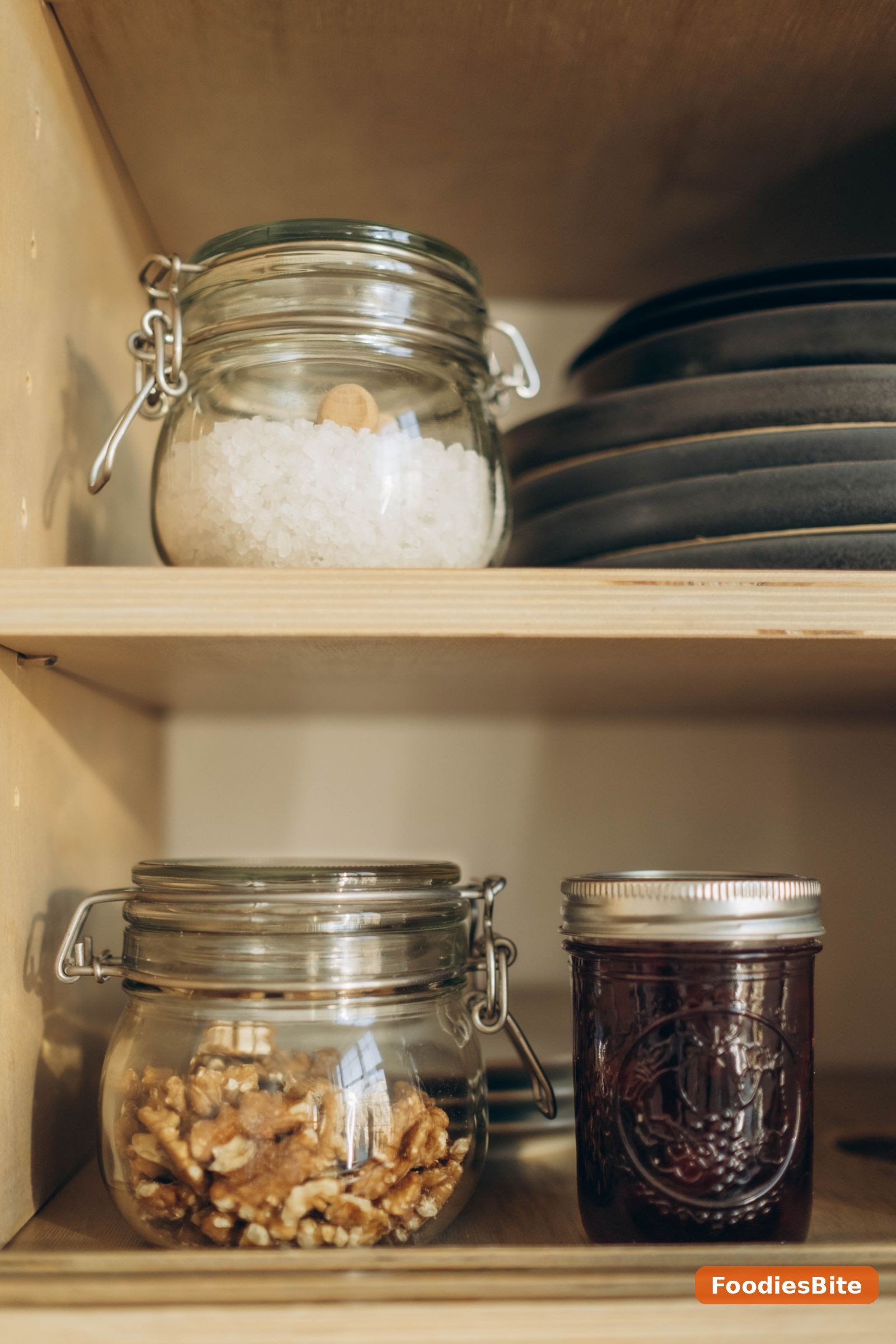
A pantry ingredient is anything that keeps well without refrigeration and is ready to use: tinned tomatoes, beans, and chickpeas; dried pasta and rice; stock cubes and dried herbs; soy sauce, vinegar, and oils; spices; tinned coconut milk; dried lentils; and jars of olives, capers, or roasted peppers. A pantry in the traditional sense was a whole room for storing food; today it is usually a cupboard, but the principle is identical — food stored well, ready when needed.
The freezer counts too, in practice. Frozen chicken, frozen vegetables, and frozen herbs behave like pantry ingredients: always available, long-lasting, and quick to cook. A freezer stocked with chicken portions and a bag of mixed vegetables turns a bare cupboard into a full dinner.
The rule for stocking is simple: buy what you actually cook with. A pantry full of exotic ingredients you never reach for is just clutter. Ten staples you use weekly beat fifty you use yearly. Start with the list below, cook from it for a month, and adjust based on what runs out first.
Stocking a Pantry That Works
The foundation is tinned tomatoes. They form the base of sauces, stews, and braises, and a tin costs very little. Keep both chopped tomatoes and tomato paste: the first for volume, the second for depth. Beans and chickpeas come next — protein, fibre, and bulk that stretch chicken further and make a small amount of meat feed more people.
Rice and pasta are the carriers. Rice suits saucy dishes and one-pot meals; pasta suits tomato and cream sauces. Keep one long pasta shape and one short shape, and one kind of rice you like, rather than six varieties you never finish. Dried lentils cook quickly without soaking and thicken soups beautifully.
Flavour comes from the smaller items: soy sauce, vinegar, honey, dried oregano and thyme, chilli flakes, garlic powder, cumin, paprika, and stock cubes. These are the difference between plain and delicious, and they last for months. Oil matters too — a neutral oil for cooking and, if you like it, olive oil for finishing.
Finally, keep the extras that turn a base into a meal: tinned coconut milk for curries, olives and capers for Mediterranean dishes, peanut butter for quick satays, and dried mushrooms for depth in sauces. None of these are essential, but each one opens up a new set of dinners from the same chicken.
Six Pantry Chicken Dinners
Tomato bean chicken is the workhorse. Brown chicken pieces, add onion, garlic, a tin of tomatoes, and a tin of beans, season with oregano, and simmer for twenty minutes. It is filling, cheap, and endlessly adaptable — add chilli for heat, olives for saltiness, or spinach from the freezer for colour.
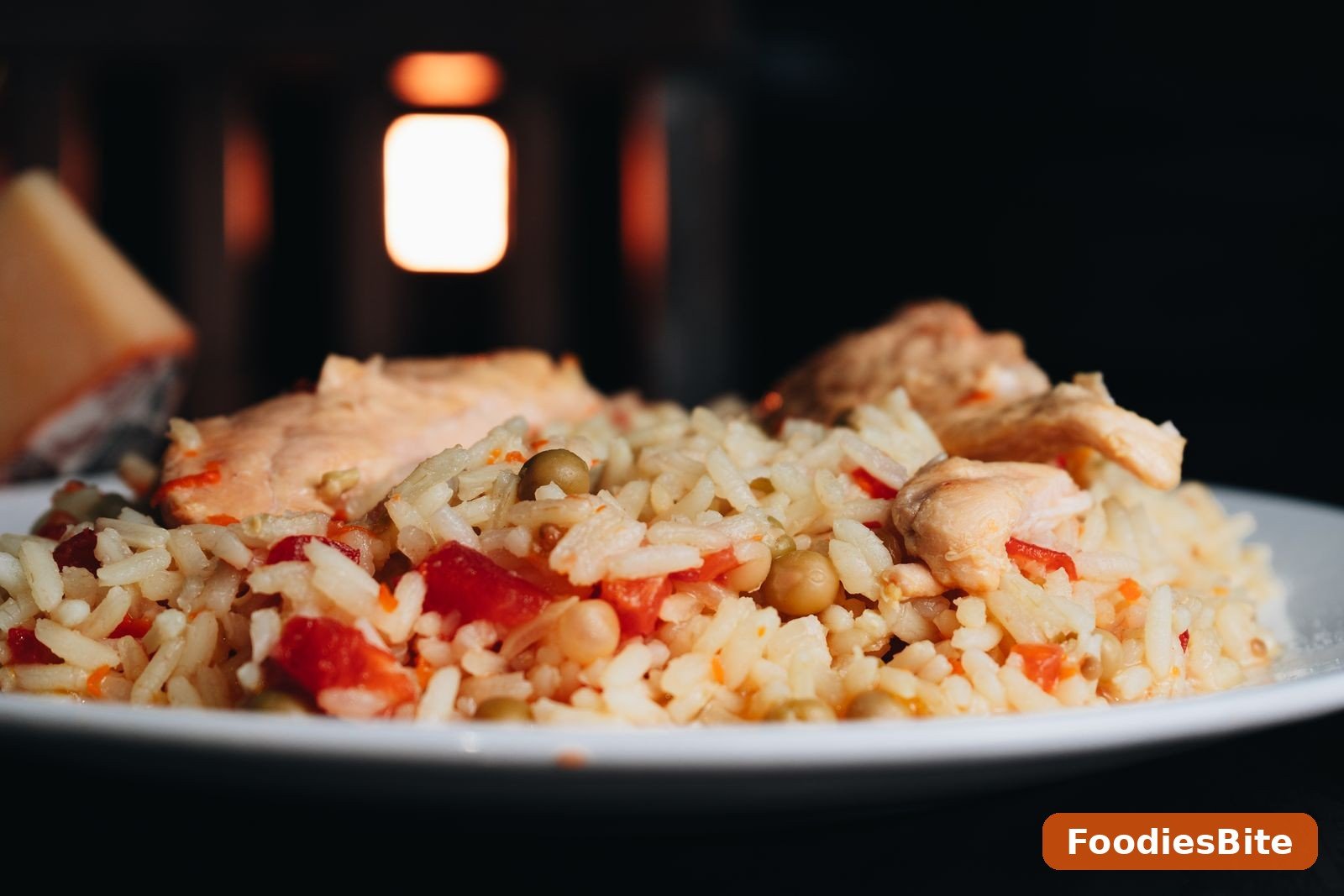
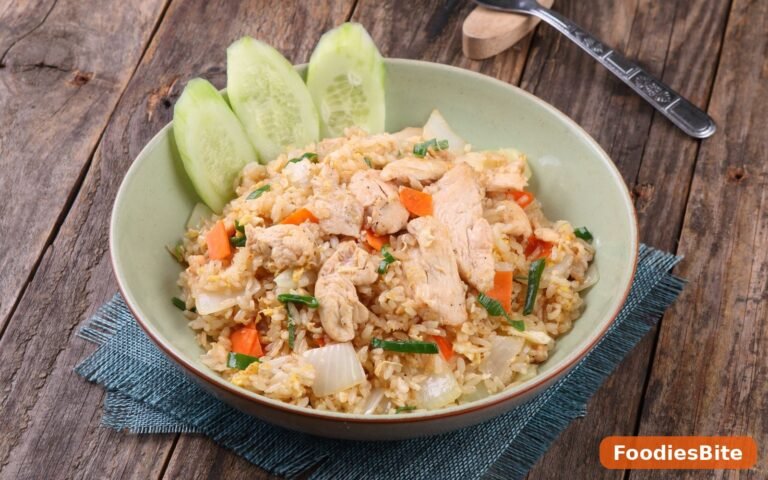
Chicken and rice one-pot is the easiest complete meal. Brown the chicken, stir in rice and twice its volume of stock, add frozen vegetables, cover, and simmer until the rice is tender and the chicken is cooked through at 74°C (165°F). One pot, no side dish, and the rice absorbs all the flavour from the pan.
Soy honey noodles use pantry sauces alone. Cook noodles, stir-fry chicken strips with garlic, and toss everything in soy sauce, honey, and a splash of vinegar. Frozen stir-fry vegetables make it a full meal. It takes fifteen minutes and tastes like takeaway, for a fraction of the price.
Chickpea and coconut curry is the comfort option. Simmer chicken with a tin of chickpeas, a tin of coconut milk, curry powder, and garlic until the sauce thickens. Serve with rice. The coconut milk makes the dish rich without cream, and the chickpeas stretch the chicken to feed four easily.
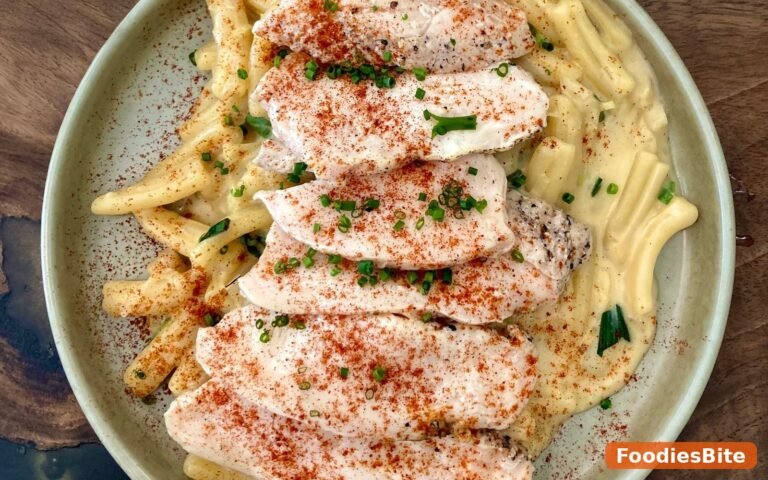
Pasta with tomato and chicken is the family favourite. Brown chicken, make a quick tomato sauce from tinned tomatoes, garlic, and oregano, and toss with cooked pasta. A handful of cheese on top, if you have it, finishes the dish. Children like it, adults like it, and it scales effortlessly for guests.
Chicken lentil soup is the answer to cold evenings and empty fridges. Simmer chicken with red lentils, a tin of tomatoes, stock, and cumin until the lentils collapse into a thick soup. Shred the chicken back into the pot, adjust the seasoning, and serve with bread. It is cheap, nourishing, and tastes better the next day.
Each of these dinners uses only pantry ingredients plus chicken, and each follows the same pattern: brown the chicken, build flavour from the pantry, add liquid, and simmer. Learn the pattern and you will never be stuck for dinner again.
Speed Tricks for Pantry Cooking
The biggest time-saver is starting with the right chicken. Thin-sliced breasts or small thigh pieces cook in half the time of thick whole breasts. If you only have thick breasts, slice them into strips or pound them thinner before cooking. Smaller pieces also absorb more flavour from the sauce.
The second trick is to cook the sauce while the chicken browns. There is no need to finish one step before starting the next: while the chicken sears, open the tins, measure the rice, and crush the garlic. Pantry cooking rewards a cook who prepares as they go, because nothing in a tin needs careful attention.
The third trick is batch thinking. If you are opening a tin of tomatoes, use the whole tin, even if the recipe needs half — the extra sauce freezes well and becomes tomorrow’s pasta sauce. If you are cooking rice, cook double and refrigerate the rest for fried rice later in the week. Pantry cooking is at its best when one session feeds two meals.
Keeping the Pantry Fresh
Pantry ingredients last a long time, but not forever. Spices lose their punch after about a year, oils go rancid in warm kitchens, and tins eventually pass their best. Twice a year, check the cupboard: throw out anything past its date, anything that smells off, and anything you have not touched in a year. Replace what you actually use.
Store spices away from heat and light — not above the cooker, where steam and heat destroy them quickly. Keep oils in a cool, dark spot and buy smaller bottles if you cook infrequently. Label opened jars with the date, and keep the oldest tins at the front so they get used first. A tidy pantry is a fast pantry: when you can see everything, you cook from it more often.
A well-kept pantry also saves money. It stops duplicate purchases, prevents last-minute takeaways, and turns leftovers into meals instead of waste. The cheapest dinner is almost always the one made from ingredients you already own.
For more crisp and simple chicken ideas, try our crispy chicken without breadcrumbs, and visit the FoodiesBite homepage for more easy dinners. Chicken as food pairs with pantry staples in nearly every cuisine, which is why this style of cooking never runs out of ideas.
Freezer: The Pantry’s Cold Extension
A good pantry has a cold half: the freezer. Frozen chicken portions, frozen vegetables, frozen herbs, and frozen bread are pantry ingredients in every way that matters — they keep for months, they are always available, and they cook quickly. The only difference is temperature. Treating the freezer as part of the pantry, rather than as a separate place for leftovers, changes how many dinners you can make without shopping.
Frozen vegetables deserve more respect than they usually get. They are frozen at peak freshness, often within hours of harvest, and they cook in minutes. In stews, curries, and one-pot rice dishes, they are indistinguishable from fresh. Keep two or three kinds on hand: a mixed vegetable bag for general use, peas for quick additions, and spinach for sauces and soups. Frozen peppers and onions, if your shop sells them, save chopping time on the busiest nights.
Frozen chicken needs one rule: thaw it safely. Overnight in the fridge is best. In a hurry, the cold-water method works — sealed in a bag, submerged in cold water, changed every thirty minutes. Never thaw chicken on the counter, where the outside warms into the danger zone while the inside is still frozen. Once thawed, cook it the same day and treat it exactly like fresh chicken.
Frozen herbs, garlic, and ginger are quiet time-savers. A cube of frozen garlic replaces peeling and chopping, and frozen herbs keep their flavour far better than dried ones in some dishes. Frozen bread, sliced before freezing, gives you toast and sandwich bread on demand without a loaf going stale. These small items turn a thin pantry into a deep one.
Building a Weekly Pantry Menu
Pantry cooking gets easier when it follows a loose weekly pattern instead of daily improvisation. One useful pattern is to assign each night a style: Monday tomato bean chicken, Tuesday rice one-pot, Wednesday noodles, Thursday curry, Friday pasta. The pattern is not a rigid plan — swap nights freely — but it removes the daily question of what to cook, which is often the hardest part of dinner.
Shopping for a pantry menu is different from shopping for individual recipes. Instead of buying ingredients for one meal, you buy to refill the staples that ran low: a tin of tomatoes here, a bag of rice there, a jar of soy sauce when it empties. Over a month, the shopping list shrinks because most weeks only need two or three items plus fresh chicken. That is the real economy of pantry cooking: not just cheaper ingredients, but fewer trips and less waste.
Leftovers fit the pattern too. Monday’s tomato bean chicken becomes Tuesday’s pasta sauce with a little extra tomato and a handful of pasta. Wednesday’s noodle sauce stretches Thursday’s rice. Thinking of meals as connected, rather than separate events, is how experienced pantry cooks feed a household with so little apparent effort. The pantry rewards cooks who think in sequences, not single dishes.
Frequently Asked Questions
What are the most useful pantry ingredients for chicken dinners?
Tinned tomatoes, beans, rice, pasta, stock cubes, soy sauce, dried herbs, garlic, and spices cover almost every quick chicken dinner. With those staples, plus chicken and oil, you can make tomato stews, curries, one-pot rice dishes, pasta sauces, and soups without any fresh shopping.
Can I use frozen chicken for pantry recipes?
Yes, as long as it is fully thawed first — overnight in the fridge is safest. Frozen vegetables work just as well as fresh in stews, curries, and one-pot dishes, and they are often more nutritious because they are frozen at peak freshness. Add them straight from frozen to the pan.
How long do pantry spices stay good?
Ground spices keep their flavour for about a year, whole spices for two to three years. Store them away from heat and light, and replace any that smell faint or dusty rather than fragrant. Old spices will not make you ill, but they will make dinner taste dull.
Do pantry meals really save money?
Yes, in two ways. Pantry staples cost little per portion, and cooking from the cupboard prevents impulse takeaways and duplicate grocery trips. A family that cooks from the pantry three or four nights a week typically spends noticeably less on food than one that shops for each meal separately.
What if my pantry is almost empty?
Start with five items: tinned tomatoes, rice, soy sauce, garlic, and stock cubes. With just those, plus chicken, you can already make a tomato rice dish, a soy glaze, and a simple soup. Add one or two staples each shopping trip, and within a month you will have a pantry that covers most dinners.

One Comment