
Easy Chicken Skillet Recipes Without Oven
Some nights, dinner needs to happen fast, with little washing up and no waiting for an oven to heat. That is exactly when a skillet earns its place on the stove. A single pan, a few honest ingredients, and a piece of chicken can turn into a meal that tastes like you spent far longer on it than you did.
Cooking chicken in a skillet without an oven is not a compromise. In many ways, it is the better method. You control the heat moment by moment, you can see and smell exactly what is happening, and the pan itself builds flavour: browned bits stick to the base, then melt into a sauce when you add a splash of liquid. The result is dinner with depth, made in one pan, usually in about half an hour.
This guide covers everything you need to cook chicken confidently on the stovetop. You will learn which cuts work best, how to get a proper golden sear, how to build sauces in the same pan, and five reliable skillet ideas you can rotate through the week. If you are new to stovetop cooking, start with the basic method, then branch out once it feels natural.
Why the Skillet Wins on Busy Nights
An oven is a wonderful tool, but it asks for patience: preheating, a roasting pan, a baking tray, and then more washing up. A skillet skips all of that. It heats in a couple of minutes, it goes from searing to simmering without moving the food, and at the end you have one pan to wash instead of three dishes.
Skillet cooking also suits small kitchens and warm weather. You are not heating a whole box of air around your food, and you are not warming the entire kitchen in summer. For anyone cooking for one or two people, a single pan is simply the right scale.
There is a flavour argument too. When chicken browns in a hot pan, the surface develops savoury, roasted notes that gentle oven heat takes longer to create. Those browned bits, known as fond, are pure flavour. Deglaze the pan with stock, wine, or even water, and they dissolve into a sauce that tastes like it simmered for hours. That is the quiet secret of good skillet cooking: the pan does much of the work for you.
Choosing the Right Chicken for the Pan
Not every cut behaves the same way in a skillet, so matching the cut to the method matters.
Boneless, skinless chicken breasts are the most common choice, and they cook quickly and evenly if you treat them right. The danger is dryness, because breast meat has little fat. Pounding breasts to an even thickness helps enormously: a breast that is thick at one end and thin at the other will always overcook at the thin end. A few firm taps with a rolling pin, between sheets of baking paper, solves this in under a minute.
Boneless thighs are more forgiving. Their extra fat keeps them juicy even if you overshoot the timing by a minute or two, and they brown beautifully. If you like dark meat, thighs are the safer, tastier choice for weeknight skillets. Bone-in thighs also work, but they need longer and a lid for part of the cooking time.
Chicken tenders, the small strips from under the breast, are the fastest option of all. They cook in a few minutes per side and are ideal when you are truly short on time, or when cooking for children who prefer smaller pieces.
Whatever cut you choose, take the chicken out of the fridge about fifteen minutes before cooking. Ice-cold chicken hitting a hot pan drops the temperature and steams instead of searing. Pat the surface dry with kitchen paper as well. Moisture is the enemy of browning, and a dry surface is the difference between pale chicken and a golden crust.
The Basic Skillet Method
Every good skillet chicken dinner follows the same rhythm. Learn it once, and you can improvise endless variations.
Start with a pan that holds heat well. Cast iron is the classic, but a heavy stainless steel or good non-stick pan works fine. Put it over medium-high heat with a thin film of oil that handles heat well, such as vegetable, sunflower, or light olive oil. The pan is ready when a drop of water flicked into it sizzles and evaporates at once.
Season the chicken generously with salt and pepper, and any dried spices you like, just before it goes in. Lay the pieces in the pan without crowding them. Crowding is the most common skillet mistake: too many pieces at once cool the pan, and the chicken steams in its own juices instead of browning. If your pan is small, cook in two batches. It takes a few extra minutes, but the result is incomparably better.
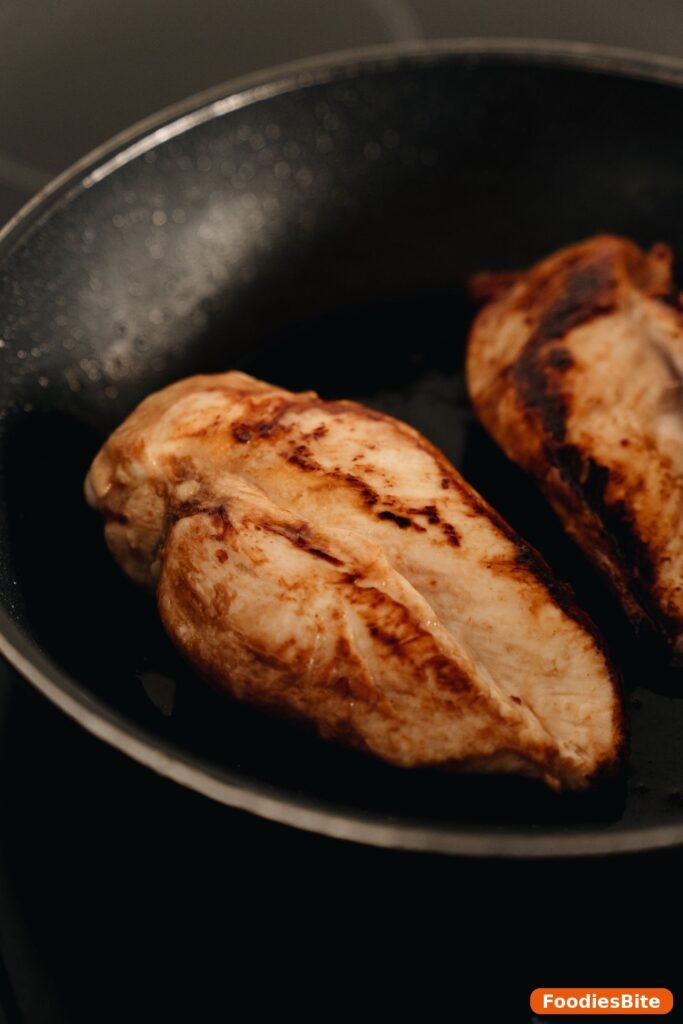
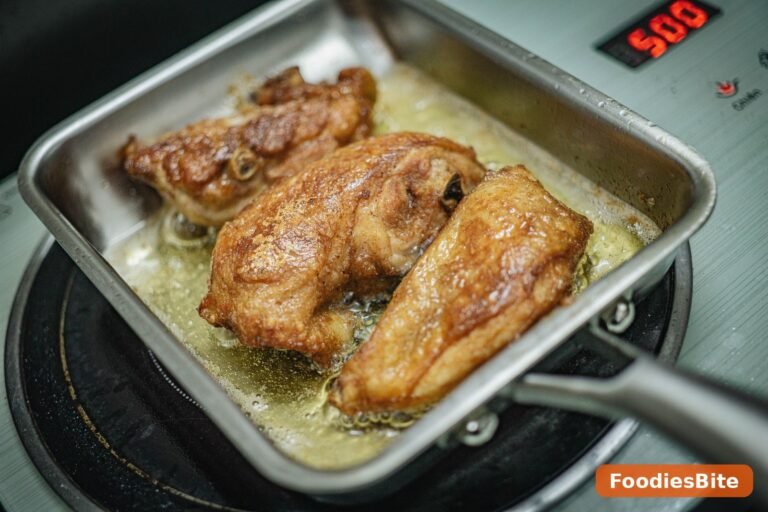
Leave the chicken alone once it is in. Resist the urge to move it around. It needs a couple of undisturbed minutes against the hot surface to build a crust, and it will release naturally when the crust is ready. If it sticks stubbornly, it probably is not ready to turn yet. Cook until the first side is deeply golden, flip once, and finish the second side.
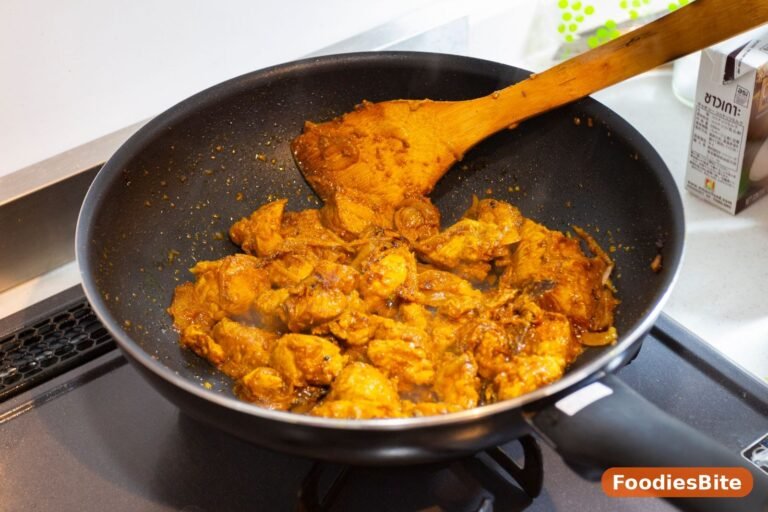
Then comes the part that turns plain chicken into a meal: building the pan sauce. Remove the chicken to a plate and let it rest. In the same pan, soften aromatics such as garlic, onion, or mushrooms in a little butter or oil. Pour in a splash of stock, cream, tinned tomatoes, or lemon juice, and scrape the bottom of the pan with a wooden spoon. Those browned bits dissolve into a sauce in under a minute. Return the chicken to the pan for a final minute or two, spoon the sauce over it, and dinner is ready.
Getting the Temperature Right
The one rule you should never guess at is doneness. Chicken must reach 74°C (165°F) at its thickest point. A simple instant-read thermometer removes all doubt, and it is one of the best small investments a home cook can make. Cut into the thickest piece if you do not have one: the juices should run clear and the meat should be white throughout, with no pink or translucent areas.
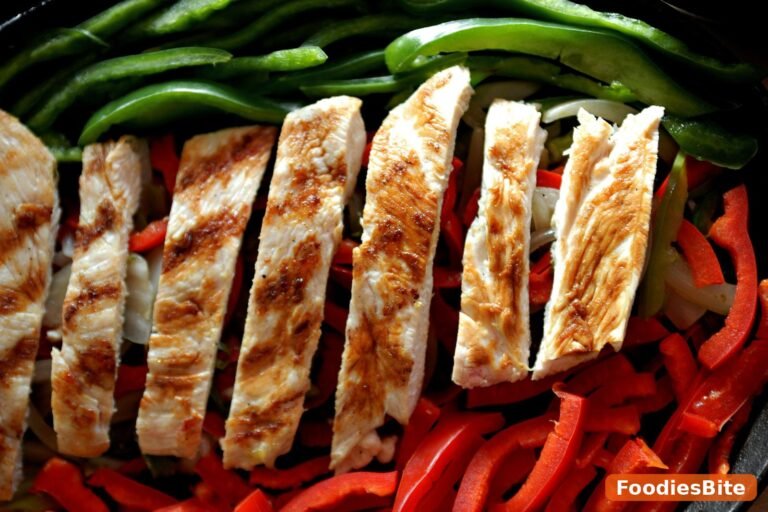
Resting matters almost as much as cooking. Let the chicken sit for five minutes before slicing. During that time, the juices redistribute through the meat instead of running out onto the board. A rested breast slices cleanly and stays juicy; a breast cut straight from the pan loses its moisture in seconds.
Food safety basics are worth repeating because they are simple and they matter. Keep raw chicken away from ready-to-eat foods, wash your hands and any surfaces it touched, and never rinse raw chicken under the tap, which only spreads bacteria around the sink. Chicken as food has a long and varied history across world cuisines, but the modern safety rules are the same everywhere: cook it through, and keep it clean.
Five Skillet Ideas to Rotate
Once the method feels natural, these five ideas give you a full week of dinners without repeating yourself.
Creamy garlic chicken is the comfort classic. After searing, soften garlic in butter, add cream and a handful of grated Parmesan, and let it bubble into a silky sauce. A squeeze of lemon at the end keeps it from feeling heavy. Serve it over rice, pasta, or mashed potato.
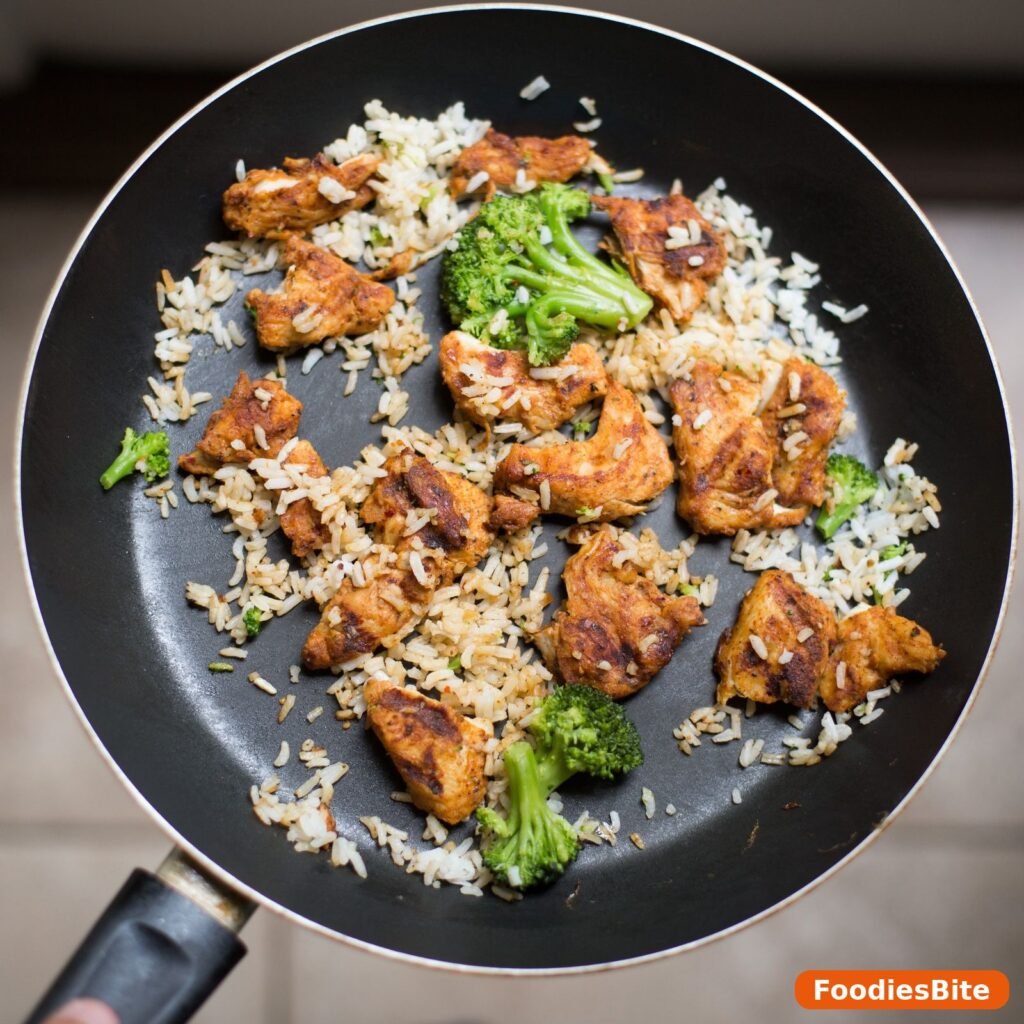
Chicken and vegetable stir-fry is the fastest option. Slice the chicken thin, sear it quickly, remove it, then stir-fry peppers, broccoli, and snap peas in the same pan with soy sauce, ginger, and garlic. Return the chicken, toss, and serve over rice or noodles. Dinner takes about twenty minutes.
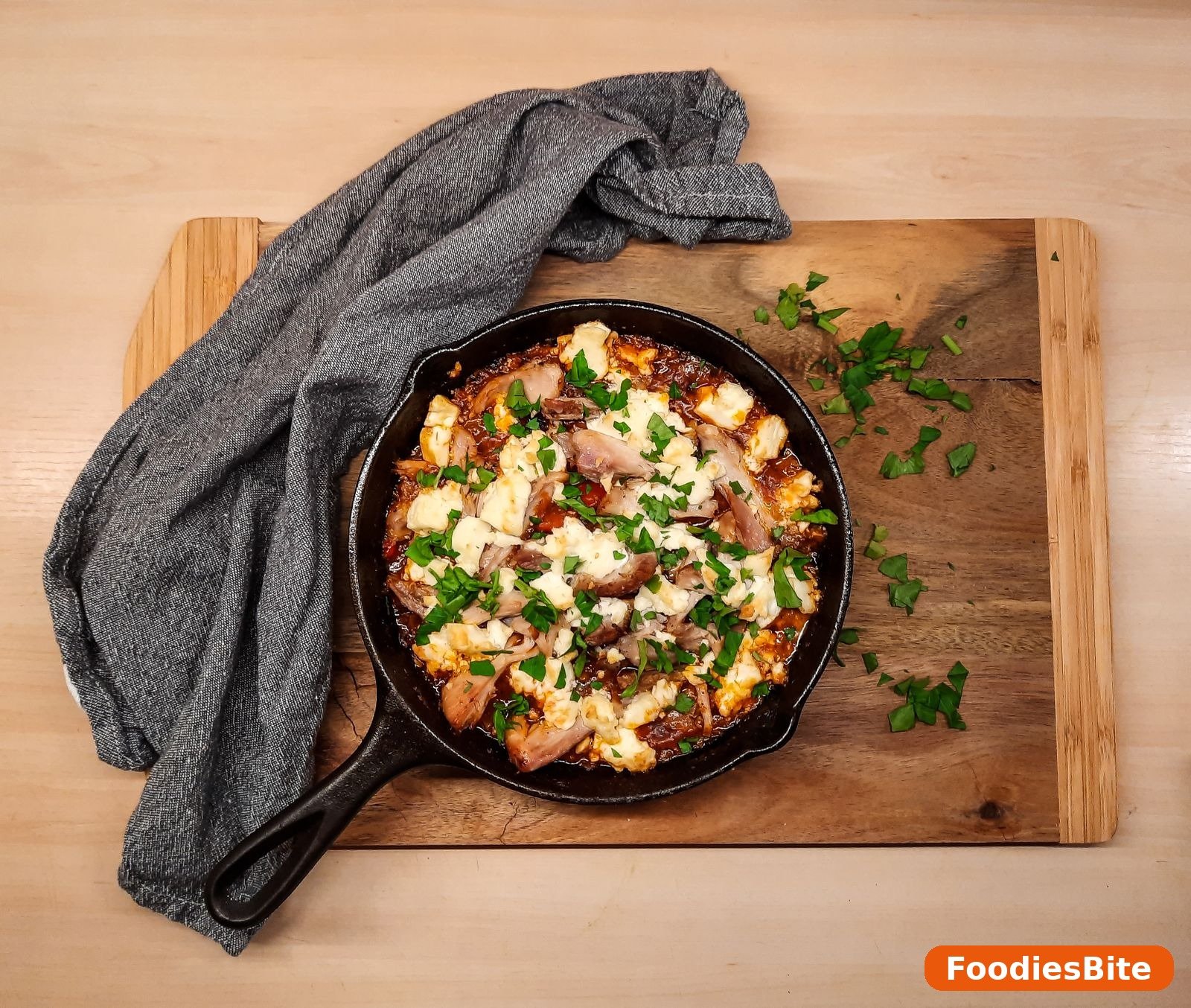
Tomato and herb chicken leans Mediterranean. After searing, add tinned chopped tomatoes, garlic, oregano, and a pinch of chilli, then simmer gently with the lid ajar until the sauce thickens. A handful of olives and some torn basil at the end make it taste like a holiday.
Lemon butter chicken is bright and simple. Sear the chicken, then make a quick sauce from butter, lemon juice, garlic, and parsley. It is light enough for summer and pairs beautifully with green beans or a crisp salad.
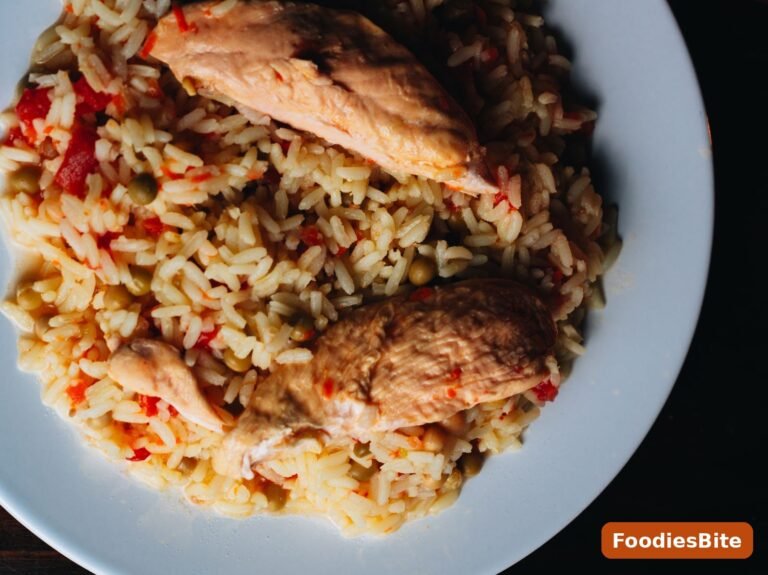
Chicken and rice, cooked entirely in the skillet, is the one-pan wonder. Brown the chicken, remove it, toast the rice briefly in the pan with onion and garlic, add stock, return the chicken, cover, and simmer on low until the rice is tender. One pan, one meal, almost no washing up.
Sides That Match Skillet Chicken
A skillet main deserves sides that are just as easy. The simplest is a green salad with a sharp dressing, which cuts through rich sauces. Roasted or steamed vegetables work well too, and they can cook while the chicken rests.
For something more filling, consider our guide to crispy potatoes without breadcrumbs — golden, crunchy potatoes are a natural partner for any of the skillet ideas above. Rice, couscous, and crusty bread are also excellent for soaking up pan sauces, which is half the pleasure of skillet cooking.
If you want a second chicken option for the week, the air fryer chicken tenders are a lighter, crisper contrast to a creamy skillet dinner, and they are ready in about the same time.
Common Mistakes and How to Fix Them
Dry chicken is almost always a temperature problem, not a recipe problem. Use a thermometer, pull the chicken at 74°C, and rest it. Overcooked by a few degrees, breast meat dries out quickly, so err on the side of checking early.
A pale, grey surface usually means the pan was not hot enough, the chicken was wet, or the pan was crowded. Fix all three: preheat properly, pat dry, and cook in batches. A screaming-hot pan is not the goal either — medium-high is the sweet spot. Too hot, and the outside burns before the inside cooks.
A sauce that tastes flat probably needs acid or salt. A squeeze of lemon, a splash of vinegar, or a pinch more salt will wake it up more effectively than extra butter or cream. Taste the sauce before you serve it, and adjust with confidence.
Sticking is usually about timing. If the chicken clings to the pan, give it another thirty seconds. A proper crust releases on its own. A well-seasoned cast iron pan and the right amount of oil also help, and a frying pan with a heavy base holds heat more evenly than a thin one, which is why pan choice matters more than people expect.
Storing and Reheating Leftovers
Skillet chicken keeps well for three to four days in the fridge in a sealed container. Cool it within two hours of cooking, and store the sauce with the chicken so it does not dry out. For reheating, a gentle pan with a splash of water or stock is better than a microwave, which can toughen the meat. Warm it slowly, covered, until it is hot throughout.
Cooked chicken also freezes well for up to three months. Slice or shred it first, portion it into bags with a little sauce, and label with the date. It makes an excellent fast lunch later: thaw overnight in the fridge and reheat gently.
A Final Word
Skillet chicken without an oven is less about recipes and more about a method you can trust. Once you know how to sear, rest, and build a pan sauce, you can walk into the kitchen with almost any ingredients and make dinner. Start with one of the five ideas above, cook it twice, and by the third time you will be improvising your own versions.
For more one-pan inspiration, browse the full One-Pan & Skillet Meals collection, and return to the FoodiesBite homepage whenever you need a fresh idea for a busy night. Good skillet cooking is not fancy. It is hot pan, good chicken, a little patience, and dinner on the table while the evening is still young.
Frequently Asked Questions
Can I cook chicken in a skillet without an oven?
Yes, absolutely. A skillet on the stovetop is a complete cooking method for chicken. Sear the pieces over medium-high heat, finish them in the pan or under a lid if they are thick, and check that the thickest part reaches 74°C (165°F). No oven is needed at any stage.
How do I stop chicken breast from drying out in a skillet?
Pound breasts to an even thickness, do not overcook them, and rest the meat for five minutes before slicing. A thermometer is the most reliable tool: pull the chicken as soon as it reaches 74°C rather than guessing. Thighs are a more forgiving alternative if dryness keeps happening.
What is the best pan for skillet chicken?
A heavy pan that holds heat evenly works best — cast iron is the classic choice, but heavy stainless steel is excellent too. Thin, lightweight pans develop hot spots and make even browning harder. Whatever pan you use, preheat it properly and avoid crowding it.
Can I make a sauce in the same pan after cooking chicken?
Yes, and you should. After removing the chicken, soften aromatics in the same pan, add liquid such as stock, cream, or tomatoes, and scrape up the browned bits from the base. Those bits dissolve into a rich sauce in a minute or two, with no extra washing up.
How long does skillet chicken take to cook?
Thin tenders take about three to four minutes per side. Standard breasts take roughly six to seven minutes per side, depending on thickness, and boneless thighs take a similar time. Bone-in pieces take longer and benefit from a lid. Always confirm doneness with a thermometer rather than relying on time alone.


8 Comments