
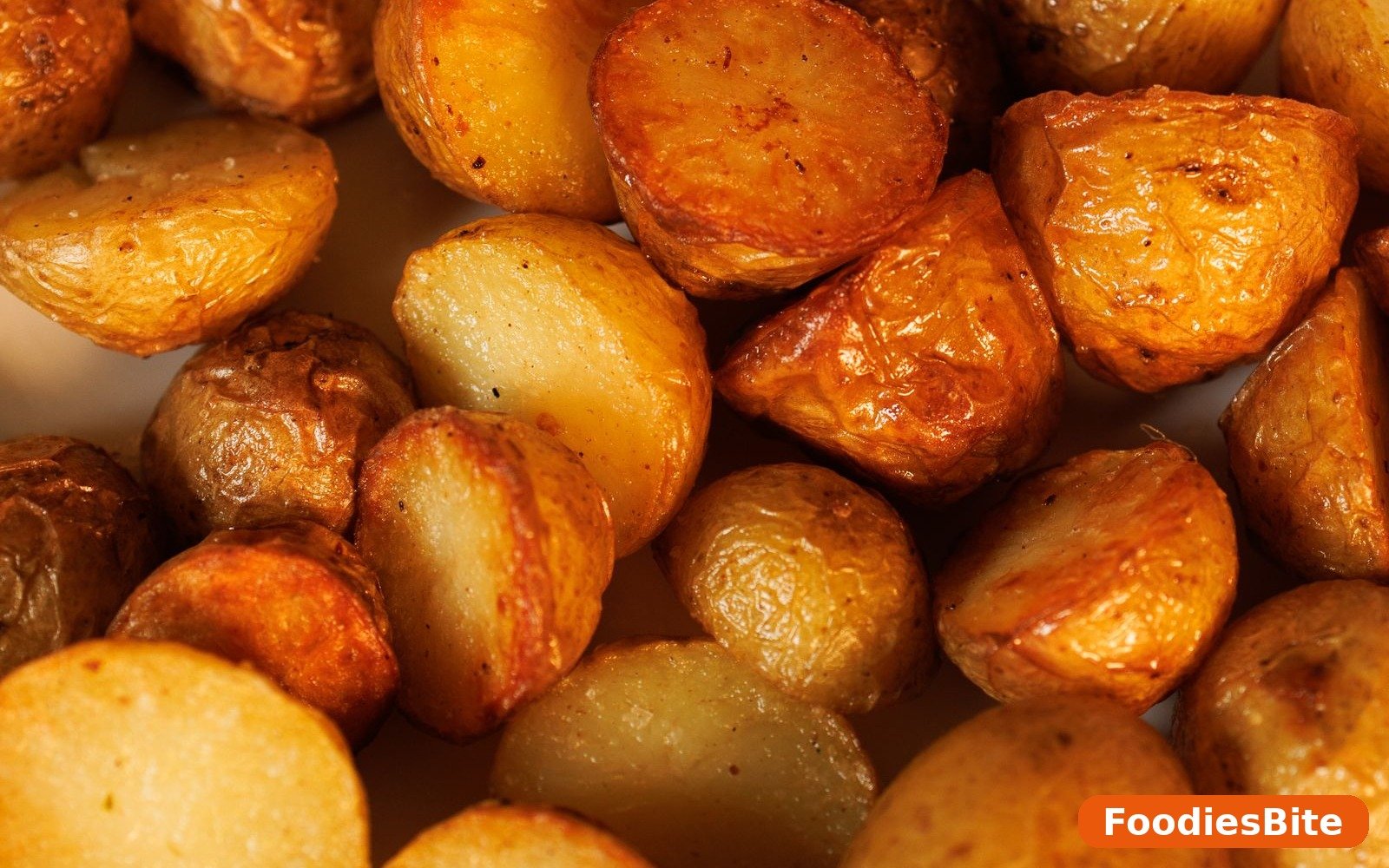
Crispy Potatoes Without Breadcrumbs: The Ultimate Easy Recipe
Few side dishes inspire as much devotion as a truly crispy potato. Golden on the outside, fluffy within, salty, and endlessly versatile — it is the side that disappears first at any table. And here is the reassuring truth: you do not need breadcrumbs, batter, or any coating to get there.
Breadcrumbs are often added in the hope of extra crunch, but they can just as easily turn soggy, burn before the potato cooks through, or fall off entirely. The real secret to crisp potatoes is simpler and more reliable: the right potato, a dry surface, enough hot oil, and enough space for the heat to do its work. Get those four things right and the potato crisps itself.
This guide explains the whole method, from choosing potatoes to serving, plus variations for the oven and the air fryer, seasoning ideas, and fixes for the common ways crispy potatoes go wrong.
Choosing the Right Potato
Potato variety matters more than most recipes admit. The potato family is huge, but for crisping you want a floury, starchy type rather than a waxy one.
Floury potatoes — such as Russet, King Edward, or Maris Piper, depending on where you live — have dry, fluffy flesh that roasts into a crisp shell and a soft centre. Their starch breaks down slightly at the edges, creating the rough, craggy surface that turns golden and crunchy. Waxy potatoes, like new potatoes or red-skinned varieties, hold their shape well in salads but stay smooth and firm when roasted, which makes them much harder to crisp.
If you are unsure what you have, cut one open. Floury potatoes look dry and matte inside; waxy ones look moist and almost translucent. When in doubt, ask at the shop or check the bag, which often says whether the variety suits roasting.
Size matters too. Choose potatoes of similar size so they cook evenly, or cut larger ones down to match the smaller ones. Uneven pieces mean some burn while others stay pale, and no amount of seasoning fixes that.
Preparation: The Four Rules of Crispness
Everything that follows serves four rules: dry surface, rough edges, hot oil, and space.
First, peel or scrub the potatoes and cut them into even chunks, roughly the size of a golf ball. Smaller pieces crisp faster but dry out; larger pieces stay fluffy inside but need longer. Golf-ball size is the sweet spot for most ovens.
Second, parboil the chunks for about seven to eight minutes in well-salted water. You want them just tender at the edges, not falling apart. Parboiling does two things: it starts cooking the interior so the oven time is shorter, and it softens the outer layer so you can rough it up.
Third, drain the potatoes thoroughly and let them steam dry for a few minutes in the colander. Then shake the colander firmly a few times to scuff up the surfaces. Those rough, fluffy edges are what turn into crunch. This step looks rough, but it is deliberate and it works.
Fourth, toss the roughed-up potatoes in hot oil with salt. Preheat the oil in your roasting tray in the oven for a few minutes first, so the potatoes hit a sizzling surface. Cold oil soaking into the potato is the enemy; hot oil sealing the outside is the goal. Use an oil with a high smoke point, such as sunflower, vegetable, or refined olive oil, rather than extra virgin olive oil, which smokes at roasting temperatures.
The Method That Works
Heat your oven to 200°C (400°F), or 220°C (425°F) if your oven runs cool. Put a heavy roasting tray with a few tablespoons of oil into the oven while it heats.
Parboil, drain, steam-dry, and rough up the potatoes as described. Season generously with salt and any dried herbs you like. Carefully tip the potatoes into the hot tray — they should sizzle on contact — and turn each piece so it is coated in oil.
Roast for 40 to 50 minutes, turning once or twice, until the potatoes are deeply golden and crisp all over. Do not be tempted to pull them early when they look pale gold; the last ten minutes are when the real crunch develops. A deep, even golden brown is the target, not a light tan.
Drain briefly on kitchen paper if they look oily, season again while hot — salt sticks best to hot, oily surfaces — and serve immediately. Crisp potatoes wait for no one, and they soften as they sit.
The Air Fryer Version
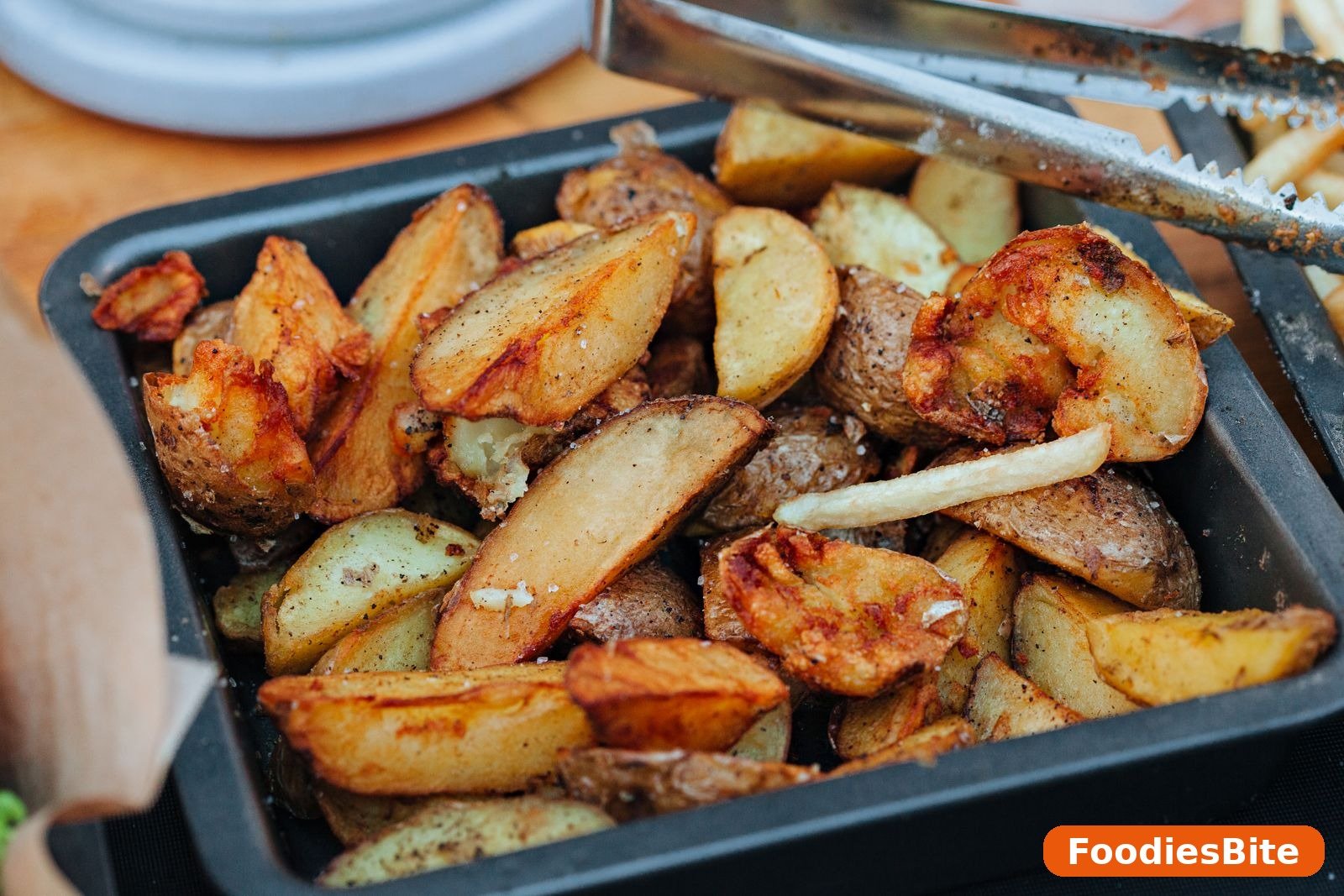
The same principles work beautifully in an air fryer, with a shorter cooking time. Parboil and rough up the potatoes exactly as above, toss in a tablespoon or two of oil, and cook in a single layer at 200°C for 20 to 25 minutes, shaking the basket halfway through.
The air fryer’s circulating hot air is excellent at crisping, and the smaller space means the potatoes brown fast. Work in batches if needed — a crowded basket steams instead of crisps, just as a crowded tray does in the oven. The result is nearly identical to oven-roasted, in about half the time.
Seasoning and Variations
Plain salted crispy potatoes are a classic, but the method welcomes endless seasoning.
Garlic and rosemary is the timeless pairing. Add whole unpeeled garlic cloves and rosemary sprigs to the tray for the last twenty minutes, so they roast gently without burning. Squeeze the soft garlic over the potatoes at the table.
Smoky paprika and cumin give a warm, Spanish-leaning flavour that pairs beautifully with grilled meats. Toss the spices with the potatoes before roasting, but keep the amount modest — a teaspoon of each is plenty — so they season rather than overwhelm.
Lemon and herb is brighter: toss the finished potatoes with lemon zest, chopped parsley, and a squeeze of lemon juice. The acid lifts the richness and makes the potatoes feel lighter.
For a loaded version, top the finished potatoes with sour cream, chopped chives, and crispy bacon bits, or with melted cheese and spring onions. The crisp base holds up well under toppings, which is why these potatoes make such good party food.
Chilli and lime is another favourite: toss with chilli flakes before roasting and finish with lime zest and coriander. It pairs especially well with the easy chicken skillet recipes for a weeknight dinner with a bit of heat.
What to Serve Them With
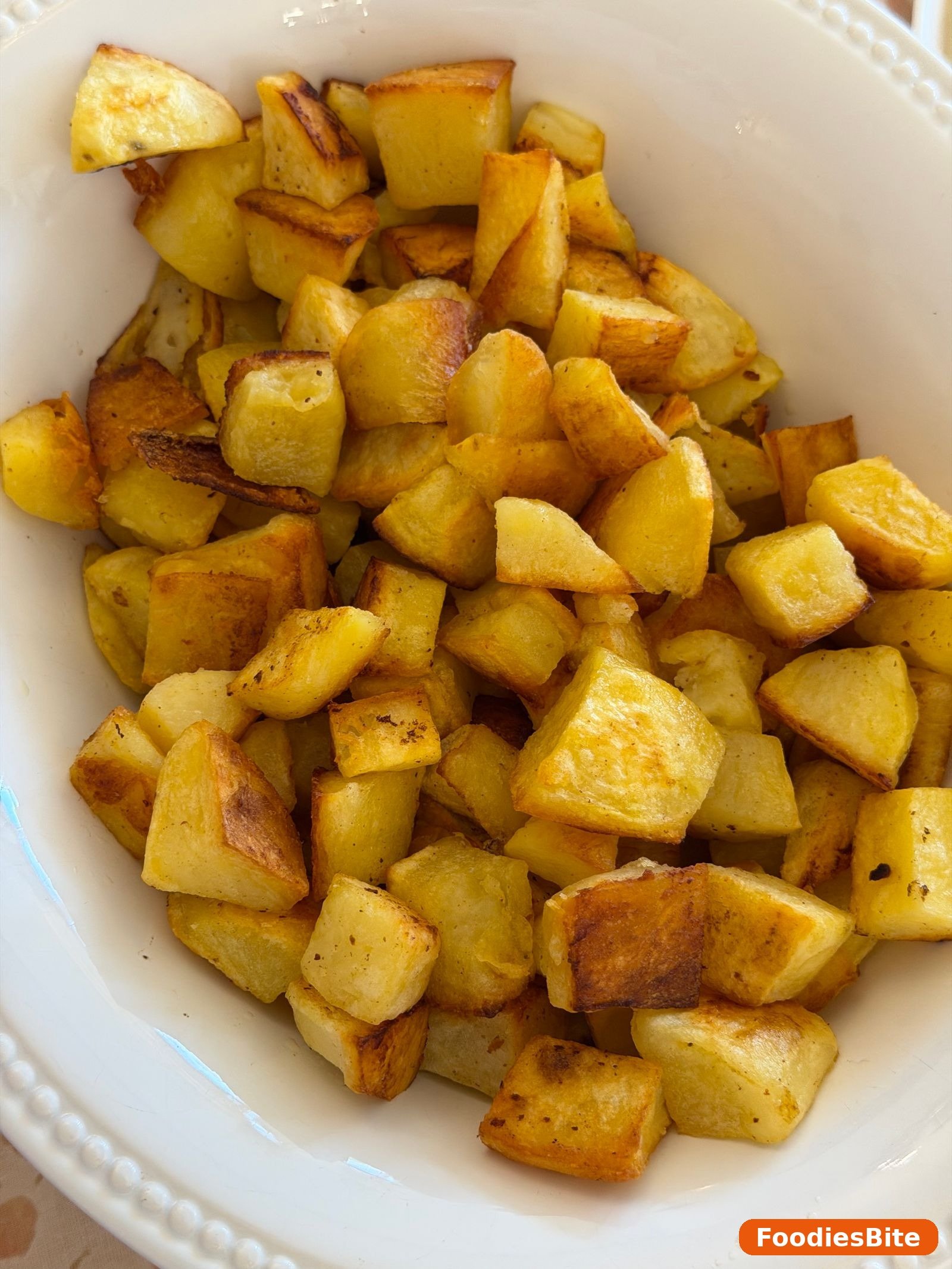
Crispy potatoes go with almost everything, which is why they are worth mastering. They are the natural partner for roast chicken, grilled steak, fried fish, and sausages. They are equally good as a breakfast side with eggs, or as a snack on their own with a dipping sauce — garlic mayonnaise, sour cream and chive, or a simple tomato salsa all work.
For a complete easy dinner, serve them alongside a skillet main and finish with something sweet: our small batch chocolate chip cookies are the perfect low-effort dessert after a potato-centred meal.
Common Problems and Fixes
Potatoes that stay soft usually suffer from one of four causes. First, the wrong variety — waxy potatoes resist crisping no matter what you do. Second, a wet surface — steam-drying after draining is essential. Third, too little heat — check your oven temperature, and do not be afraid of 220°C. Fourth, crowding — every piece needs its own space on the tray.
Potatoes that burn on the outside but stay hard inside were probably cut too large, or the oven was too hot. Cut smaller next time, and make sure you parboiled long enough to start the interior cooking.
Potatoes that stick to the tray usually went into cold oil or an unheated tray. Preheat the tray and oil, and the potatoes will release cleanly once crisped. A well-used, slightly darkened tray also sticks less than a brand-new shiny one.
Soggy leftovers are a fact of life: reheating in the oven or air fryer at 200°C for ten minutes restores most of the crunch, while a microwave will only make them softer. Never reheat crispy potatoes in the microwave if you can avoid it.
Cooking Crispy Potatoes for a Crowd
Crispy potatoes are a favourite at gatherings, but scaling up needs a little planning because the rules do not change: every piece still needs space, hot oil, and high heat. The solution is more trays, not a fuller tray.
For eight or more people, use two large roasting trays and divide the potatoes evenly between them, giving each piece room on both trays. Rotate the trays halfway through cooking so the one nearer the oven’s hotter spot does not outpace the other. If your oven is small, cook in two batches and keep the first batch warm in a low oven, uncovered, while the second roasts. Covering them traps steam and softens the crust, so always keep them uncovered.
Parboiling ahead is a gift when cooking for a crowd. Parboil, rough up, and refrigerate the potatoes the day before, then toss in oil and roast on the day. This splits the work and means you are not juggling a pot of boiling water while guests arrive.
For very large groups, the air fryer is less practical because of its small basket, so the oven is the better tool. Plan on roughly two medium potatoes per person as a generous side portion, and add an extra tray if you want leftovers — though in practice, leftover crispy potatoes are rare.
A final crowd tip: season in two stages. Salt the potatoes before roasting, then season again lightly while they are hot from the oven. The second seasoning sticks to the oily surface and gives a more even flavour than a single heavy salting at the start.
Storage
Crispy potatoes are best eaten fresh, within minutes of leaving the oven. If you must store them, keep them uncovered in the fridge for a day at most — covering them traps steam and softens the crust. Reheat uncovered in a hot oven or air fryer.
Parboiled, roughed-up potatoes can be prepared ahead and kept in the fridge for up to a day before roasting, which makes them a practical choice for entertaining. Toss them in oil and roast from cold, adding five minutes to the cooking time.
A Final Note on Roasting
Roasting is one of the oldest cooking methods in the world, and potatoes are among its greatest beneficiaries. No coating, no batter, no special equipment — just heat, oil, salt, and patience. Once you have made truly crispy potatoes without breadcrumbs, you will wonder why you ever thought you needed a coating at all. Try the method twice with plain salt first, so you learn what the baseline tastes like, and only then start experimenting with herbs and spices. That way you will know exactly what each addition brings, and you will build a version of this recipe that suits your own table perfectly.
For more side dish ideas, browse the full Sides & Vegetables collection, and return to the FoodiesBite homepage whenever you need a reliable, crowd-pleasing side.
Frequently Asked Questions
Do I need breadcrumbs for crispy potatoes?
No. Breadcrumbs are unnecessary and often counterproductive, since they can turn soggy or burn. Crispness comes from a floury potato variety, a dry and roughed-up surface, hot oil, and enough space in the tray or basket.
Should I parboil potatoes before roasting?
Yes, parboiling for seven to eight minutes is the key step. It starts cooking the interior, softens the outer layer so you can rough it up for extra crunch, and shortens the oven time. Skip it and the potatoes take much longer and crisp less evenly.
Why are my roast potatoes soggy?
The usual causes are the wrong potato variety (waxy instead of floury), a wet surface, too little heat, or crowding the tray. Drain and steam-dry thoroughly, use a hot oven around 200 to 220°C, and give every piece its own space.
Can I make crispy potatoes in an air fryer?
Yes. Parboil and rough up the potatoes the same way, toss in a little oil, and cook in a single layer at 200°C for 20 to 25 minutes, shaking halfway through. The circulating hot air crisps them beautifully in about half the oven time.
How do I reheat crispy potatoes?
Reheat uncovered in a hot oven or air fryer at 200°C for about ten minutes. Avoid the microwave, which softens the crust. For the best result, reheat only what you will eat right away.





2 Comments