
Creamy Garlic Mashed Cauliflower
Mashed potatoes have a hold on the dinner table that is hard to argue with. They are soft, buttery, familiar, and they go with everything. But there are evenings when you want something lighter, or you are cooking for someone who avoids potatoes, or you simply have a cauliflower in the fridge that needs using. That is when mashed cauliflower earns its place. Done properly, it is not a sad substitute for potatoes. It is a dish in its own right: silky, garlicky, buttery, and genuinely comforting, with a flavour that is gentler than potatoes and a texture that, with the right method, is every bit as smooth.
The problem with most mashed cauliflower is water. Cauliflower holds a lot of it, and if you boil the florets and mash them straight away, you get a thin, watery puree that tastes more like soup than a side dish. The fix is simple, and it is the whole secret of this recipe: cook the cauliflower, then dry it out. Steam it or roast it, drain it well, and let the steam escape before you mash it. That one step is the difference between a mash that holds its shape on a spoon and one that spreads across the plate. Everything else in the recipe is about flavour, and the flavour comes from roasted garlic, butter, and a little cream cheese.
Roasted garlic is worth the small effort it takes. Raw garlic in a mash can be harsh and sharp, and garlic powder tastes flat, but roasted garlic is sweet, mellow, and almost spreadable, and it blends into the cauliflower without any bite. You can roast a whole head while the cauliflower cooks, or you can roast it ahead of time and keep it in the fridge for a few days. Either way, it is the ingredient that makes people ask what is in the mash, because it gives it a depth that plain cauliflower does not have on its own.
This recipe takes about thirty minutes from start to finish, and most of that is hands-off. It serves four as a side dish, and it scales up easily for a larger table. It sits well next to roast chicken, grilled fish, or a steak, and it is a good choice for a holiday table, where it gives people who avoid potatoes something proper to eat rather than an afterthought. It is also a useful recipe to know in general, because cauliflower is cheap, widely available, and in season for a good part of the year.
Why You’ll Love This Recipe
The first reason is the texture. When cauliflower is cooked, dried, and mashed with butter and cream cheese, it becomes genuinely silky, not watery and not grainy, but smooth in a way that feels like a proper mash. A food processor helps, but even a hand masher and a little patience will get you there. The result holds its shape on a spoon, takes a pat of butter melting on top, and looks like something you would be happy to serve to guests.
The second reason is the flavour. Roasted garlic, butter, and a little parmesan give this mash a savoury depth that plain boiled cauliflower never has. It tastes rich without being heavy, and the garlic is present without being aggressive. A squeeze of lemon at the end, if you like it, lifts the whole dish and keeps it from tasting flat. It is the kind of side dish that people eat without thinking about what it is made of, which is the best compliment a vegetable dish can get.
The third reason is that it is lighter than mashed potatoes without feeling like a diet food. Cauliflower has far fewer carbohydrates and calories than potatoes, and it is full of fibre and vitamins, but this recipe does not taste like a health food. The butter and cream cheese are still there, and the dish is still comforting. It is a lighter version of a comfort food, not a lecture about eating well, and that distinction matters.
It is also quick and practical. One pot, one head of cauliflower, a handful of ingredients, and half an hour. There is no peeling, no careful timing, and no risk of the dish going wrong in a way that cannot be fixed. If it is too thick, add a splash of cream. If it is too thin, cook it down for a few minutes. If it needs more flavour, add more garlic or more salt. It is a forgiving recipe, and forgiving recipes are the ones that get cooked again and again.
Finally, it is versatile. It works as a side dish, as a base for a piece of fish or a chicken breast, as a filling for a shepherd’s pie, or as a topping for a casserole. Leftovers can be stirred into soup, spread on toast, or fried into small cakes the next day. A recipe that does more than one job is worth learning, and this one does several.
Ingredients You’ll Need
You need very little for this recipe, and the quality of the cauliflower matters more than anything else. Choose a head that is firm, heavy, and white, with tightly packed florets and fresh-looking green leaves. Avoid heads with brown spots, soft patches, or a strong smell, because those are signs that the cauliflower is past its best. A fresh head will give you a sweet, mild mash. An old one will give you a mash that tastes tired, and no amount of garlic will fix that.
- 1 large head cauliflower (about 900 g / 2 lb), cut into florets
- 1 whole head garlic
- 2 tablespoons olive oil
- 4 tablespoons (55 g) unsalted butter
- 60 g (1/4 cup) full-fat cream cheese, at room temperature
- 3 to 4 tablespoons heavy cream or whole milk
- 30 g (1/3 cup) finely grated parmesan cheese
- 1 teaspoon fine sea salt, plus more to taste
- 1/2 teaspoon black pepper
- 1/4 teaspoon ground nutmeg (optional)
- 1 tablespoon chopped fresh chives or parsley, for serving
- A squeeze of lemon juice (optional)
Roasting the garlic is simple. Cut the top off a whole head of garlic, drizzle it with olive oil, wrap it in foil, and roast it until the cloves are soft and golden. If your oven is already on for something else, put the garlic in alongside it. If not, a small oven or a toaster oven works, or you can roast it in a covered dish in the microwave in a pinch, though the flavour will be milder. The roasted cloves should squeeze out of their skins like a paste, and they should smell sweet and nutty rather than sharp.
Butter is what makes the mash taste rich, so use real butter, and use enough of it. Four tablespoons across a whole head of cauliflower is not a lot per serving, and it makes a real difference to the flavour and the texture. Unsalted butter is better here, because it lets you control the salt yourself. Cream cheese adds body and a gentle tang, and it helps the mash hold together. Use full-fat cream cheese, at room temperature, because low-fat cream cheese is watery and will thin the mash out.
The parmesan is optional but recommended. It adds a salty, savoury depth that makes the mash taste more interesting, and a small amount goes a long way. Grate it finely so it melts in smoothly. If you do not have parmesan, a little grated cheddar works, though it will make the mash richer and less delicate. The nutmeg is a quiet addition, a pinch that adds warmth without tasting like spice, and it is the kind of thing that makes people wonder what is in the dish without being able to name it. Leave it out if you dislike it.
How to Make Creamy Garlic Mashed Cauliflower
Start with the garlic, because it takes the longest. Heat the oven to 200°C (400°F). Cut the top quarter off a whole head of garlic so the cloves are exposed, drizzle over a tablespoon of olive oil, and wrap the head loosely in foil. Put it in the oven and roast for thirty-five to forty minutes, until the cloves are soft, golden, and sweet-smelling. Let it cool for a few minutes, then squeeze the soft cloves out of their skins into a small bowl and mash them into a paste with a fork. You should have about two tablespoons of roasted garlic paste. If you are short on time, you can buy ready-roasted garlic, or roast the garlic the day before and keep it in the fridge.

While the garlic roasts, prepare the cauliflower. Cut the head into florets, keeping them roughly the same size so they cook evenly. You can use the stalk too, peeled and chopped, because it is just as good as the florets once it is cooked and mashed. Rinse the florets and put them in a large pot with about two centimetres of water, or set them in a steamer basket over boiling water. Steaming is better than boiling here, because the cauliflower absorbs less water, and less water means a thicker mash. If you only have a pot, use as little water as you can and drain the cauliflower very well afterwards.
Steam or boil the cauliflower for ten to twelve minutes, until it is very tender. It should be soft enough to break apart easily with a fork, softer than you would cook it for eating as a vegetable, because undercooked cauliflower makes a grainy mash. Drain it thoroughly, then put it back in the hot, empty pot and let it sit over low heat for two or three minutes, stirring occasionally. This is the drying step, and it matters more than any other part of the recipe. You will see steam rising as the excess water evaporates, and the florets will look drier and a little shrunken. That is exactly what you want.
Transfer the dried cauliflower to a food processor, add the roasted garlic paste, the butter, the cream cheese, the parmesan, the salt, pepper, and nutmeg, and process until smooth. This takes about a minute, and you should stop and scrape down the sides once or twice. Add the cream a tablespoon at a time until the mash reaches the consistency you like. It should be thick, smooth, and glossy, holding its shape when you lift a spoonful. If you do not have a food processor, a hand masher and a strong arm will work, though the texture will be a little more rustic. A potato ricer is another good option, and it gives a very smooth result.
Taste the mash and adjust the seasoning. Cauliflower needs a generous amount of salt, more than you might expect, because it is a mild vegetable and salt is what brings its flavour out. Add a pinch more if it tastes flat, a little more pepper if it needs warmth, and a squeeze of lemon juice if it tastes heavy. The lemon is optional, but it brightens the whole dish in a way that is hard to describe until you try it. Serve the mash in a warm bowl, with a knob of butter melting on top and a scattering of chives or parsley. It should be eaten while it is hot, because it cools faster than mashed potatoes and does not hold its heat as long.
Tips for the Best Mashed Cauliflower
The drying step is the whole recipe, in a sense. Everything else is flavour, but drying is structure. After you drain the cauliflower, put it back in the hot pot and let the steam escape for two or three minutes. Stir it occasionally so the pieces on the bottom do not catch. You will be surprised how much water comes off, and you will be glad you did it, because the mash will be thick and creamy instead of thin and watery. If you skip this step, no amount of butter or cream cheese will save the texture.
Steam rather than boil if you can. Boiling soaks the cauliflower in water, and even careful draining will not get all of it out. Steaming keeps the water out, and the cauliflower cooks just as quickly. If you do boil it, use as little water as possible and drain it in a colander for a full minute, shaking it occasionally, before you put it back in the pot to dry. Roasting is another option, and it gives the mash a nuttier flavour, though it takes longer and the florets can brown unevenly.
Do not over-process the mash. A food processor will take it from chunky to smooth in about a minute, and if you keep going, it can turn gluey and sticky, a bit like overworked mashed potatoes. Process in short bursts, stop to scrape down the sides, and check the texture often. Once it looks smooth and glossy, stop. A little texture is fine, and a perfectly smooth mash that has been over-processed will feel heavy on the tongue.
Season generously, and taste as you go. Cauliflower is a mild vegetable, and it needs salt to taste like anything at all. Add the salt in the recipe, then taste, then add a little more if it needs it. The parmesan adds salt too, so taste after that goes in. Pepper, nutmeg, and lemon are all seasonings to adjust at the end, not ingredients to measure precisely, because the right amount depends on the cauliflower and on your taste. Trust your tongue more than the recipe at this stage.
Keep the mash warm until you serve it. Cauliflower cools faster than potatoes, and a cold mash is not appealing. Make it last, after the main course is ready, or keep it in a covered pot over very low heat, stirring occasionally, for up to twenty minutes. If it thickens as it sits, stir in a splash of warm cream to loosen it. Do not keep it over high heat, because it will dry out and stick to the bottom of the pot.
Use a food processor if you have one, but do not worry if you do not. A hand masher, a potato ricer, or even a sturdy fork will all work, and the result will be a little more rustic, which is fine. What matters is that the cauliflower is very tender and very dry before you mash it. If you are mashing by hand, take your time and work the butter and cream cheese in well, because they will not blend themselves.
Variations to Try
The simplest variation is to change the cheese. Swap the parmesan for a sharp cheddar and the mash becomes richer and more obviously cheesy, which suits a steak dinner or a casserole topping. Goat cheese makes it tangier and softer, and it pairs well with a drizzle of olive oil and some cracked pepper. A spoonful of Boursin or another soft herb cheese, stirred in at the end, adds flavour without any extra work, because the cheese is already seasoned. Each cheese changes the character of the dish, and none of them changes the method.
Herbs are another easy change. Stir in a handful of chopped chives, parsley, or dill at the end, and the mash becomes fresher and greener. A spoonful of pesto, stirred through just before serving, gives it a basil flavour that suits grilled chicken or fish. A little fresh thyme, picked from the stem and stirred in with the butter, adds a woodsy note that suits a roast. Dried herbs work too, but use half as much, and add them with the butter so they have time to soften.
For a spicier version, add a pinch of chilli flakes or a spoonful of harissa to the mash, which gives it a warmth that builds slowly. A little curry powder, toasted in the butter before it goes in, turns the mash into something that sits well next to roast chicken or a lentil dish. A spoonful of wholegrain mustard, stirred in at the end, adds a sharp, tangy note that cuts through the richness. These are all small changes, and they all work, because cauliflower is a mild base that takes flavour well.
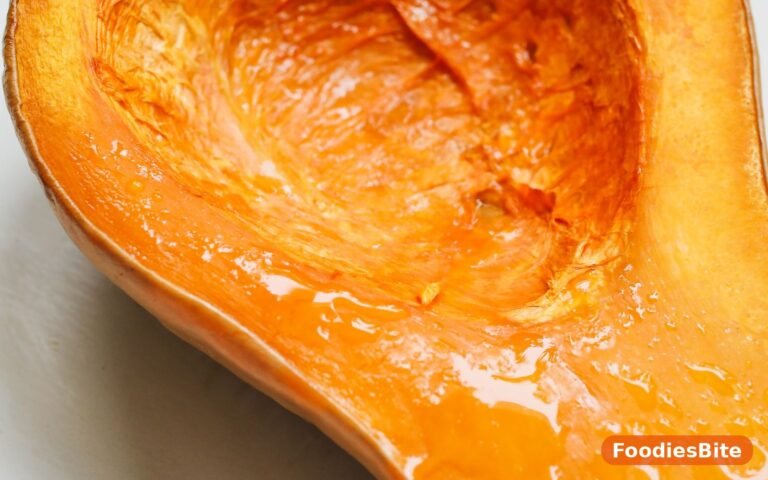
You can also change the texture. Leave the mash a little chunky for a more rustic side, or push it through a fine sieve for a restaurant-smooth puree. Stir in some roasted cauliflower florets at the end for contrast, or top the finished mash with crispy fried shallots, toasted breadcrumbs, or a drizzle of brown butter. Brown butter, made by cooking butter until it smells nutty and turns amber, is a particularly good topping, because it adds a flavour that plain melted butter does not have. Our roasted butternut squash with maple glaze uses a similar idea, letting a simple vegetable carry a rich topping, and our roasted cabbage steaks with garlic butter are another vegetable side that rewards a good butter finish. For more on cooking vegetables well, the Serious Eats guide to green beans is a useful read, and the BBC Good Food roasted vegetables collection has plenty of ideas in the same spirit.
Serving Ideas

Mashed cauliflower is at its best next to something with a sauce or a gravy, because the smooth mash is a natural place for sauce to pool. Roast chicken with pan gravy is the classic pairing, and it works because the mild mash does not compete with the chicken. A steak with a mushroom sauce, a piece of salmon with a lemon butter sauce, or a pork chop with apple sauce all work the same way. The mash is a quiet, creamy base that lets the main course shine.
For a holiday table, serve it in a wide bowl with a well in the middle for a knob of butter, and let people help themselves. It sits well next to a turkey or a ham, and it gives the table a lighter option alongside the heavier dishes. If you are cooking for someone who avoids potatoes, it is a kind gesture to have a proper alternative rather than an empty space on their plate, and this mash is good enough that everyone will eat it, not just the person it was made for.
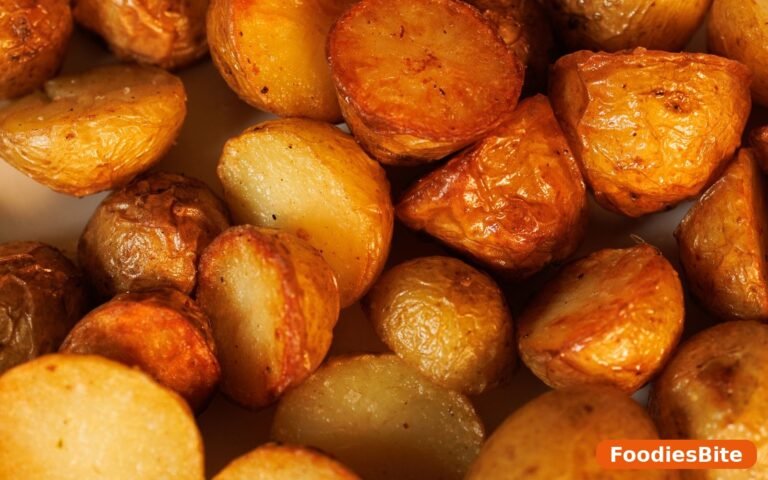
On a weeknight, it works with our easy lemon garlic chicken thighs, because the lemon and garlic in the chicken echo the garlic in the mash, and the two dishes feel like they belong together. It also works with grilled sausages, with a piece of baked fish, or with a simple bean stew. If you want a second vegetable on the plate, our crispy potatoes give you crunch to go with the softness of the mash, and the contrast is pleasing.
As a base for a main course, spoon the mash into a shallow bowl and top it with a piece of roasted salmon, a chicken breast, or a pile of sautéed mushrooms. The mash catches the juices and turns into part of the dish rather than a side. For a lighter lunch, serve a smaller portion with a fried egg on top, or with a spoonful of pesto and some toasted pine nuts. It is a flexible dish, and once you have made it a few times, you will find yourself reaching for it whenever the meal needs something soft and savoury.
Storage and Reheating
Leftover mashed cauliflower keeps in the fridge for three to four days in a sealed container. It will thicken as it cools, and it may release a little water, which is normal. Stir it well before reheating, and add a splash of cream or milk to loosen it. Reheat it gently in a pot over low heat, stirring often, or in the microwave in short bursts, stirring between each one. High heat will make it dry and sticky, so keep the heat low and be patient.
Freezing works better than you might expect. Freeze the mash in portions in sealed containers or bags, and use within two months. Thaw in the fridge overnight, then reheat gently with a splash of cream. The texture will be a little softer than fresh, but it is still good, especially if you are using it as a casserole topping or a soup base. Do not freeze it with fresh herbs on top, because they will go dark and limp. Add those fresh when you serve it.
Leftover mash is useful in other dishes. Stir it into a soup to thicken it, spread it on toast with a fried egg, or mix it with an egg and a little flour and fry it into small cakes. Use it as a topping for a shepherd’s pie, or as a filling for a stuffed pepper.
Frequently Asked Questions
Why is my mashed cauliflower watery?
Water is the most common problem, and it comes from boiling the cauliflower in too much water and not drying it afterwards. Steam it instead of boiling it, drain it well, and put it back in the hot pot for two or three minutes to let the steam escape. That drying step makes all the difference. If the mash is already made and too thin, put it back in a pot over low heat and stir it for a few minutes until it thickens.
Can I make mashed cauliflower without a food processor?
Yes. A hand masher, a potato ricer, or a sturdy fork will all work, though the texture will be a little more rustic. Make sure the cauliflower is very tender and very dry before you mash it, and work the butter and cream cheese in well.
Can I make this ahead of time?
Yes, up to two days ahead. Make the mash, let it cool, and keep it in a sealed container in the fridge. Reheat it gently in a pot over low heat with a splash of cream, stirring often. It will thicken as it sits, so the cream helps loosen it. Add the fresh herbs only when you serve it, because they will lose their colour and flavour in the fridge.
Is mashed cauliflower low carb?
Yes, cauliflower is much lower in carbohydrates than potatoes, which is why this dish is popular with people who follow a low-carb diet. A serving has a fraction of the carbohydrates of mashed potatoes, though the butter and cream cheese do add fat. It is a lighter option, but it is still a rich, buttery dish, so portion size matters if you are watching calories as well as carbohydrates.
Can I use frozen cauliflower?
You can, and it is a good shortcut. Frozen florets are already cut and they cook quickly, though they hold more water than fresh cauliflower, so dry them carefully after cooking. Steam them if you can, drain them well, and give them an extra minute in the hot pot to dry out. The flavour will be a little milder than fresh, but the result is still good.
What can I use instead of cream cheese?
A spoonful of sour cream, a little mascarpone, or a few tablespoons of heavy cream will all add richness, though none of them will give quite the same body as cream cheese. Greek yoghurt works too, though it is tangier and thinner, so use less cream with it. If you leave the cream cheese out entirely, add a little extra butter and a splash more cream, and taste as you go.