One-Pan Lemon Chicken and Potatoes
One-pan lemon chicken and potatoes is the kind of dinner that earns a permanent place in your weeknight rotation. Golden chicken, crispy potatoes, and bright lemon, all cooked together in a single pan, with the juices from the chicken basting the potatoes as they roast. It takes about ten minutes of hands-on work, the oven does the rest, and there is only one pan to wash at the end. For busy nights, family dinners, and anyone who hates washing up, it is hard to think of a better formula.
The reason this dish works so well is that the chicken and the potatoes help each other. The chicken renders a little fat and releases savory juices as it roasts, and the potatoes, cut small and arranged around the chicken, soak up those juices and turn golden and crisp at the edges. The lemon, added as juice and as slices, cuts through the richness and keeps the whole pan bright and fresh. Nothing is complicated, nothing is fussy, and the result tastes like a Sunday roast with a fraction of the effort. If you love this style of cooking, our easy chicken skillet recipes without oven offer more one-pan ideas, and you will find similar dinners in our One-Pan & Skillet Meals collection.
Why One Pan Changes Weeknight Cooking
One-pan cooking changes weeknight cooking in two ways: it reduces washing up, and it improves flavor. The washing up part is obvious. One pan, one cutting board, one knife, and dinner is done. On nights when the thought of a sink full of dishes is enough to make you reach for takeout, that matters more than any fancy technique. A single sheet pan or roasting pan, lined with parchment if you like, means cleanup takes minutes, not a whole evening.
The flavor part is less obvious but just as important. When chicken and potatoes share a pan, they exchange flavor. The potatoes absorb chicken juices and become savory in a way that potatoes roasted alone never quite manage. The chicken, in turn, benefits from the potatoes around it, which shield it from the harshest oven heat and keep the pan environment moist enough that the meat stays juicy. The lemon ties it together, adding acidity that lifts both the chicken and the potatoes. This is the same principle behind great tray bakes and roasts everywhere: shared cooking makes better-tasting food, not just easier cooking.
One-pan meals are also forgiving about timing. Unlike a dinner with three separate pots that all need attention at different moments, a one-pan dinner goes into the oven and mostly takes care of itself. You can set a timer, help with homework, or simply sit down for twenty minutes, and come back to a dinner that is ready. That low-maintenance quality is what makes one-pan lemon chicken and potatoes a recipe you will actually cook on a Tuesday, not just save for the weekend.
Ingredients You Need
For four servings, you need about two pounds of bone-in, skin-on chicken thighs, or a mix of thighs and drumsticks, and about one and a half pounds of potatoes. Baby potatoes, halved, are ideal, because their small size means they cook in the same time as the chicken, and their skins crisp nicely. If you only have large potatoes, cut them into one-inch chunks so they cook evenly. You will also need three tablespoons of olive oil, one teaspoon of salt, half a teaspoon of black pepper, one teaspoon of paprika, and one teaspoon of dried oregano.
The lemon part uses one large lemon: half juiced, half sliced into thin rounds. You will also need four cloves of garlic, smashed but left whole, so they soften and sweeten in the oven without burning, and a handful of fresh parsley for finishing. That is the complete list. If you want to add vegetables, a handful of cherry tomatoes, a sliced red onion, or a few green beans can go into the same pan without changing the method, but they are optional. The core dish, chicken, potatoes, lemon, garlic, and herbs, is complete on its own.
A note on the chicken: bone-in, skin-on pieces are the best choice for a one-pan roast, because the bone keeps the meat juicy during the longer oven time, and the skin protects the meat and crisps beautifully. Boneless chicken can work, but it cooks faster than the potatoes, so you would need to add it partway through, which complicates the simple one-pan method. Stick with bone-in pieces for this recipe, and save boneless chicken for quicker skillet dinners.
Building the Pan
Preheat the oven to 200°C (400°F). While it heats, prepare the potatoes. Wash them well, halve baby potatoes or cut larger ones into one-inch chunks, and toss them in a large bowl with two tablespoons of the olive oil, half the salt, and half the pepper. Spread them in a single layer on a large sheet pan or in a roasting pan. The pan needs to be large enough that the potatoes are not piled on top of each other. Crowded potatoes steam instead of roasting, and steamed potatoes never get crisp edges. If your pan is small, use two pans rather than crowding one.
Now prepare the chicken. Pat the pieces completely dry with paper towels, because dry skin crisps better in the oven just as it does in a skillet. Rub the chicken with the remaining olive oil, salt, pepper, paprika, and oregano, making sure the seasoning gets under the skin where possible. Nestle the chicken pieces among the potatoes, skin-side up, leaving a little space around each piece. Tuck the smashed garlic cloves and lemon slices around the chicken and potatoes, and drizzle the lemon juice over everything. The lemon slices will soften and caramelize at the edges in the oven, and they look beautiful when served.
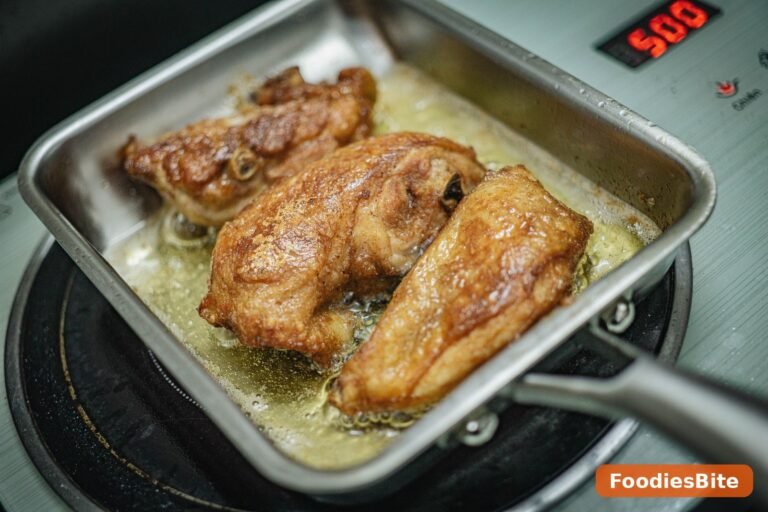
Place the pan in the oven and roast for thirty-five to forty-five minutes, until the chicken skin is deep golden and crisp, the potatoes are tender inside and crisp at the edges, and the chicken is cooked through. Halfway through, after about twenty minutes, spoon some of the pan juices over the chicken and give the potatoes a gentle turn if they look like they are browning unevenly. This is optional, but it helps everything cook evenly, especially if your oven has hot spots. Do not cover the pan. A cover traps steam and softens the skin and the potatoes, which is the opposite of what you want.
How to Tell It Is Done
The most reliable way to know one-pan lemon chicken and potatoes is done is a food thermometer in the chicken. Chicken is safe at 74°C (165°F) measured at the thickest part of the meat, away from the bone. Thighs and drumsticks stay juicy well above this temperature, so a reading a few degrees higher is nothing to worry about, but do not serve chicken below 74°C. Check the largest piece, since the smaller pieces will be done first. If the largest piece is at temperature, everything else is too.
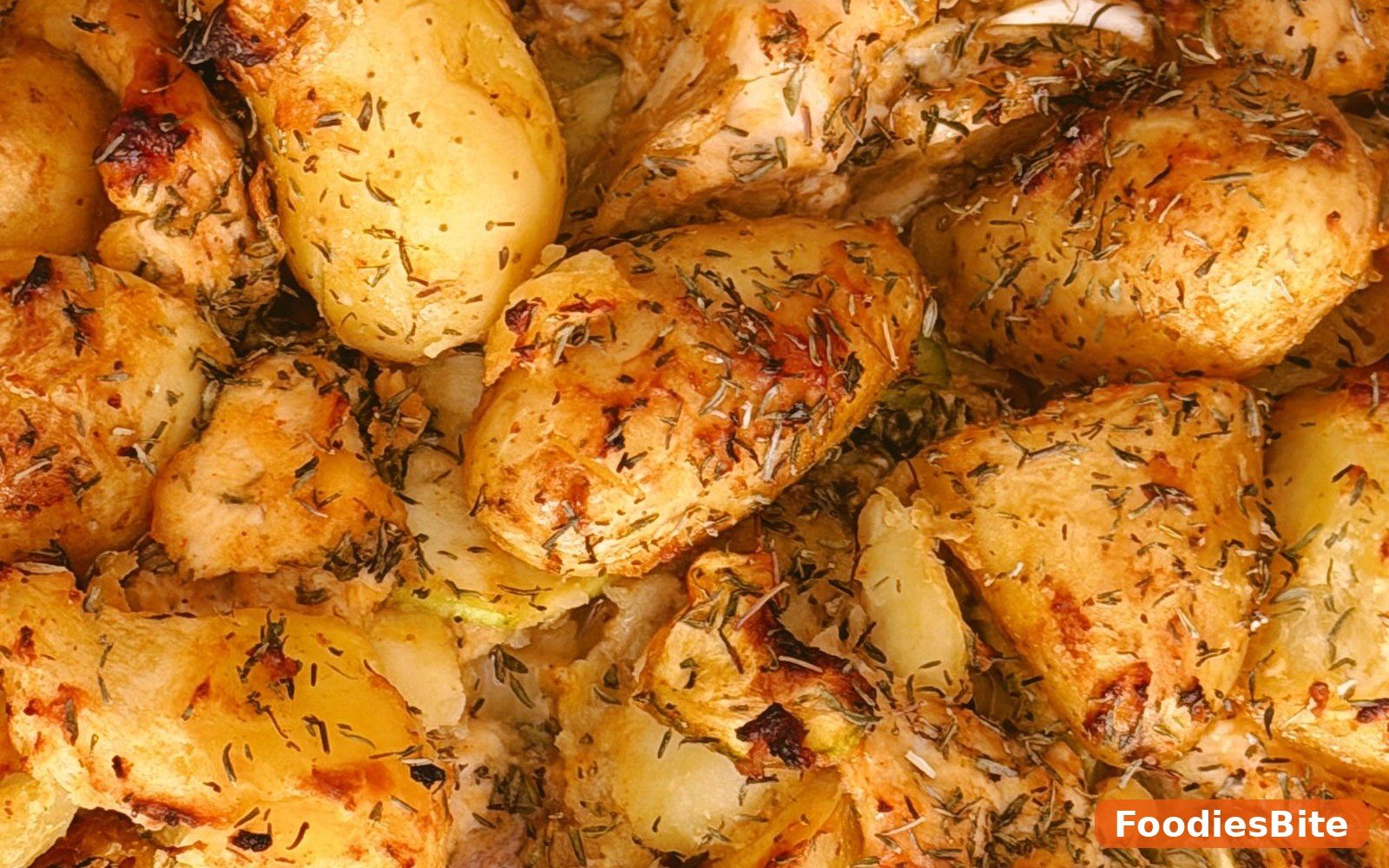
The potatoes tell you they are done by texture. Pierce the largest chunk with a fork or a knife: it should slide in easily, with no hard center, and the outside should be golden and crisp. If the potatoes are still firm when the chicken is done, you can remove the chicken to a plate, tent it with foil, and return the potatoes to the oven for another five to ten minutes. This happens sometimes when potato chunks are cut a little large, and it is an easy fix that does not harm the chicken.
Visual cues help as well. The chicken skin should be deep golden brown, not pale, and the pan juices should be bubbling and slightly reduced, not watery. The lemon slices should be softened and lightly caramelized at the edges. If the skin is browning too fast while the potatoes are still hard, tent the chicken loosely with foil for the last ten minutes. This shields the skin while the potatoes catch up. And once everything is done, let the pan rest for five minutes before serving. Resting lets the chicken juices settle, and the potatoes firm up slightly, which makes them easier to serve.
The Lemon, Explained
Lemon is the ingredient that makes this dish more than just roast chicken and potatoes, and it is worth understanding how it works. Lemon juice adds acidity, and acidity does two things in a roast: it balances richness, so the chicken fat and the starchy potatoes do not feel heavy, and it brightens flavor, making the herbs and garlic taste more vivid. Without the lemon, this dish would be pleasant but plain. With it, the same ingredients taste fresh and lively, even on a cold evening.
Using both lemon juice and lemon slices gives you two different kinds of lemon flavor. The juice distributes evenly and seasons everything in the pan. The slices, roasted alongside the chicken, soften and sweeten, and their flavor is gentler and more rounded. When you serve the dish, place a roasted lemon slice on each plate. Guests can squeeze it over their portion for an extra burst of citrus, and it makes the plate look thoughtful and complete. Fresh lemon matters here. Bottled juice lacks the brightness of fresh, and in a dish with so few ingredients, that difference is noticeable.
If you love lemon, you can add more. A second lemon, sliced and tucked into the pan, intensifies the citrus without making the dish sour, because roasting mellows the slices. If you prefer a subtler lemon flavor, use half a lemon instead of a whole one, and skip the slices. The recipe is flexible, and the right amount of lemon is the amount that tastes good to you. Taste the pan juices before serving, and if they need brightness, a fresh squeeze of lemon over the pan fixes it instantly.
Serving Ideas
One-pan lemon chicken and potatoes is nearly a complete meal on its own, which is part of its appeal, but a simple addition or two makes it feel like a proper dinner. A green salad with a light vinaigrette is the classic partner: the fresh, sharp greens balance the rich roast, and the salad takes two minutes to make while the chicken rests. Crusty bread is another excellent addition, for mopping up the lemony pan juices, which are far too good to leave in the pan. If you want something more substantial, a bowl of steamed green beans or broccoli adds color and freshness without adding another complicated step. For another potato side that pairs with almost any chicken main, our crispy potatoes are a reader favorite, and you can explore everything new on the FoodiesBite homepage.
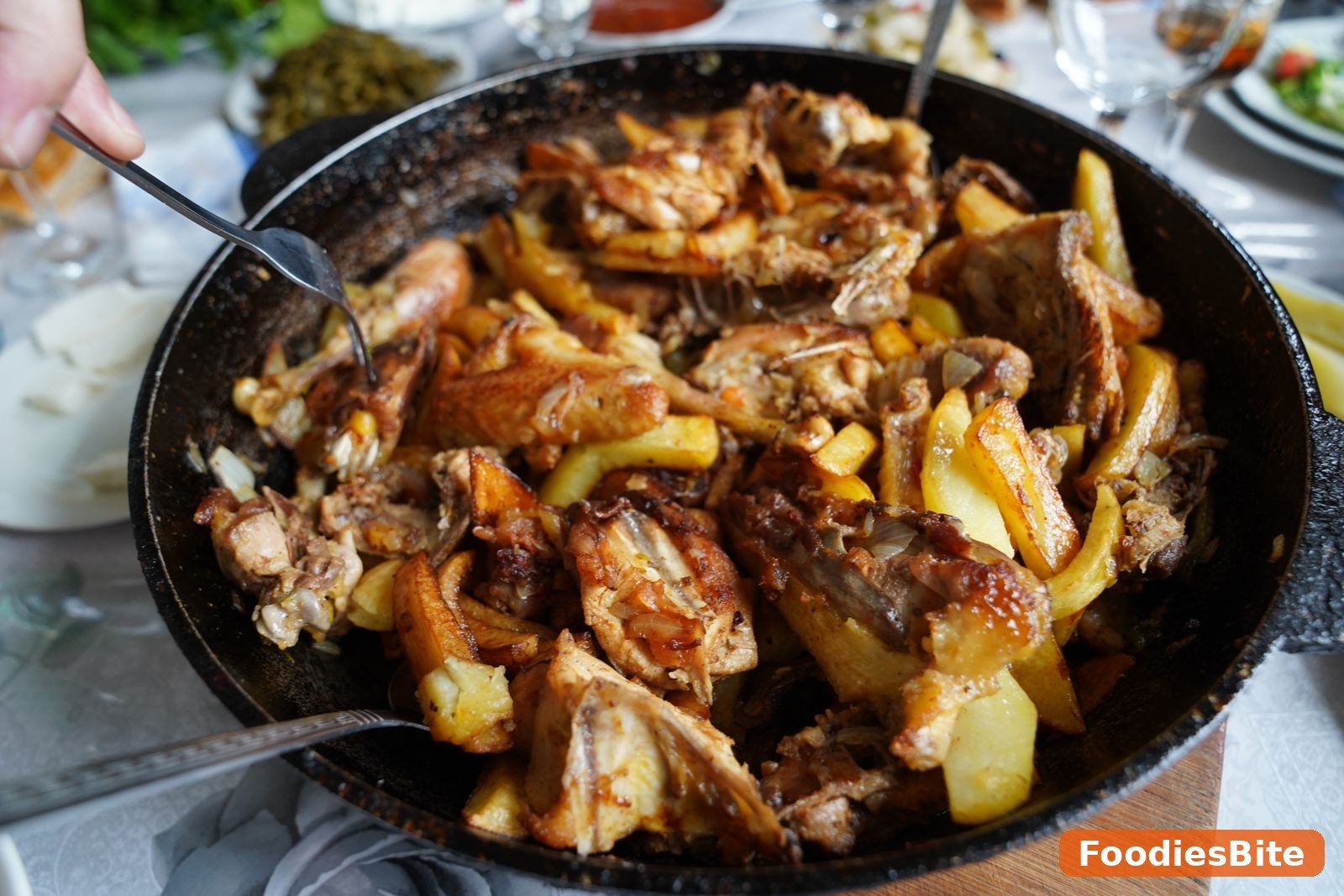
For serving, bring the whole pan to the table if it looks good, and let everyone help themselves. Family-style serving suits this dish, because it is rustic and generous, and it saves you plating each portion. Place a chicken piece, a spoonful of potatoes, a roasted garlic clove, and a lemon slice on each plate, and spoon a little of the pan juices over the top. The soft roasted garlic cloves are a treat: squeeze them out of their skins and spread them on the chicken or the bread, where they taste sweet and mellow, nothing like raw garlic.
Leftovers keep well and are worth planning for. Store the chicken and potatoes separately in airtight containers in the refrigerator for up to three days. To reheat, spread them on a sheet pan and warm in a 190°C (375°F) oven for ten to twelve minutes, which re-crisps the potatoes and the skin far better than a microwave. Leftover chicken is excellent shredded into salads, wraps, or grain bowls, and leftover potatoes are wonderful chopped into a breakfast hash with an egg. Cooking a double batch on Sunday can cover two or three meals in the week, with very little extra effort.
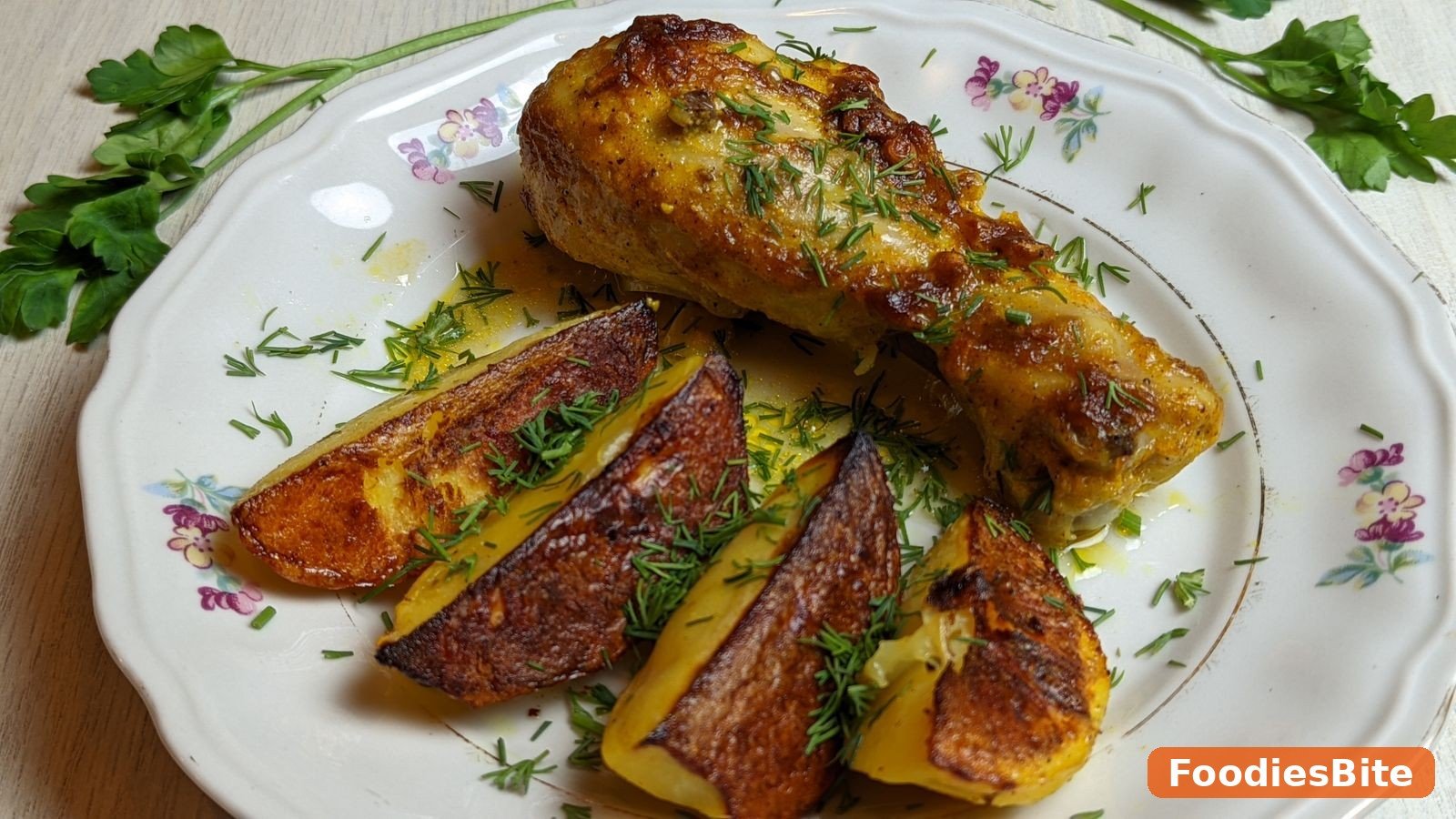
Variations Worth Trying
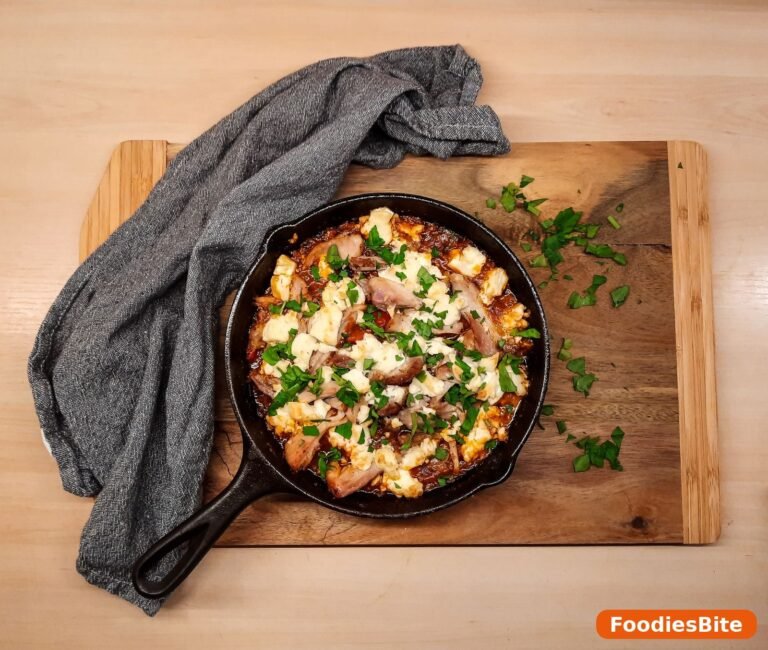
Once you know the basic method, one-pan lemon chicken and potatoes adapts easily. For a Mediterranean version, add a handful of cherry tomatoes, a few olives, and a sliced red onion to the pan, and finish with crumbled feta cheese. The tomatoes burst in the oven and join the pan juices, the olives add saltiness, and the feta melts slightly over the hot chicken. For a herby version, add sprigs of fresh rosemary and thyme to the pan instead of dried oregano. Woody herbs hold up well to roasting, and their aroma fills the kitchen beautifully.
For a spicier dinner, add half a teaspoon of red pepper flakes with the seasoning, or a sliced fresh chili tucked among the potatoes. For a richer version, add a splash of white wine to the pan before roasting, which deglazes as it cooks and adds depth to the pan juices. And if you want a different starch, sweet potatoes, cut into chunks, roast beautifully in the same time and add a gentle sweetness that pairs well with lemon. Carrots, parsnips, and other root vegetables work too, as long as they are cut to a similar size as the potatoes so everything finishes together.
You can also change the protein while keeping the method. Bone-in chicken breasts work, though they cook a little faster, so check them at thirty minutes. Chicken leg quarters, which combine thigh and drumstick, are excellent and very economical. And if you are cooking for a crowd, simply double the recipe across two pans, swapping their positions halfway through so both brown evenly. The method scales effortlessly, which is another reason it belongs in every cook’s repertoire.
Common Mistakes to Avoid
The most common mistake with one-pan lemon chicken and potatoes is crowding the pan. When potatoes are piled on top of each other, or chicken pieces are packed tightly, the trapped moisture steams everything instead of roasting it, and you get pale potatoes and soft skin. Use the largest pan you own, spread everything in a single layer with space between pieces, and use two pans if needed. Space is the single biggest factor in getting crisp results from a roast.
The second mistake is cutting the potatoes unevenly. If some chunks are twice the size of others, the small ones will be mushy before the large ones are cooked. Take a moment to cut the potatoes to a roughly uniform size, about one inch for large potatoes, or simply halve baby potatoes, which are naturally even. The third mistake is skipping the thermometer. The chicken may look done, with golden skin, while the thickest part near the bone is still below 74°C (165°F). Always check, especially with larger pieces.
Finally, do not add the lemon juice too early in large quantities if you are marinating. A short seasoning just before cooking is fine, but marinating chicken in lemon juice for many hours can change the texture of the meat, making the surface soft and slightly chalky. For this recipe, season and roast straight away, and let the lemon work its magic in the oven, where it belongs. Roasting is a dry-heat method that rewards this straightforward approach, and the potato itself is one of the most forgiving vegetables you can roast, which is why this dish is so reliable.
Frequently Asked Questions
Can I use boneless chicken for one-pan lemon chicken and potatoes?
You can, but boneless chicken cooks faster than the potatoes, so add it to the pan about fifteen minutes after the potatoes have started roasting. Otherwise the chicken will overcook while the potatoes are still firm. Bone-in pieces are simpler for this recipe, because they finish at the same time as the potatoes and stay juicy through the longer roast.
What kind of potatoes work best?
Baby potatoes, halved, are ideal, because they cook in the same time as the chicken and their skins crisp well. Yukon Gold potatoes, cut into one-inch chunks, are also excellent, with a buttery texture. Russet potatoes work too, though they can be a little drier. Whatever you choose, cut the pieces to a uniform size so they cook evenly.
How long does one-pan lemon chicken and potatoes take?
The total time is about fifty minutes: ten minutes of preparation and thirty-five to forty-five minutes in a 200°C (400°F) oven. The exact roasting time depends on the size of the chicken pieces and the potato chunks. Always check the chicken with a thermometer, aiming for 74°C (165°F) at the thickest part, and check the potatoes with a fork for tenderness.
Can I prepare it ahead of time?
Yes. You can cut the potatoes and season the chicken up to a day ahead, store them covered in the refrigerator, and assemble the pan just before cooking. This makes the recipe even faster on a busy night. Do not add the lemon juice until you are ready to roast, to avoid changing the texture of the chicken during a long rest.
What should I serve with it?
A green salad, crusty bread, and steamed green vegetables all pair beautifully. The dish is nearly complete on its own, so a simple salad is usually enough. The pan juices are excellent spooned over the chicken and potatoes, and bread is the best tool for enjoying every last drop.