
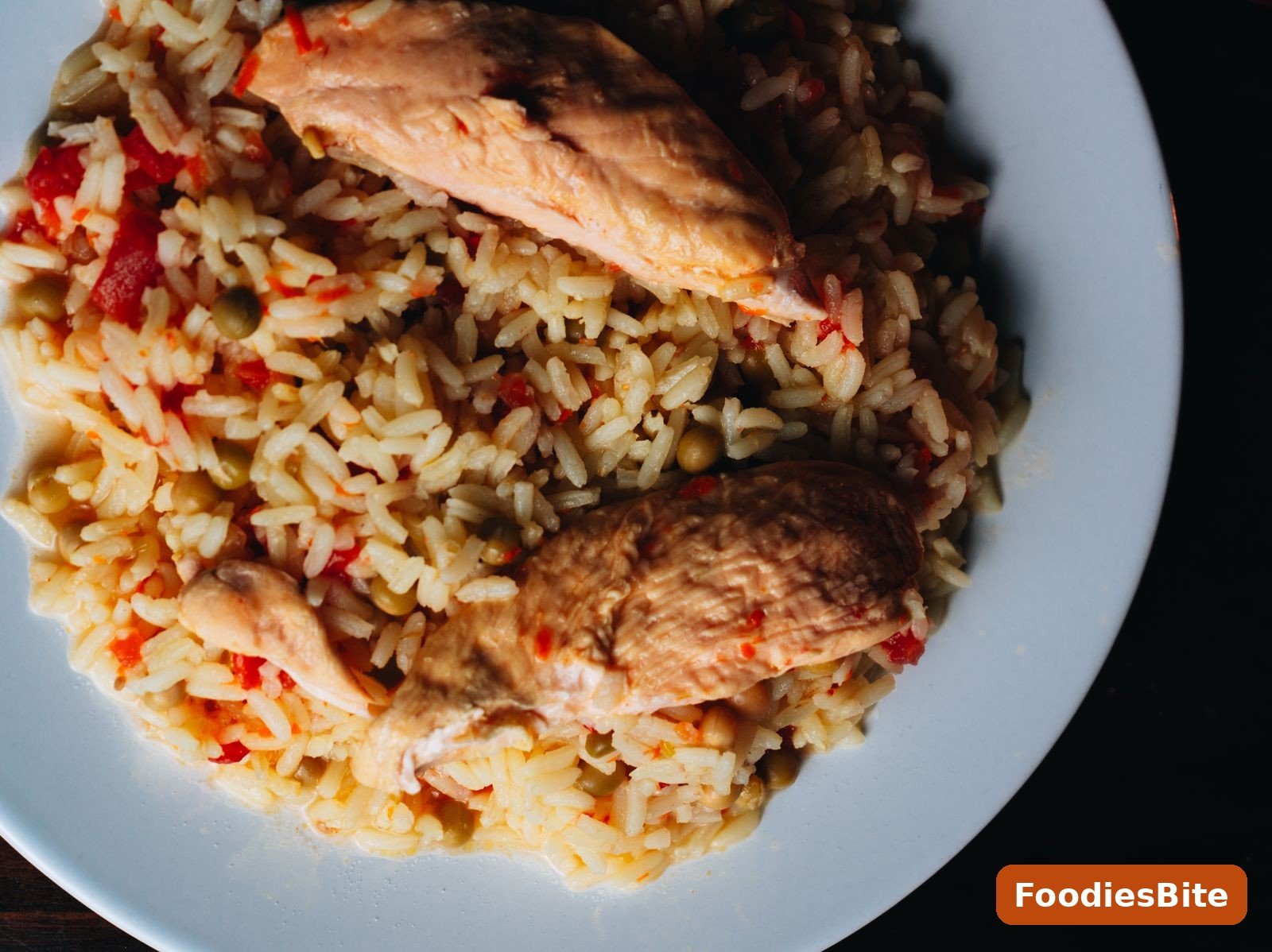
Easy Chicken and Rice Skillet Recipe: A Simple One-Pan Dinner
Chicken and rice is one of those dinners that never lets you down. It is warm, filling, inexpensive, and made from ingredients most kitchens already have. Cooked in a single skillet, it becomes even better: the rice absorbs the broth, the chicken juices, and the seasonings, so every spoonful tastes like it was cooked with care — even though the whole thing takes one pan and under forty minutes.
What makes this recipe especially useful is its flexibility. Add vegetables, change the spices, use breast or thighs, or swap the toppings based on what is in your kitchen. Learn the basic method once, and you have a dinner you can return to all year, in dozens of forms. This guide covers the method, the choices that matter, and the variations that keep it interesting.
Why One Pan Changes Everything
Skillet cooking keeps flavour in one place. When chicken browns in a pan, it leaves savoury browned bits on the base. When broth and rice go into that same pan, those bits dissolve and season everything. In a multi-pot meal, that flavour is spread thin or washed away. In a skillet, it concentrates exactly where you want it.
One pan also means one lot of washing up, which matters on busy nights. There is no separate pot for rice, no colander, no extra baking dish. The skillet goes from stove to table, and dinner is served from the pan it cooked in, which feels generous and homely.
The method is forgiving, too. Rice cooked in broth with a lid on is hard to ruin if you respect two rules: do not lift the lid while it steams, and let it rest for a few minutes before serving. Those two habits are the difference between fluffy, separate grains and a sticky, uneven pot.
Choosing the Chicken and the Rice
For the chicken, boneless thighs are the most forgiving choice. Their extra fat keeps them juicy through the simmering time, and they brown beautifully. Boneless breasts also work, especially if you cut them into even pieces and avoid overcooking, but they dry out more easily if the rice needs a few extra minutes. Bone-in pieces need longer cooking and are better suited to a covered braise than this quick skillet.
For the rice, long-grain white rice is the most reliable. It cooks in about eighteen to twenty minutes, stays fluffy, and does not turn gluey. Basmati adds a lovely aroma, and jasmine brings a gentle fragrance. Brown rice is healthier and nuttier, but it needs nearly twice the liquid and cooking time, so it changes the recipe — save it for a version where you plan ahead. Rice comes in many varieties, but for a weeknight skillet, plain long-grain white rice is the dependable choice.
Rinse the rice before cooking. A quick rinse in cold water until the water runs mostly clear removes surface starch and helps the grains stay separate. It takes thirty seconds and noticeably improves the texture.
The Step-by-Step Method
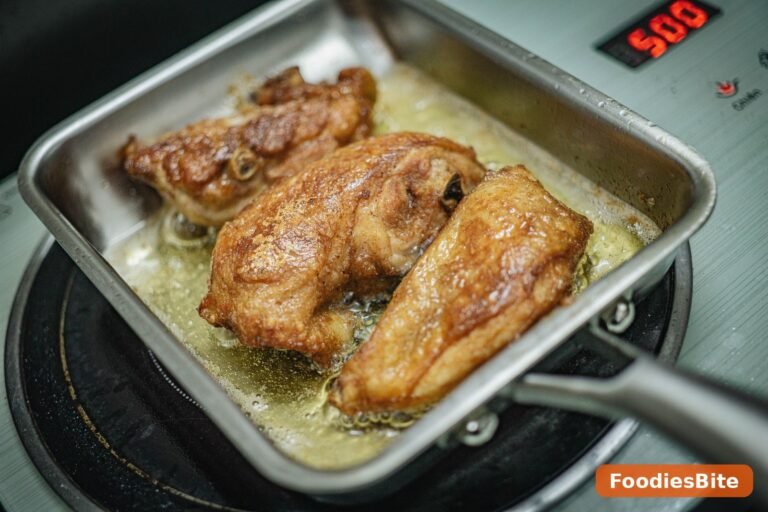
Start with a large, deep skillet with a tight-fitting lid — a twelve-inch skillet is ideal. Heat a tablespoon of oil over medium-high heat. Season the chicken pieces with salt, pepper, garlic powder, and paprika, then brown them in the skillet without crowding. You are not cooking them through at this stage, just building colour on both sides. Remove them to a plate.
In the same pan, soften diced onion in the remaining oil for two or three minutes, then add garlic and stir for a minute until fragrant. Stir in the rinsed rice and let it toast for a minute, coating the grains in the flavoured oil. This small step adds a nutty depth that plain boiled rice never has.
Pour in hot chicken broth — roughly two cups of broth for every cup of rice — and scrape the base of the pan to loosen the browned bits. Add your vegetables now if using: frozen peas, carrots, corn, or diced bell peppers all work. Return the chicken to the pan, nestling the pieces into the rice. Bring to a gentle simmer, cover with the lid, reduce the heat to low, and cook undisturbed for eighteen to twenty minutes.
Do not lift the lid to check. Every peek lets out steam and disrupts the cooking. When the time is up, turn off the heat and let the pan rest, still covered, for five to ten minutes. Then remove the lid, fluff the rice gently with a fork, and check that the chicken is cooked through — 74°C (165°F) at the thickest part. Finish with lemon juice, fresh herbs, or a knob of butter stirred through.
Vegetables, Cheese, and Toppings
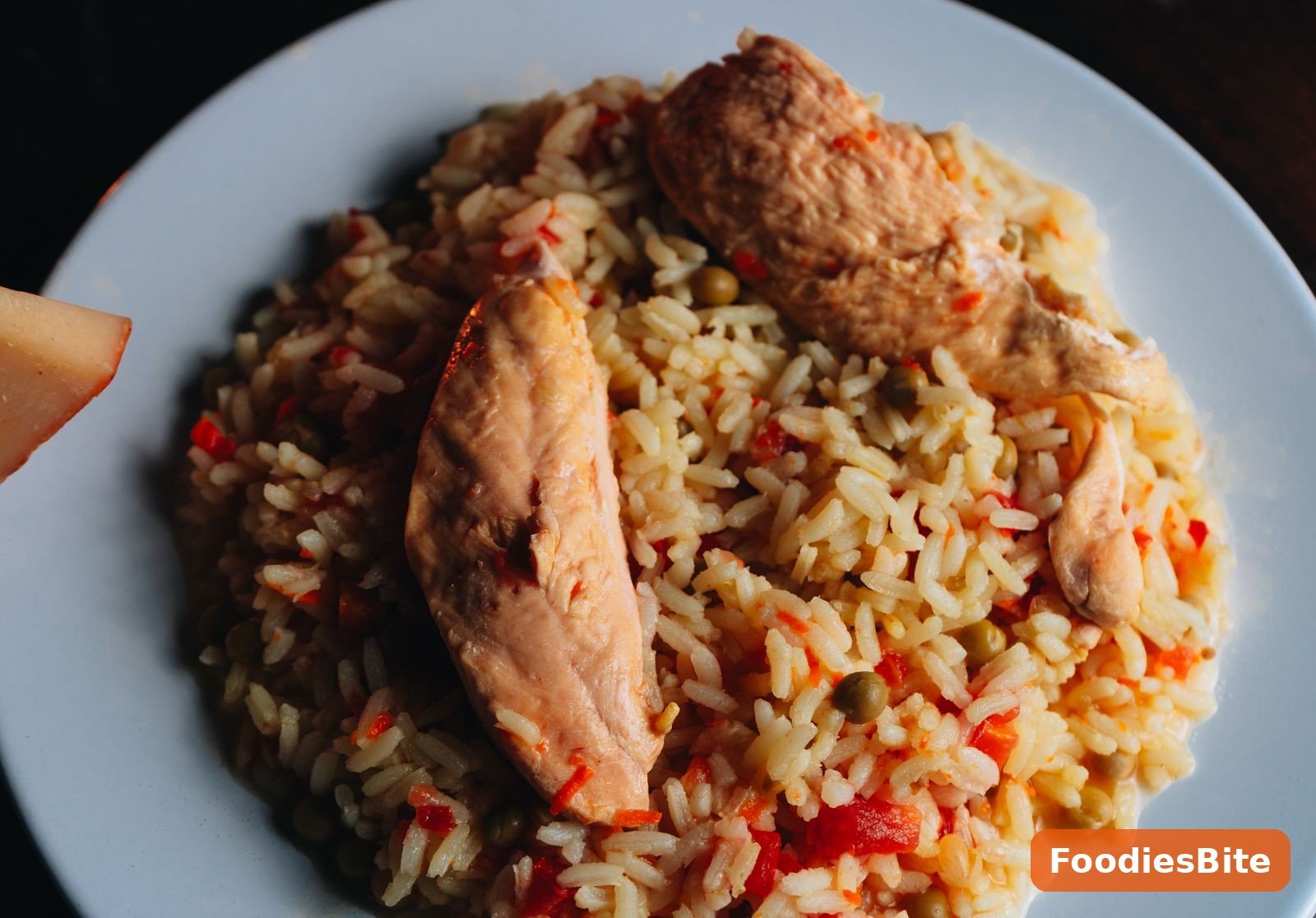
Vegetables make this skillet a complete meal. Frozen peas, carrots, and corn can go straight in with the broth. Fresh broccoli florets, green beans, or mushrooms should be added at the same time, cut small so they cook through. Spinach is different: stir it in at the very end, after the lid comes off, and let the residual heat wilt it in a minute.
Cheese is optional but welcome. A handful of shredded cheese scattered over the hot skillet melts into the rice for a creamy finish, and Parmesan stirred through at the end adds a savoury depth. For a lighter finish, skip the cheese and top with fresh herbs, toasted almonds, or a spoonful of salsa.
Toppings are where leftovers get interesting. One night, serve the skillet with hot sauce and lime. Another night, top it with a fried egg, or with sliced avocado and a dollop of sour cream. The base recipe stays the same; the toppings make it feel new.
Variations Worth Trying
Once the basic method feels natural, the variations are endless. A Mediterranean version uses oregano, lemon, olives, and sun-dried tomatoes, finished with crumbled feta. A Mexican-inspired version adds cumin, chili powder, and chili, with black beans and corn, topped with cheese and coriander.
A creamy version stirs in a spoonful of cream cheese or a splash of cream at the end, with mushrooms and Parmesan, for a risotto-like richness without the constant stirring. A curry version starts with onion, garlic, and ginger, adds curry powder and turmeric to the rice, and finishes with coconut milk in place of some of the broth.
A lemon and herb version keeps things bright: lemon zest and juice, parsley, and dill, with peas and asparagus stirred through. This is the version to make in spring, when you want dinner to taste fresh rather than heavy.
Cooking with Frozen Chicken
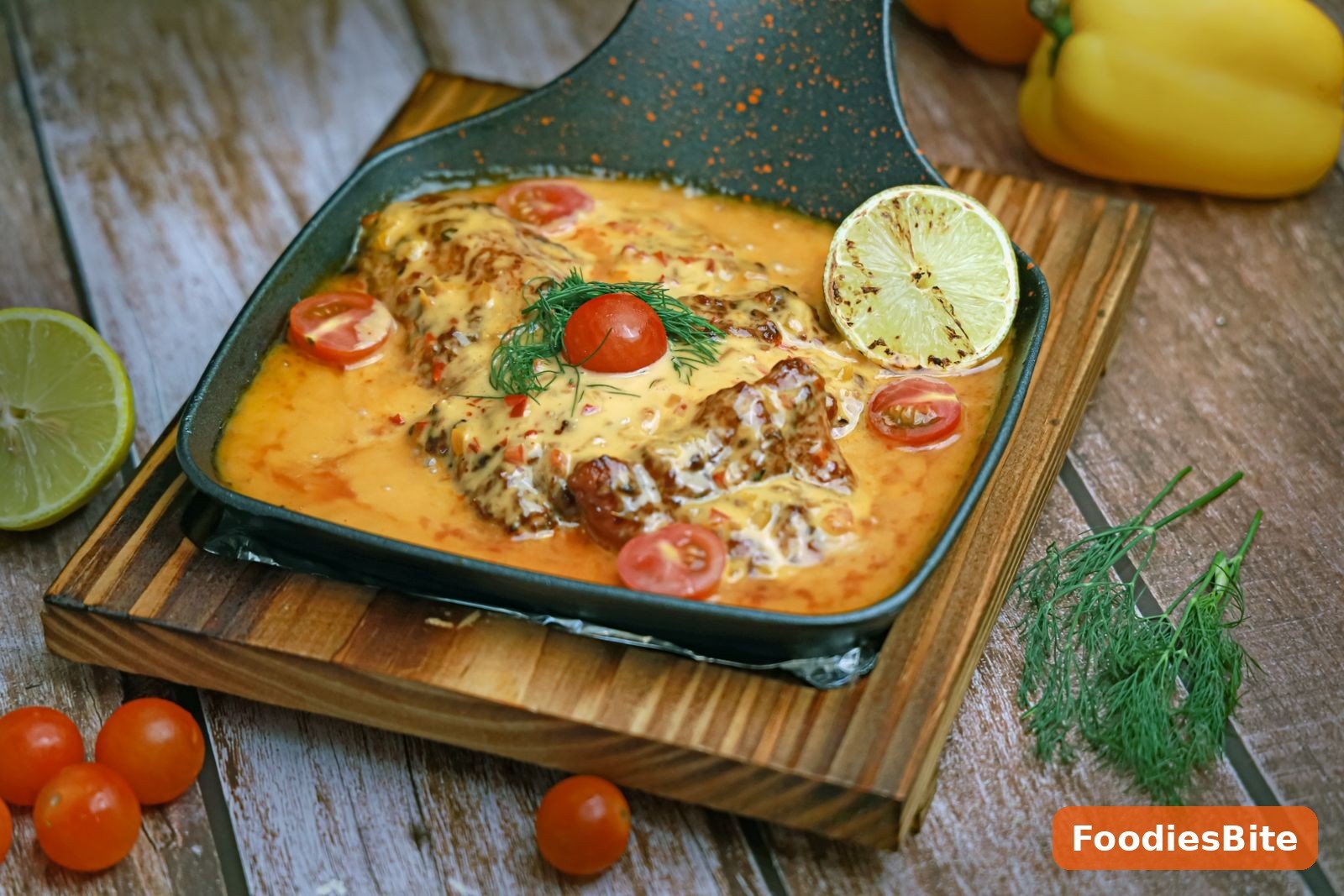
If your chicken is frozen, the safest approach for this recipe is to cook it first, then slice it and add it to the skillet with the rice. Fully frozen pieces will not cook evenly in the time the rice needs, and the rice may overcook while you wait for the chicken. Bake, pressure-cook, or poach the chicken beforehand, then proceed with the skillet method as written, reducing the final simmer slightly since the chicken is already cooked.
Our easy meals with frozen chicken guide explains safe thawing and cooking methods in full, including the thermometer check that removes all guesswork. A quick chicken dinner with frozen vegetables follows a similar one-pan logic and pairs well with this recipe in a weekly rotation.
Meal Prep and Leftovers
Chicken and rice skillet is an excellent meal-prep dish. Cook a double batch, divide it into containers, and refrigerate for lunches and dinners over the next few days. The rice absorbs flavour as it sits, so the second day often tastes even better than the first.
Store leftovers in covered containers in the refrigerator and use within a few days. Reheat thoroughly, adding a splash of broth or water, since rice dries out in the fridge. For freezing, pack the cooled skillet in portions and thaw overnight in the refrigerator before reheating until piping hot.
To keep leftovers interesting, change the toppings rather than the base: hot sauce one day, lemon and herbs the next, a fried egg on the third. A simple base with varied toppings never feels repetitive.
Mistakes to Avoid
The most common mistake is lifting the lid during cooking. Steam is doing the work, and every peek cools the pan and extends the time. Set a timer and trust it.
The second is the wrong liquid ratio. Too much broth makes porridge; too little leaves crunchy rice. Two parts broth to one part rice is the reliable starting point for long-grain white rice, measured with the same cup for both.
The third is high heat. Once the pan is covered, the heat should be low — a gentle simmer, not a rolling boil. High heat scorches the bottom layer while the top stays undercooked. If your stove runs hot, use the smallest burner or a heat diffuser.
A good skillet is part of the recipe. A heavy pan holds heat evenly and prevents hot spots, which is why cast iron and heavy stainless steel outperform thin pans here. The frying pan you choose matters more than any single ingredient choice in this dish.
Making It Your Own: Seasoning Blends
The difference between a good chicken and rice skillet and a great one is often just the seasoning blend. Once you have three or four blends you trust, you can change the character of the whole dish without changing the method at all.
A smoky blend of paprika, cumin, garlic powder, and a pinch of chili gives the skillet a warm, Southwestern feel, especially with corn and black beans stirred through. An Italian blend of oregano, basil, garlic, and lemon zest suits a version with mushrooms, spinach, and Parmesan. A golden blend of turmeric, cumin, coriander, and ginger turns the same pan into something fragrant and sunny, particularly good with peas and carrots.
Keep these blends mixed in small jars, labelled, near the stove. Cooking from a jar you made yourself is faster than measuring five spices on a busy night, and it keeps the flavours consistent from batch to batch. When a blend runs low, make a double batch — it keeps for months in a sealed jar away from heat and light.
One more tip: season in two stages. Half the seasoning goes on the chicken before browning, and the other half goes into the rice with the broth. This layers the flavour through the whole dish instead of leaving it only on the surface, and it is the reason restaurant rice dishes taste seasoned all the way through rather than just on top.
Frequently Asked Questions
Can I use brown rice in this skillet?
Yes, but adjust the recipe: brown rice needs about twice the liquid and forty to forty-five minutes of covered cooking. Add the chicken later in the process so it does not overcook, or use pre-cooked chicken stirred in near the end.
How do I keep the rice from getting sticky?
Rinse the rice before cooking, use the correct liquid ratio, keep the lid on while it steams, and let it rest for five to ten minutes before fluffing with a fork. These four habits produce separate, fluffy grains.
Can I make this with bone-in chicken?
Bone-in thighs work if you give them longer: brown them well, then simmer covered for at least thirty minutes, checking the temperature at the thickest part. The rice may need extra broth, so check near the end and add a splash if the pan looks dry.
What vegetables go best in chicken and rice?
Frozen peas, carrots, and corn are the easiest. Fresh broccoli, green beans, mushrooms, and bell peppers also work well. Add hearty vegetables with the broth, and delicate ones like spinach at the very end.
How long do leftovers keep?
Refrigerated in a covered container, chicken and rice keeps for a few days. Reheat thoroughly with a splash of broth or water. For longer storage, freeze in portions and thaw overnight in the fridge.
A good weeknight recipe does not need complicated ingredients or several pots. A skillet, some chicken, rice, and a few pantry basics are enough for a warm, satisfying dinner — and once you know the method, you can make it your own. Start from the FoodiesBite homepage for the next idea, and explore our One-Pan & Skillet Meals collection for more dinners that keep the washing up to a single pan.



3 Comments