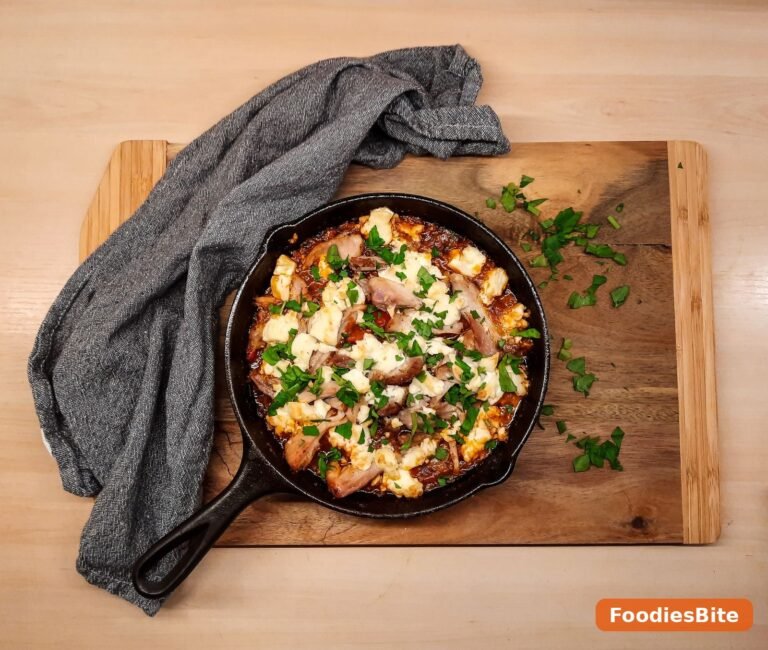
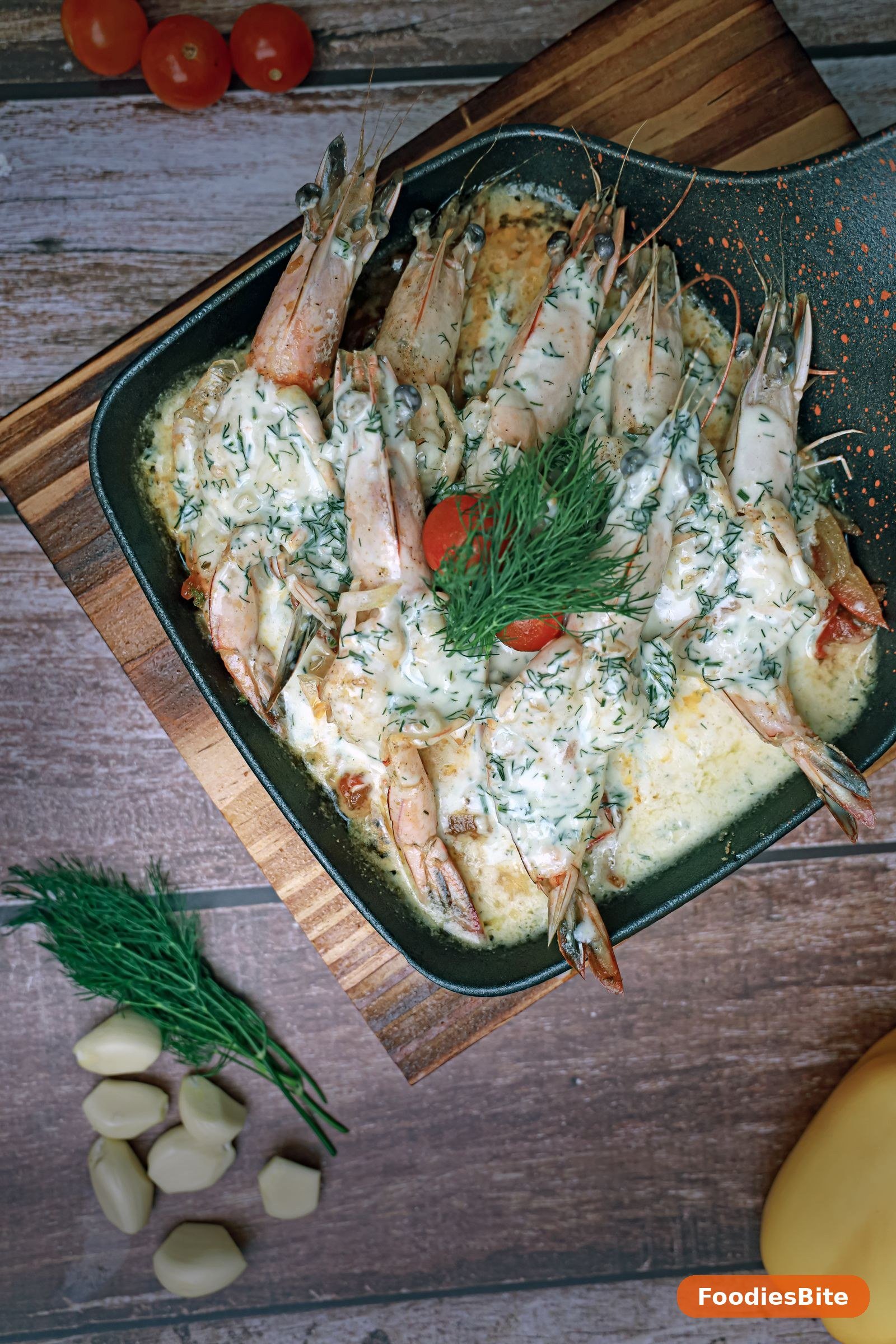
One-Pan Creamy Tuscan Shrimp
There are some dinners that feel like you have gone to a lot of trouble when you really have not, and this is one of them. One-pan creamy Tuscan shrimp is plump shrimp seared in a hot skillet, then folded into a garlicky cream sauce with sun-dried tomatoes, spinach, and Parmesan. It looks like something from a restaurant menu. It tastes like it too. And the whole thing takes about thirty minutes, uses one pan, and leaves you with barely any washing up. That combination is rare enough that when I find a recipe like this, it goes straight into the regular rotation and stays there.
I came to this dish the way I come to most of my favourite recipes, which is to say I was trying to use up what was already in the fridge. There was a bag of frozen shrimp, a jar of sun-dried tomatoes that had been sitting in the cupboard for months, a bag of spinach that needed using that day, and a block of Parmesan. None of it seemed like a meal on its own. But shrimp cook in minutes, sun-dried tomatoes bring a deep, sweet-savoury flavour that tastes like they took hours to develop, and cream and garlic and Parmesan have never let anyone down. Half an hour later I had a pan of shrimp in a sauce so good I was mopping it up with bread, and my husband asked when I had learned to cook like that. The honest answer was about twenty minutes earlier.
The name comes from the flavours rather than any one place in Tuscany. Sun-dried tomatoes, garlic, spinach, Parmesan, and cream are the combination people mean when they say Tuscan-style cooking in a home kitchen, and it works because the flavours balance each other. The tomatoes bring sweetness and a little tang. The garlic brings warmth. The spinach wilts into the sauce and keeps the whole thing from feeling too heavy. The Parmesan adds salt and a nutty depth. And the shrimp, cooked just until they curl and turn pink, are the reason the dish feels special instead of just creamy. It is a weeknight dinner that eats like a weekend one, and that is exactly what most of us need on a Tuesday.
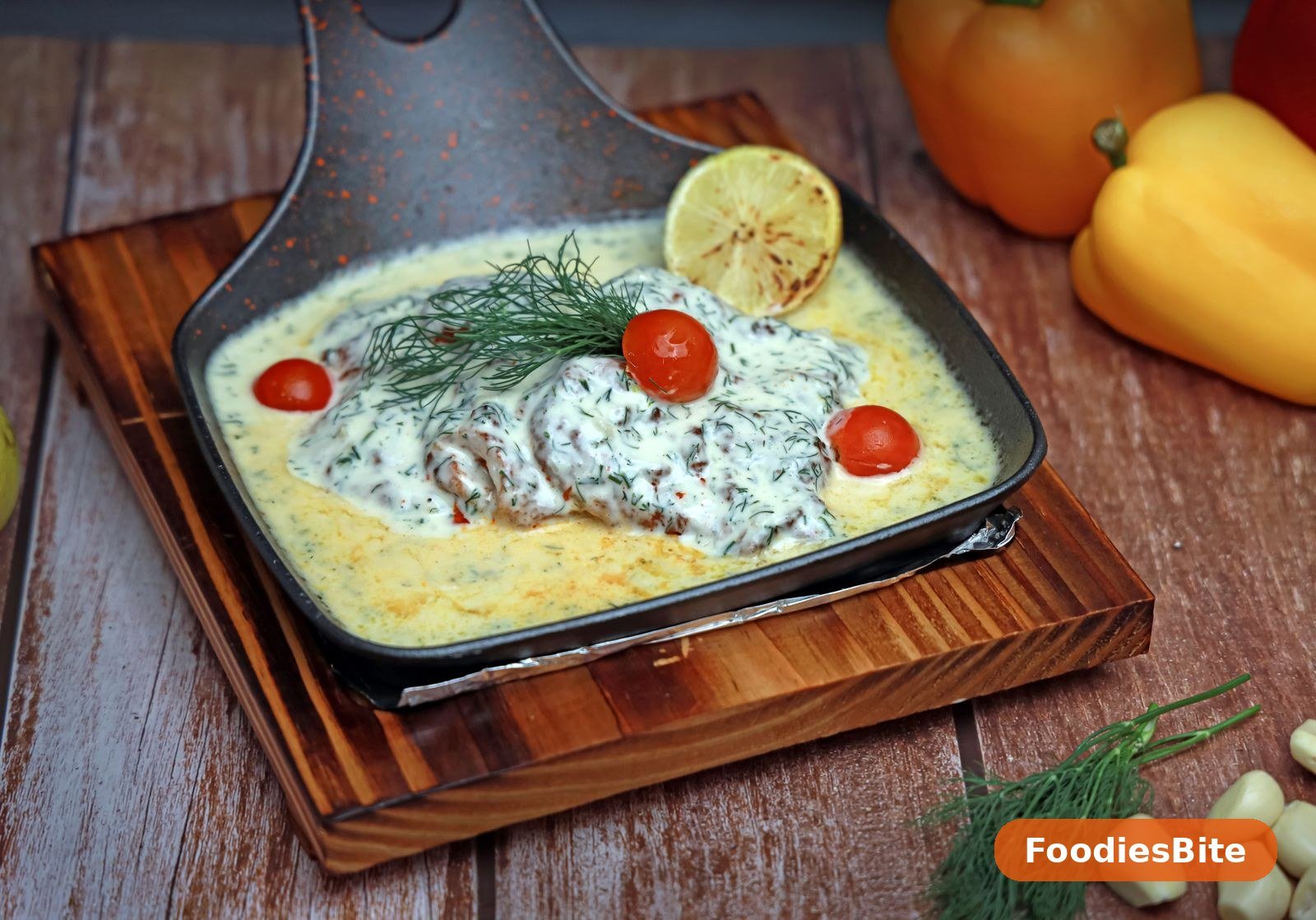
Why You’ll Love This Recipe
First, it is fast in a way that actually matters. Shrimp are one of the quickest proteins you can cook. They go from raw to done in about two minutes a side, which means the whole dish, from opening the fridge to sitting down at the table, takes around half an hour. There is no marinating, no long simmering, no waiting for the oven to heat up. On a night when you get home late and everyone is hungry, that kind of speed is not a nice bonus, it is the whole point. Our one-pan Cajun chicken pasta is another thirty-minute one-pan dinner that works the same way, and it is a good one to keep in mind for the nights when you want chicken instead of shrimp.
Second, it is genuinely a one-pan meal. The shrimp are seared in the skillet, the sauce is built in the same pan, the spinach wilts in the same pan, and the shrimp go back into the same pan to finish. There is no juggling of pots, no colander full of pasta to wash, and no baking dish to scrub. The only other thing you will dirty is a cutting board and a knife. I know that sounds like a small thing, but on a busy evening the difference between one pan and three pans is the difference between cooking dinner and ordering takeaway, and this recipe respects that.
And third, it is flexible in the best way. The sauce is the star, and it is happy with whatever you put in it. Swap the shrimp for chicken, use salmon instead, add mushrooms, or stir in some cooked pasta at the end and let it soak up the sauce. Serve it over rice, with crusty bread, or on its own with a salad. Once you know the sauce, you can build a dozen dinners around it, and that is what makes a recipe worth keeping. A dish you can only make one way is a nice dinner. A dish you can make ten ways is a tool, and this is a tool.
Ingredients You’ll Need
Here is what to gather for four servings as a main course. If you are cooking for two, halve everything and use a smaller skillet. The cooking times stay about the same.
- 1 1/2 pounds large shrimp, peeled and deveined, tails on or off — Large shrimp, about 16 to 20 per pound, are the right size here. They are meaty enough to stay juicy in the sauce and they look generous on the plate. You can use fresh or frozen. If you are using frozen shrimp, thaw them first in a bowl of cold water for about fifteen minutes, then pat them very dry with paper towels. Dry shrimp sear properly. Wet shrimp steam, and steamed shrimp are rubbery.
- 1 teaspoon paprika — Paprika is mostly here for colour and a gentle warmth. It gives the shrimp a lovely golden edge when they sear and a little smoky note in the finished sauce. Sweet paprika is what you want. Smoked paprika works too, and it will give the dish a deeper, smokier flavour, which is a nice variation if you like that.
- 1/2 teaspoon Italian seasoning — A pinch of Italian seasoning on the shrimp ties them to the flavours in the sauce. If you do not have a jar of it, a mix of dried oregano and dried basil in equal parts will do the same job. It is a small amount, but it makes a difference to how the finished dish tastes.
- Salt and black pepper, to taste — Season the shrimp before they go in the pan, and season the sauce at the end. Shrimp need salt to taste like anything, and the Parmesan is salty too, so taste the sauce before you add more salt at the end. The sauce should taste a touch more seasoned than you think it needs, because the spinach and the shrimp are both unseasoned.
- 2 tablespoons olive oil — Olive oil is for searing the shrimp. It can handle the heat, and it adds a little of its own flavour to the pan, which then becomes part of the sauce. Use a good olive oil, but save your best bottle for dressing salads. This one just needs to be decent.
- 3 tablespoons unsalted butter — Butter is the base of the sauce. It is what the garlic cooks in, and it is what gives the sauce its richness. Use real butter, not a spread, because the sauce depends on it. Two tablespoons go in for the garlic and the tomatoes, and the last tablespoon goes in at the end to finish the sauce and make it glossy.
- 5 cloves garlic, minced — Garlic is not a background note in this dish, it is one of the main flavours, so do not be shy with it. Five cloves sounds like a lot, and it is, but garlic softens and sweetens as it cooks in the butter, and it is what makes the sauce taste like something rather than just cream. Mince it fine so it melts into the sauce.
- 1/2 cup sun-dried tomatoes in oil, drained and thinly sliced — Sun-dried tomatoes are the ingredient that makes this dish taste Tuscan. They are sweet, tangy, and intensely savoury all at once, and a little goes a long way. Buy the kind packed in oil, drain them well, and slice them thin so they distribute through the sauce. The oil-packed ones are softer and easier to work with than the dry-packed kind, which need soaking first.
- 1 teaspoon tomato paste — A small spoonful of tomato paste deepens the sauce and gives it a richer colour. It is the kind of ingredient you would not notice if it were there, but you would notice if it were not. Cook it in the butter for a minute before you add the cream, so it loses its raw, tinny taste and turns sweet.
- 1 1/2 cups heavy cream — Heavy cream is what makes the sauce silky and rich, and it is the safest choice here because it will not split when it simmers. Half-and-half will work, but the sauce will be thinner and more likely to curdle if the heat is too high. Whole milk is not a good substitute for this sauce. If you want the dish to be a little lighter, use a cup of cream and half a cup of chicken broth instead.
- 3/4 cup freshly grated Parmesan cheese — Freshly grated Parmesan melts smoothly into the sauce and gives it a salty, nutty flavour. The pre-grated kind in a tub has anti-caking agents in it that stop it melting properly, and it can make a cream sauce grainy. A block of Parmesan and a box grater take about two minutes, and the sauce will be noticeably smoother for it.
- 1/2 teaspoon red pepper flakes — Red pepper flakes give the sauce a gentle warmth at the back of your throat without making it spicy. If you like heat, add a little more. If you are cooking for children, leave them out entirely. The dish will still be very good without them.
- 4 cups baby spinach — Baby spinach wilts down to almost nothing in the hot sauce, so four cups sounds like a lot and it is not. It adds colour, a little bitterness that balances the cream, and a feeling that you have eaten something green. Add it a handful at a time, stirring until each handful wilts before you add the next.
- 1 tablespoon lemon juice, freshly squeezed — A squeeze of lemon at the end is what lifts the whole dish. Cream sauces can be rich to the point of heaviness, and lemon cuts through that and wakes everything up. It is a small amount, but you will taste the difference. Use a fresh lemon, not bottled juice, because bottled lemon juice tastes flat and slightly bitter.
- 2 tablespoons chopped fresh basil, for serving — Fresh basil scattered over the top before serving is not just decoration. It adds a sweet, peppery note that goes beautifully with the tomatoes and the garlic, and it makes the dish look finished. If you do not have basil, fresh parsley works well too.
How to Make One-Pan Creamy Tuscan Shrimp
There are three stages to this dish: searing the shrimp, building the sauce, and bringing them back together. None of them is difficult, and the whole thing takes about thirty minutes, with most of that time being hands-on but simple. Here is how it goes, step by step.
Start by seasoning the shrimp. Pat them dry with paper towels, then toss them in a bowl with the paprika, the Italian seasoning, half a teaspoon of salt, and a good grind of black pepper. Getting them dry is the most important part of this step. Shrimp hold a surprising amount of water, and wet shrimp will steam in the pan instead of searing, which means they will turn out pale and rubbery instead of golden and juicy. Take the time to pat them properly dry. It makes all the difference.
Heat the olive oil in a large skillet over medium-high heat until it shimmers. A 12-inch skillet is ideal, because the shrimp need space. If they are crowded, they will steam, and you will be back to the same problem as wet shrimp. Add the shrimp in a single layer, leaving a little space between them. If they do not all fit, cook them in two batches. It takes an extra few minutes, but it is worth it. Cook the shrimp for about two minutes on the first side, until they turn pink and the edges start to curl, then flip them and cook for another minute or so on the other side. They do not need to be fully cooked at this stage, because they will go back into the pan later. Take them out and set them aside on a plate.
Turn the heat down to medium and add the butter to the same skillet. Let it melt, then add the minced garlic and cook it for about thirty seconds, stirring constantly, just until you can smell it. Garlic burns fast, and burnt garlic is bitter in a way that is very hard to fix, so keep the heat moderate and do not walk away. Add the sun-dried tomatoes and the tomato paste, and cook for another minute, stirring, until the tomato paste darkens slightly and smells sweet. This is the flavour base of the sauce, and giving it a minute in the pan now is what makes the finished sauce taste deep and developed instead of flat.
Pour in the heavy cream, scraping the bottom of the pan with a wooden spoon as you go. All the browned bits stuck to the pan from searing the shrimp will dissolve into the cream, and that is where a lot of the flavour is. Bring the sauce to a gentle simmer, then turn the heat down to medium-low and let it bubble quietly for three or four minutes, stirring now and then, until it thickens enough to coat the back of a spoon. It should be the consistency of thick cream, not paste. If it gets too thick, add a splash of chicken broth or a little water. If it is too thin, let it simmer for another minute or two.
Take the pan off the heat and stir in the Parmesan a handful at a time, letting each handful melt before you add the next. Adding it all at once can make the sauce clump, and adding it off the heat stops it from splitting. Then add the red pepper flakes and taste the sauce. Season it with salt and pepper until it tastes a little more seasoned than you think it needs to, because the spinach and the shrimp will dilute it. The sauce should taste rich and savoury and make you want to keep tasting it. If it does, it is ready.
Put the pan back on a low heat and add the spinach a handful at a time, stirring until each handful wilts before you add the next. It will look like a mountain of spinach at first, and then it will shrink down to almost nothing, which always surprises me no matter how many times I make this. Once the spinach has wilted, add the shrimp back to the pan along with any juices that have collected on the plate. Those juices are full of flavour, so do not throw them away. Spoon the sauce over the shrimp and let everything simmer gently together for two or three minutes, just until the shrimp are heated through and cooked all the way. Shrimp are done when they are opaque all the way through and curled into a loose C shape. If they have curled into a tight O, they are overcooked. The USDA safe minimum internal temperature chart lists 145°F (63°C) as the safe temperature for shrimp, and it is the reference I keep bookmarked for exactly this kind of check.
Take the pan off the heat and stir in the lemon juice and the last tablespoon of butter. The butter makes the sauce glossy and the lemon lifts the whole dish, and together they are the finishing touch that makes the sauce taste like a restaurant sauce instead of a home one. Taste it one last time and adjust the salt if it needs it. Scatter the chopped basil over the top, and bring the pan straight to the table. It is best served immediately, while the sauce is hot and the shrimp are at their juiciest.
The Sauce: What Makes It Work
Everything about this dish comes down to the sauce, so it is worth understanding what makes it work and what can go wrong with it.
A cream sauce is really just three things: fat, flavour, and liquid, cooked in the right order. The butter and the garlic and the tomato paste are the flavour base, and the cream is the liquid that turns that base into a sauce. The order matters. If you add the cream before the garlic has cooked, the garlic will taste raw. If you add the Parmesan while the sauce is boiling hard, it can split and go grainy. Butter, garlic, tomato paste, cream, simmer gently, then Parmesan off the heat. That is the whole technique, and it is the same one behind a hundred other sauces. Learn it once and you have it for life.
The other thing that matters is the shrimp. Shrimp cook so fast that it is easy to overcook them, and overcooked shrimp are rubbery and disappointing. The trick is to take them out of the pan before they are fully done, build the sauce, and then put them back in just long enough to finish. Two minutes of searing, then two or three minutes in the sauce at the end, is about right. They will be pink, juicy, and curled into a loose C shape. If they have curled into a tight O, they have been in the pan too long, and there is not much you can do about it after the fact, so watch them closely. It is better to take them out a minute early than a minute late, because they will keep cooking in the residual heat of the sauce.
If your sauce ever turns out too thick, do not panic. It is the easiest problem in this recipe to fix. Add a splash of chicken broth, or a splash of water, and stir it in. If it is too thin, let it simmer for another minute or two. It will thicken. And if it splits, which can happen if the cream boils too hard or the Parmesan goes in while the sauce is too hot, take it off the heat and whisk in a spoonful of cold cream. That usually brings it back together. The sauce is forgiving. It just wants a little attention and a gentle heat.
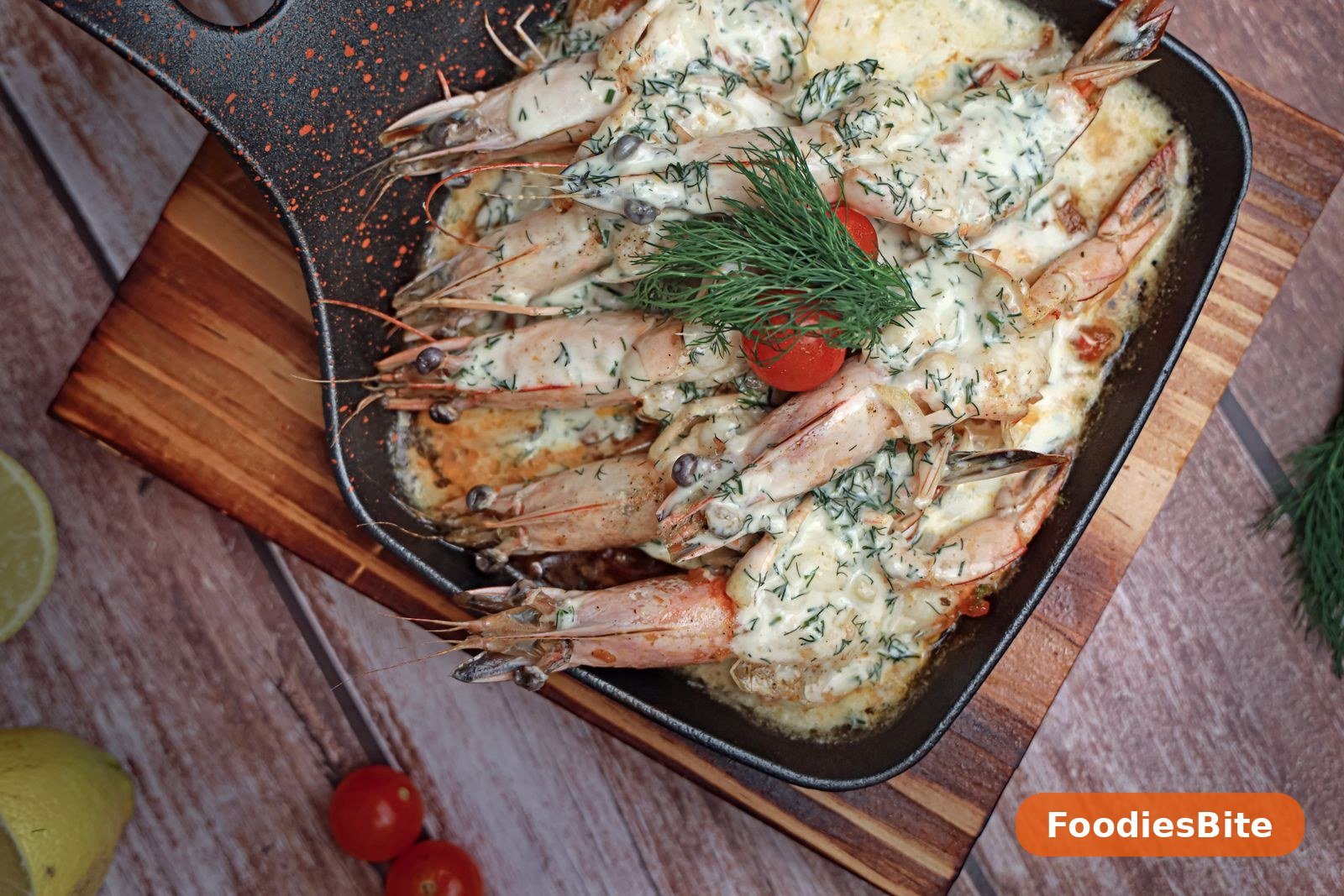
Tips for the Best Creamy Tuscan Shrimp
A few small things I have learned from making this dish more times than I can count.
Pat the shrimp dry. I said it above and I will say it again, because it is the difference between shrimp that sear and shrimp that steam. Shrimp hold water in a way that chicken does not, and if you put wet shrimp into a hot pan, the water hits the oil and the pan temperature drops, and the shrimp boil in their own liquid instead of browning. Paper towels, both sides, until they feel dry to the touch. It takes a minute, and it is the single most useful thing you can do for this recipe.
Do not crowd the pan. This is the same idea, applied to space instead of water. Shrimp need room in the skillet so the heat can reach them properly. If they are packed in tight, they will steam each other, and you will get pale, rubbery shrimp instead of golden ones. A 12-inch skillet holds about a pound and a half of shrimp in a single layer. If yours is smaller, cook them in two batches. It takes an extra five minutes, but the result is worth it.
Use sun-dried tomatoes packed in oil, not the dry-packed kind. The oil-packed ones are softer, they slice easily, and they have a richer, deeper flavour. The dry-packed kind need soaking in hot water for twenty minutes before you can use them, and even then they are chewier and less flavourful. If the oil-packed kind are all you can find, you are in luck, because they are the better choice anyway. Drain them well before you slice them, so you are not adding extra oil to the pan.
Take the shrimp out before they are done. This is the hardest tip to follow, because it feels wrong to take food out of the pan when it is not finished. But shrimp cook in the residual heat of the sauce, and if they go into the sauce already fully cooked, they will be overcooked by the time you serve them. Take them out when they are pink and just starting to curl, and let them finish in the sauce at the end. Two or three minutes in the hot sauce is all they need, and they will be juicy and tender instead of tough.
And finish with lemon. A squeeze of lemon juice at the end is not optional in a cream sauce this rich. It cuts through the richness, brightens the tomatoes, and makes the dish taste lighter than it is. Without it, the sauce can feel heavy by the last few bites. With it, you will want to mop up every last drop with bread. Add it off the heat, so the fresh flavour stays bright, and taste the sauce after you add it. You will know immediately if it needs a little more.
Variations to Try
Once you have made the classic version, this sauce is a very good base to play with, and the method stays the same, so you can change the flavours without learning anything new.
For a creamy Tuscan chicken, swap the shrimp for a pound and a half of chicken breast, cut into bite-size pieces. Season it the same way, sear it in the same pan until it is golden, and then finish it in the sauce the same way. Chicken takes a little longer than shrimp, about five or six minutes to sear and another five in the sauce, so give it that extra time. The result is a heartier version of the same dish, and it is the one I make when I have chicken in the fridge and no shrimp. Our creamy garlic chicken pasta uses a similar sauce with pasta, and it is a good partner recipe if you like this kind of cooking.
For a salmon version, use four salmon fillets, seasoned the same way, seared skin-side down for about four minutes, then flipped and finished in the sauce. Salmon and a creamy tomato sauce are a natural pair, and the dish feels a little more special, which makes it a good choice for a dinner with friends. The sauce is the same, the method is the same, and the result is a dish that looks like it took far more effort than it did.
For a pasta version, cook eight ounces of fettuccine or penne separately, drain it, and stir it into the sauce with the shrimp at the end. The pasta soaks up the sauce and turns the dish into a complete one-pan pasta dinner, which is a good option when you want something more filling. Our one-pot chicken alfredo pasta is another creamy one-pan pasta that works the same way, and it is worth a look if you like the idea of pasta and cream sauce together.
For a spicy version, double the red pepper flakes and add a pinch of cayenne with the garlic. The heat builds slowly and gives the sauce a warmth that balances the cream beautifully. It is a small change, but it makes the dish taste noticeably more grown-up, and it is my favourite variation when I am cooking just for the adults. If you like the idea of shrimp with a bit of heat, our air fryer coconut shrimp with sweet chili sauce is another shrimp recipe that leans into the sweet and spicy side.
For a lighter version, use a cup of cream and half a cup of chicken broth instead of a cup and a half of cream, and use half the Parmesan. The sauce will be thinner and less rich, but it will still be creamy and satisfying, and it is a reasonable compromise if you are watching the richness. You can also add a cup of sliced mushrooms with the garlic, which adds body and flavour without adding much richness at all.
What to Serve With Creamy Tuscan Shrimp
This is a rich dish, and it is at its best with something simple alongside it to soak up the sauce or cut through the cream.
Crusty bread is the first choice, and it is the one people will ask for. A few slices of good bread, warmed in the oven or toasted, are perfect for mopping up the sauce from the pan. It is the kind of thing that turns a good dinner into a memorable one, because everyone ends up leaning over the pan with a piece of bread, and that is the best sign a dinner can get. Just do not serve both bread and a heavy dessert. One rich thing at a time is enough.
Rice is the second choice, and it is the practical one. A bowl of fluffy white rice, or a lemony rice pilaf, gives the sauce something to sit on and turns the dish into a proper plate of food. The rice soaks up the sauce, the shrimp sit on top, and the whole thing eats like a complete meal. It is also a good way to stretch the dish if you are feeding more people than you planned for, because a pot of rice costs almost nothing and feeds everyone.
Pasta is the third choice, and it is the filling one. A short pasta like penne or rigatoni, tossed with the sauce, makes the dish feel like a restaurant pasta course. If you go this way, cook the pasta separately and add it to the pan at the end, along with the shrimp. Do not cook the pasta in the sauce, because it will soak up too much liquid and the sauce will go thick and starchy.
And a green salad is the thing that balances the whole plate. Something crisp and sharp, like a simple salad with a lemon vinaigrette, gives you a cool, bright contrast to the warm, rich shrimp. The acidity wakes your palate up between bites, and it makes the shrimp taste richer by comparison, which is a neat trick. Keep the salad simple. Lettuce, a good dressing, and maybe some shaved Parmesan is all you need.
Storage and Reheating
Leftover creamy Tuscan shrimp keeps well, but shrimp and cream sauce both need a little care when you reheat them, so here is how to do it properly.
In the fridge, the shrimp and sauce will keep for two to three days in an airtight container. Shrimp do not keep as long as chicken, so do not push it past three days. When you reheat it, do it gently, in a skillet over a low heat, with a splash of cream or milk to loosen the sauce back up. The sauce will have thickened in the fridge, and a little extra liquid brings it back to the right consistency. Warm it slowly, stirring now and then, until it is heated through. Do not let it boil, because the sauce can split, and do not microwave it on high, because the shrimp will go rubbery. Low and slow is the way.
I do not recommend freezing this dish. Cream sauces do not freeze well, and they tend to split when they thaw, and shrimp go rubbery when they are frozen and reheated. If you have made too much, it is better to eat the leftovers the next day than to freeze them. If you really must freeze it, freeze the sauce on its own, without the shrimp, and cook fresh shrimp when you reheat it. The sauce will still need a good whisk when it thaws, and a splash of fresh cream will help bring it back together.
For food safety, buy your shrimp from a source you trust, and check that it smells fresh and clean, like the sea, not fishy. The FDA guide to selecting and serving seafood safely is a good reference for what to look for when you are buying shrimp and how to store it once you get it home. And once the shrimp are cooked, do not leave the dish sitting out at room temperature for more than two hours. Put the leftovers in the fridge promptly, and reheat them to 145°F before you eat them.
Frequently Asked Questions
Can I use frozen shrimp for this recipe?
Yes, and it is what I use most of the time. Frozen shrimp are usually frozen very soon after they are caught, which means they are often fresher than the shrimp sitting on ice at the fish counter. Thaw them in a bowl of cold water for about fifteen minutes, then drain them and pat them very dry with paper towels. Do not thaw them in the microwave, because they will start to cook at the edges, and do not thaw them in hot water for the same reason. Cold water is the way, and dry shrimp are the goal.
What size shrimp should I use?
Large shrimp, about 16 to 20 per pound, are the right size for this dish. They are meaty enough to stay juicy in the sauce, and they look generous on the plate. Medium shrimp will work, but they cook faster, so watch them closely and take them out of the pan a minute earlier. Jumbo shrimp are lovely too, but they are expensive, and they need an extra minute a side. Whatever size you use, the test is the same. They are done when they are opaque all the way through and curled into a loose C shape.
Can I make creamy Tuscan shrimp ahead of time?
You can make the sauce ahead of time, but I would not cook the shrimp ahead of time. The sauce will keep in the fridge for two days in an airtight container, and you can reheat it gently in a skillet, adding a splash of cream to loosen it, then cook the shrimp fresh and add them to the sauce. Shrimp cook in minutes, so making them fresh at the last moment is not much extra work, and it makes a real difference to the texture. Shrimp that are cooked, refrigerated, and reheated are never as good as shrimp cooked fresh.
Can I use half-and-half instead of heavy cream?
You can, but the sauce will be thinner and more likely to split if the heat is too high. Half-and-half has less fat than heavy cream, and fat is what keeps a cream sauce stable when it simmers. If you do use half-and-half, keep the heat low, do not let the sauce boil, and add the Parmesan off the heat. The dish will still be good, but it will not be quite as rich or as silky. Whole milk is not a good substitute for this sauce, because it is very likely to curdle.
What can I use instead of sun-dried tomatoes?
If you do not have sun-dried tomatoes, you can use a cup of cherry tomatoes, halved, cooked in the butter with the garlic until they soften and start to break down. They will give the sauce a fresher, lighter tomato flavour, which is lovely, though it will not have the deep, concentrated sweetness of sun-dried tomatoes. You can also use a couple of tablespoons of tomato paste on its own, cooked in the butter for a minute, which will give the sauce colour and depth without the texture of the tomatoes. Either way, the dish will still be very good.
Why did my cream sauce split?
A cream sauce splits when it gets too hot, or when the cheese goes in while the sauce is boiling. Heavy cream is quite forgiving, but even it will split if it boils hard for too long. The fix is to keep the heat gentle, let the sauce simmer rather than boil, and add the Parmesan off the heat, a handful at a time. If it does split, take the pan off the heat and whisk in a spoonful of cold cream. That usually brings it back together. And if it will not come back, a quick blitz with an immersion blender will smooth it out again, though you should take the shrimp out first if you do that.