One-Pot Chicken Alfredo Pasta
One-pot chicken alfredo pasta is the dinner that makes a weeknight feel indulgent without making a mess. Tender chicken, fettuccine, and a creamy garlic parmesan sauce all cook together in a single pot, which means there is no separate pot of boiling pasta water, no colander, and no second pan for the sauce. The pasta cooks directly in the sauce, releasing its starch as it goes, and that starch is what makes the finished sauce silky and thick without any flour or fuss. Dinner is ready in about thirty minutes, and cleanup is one pot and a spoon.
The one-pot method is not just about fewer dishes. It genuinely improves the sauce. When pasta cooks in water, its starch goes down the drain. When it cooks in the sauce, that starch stays in the pot and thickens the cream into a glossy coating that clings to every strand. The result is a richer, more cohesive dish than the traditional two-pot version, made with less effort. It is a technique worth learning, because it applies to many pasta dishes beyond alfredo.
This guide covers the full method: choosing the pasta and chicken, building the sauce, the timing that keeps the pasta from overcooking, and the variations that keep the recipe interesting. You will find more single-pan dinners in our One-Pan & Skillet Meals collection, and if you like the idea of chicken and a starch cooking together in one pan, our easy chicken and rice skillet recipe uses a similar approach with a completely different flavor.
Why One-Pot Alfredo Works So Well
Traditional alfredo is made by cooking pasta in a large pot of salted water, draining it, and tossing it with a separately made cream and parmesan sauce. That method works, but it has two weaknesses: the sauce can feel separate from the pasta, sitting on top of it rather than coating it, and it requires attention to two pots at once. The one-pot method solves both problems. The pasta absorbs flavor from the sauce as it cooks, and the cook only watches one pot.
The starch released by the pasta is the quiet hero of this recipe. As fettuccine cooks, it sheds starch into the surrounding liquid, and that starch thickens the cream naturally. The sauce goes from thin and milky to thick and glossy over the course of cooking, without any roux or cornstarch. This is the same principle behind finishing pasta in its sauce, a standard technique in Italian cooking, taken one step further by cooking the pasta in the sauce from the start.
There is one adjustment to keep in mind: because the pasta absorbs liquid as it cooks, the sauce needs more liquid than a traditional alfredo. This recipe uses a combination of chicken stock and cream, which gives the sauce both body and savory depth. The stock also seasons the pasta from the inside as it cooks, which is a subtle but real improvement over pasta boiled in plain water. If the sauce thickens too much before the pasta is done, a splash of stock or water loosens it instantly.
Ingredients You Need
For four servings of one-pot chicken alfredo pasta, you need one pound of boneless chicken breast or thighs cut into thin strips or bite-sized pieces, eight ounces of fettuccine broken in half so it fits the pot, two tablespoons of butter, three cloves of garlic minced, two cups of chicken stock, one and a half cups of heavy cream, one cup of freshly grated parmesan cheese plus extra for serving, half a teaspoon of salt, half a teaspoon of black pepper, a pinch of nutmeg, and chopped fresh parsley for garnish. A squeeze of lemon at the end is optional but recommended.
Chicken thighs stay juicier in this recipe because they tolerate the simmering time well, but breasts work nicely when cut thin and not overcooked. Whichever cut you use, cook the chicken until it reaches 74°C (165°F) at the thickest part, measured with a thermometer. The chicken is seared first and then simmers briefly with the pasta, which brings it to temperature reliably, but checking is still worthwhile the first time you make the recipe.
Freshly grated parmesan matters more here than in most recipes. Pre-grated parmesan contains anti-caking agents that prevent it from melting smoothly, and it can make the sauce grainy. A wedge of parmesan and a box grater take two minutes and give a sauce that melts into a smooth, glossy finish. Parmesan is a hard, aged cheese with a deep savory flavor, and it is the backbone of the sauce, so its quality shows. Heavy cream is also important: lighter creams and milk are more likely to split when simmered, while heavy cream holds together and gives the sauce its richness.
How to Make One-Pot Chicken Alfredo Pasta
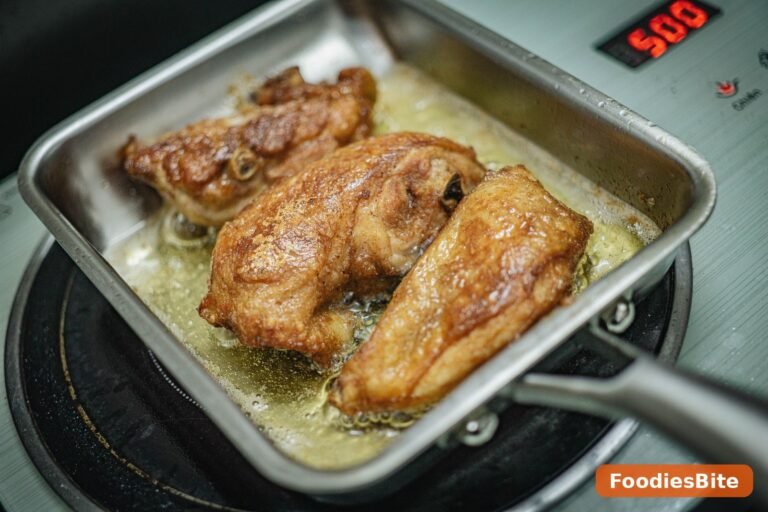
Season the chicken pieces with salt and pepper. Melt one tablespoon of butter in a large, deep skillet or Dutch oven over medium-high heat, and sear the chicken in a single layer for three to four minutes, turning once, until golden on the outside. The chicken does not need to be fully cooked at this stage, because it will finish cooking with the pasta. Remove it to a plate and set it aside.
Reduce the heat to medium and melt the remaining butter in the same pot. Add the garlic and stir for thirty seconds until fragrant, taking care not to let it brown, because burnt garlic tastes bitter and will flavor the whole sauce. Pour in the chicken stock and cream, scraping up the browned bits from the bottom of the pot. Those bits carry the flavor of the seared chicken and deepen the sauce. Add the salt, pepper, and nutmeg, and bring the mixture to a gentle simmer.
Add the fettuccine, broken in half, and the seared chicken back to the pot. Press the pasta down so it is mostly submerged, cover the pot, and cook over medium-low heat for twelve to fourteen minutes, stirring every few minutes so the pasta does not stick together or to the bottom. The pasta should be tender and the sauce thickened. If the sauce gets too thick before the pasta is done, add a splash of stock. Remove the pot from the heat, stir in the parmesan a handful at a time until it melts smoothly, and let the pasta rest for three minutes. The sauce will thicken further as it cools slightly. Taste, adjust the salt, and serve with extra parmesan and parsley.
The Sauce, Explained
Alfredo sauce is famously simple: butter, cream, and parmesan, seasoned with garlic, salt, pepper, and a pinch of nutmeg. There is no roux, no egg, and no thickener, because the cheese and the pasta starch do the thickening. That simplicity is why ingredient quality matters so much. With only a few components, each one shows, and a good parmesan and real heavy cream make the difference between a sauce that tastes luxurious and one that tastes flat.
The nutmeg is a small but traditional addition. A pinch adds warmth and depth without tasting like nutmeg, and it rounds out the richness of the cream and cheese. If you do not have it, the sauce still works, but it is worth trying once. Similarly, the garlic should be fragrant but not browned, because browned garlic turns bitter and dominates the sauce. Thirty seconds over medium heat is enough; if your garlic colors quickly, lower the heat and stir constantly.
Fettuccine Alfredo as a dish originated in Rome, where it was originally made with just butter and parmesan tossed with hot pasta. The cream-based version popular outside Italy is a richer adaptation, and it is the version most home cooks know. This one-pot recipe follows the cream-based tradition but uses the pasta’s own starch to bind the sauce, which brings it closer to the original idea of a sauce that is part of the pasta rather than poured over it.
One caution: do not boil the sauce hard once the cheese is in. High heat can cause the cheese to separate and turn grainy. Keep the heat gentle, stir the parmesan in off the heat or over very low heat, and the sauce will stay smooth. If the sauce does split slightly, a splash of warm cream and vigorous stirring usually brings it back together.
Serving Ideas
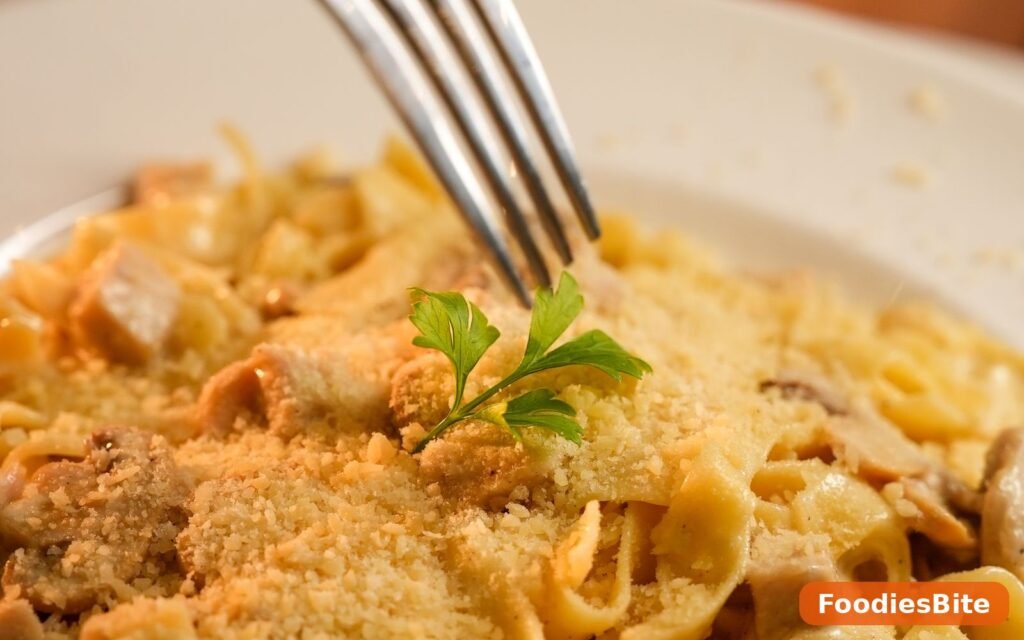
One-pot chicken alfredo pasta is a complete meal on its own, but a simple side makes it feel balanced. A green salad with a sharp lemon dressing cuts through the richness beautifully, and it takes five minutes to assemble. Garlic bread is a classic partner, though it doubles down on the richness, so save it for nights when indulgence is the point. Steamed broccoli or green beans add color and freshness, and they are sturdy enough to stand up to the creamy pasta.
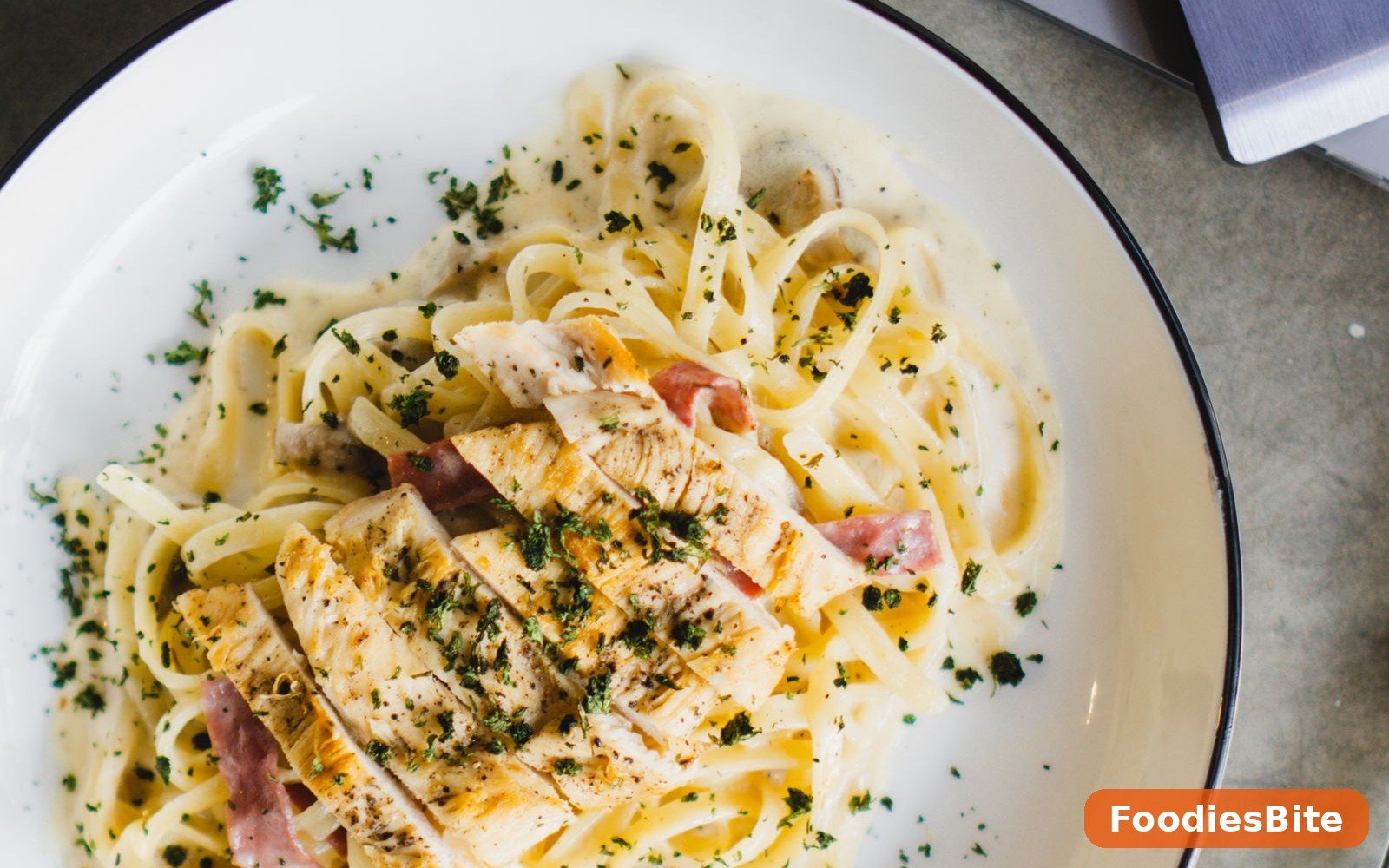
For serving, use warm bowls if you can, because alfredo thickens as it cools and warm bowls keep it silky for longer. Twirl the pasta with tongs for a neat presentation, place the chicken pieces on top, and finish with extra parmesan and parsley. A squeeze of lemon over each bowl is optional, but it brightens the richness in a way that surprises people who have never tried it. Serve immediately, because alfredo waits for no one: it thickens noticeably within ten minutes of leaving the pot.
Leftovers keep in the refrigerator for up to three days in an airtight container. Reheat them gently in a skillet over low heat with a splash of cream or milk, stirring until the sauce loosens and the pasta is hot throughout. Avoid microwaving on high, which can make the sauce separate. The reheated pasta will never be quite as silky as fresh, but with a splash of cream it comes close.
Variations Worth Trying
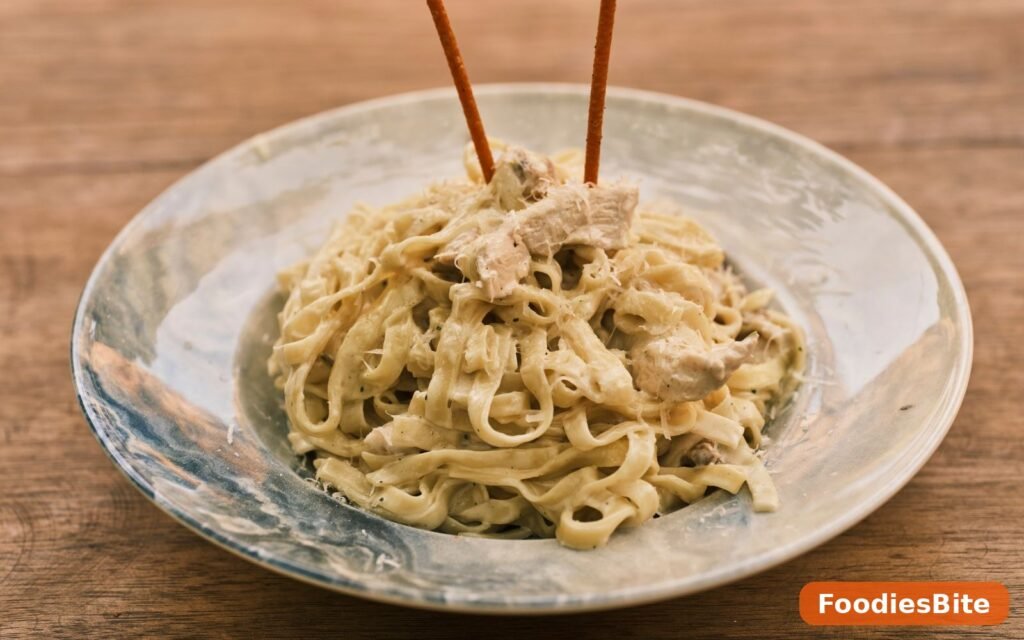
Once the basic one-pot chicken alfredo is comfortable, it adapts to many tastes. For a vegetable version, add a cup of sliced mushrooms with the garlic, or stir in a few handfuls of baby spinach during the last two minutes of cooking, until it wilts into the sauce. Broccoli florets can be added with the pasta, where they steam in the sauce and become tender at the same time. For a spicy version, add half a teaspoon of red pepper flakes with the garlic, which gives the sauce a gentle warmth.
For a different protein, shrimp works beautifully and cooks even faster than chicken, so add it during the last five minutes of cooking. For a meat-free version, leave out the chicken and add mushrooms and spinach, using vegetable stock instead of chicken stock. For a lighter version, replace half the cream with whole milk and add the parmesan more gradually, keeping the heat low so the sauce does not split. The result will be less rich but still satisfying.
If you enjoy one-pot cooking in general, our one-pan chicken dinner without oven uses a similar single-pan approach with a completely different flavor profile, and it is a good next recipe once this one is in your regular rotation.
Common Mistakes to Avoid
The most common mistake with one-pot chicken alfredo pasta is cooking the pasta too long, which turns it mushy and makes the sauce gluey. Start checking at twelve minutes, and remember that the pasta keeps cooking during the three-minute rest. The second mistake is using pre-grated parmesan, which melts poorly and can make the sauce grainy. Grate it fresh. The third mistake is boiling the sauce hard after the cheese goes in, which splits it. Keep the heat gentle.
The fourth mistake is not stirring often enough. Pasta cooking in a small amount of liquid sticks together and to the bottom of the pot if it is left alone, so stir every few minutes, especially in the first half of cooking when the pasta is still firm and prone to clumping. The fifth mistake is overcooking the chicken out of caution. Thin strips cook fast, and the simmer with the pasta finishes them; check with a thermometer and trust the reading of 74°C (165°F) rather than cooking by guesswork.
One-Pot Pasta Timing: Getting It Right Every Time
The difference between silky one-pot alfredo and a gluey pot of overcooked pasta comes down to timing, and timing comes down to two habits: starting the clock when the pasta goes in, and tasting before the package time says the pasta is done. Package times assume pasta boiled in a large volume of water, but pasta cooking in a smaller volume of sauce behaves a little differently, and it often finishes a minute or two sooner than the box suggests. Start tasting at twelve minutes for fettuccine, and pull the pot off the heat when the pasta is just tender with the slightest firmness in the center. It will finish cooking during the three-minute rest while the cheese melts in.
Pot size matters as well. A wide, deep skillet gives the pasta room to spread out and cook evenly, while a narrow, tall pot crowds the strands together and makes them stick. If your only large pot is a stockpot, it will still work, but stir more often in the first five minutes, when the pasta is stiff and most likely to clump. Breaking the fettuccine in half before adding it is not just about fitting the pot; it also makes the pasta easier to stir and serve, and it prevents long strands from tangling into a single mass.
Liquid level is the other variable to watch. The pasta should be mostly submerged when it goes in, with the sauce bubbling gently around it. If the pot looks dry halfway through cooking, add a splash of warm stock rather than water, so you are not diluting the flavor. If it looks too wet near the end, leave the lid off for the last two minutes so some liquid evaporates, and remember that the sauce thickens considerably during the rest. With one or two attempts, you will learn exactly how your pot and your stove behave, and the recipe will become automatic.
Frequently Asked Questions
Can I use a different pasta shape for one-pot alfredo?
Yes. Penne, rigatoni, and fusilli all work well, because their shapes hold the sauce nicely. They may need a minute or two more or less cooking time than fettuccine, so start checking a couple of minutes before the package time and adjust the liquid if needed. Short shapes are also easier to stir in a crowded pot, which is a practical advantage.
How do I keep the sauce from getting too thick?
Add splashes of warm chicken stock or water, a little at a time, stirring until the sauce reaches the consistency you like. The sauce thickens as it cools, so aim for slightly looser than you want in the bowl. If the sauce is too thin, let the pasta rest for a few extra minutes, because the starch continues to thicken it off the heat.
Can I make chicken alfredo ahead of time?
It is best served fresh, because the sauce thickens and the pasta softens as it sits. If you must make it ahead, cook the pasta one minute less than tender, cool it quickly, and refrigerate it for up to one day. Reheat it gently in a skillet with a splash of cream or milk, stirring until the sauce loosens and the pasta is hot throughout.
What can I use instead of heavy cream?
Half-and-half works if you keep the heat low and stir the cheese in very gradually, though the sauce will be thinner and more likely to split. Whole milk is riskier for the same reason. For the most reliable result, heavy cream is strongly recommended, because its higher fat content holds the sauce together during simmering.
Is one-pot chicken alfredo pasta freezer-friendly?
It freezes acceptably for up to one month, though the sauce may separate slightly on thawing. Freeze it in portions, thaw overnight in the refrigerator, and reheat gently with a splash of cream, stirring well. For the best texture, though, this is a dish worth making fresh. You can find more one-pot ideas on the FoodiesBite homepage, where new recipes are added regularly.