
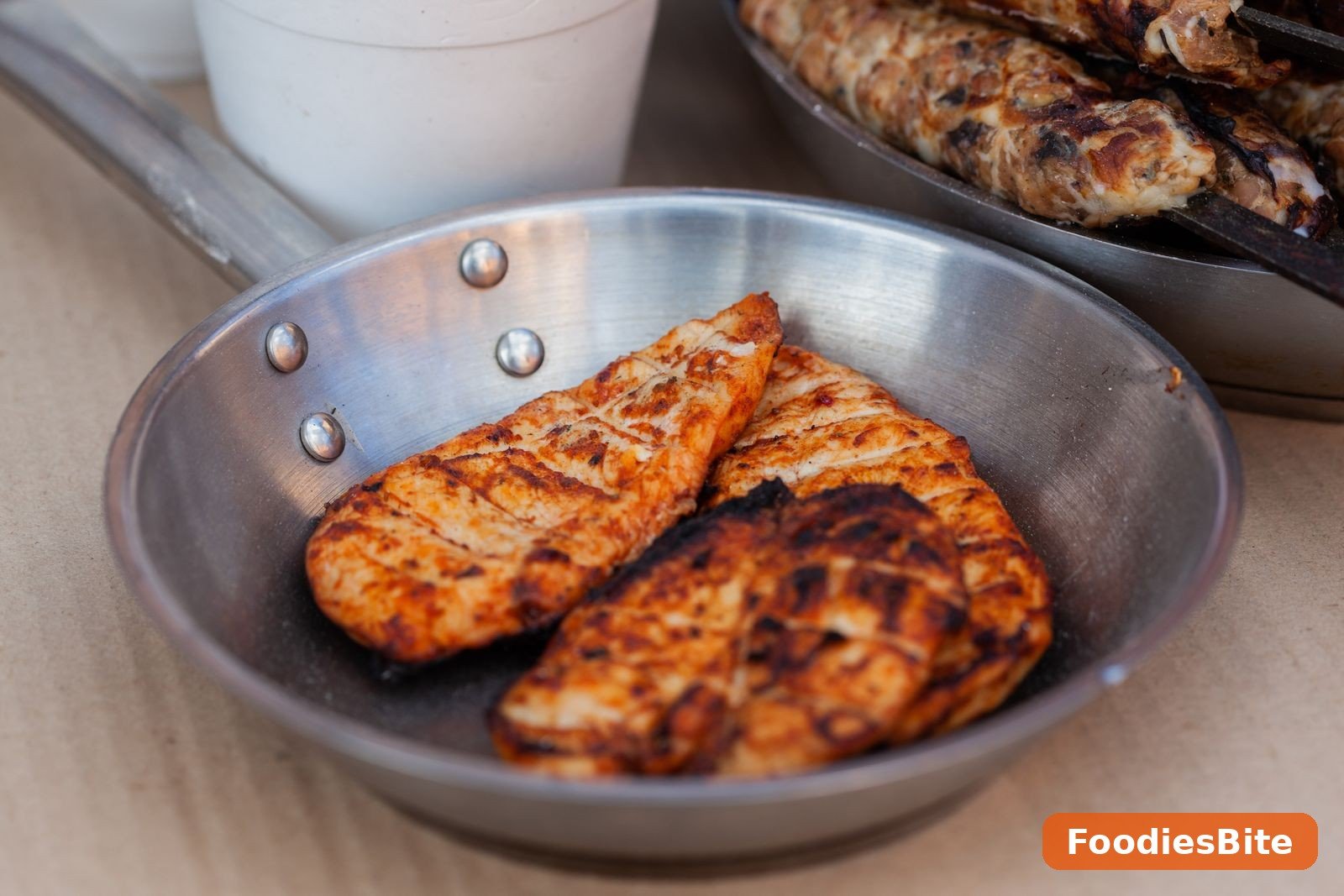
Easy Chicken Breast Recipes With Few Ingredients: Simple, Delicious Meals for Busy Days
Dinner does not need a long shopping list to be good. Some of the best chicken breast meals use only four or five ingredients, and they taste better than complicated recipes precisely because each ingredient has room to shine. If you have chicken breasts and a few pantry staples — salt, oil, garlic, lemon, a tin of tomatoes — you already have dinner.
Chicken breast is the ideal candidate for simple cooking. It is lean, quick to cook, and takes on whatever flavour you give it. Its only weakness is dryness, and that is a technique problem, not an ingredient problem. Cook it gently, rest it properly, and even the simplest version stays juicy.
This guide is built around that idea. It covers the few rules that keep chicken breast juicy, five recipes that each need only a handful of ingredients, and the pantry staples worth keeping so that a good dinner is never more than twenty minutes away. For more ideas in the same spirit, browse the full Chicken Recipes collection, and if you like the one-pan approach, our one-pan chicken dinner uses the same simple philosophy.
Why Few Ingredients Works
Every ingredient in a recipe should earn its place. When a dish has twenty ingredients, no single flavour stands out, and the cook spends more time shopping and measuring than cooking. With four or five ingredients, each one matters: the garlic actually tastes like garlic, the lemon actually brightens the dish, and the chicken itself — rather than a thick sauce — is the star.
Simple cooking is also more reliable. Fewer steps mean fewer chances for something to go wrong, which matters on a busy evening when attention is split between dinner, homework, and everything else. A five-ingredient dinner that turns out well every time beats an ambitious dinner that works once in three attempts.
There is a budget argument too. Chicken breast plus pantry staples costs far less than a recipe that demands fresh herbs, special cheeses, and imported sauces. Keeping the ingredient list short keeps the grocery bill short as well.
The Rules for Juicy Chicken Breast
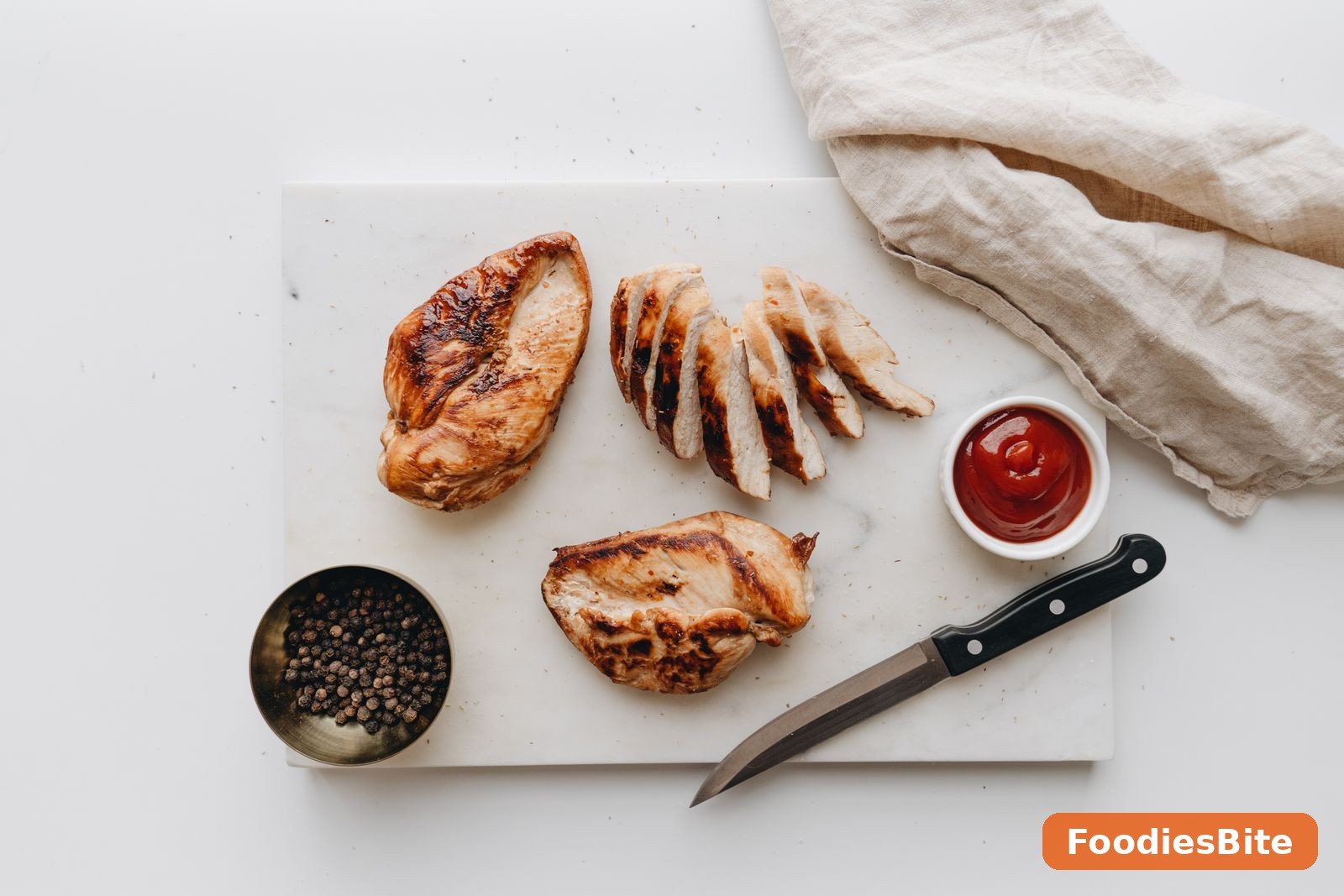
The first rule is even thickness. Chicken breasts are naturally thick at one end and thin at the other, so the thin end dries out before the thick end is cooked. Fix this by placing the breast between two sheets of baking paper and pressing the thick end gently with a rolling pin or the base of a pan until the thickness is roughly even. It takes thirty seconds and transforms the result.
The second rule is not to overcook. Chicken breast is done at 74°C (165°F) at its thickest point, and every degree beyond that squeezes out moisture. A small instant-read thermometer is the most useful tool a chicken cook can own. Without one, cut into the thickest part: the meat should be white throughout with clear juices and no pink.
The third rule is rest. Let the cooked chicken sit for five minutes before slicing. During cooking, the juices are driven towards the centre; resting lets them redistribute, so they stay in the meat instead of running out onto the board. Tent the chicken loosely with foil while it rests.
The fourth rule is seasoning. Salt the chicken at least ten minutes before cooking, or right before it goes into the pan — never in between, when salt draws out moisture that has not yet had time to be reabsorbed. Pepper, garlic, and a little oil complete the base seasoning for almost any version.
The Pantry Staples That Make It Possible
A few-ingredient dinner depends on a stocked pantry, not a stocked fridge. The essentials are: good oil, salt and pepper, garlic (fresh or powdered), dried herbs such as oregano and thyme, soy sauce, honey, tinned tomatoes, stock cubes, rice, and pasta. With those ten items, plus chicken, you can make dozens of different dinners.
Lemons deserve a special mention. A squeeze of lemon at the end of cooking brightens almost any chicken dish in a way that no dried spice can match. Keep a lemon or two in the fridge at all times; they last for weeks and rescue more dinners than any other single ingredient.
Fresh herbs are a bonus, not a requirement. Parsley, basil, and coriander all lift simple chicken, but dried herbs work perfectly well in cooked dishes. Do not let a recipe fail because it calls for fresh basil you do not have — dried oregano will do the job.
Five Few-Ingredient Recipes
Garlic butter chicken needs only chicken, butter, garlic, and parsley. Sear seasoned breasts in a pan, add butter and sliced garlic, spoon the foaming butter over the chicken as it finishes cooking, and scatter parsley on top. Serve with bread or rice to catch the butter. Four ingredients, fifteen minutes, and a dinner that tastes like a restaurant dish.
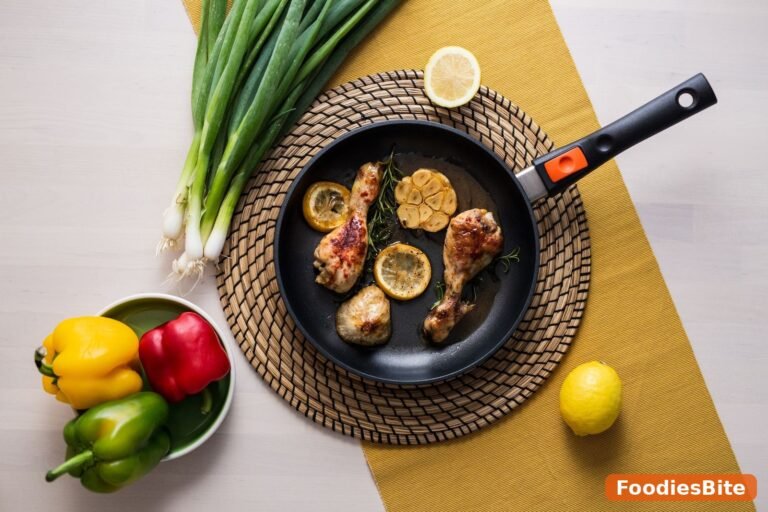
Lemon and herb chicken uses chicken, lemon, olive oil, and dried oregano. Marinate the chicken briefly in lemon juice, oil, and oregano, then pan-fry or grill until cooked through. The lemon keeps the meat tasting fresh and light, and the dish pairs with anything — salad, potatoes, rice, or a simple vegetable.
Honey soy chicken needs chicken, soy sauce, honey, and garlic. The soy and honey form a sticky glaze as the chicken cooks, and the garlic adds depth. Watch the heat towards the end, because honey burns quickly; medium heat and a little patience give a glossy, caramelised finish without bitterness.
Tomato basil chicken uses chicken, tinned tomatoes, garlic, and basil. Brown the chicken, pour in the tomatoes with garlic, and simmer until the sauce thickens and the chicken is cooked through. It is a complete one-pan dinner that needs nothing more than bread or pasta alongside.
Creamy mustard chicken uses chicken, cream, mustard, and thyme. Sear the chicken, stir mustard and thyme into the pan juices, pour in the cream, and simmer briefly until the sauce coats a spoon. The mustard gives the sauce a gentle sharpness that stops the cream from feeling heavy.
Each of these recipes is a template. Change the herb, swap the acid, or add a vegetable, and the same four ingredients become a new dinner. That flexibility is the real value of cooking with few ingredients: you learn patterns, not just recipes.
Sides That Keep It Simple
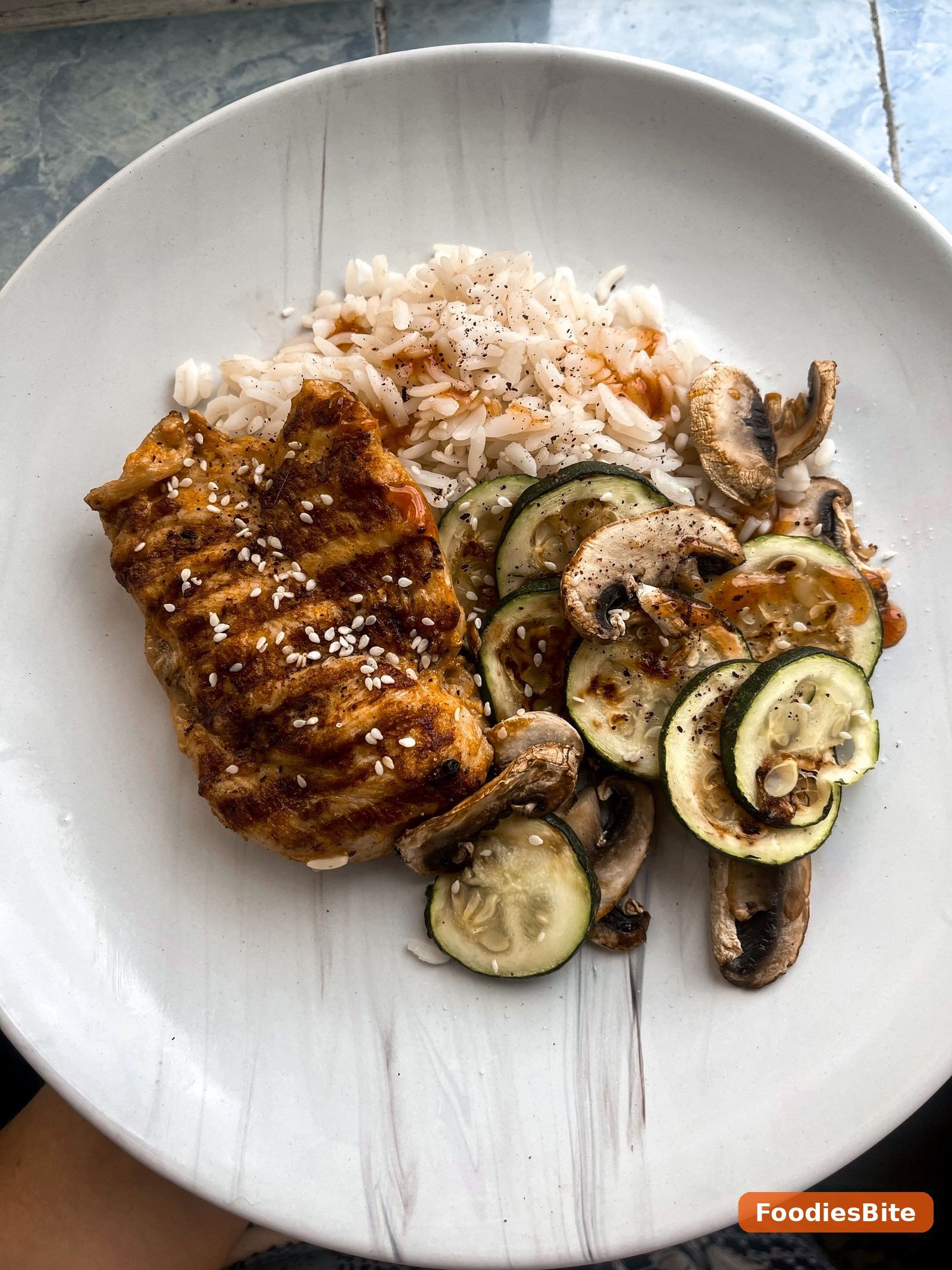
A few-ingredient main deserves a few-ingredient side. Plain rice, buttered pasta, a simple salad, or roasted vegetables all work without adding complexity. The side should support the chicken, not compete with it.
If the chicken has a sauce, bread or rice is the right partner, because both catch the sauce. If the chicken is grilled or pan-fried without sauce, a salad with a lemon dressing or a pile of roasted vegetables balances the plate. One side is enough on a busy night; two is a weekend luxury.
Meal Prep With Few Ingredients
Chicken breast is excellent for meal prep precisely because simple versions reheat well. Cook a double batch of lemon herb or garlic butter chicken on Sunday, slice it cold, and use it through the week in sandwiches, wraps, salads, and pasta. The flavour stays good for three days in the fridge, and cold sliced chicken is one of the most useful ingredients a busy kitchen can hold.
For freezing, cook the chicken, cool it completely, and freeze in portions with a little of its sauce or cooking juices. Thaw overnight in the fridge and reheat gently. Plain grilled chicken freezes less well than chicken in a sauce, because the sauce protects it from drying out — another reason the tomato and creamy versions above are good prep choices.
If you like this style of cooking, our pantry chicken recipes follow the same idea with canned and dried ingredients, and the FoodiesBite homepage has more simple dinners. Chicken breast is one of the leanest and quickest-cooking cuts, which is exactly why it suits this kind of cooking so well.
Seasoning Ideas That Cost Nothing Extra
A few-ingredient dinner still deserves good seasoning, and seasoning does not have to mean buying new jars. The spices most kitchens already own — paprika, cumin, dried oregano, chilli flakes, and garlic powder — each push chicken in a different direction. Paprika gives warmth and colour without heat. Cumin gives an earthy, almost smoky note that suits rice and beans. Oregano leans Mediterranean and pairs with tomato and lemon. Chilli flakes add heat that builds slowly rather than hitting all at once. Garlic powder adds savoury depth when fresh garlic is not available.
The trick is to season the flour or the chicken, not just the sauce. When seasoning goes directly onto the meat or into the coating, every bite carries flavour. When it only goes into the sauce, the meat itself can taste plain. A simple rule is to season in two places: a little on the chicken before cooking, and a little in the sauce or pan at the end. That layering is what makes a five-ingredient dinner taste like it had ten.
Acid is the other free flavour booster. A squeeze of lemon, a splash of vinegar, or even the juice from a tin of tomatoes brightens a dish in a way that salt alone cannot. If a simple chicken dinner tastes flat despite enough salt, acid is almost always the missing piece. Add it at the end of cooking, not the beginning, so its brightness survives.
Cooking for Different Households
Few-ingredient cooking adapts easily to different households. For one person, cook a single breast with a simple sauce and save the rest of the sauce for another night — it keeps for days and transforms plain rice or pasta. For a family, double the chicken but not necessarily the sauce ingredients; a little extra liquid goes further than you expect, and children often prefer a milder version with the sauce served on the side.
For meal prep, few-ingredient chicken is ideal because the flavours stay clean after reheating. Cook a batch of lemon herb chicken, slice it, and portion it into containers with rice and vegetables. Three days of lunches from one cooking session is realistic, and the chicken tastes just as good cold in a wrap as it does hot from the pan.
For guests, simple cooking is a quiet advantage. A host who serves garlic butter chicken with good bread and a green salad looks relaxed, because they are relaxed — the dinner needed no last-minute shopping and no complicated timing. Simple food, served with confidence, impresses more than ambitious food served with stress. Chicken as food suits this kind of cooking precisely because it is familiar, affordable, and easy to get right.
Frequently Asked Questions
How do I keep chicken breast from drying out?
Pound the breast to an even thickness, cook it only to 74°C (165°F), and rest it for five minutes before slicing. Those three steps matter more than any marinade. Avoid high heat for the whole cooking time: sear to brown, then finish on medium or low heat.
Can I use frozen chicken breasts for these recipes?
Yes, but thaw them fully first, ideally overnight in the fridge. Cooking from frozen gives uneven results, with the outside overcooked before the inside is safe. Once thawed, pat the breasts dry and cook exactly as you would fresh ones.
What if I have no fresh herbs?
Use dried herbs instead. As a rough guide, one teaspoon of dried herbs replaces one tablespoon of fresh. Dried oregano, thyme, and garlic powder all work well in cooked chicken dishes, and in many cases they give a deeper, more rounded flavour than fresh herbs added at the wrong moment.
How long do leftovers last?
Cooked chicken breast keeps for three days in the fridge in a sealed container, and for up to two months in the freezer. Reheat gently with a splash of water or stock to keep it moist, and never reheat chicken more than once.
Is chicken breast healthier than chicken thighs?
Chicken breast is leaner, with less fat and slightly fewer calories, while thighs are juicier and more forgiving to cook. Both are good choices. For a simple weeknight dinner, choose the cut that suits your cooking style: breast for speed and leanness, thighs for flavour and forgiveness.


2 Comments