Classic Rice Pudding with Cinnamon
Rice pudding is one of the oldest desserts in the world, and there is a reason it has survived for centuries. It takes the humblest ingredients — rice, milk, sugar, and a little cinnamon — and turns them into something that tastes like comfort itself. It is the dessert of childhoods and grandmothers, of cold evenings and quiet kitchens, and it asks almost nothing of the cook except a little patience and a willingness to stir.
This stovetop version is the classic I grew up with. The rice simmers slowly in milk until it is soft and swollen, and the milk thickens around it into a creamy, spoonable pudding. A little vanilla, a pinch of salt, and a generous dusting of cinnamon finish it. There is no oven involved, no baking, no setting time — just a pot, a spoon, and about forty-five minutes of gentle cooking. It is the kind of recipe that feels like a small act of care, both to make and to eat.
What I love about rice pudding is how it changes with the seasons and the mood. In winter, I serve it warm, straight from the pot, with a knob of butter melting on top and extra cinnamon. In summer, I chill it and serve it cold with fresh berries. It is equally good as a simple weeknight dessert and as the end of a proper Sunday dinner. And because it is made from pantry staples, you can make it tonight without a trip to the shops, which is more than you can say for most desserts.
Almost every country has its own version of rice pudding, and that tells you something about how universal this comfort is. In India it is kheer, fragrant with cardamom and studded with nuts. In Spain it is arroz con leche, rich with cinnamon and lemon zest. In Scandinavia it is risgrynsgröt, eaten warm with butter and cinnamon on cold winter evenings. The details change, but the heart of the dish never does: rice, milk, sweetness, and time. This version is the plain, classic one I grew up with, and it is the one I come back to when I want something simple and true.
Why You’ll Love This Recipe
The first reason is its simplicity. Four main ingredients, one pot, and a method that a child could follow. There is no special equipment, no tricky technique, and no way to get it badly wrong as long as you keep the heat low and stir now and then. If you have never made a dessert from scratch before, this is the one to start with.
The second reason is the texture. A good rice pudding is creamy without being heavy, thick without being stodgy, and soft without being mushy. The rice should be tender and distinct, not dissolved into porridge, and the sauce around it should coat a spoon. This recipe gets that balance right, and it does it without cream or eggs, just milk and time.
It is also wonderfully flexible. You can make it richer with a splash of cream, lighter with low-fat milk, sweeter or less sweet, with raisins or without, with cinnamon or nutmeg or vanilla. You can serve it warm or cold, in a bowl or a ramekin, plain or dressed up with fruit. It is a recipe that bends to your mood and your pantry.
And finally, it is economical. Rice pudding costs very little to make, it feeds a family generously, and it uses ingredients that are almost always in the cupboard. In a world of desserts that call for expensive chocolate and out-of-season fruit, there is something deeply satisfying about a pudding that costs pennies and tastes like a hug.
Ingredients You’ll Need
- 1/2 cup short-grain or medium-grain white rice (such as Arborio or pudding rice)
- 4 cups whole milk, divided
- 1/3 cup granulated sugar
- 1/4 teaspoon salt
- 1 teaspoon vanilla extract
- 1 tablespoon unsalted butter
- 1/2 teaspoon ground cinnamon, plus more for dusting
- 1/4 teaspoon ground nutmeg (optional)
- 1/3 cup raisins (optional)
- 1 egg yolk, lightly beaten (optional, for extra richness)
How to Make Classic Rice Pudding with Cinnamon
Start by rinsing the rice in a fine sieve under cold running water, swishing it around with your fingers until the water runs mostly clear. This washes away some of the surface starch, which helps the pudding stay creamy rather than gluey. It only takes a minute, and it makes a real difference to the final texture. Drain the rice well.

Put the rinsed rice, three and a half cups of the milk, the sugar, and the salt into a medium, heavy-bottomed saucepan. A heavy pot matters here, because a thin pot will scorch the milk on the bottom before the rice has a chance to cook. Stir everything together and bring it to a gentle simmer over medium heat, stirring often. Do not walk away during this stage: milk can go from simmering to boiling over in seconds, and a pot of boiled-over milk is nobody’s idea of a good time. As soon as you see small bubbles around the edges, turn the heat down to low.
Now comes the slow part. Let the pudding simmer very gently for thirty-five to forty-five minutes, stirring every five minutes or so, scraping the bottom and the sides of the pot as you go. The rice will gradually swell and soften, and the milk will thicken into a creamy sauce. The heat should be low enough that the pudding barely bubbles — a lazy blip here and there, not a rolling boil. If it starts to bubble vigorously, turn the heat down further. If the pudding gets too thick before the rice is tender, add a splash of the remaining milk. If it looks too thin, just keep cooking; it will thicken as it goes, and it thickens more as it cools.
After about thirty-five minutes, taste a few grains of rice. They should be completely tender, soft all the way through with no chalky centre. If they are still firm, give the pudding another five to ten minutes. When the rice is tender and the pudding is thick enough to coat the back of a spoon, take the pan off the heat. Stir in the remaining half cup of milk, the vanilla, the butter, the cinnamon, and the nutmeg if you are using it. The butter melts into the pudding and gives it a lovely richness, and the cinnamon should be stirred through as well as dusted on top.
If you are using raisins, stir them in now — they will soften in the residual heat. If you are using the optional egg yolk for extra richness, here is how to do it safely: spoon a little of the hot pudding into the beaten yolk, whisk it together, and then stir that mixture back into the pot. This tempers the yolk so it does not scramble, and it gives the pudding a beautiful golden colour and a silkier texture. Do not put the pot back on the heat after adding the yolk.
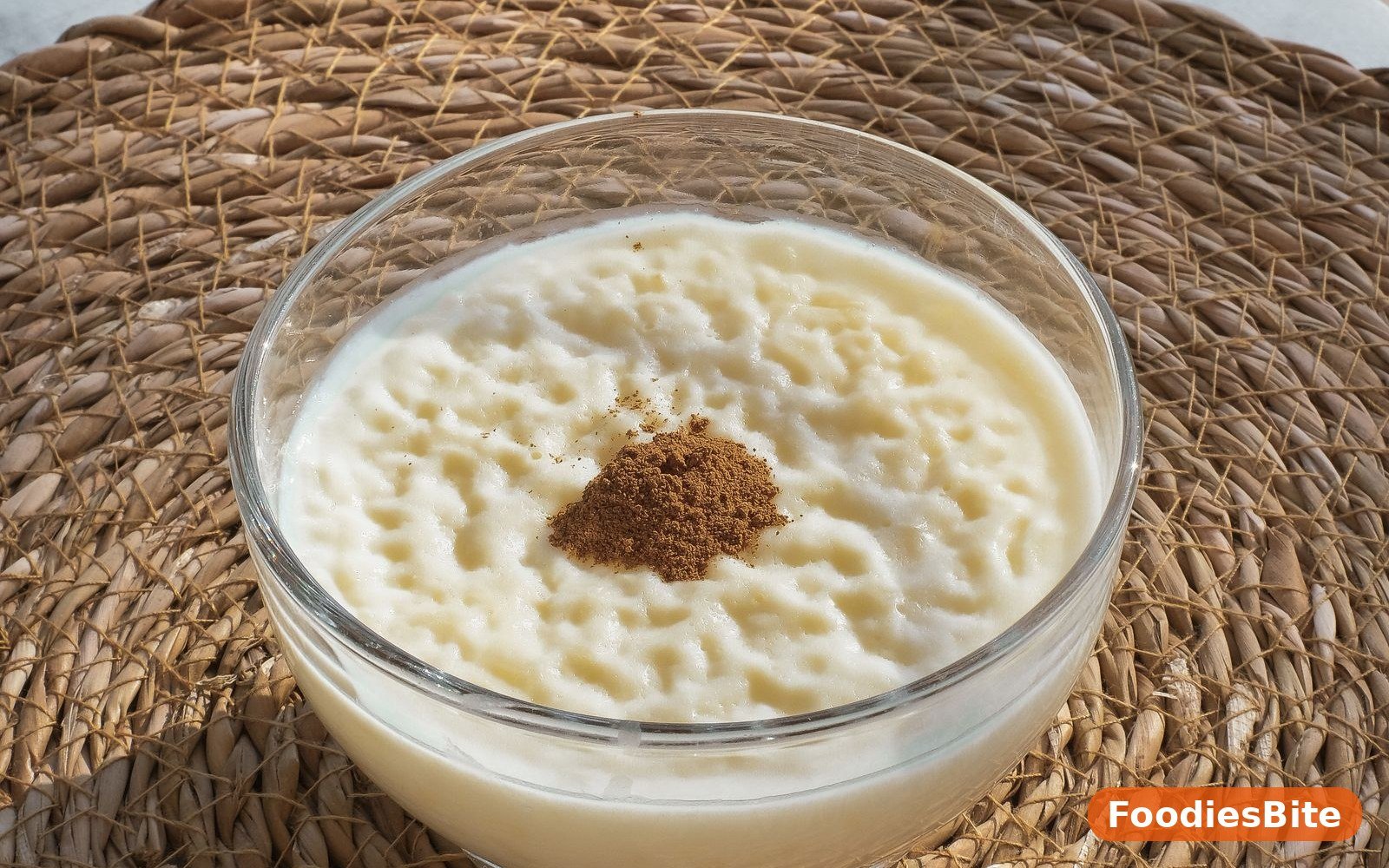
Let the pudding rest for ten minutes before serving if you want it warm, or transfer it to a bowl, press a piece of plastic wrap directly onto the surface to stop a skin forming, and refrigerate it for at least two hours if you want it cold. Serve in bowls with a dusting of cinnamon on top, and a little extra milk poured around the edge if you like it looser.
Tips for the Best Rice Pudding
The rice you choose matters. Short-grain rice, like Arborio or a rice sold specifically as pudding rice, is the best choice because it releases more starch as it cooks, which is what makes the pudding creamy. Medium-grain rice works well too. Long-grain rice, like basmati or jasmine, stays too separate and firm and will give you a pudding that feels more like sweet rice than a creamy dessert. If you only have long-grain rice, it will still work, but expect a looser, less creamy result.
Low and slow is the whole secret. Rice pudding made over high heat will scorch on the bottom and stay chalky in the middle, and no amount of stirring will save it. Keep the heat as low as you can while still maintaining a gentle simmer, and stir regularly. A heavy-bottomed pot is your best friend here — it spreads the heat evenly and protects the milk from burning. If you have ever scorched milk in a thin pan, you know the smell, and it is not one you forget.
The pudding will thicken considerably as it cools, so it is better to take it off the heat when it looks slightly looser than you want. A pudding that looks perfect in the pot will be too thick and stiff by the time it reaches the table. If it does get too thick, a splash of warm milk stirred in just before serving will loosen it beautifully. This is also why the recipe keeps half a cup of milk back to stir in at the end.
A skin on top of rice pudding is a divisive thing. Some people love it; most people do not. If you are serving the pudding cold, press plastic wrap directly onto the surface while it chills and no skin will form. If you are serving it warm, the skin will not have time to form anyway. And if a skin does form and you do not mind it, just stir it back in — it is perfectly edible, and some would say it is the best part.
Variations to Try
The classic raisin version is the one most people know, and it is lovely: the raisins plump up in the hot pudding and add little bursts of sweetness. Soak them in warm water for ten minutes before adding them if you want them extra plump, or soak them in a tablespoon of rum or orange juice for a grown-up version. If you do not like raisins, leave them out entirely — the pudding is just as good without them.
For a richer, baked version, pour the finished stovetop pudding into a buttered baking dish, dot the top with butter, dust it with cinnamon and a little extra sugar, and bake it at 325°F for twenty minutes until the top is lightly golden. This gives you the best of both worlds: the creaminess of the stovetop method and the caramelised top of a baked pudding.
A coconut rice pudding is a lovely change: replace half the milk with coconut milk, and finish the pudding with a little lime zest and toasted coconut flakes on top. It is tropical and fragrant, and it is a wonderful dessert after a spicy meal. Or try a chocolate version, stirring in two tablespoons of cocoa powder with the sugar and a handful of chocolate chips at the end.
For a spiced winter version, add a pinch of cardamom and a little grated orange zest along with the cinnamon, and serve the pudding warm with a drizzle of honey. It tastes like Christmas in a bowl. And for a lighter, dairy-free version, use oat milk or almond milk in place of the dairy milk and a tablespoon of coconut oil instead of butter — the texture will be slightly thinner, but the flavour is still wonderful.
Serving Ideas

Rice pudding is at its best served simply, in a bowl, with a dusting of cinnamon and not much else. But it is also a wonderful base for toppings. In the summer, a spoonful of fresh berries — raspberries, blueberries, or sliced strawberries — adds colour and a tart contrast to the creamy sweetness. In the autumn, a spoonful of stewed apples or pears, warm from the pan, is a perfect partner. A drizzle of honey, a spoonful of jam, or a scattering of toasted nuts all work beautifully.
For a proper dessert spread, serve small bowls of rice pudding alongside other simple sweets. These banana chocolate chip muffins make a lovely companion for a weekend brunch table, and a tray of these small-batch chocolate chip cookies without brown sugar gives guests something to nibble with their pudding. If you want a warm, spiced option on the same table, the classic apple pie with flaky crust is warm, spiced, and always a hit.
Rice pudding also makes a gentle, comforting dessert after a rich meal. If you have just served something hearty, a small bowl of rice pudding is the right ending — light enough not to overwhelm, sweet enough to feel like a treat. A cup of tea alongside it is the classic pairing, and a glass of cold milk is the choice children always reach for.
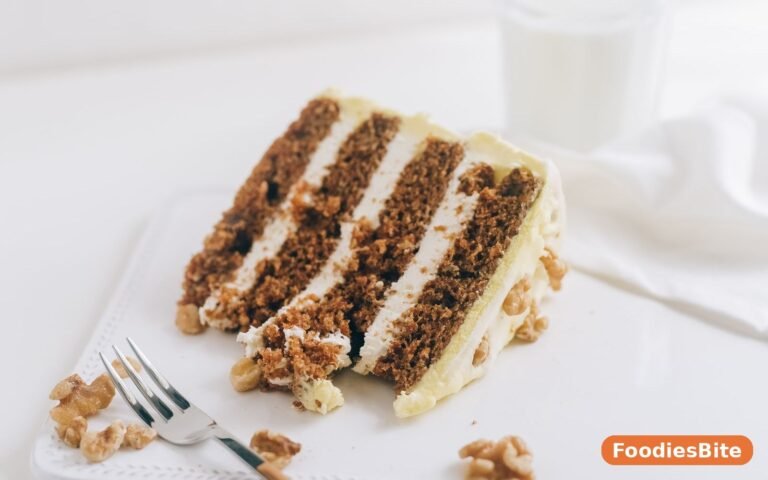
If you are looking for more classic desserts to add to your repertoire, a lemon drizzle cake is a bright, sunny bake that contrasts beautifully with the gentle creaminess of rice pudding, and this collection of dessert recipes has plenty of ideas for your next baking day. And for a rich, spiced classic, the carrot cake with cream cheese frosting is a wonderful option for a weekend dessert table.
Storage and Reheating
Rice pudding keeps well in the fridge for up to five days in an airtight container. Press plastic wrap directly onto the surface before putting the lid on, to stop a skin from forming. It will thicken considerably as it chills, so when you serve it cold, stir in a splash of milk to loosen it to the consistency you like.
To reheat, warm it gently in a saucepan over low heat, stirring often and adding milk a splash at a time until it reaches the texture you want. Do not let it boil. The microwave works too: heat it in thirty-second bursts, stirring between each one, until it is warm through. A single serving reheats in about a minute.
I do not recommend freezing rice pudding. The texture changes when it thaws — the rice goes grainy and the milk separates — and it is never quite the same again. It is such a quick dessert to make from scratch that freezing it is rarely worth it. If you do have leftovers you cannot finish, they are wonderful stirred into a smoothie or used as a filling for a baked apple, which is a lovely way to use up the last spoonfuls.
Frequently Asked Questions
What is the best rice for rice pudding?
Short-grain rice is the best choice, because it releases more starch as it cooks and makes the pudding naturally creamy. Arborio rice, which is sold for risotto, works beautifully, and rice sold specifically as pudding rice is ideal. Medium-grain rice is a good second choice. Long-grain rice like basmati will stay too separate and give you a looser, less creamy pudding.
Why is my rice pudding too thick?
Rice pudding thickens a lot as it cools, because the rice keeps absorbing milk even after you take it off the heat. The fix is simple: stir in a splash of warm milk just before serving until it reaches the consistency you like. Next time, take the pudding off the heat when it looks slightly looser than you want it to be, and keep back a little milk to stir in at the end.
Can I make rice pudding with low-fat milk?
Yes, you can, though the pudding will be a little less rich and a little thinner. Whole milk gives the creamiest result, but semi-skimmed milk works fine, especially if you stir in the butter and the optional egg yolk at the end for richness. Skimmed milk will give you a noticeably thinner pudding, so I would not recommend it unless you are happy with a lighter result.
Should rice pudding be served warm or cold?
Both are traditional, and it is entirely a matter of preference. Warm rice pudding, straight from the pot with butter melting on top, is comforting and cosy — the way most people remember it from childhood. Cold rice pudding, chilled overnight and served with berries, is refreshing and elegant. Try it both ways and see which you prefer. Some families argue about this with real passion, and both sides are right.
How do I stop the milk from burning on the bottom of the pot?
Use a heavy-bottomed saucepan, keep the heat low, and stir regularly, scraping the bottom of the pot each time. A heavy pot spreads the heat evenly and is far less likely to scorch. If the milk does catch slightly, do not scrape the browned bits up into the pudding — pour the pudding into a clean pot and carry on, leaving the scorched layer behind. And never leave a pot of milk simmering unattended for long stretches.