Classic Vanilla Cupcakes with Buttercream
There is something about a tray of vanilla cupcakes cooling on the counter that changes the whole mood of a house. The smell gets everywhere first — warm butter, vanilla, a little bit of sugar — and then somebody wanders into the kitchen asking when they will be ready, and then somebody else does the same thing five minutes later. I have made these cupcakes more times than I can count, for birthdays and school bake sales and ordinary Tuesdays when the day just needed something sweet, and they have never once let me down. They are soft and fluffy, properly vanilla-flavoured instead of just sweet, and the buttercream on top is the kind you want to eat with a spoon straight out of the bowl.
I first started making vanilla cupcakes properly when my niece asked for them for her seventh birthday, and she was very specific: vanilla cake, white frosting, and sprinkles, “the rainbow ones, not the boring ones.” I had made cupcakes before, from a box, and they were fine, but she wanted the real thing. The first batch was decent. The second was better. By the third I had figured out the little things — the eggs really do need to be at room temperature, the batter should look smooth and a bit thick rather than runny, and the frosting needs a pinch of salt or it tastes flat.
What I love most about this recipe is how reliable it is. If you enjoy baking cakes at home, the cake recipes collection at BBC Good Food is a lovely place to browse for your next project, but for today, let us start here, with the classic.
Why You’ll Love This Recipe
The first reason is the flavour. These are not cupcakes that taste vaguely of sugar and nothing else. They taste of vanilla — real vanilla, the kind that smells warm and a little bit floral when you open the bottle. The recipe uses a full tablespoon of vanilla extract, which sounds like a lot until you taste the result, and then it makes perfect sense. Vanilla is the star here, so it gets to be generous. The cake is buttery without being heavy, sweet without being cloying, and the crumb is soft and fine, the kind that melts a little when you take a bite.
The second reason is the texture. A good vanilla cupcake should be light and fluffy, not dense and not dry, and that is exactly what this recipe gives you. Butter and sugar creamed together properly until pale and fluffy, eggs added one at a time so the batter stays smooth, and flour folded in gently at the end so you do not knock all the air out — that is the whole secret. Sour cream in the batter helps too. It keeps the crumb moist and tender, and it adds the tiniest bit of tang that makes the vanilla taste even more vanilla.
The third reason is the buttercream, and honestly, it might be the best part. It is smooth and creamy, sweet but not sickly, with a pinch of salt and a splash of cream that keeps it from tasting like pure sugar. It pipes beautifully if you want tall, pretty swirls, and it spreads beautifully too if you would rather just use a knife and be done with it. If you like a cake with a cream cheese frosting instead, our carrot cake with cream cheese frosting is worth making next, but for vanilla cupcakes, buttercream is the classic pairing, and there is a reason it has stayed classic.
Ingredients You’ll Need
For the cupcakes, you will need one and a half cups of all-purpose flour, which is about 190 grams if you weigh your ingredients, and I do recommend weighing when you can, because a cup of flour can vary a lot depending on how you scoop it. You will also need one and a half teaspoons of baking powder, a quarter of a teaspoon of baking soda, and a quarter of a teaspoon of fine salt. The baking powder does most of the rising work, and the little bit of baking soda works with the sour cream to give the cupcakes an extra bit of lift and a tender crumb.
For the wet ingredients, you will need half a cup of unsalted butter, softened to room temperature, which is about 115 grams or one stick. Room temperature matters — the butter should give easily when you press it with a finger, but it should not be greasy or melting. You will also need three quarters of a cup of granulated sugar, two large eggs at room temperature, one tablespoon of pure vanilla extract, half a cup of sour cream, also at room temperature, and half a cup of whole milk. The eggs and sour cream being at room temperature genuinely makes a difference, because cold ingredients do not blend smoothly into creamed butter and the batter can curdle.
For the buttercream, you will need one cup of unsalted butter, softened, which is 230 grams or two sticks, four cups of powdered sugar, sifted if it is lumpy, two teaspoons of pure vanilla extract, two to three tablespoons of heavy cream or whole milk, and a pinch of fine salt. The powdered sugar sounds like a lot, and it is, but that is what makes buttercream hold its shape. The cream is what keeps it smooth and spreadable, and the salt is what keeps it from tasting one-dimensionally sweet.
How to Make Classic Vanilla Cupcakes with Buttercream
Start by getting your oven and your tin ready. Preheat the oven to 350 degrees Fahrenheit, which is 175 degrees Celsius, and line a standard twelve-cup muffin tin with paper liners. Put the tin on the middle rack, and while the oven heats, get everything else ready. Baking goes much more smoothly when you are not scrambling for the vanilla while the butter is already creamed.

Next, whisk the dry ingredients together. In a medium bowl, whisk the flour, baking powder, baking soda, and salt until well combined. Set the bowl aside. Then, in a separate small bowl or jug, stir the milk and the sour cream together until smooth. They will look a bit thick and gloopy, and that is exactly right.
Now cream the butter and sugar. Put the softened butter and the granulated sugar in a large mixing bowl, and beat them together with a hand mixer or a stand mixer on medium speed for about three minutes, until the mixture is pale, fluffy, and noticeably lighter in colour than when you started. Creaming is not just mixing — you are beating tiny air bubbles into the butter, and those bubbles are what help the cupcakes rise and stay light.
Add the eggs and vanilla. Crack in the first egg and beat it in on medium speed until fully mixed in, about thirty seconds, then add the second egg and do the same. Then add the vanilla extract and beat it in. The batter will smell wonderful at this point, all butter and vanilla.
Now bring it all together. Turn the mixer down to low speed, and add the flour mixture in three parts, alternating with the milk and sour cream mixture in two parts: flour, milk mixture, flour, milk mixture, flour. Mix each addition just until it disappears. As soon as the last of the flour is mixed in, stop. The batter should be thick, smooth, and scoopable, a bit like soft-serve ice cream.
Divide the batter between the liners. Fill each liner about two-thirds full — not all the way to the top, or the cupcakes will overflow, and not half full, or they will be flat and sad. Two-thirds is the sweet spot. You should have just enough batter for twelve.
Bake the cupcakes for eighteen to twenty minutes. The tops should be lightly golden and spring back when you press them gently with a fingertip, and a toothpick stuck into the centre should come out clean or with just a crumb or two clinging to it. If the toothpick comes out wet, give them another two minutes and check again. Let them cool in the tin for five minutes, then lift them out onto a wire rack and let them cool completely before frosting. This is the hardest part of the whole recipe — waiting. Warm cupcakes will melt buttercream into a puddle, so you have to wait until they are fully cool to the touch, which takes about forty-five minutes.
To make the buttercream, beat the softened butter in a large bowl on medium speed for about two minutes, until it is smooth and creamy and a little bit paler. Then add the powdered sugar one cup at a time, beating on low speed at first so you do not end up wearing a cloud of sugar, then on medium speed once it is mixed in. After all the sugar is in, add the vanilla, the salt, and two tablespoons of cream, and beat on medium-high speed for two to three minutes until the frosting is light, fluffy, and smooth. If it is too thick to spread, add another tablespoon of cream. If it is too soft, add a few more tablespoons of powdered sugar.
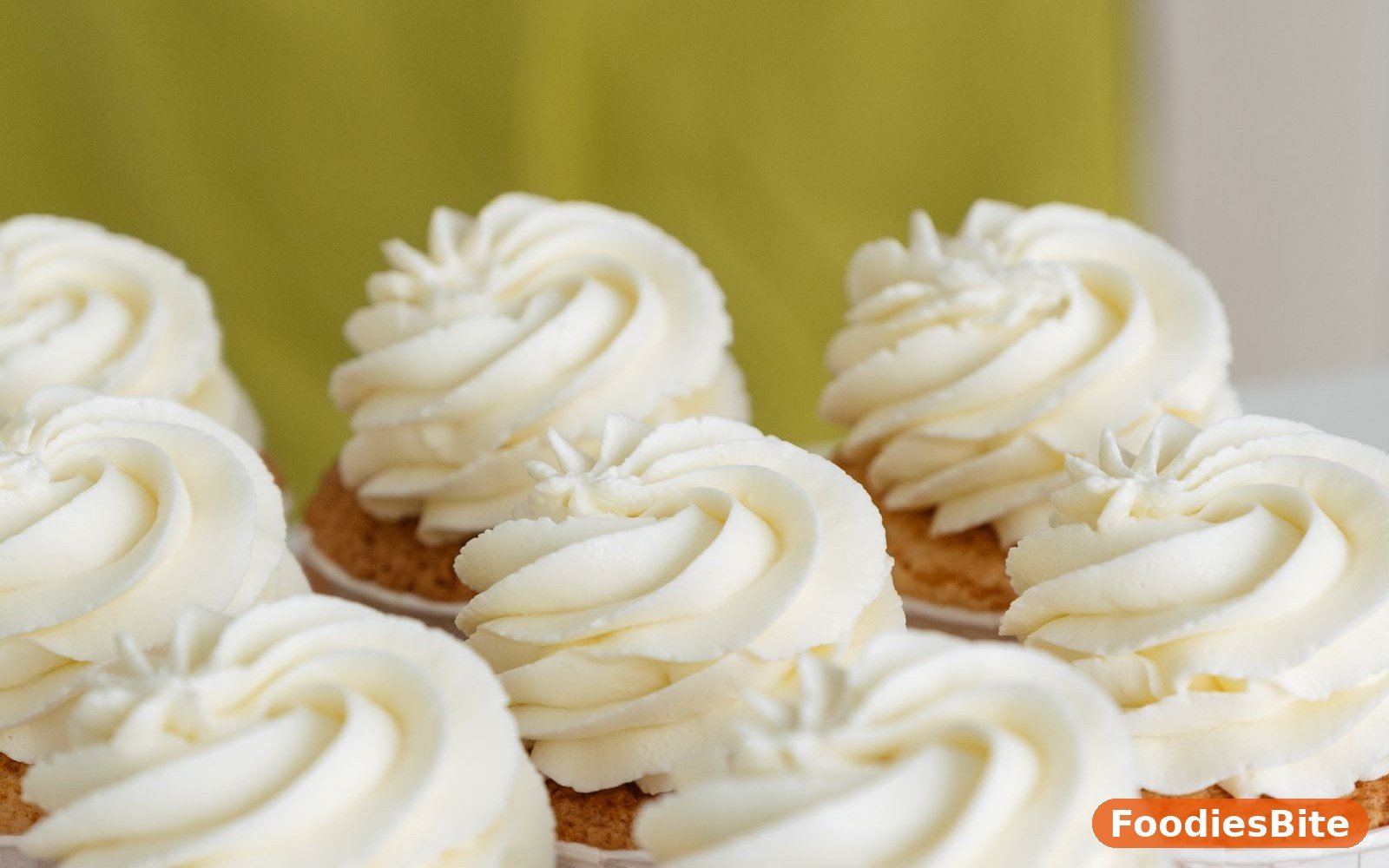
Frost the cooled cupcakes however you like. For a simple, pretty finish, use a butter knife or a small offset spatula to spread a generous swoop of buttercream on top of each cupcake, going right to the edges. For the classic bakery swirl, fit a piping bag with a large star tip, fill it with buttercream, and pipe a spiral starting from the outside edge and working your way up to the centre. Add sprinkles right after frosting, while the buttercream is still soft, so they stick. You have earned it.
Tips for the Best Vanilla Cupcakes
The single most important tip I can give you is to use room temperature ingredients. I know it sounds like one of those fussy baking rules that does not really matter, but it genuinely does. Cold butter will not cream properly with sugar, cold eggs can make the batter curdle, and cold sour cream will not blend smoothly. Set everything out on the counter thirty minutes before you start. Just do not melt the butter — melted butter and softened butter behave completely differently in a cake, and melted butter will give you dense, greasy cupcakes.
Measure your flour properly. If you scoop flour straight out of the bag with a measuring cup, you can end up with twenty percent more flour than the recipe intends, because the flour packs down. That extra flour makes dry cupcakes. The best way is to weigh it — 190 grams for this recipe — but if you do not have a kitchen scale, spoon the flour into the measuring cup lightly and level it off with a knife. Do not tap the cup on the counter to settle it, and do not press the flour down. It takes ten extra seconds and it is worth it.
Check for doneness a minute or two early rather than a minute or two late. Cupcakes go from perfect to dry surprisingly fast, and an extra two minutes in the oven is enough to notice. Start checking at seventeen minutes, and remember that they will keep cooking very slightly from the heat of the tin after you take them out, so it is better to pull them when the toothpick has a crumb or two on it than when it is bone dry. And always bake on the middle rack, where the heat is most even. If you are still building confidence with cupcakes, the cupcake recipes collection at BBC Good Food has plenty more ideas to practise on, from chocolate to lemon to salted caramel.
One more tip, and this one is about the frosting. If your buttercream looks curdled or separated, it is almost always because the butter was too cold or too warm. Too cold and it will not blend with the sugar; too warm and it will be soft and greasy. If it looks curdled, keep beating it for another minute or two — it often comes together on its own. If it is too soft, pop the bowl in the fridge for fifteen minutes and then beat it again. If it is too stiff, add cream a teaspoon at a time.
Variations to Try
Once you have the basic recipe down, it is a wonderful base for playing around. For chocolate cupcakes, replace a quarter of a cup of the flour with unsweetened cocoa powder and add a handful of chocolate chips to the batter. They will not be as intensely chocolate as a dedicated chocolate cupcake, but they will be lovely — light, moist, and not too sweet, with the chocolate chips melting into little pockets. For lemon cupcakes, add the zest of one lemon to the sugar before you cream it with the butter, and replace a tablespoon of the milk with fresh lemon juice. The zest rubbed into the sugar releases the lemon oils and perfumes the whole batter, and the result is bright and fresh without being sour.
You can also change the filling, which is a lovely surprise. Use a small knife or an apple corer to cut a little hole in the centre of each cooled cupcake, fill it with a spoonful of jam, lemon curd, or chocolate ganache, and then frost over the top as usual. Nobody expects a filling in a vanilla cupcake, and the look on people’s faces when they bite into one and find raspberry jam inside is genuinely delightful. If you like the idea of fruit and baking together, our classic apple pie with flaky crust uses the same kind of thinking — simple fruit, good pastry, and not too much fuss — and it is a wonderful next bake once you have mastered cupcakes.
For a grown-up version, try adding a splash of almond extract along with the vanilla — half a teaspoon is enough, because almond extract is strong — and topping the cupcakes with toasted flaked almonds instead of sprinkles. Or make a coffee buttercream by dissolving a teaspoon of instant coffee in the cream before you add it to the frosting. Coffee and vanilla are a wonderful combination, and a coffee buttercream on a vanilla cupcake tastes like the best parts of a cafe cake.
Serving Ideas
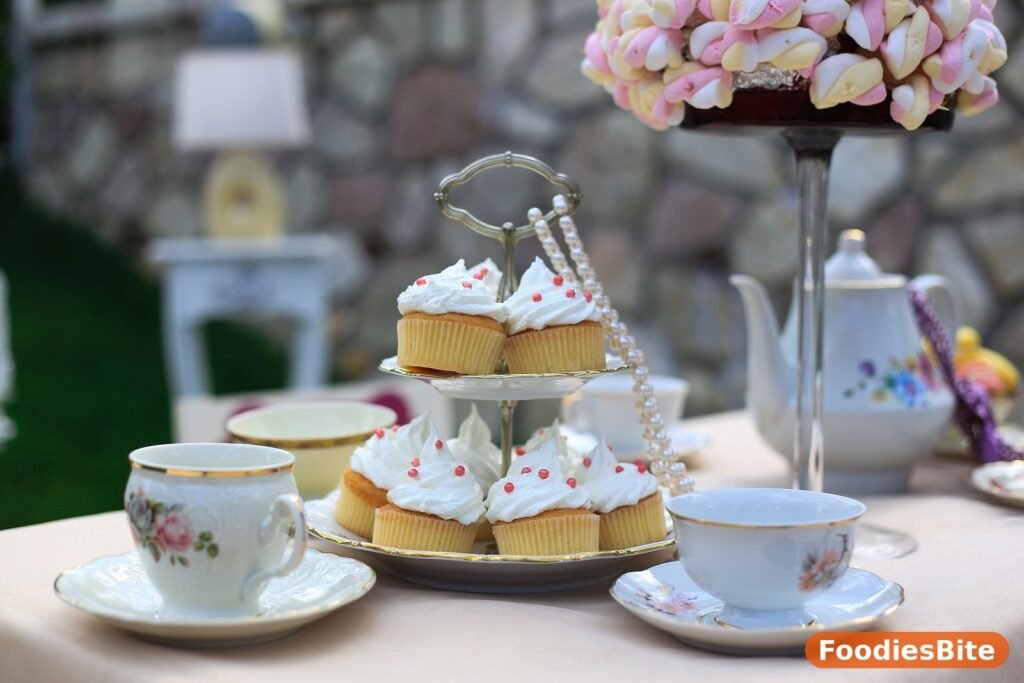
Vanilla cupcakes are at their best served at room temperature, with a cup of tea or coffee, and with no ceremony at all. They are the kind of cake you eat standing up in the kitchen, or sitting on the sofa with a plate on your knee. But they are also wonderful dressed up for a party. For a birthday, arrange them on a cake stand in a circle with a few candles in the middle, or stack them on a tiered stand so everyone can see the frosting and the sprinkles. If you are making them for a party, bake them the day before and frost them the morning of the party, so the frosting is fresh and the cupcakes are at their best.
They also work beautifully as part of a dessert table. Put them next to a bowl of fresh berries, a plate of cookies, and a jug of cream, and let people help themselves. A dessert table does not need to be fancy — it just needs a few things that look good together and taste good together, and vanilla cupcakes are the friendly, reliable anchor that holds it all together. If you are putting together a bigger dessert spread, our classic rice pudding with cinnamon is a wonderful make-ahead option to serve alongside the cupcakes, because it can be made the day before and served cold or warm, and it gives guests who do not want cake something comforting to eat instead.
Storage and Reheating
Unfrosted cupcakes keep very well. Once they are completely cool, put them in an airtight container and keep them at room temperature for up to two days, or in the fridge for up to five days. Frosted cupcakes are a little more delicate, because the buttercream does not like being squashed, so store them in a container tall enough that the lid does not touch the frosting. A cake carrier is ideal, but a deep container with a lid works too, or you can put them on a plate and cover them loosely with cling film, tented up so it does not touch the tops.
For longer storage, these cupcakes freeze beautifully. Wrap each unfrosted cupcake individually in cling film, then put them in a freezer bag or an airtight container, and they will keep for up to three months. To thaw, take them out of the freezer and leave them on the counter for an hour or two, still wrapped, so they do not dry out. Then frost them as usual. You can also freeze buttercream on its own — put it in a freezer bag, flatten it out, and freeze it for up to three months. Thaw it in the fridge overnight, then beat it again for a minute or two until it is smooth, and it will be as good as fresh.
Frequently Asked Questions
Why did my cupcakes sink in the middle?
Sunken cupcakes are usually caused by one of three things: the oven door being opened too early, too much leavening, or underbaking. When you open the oven door in the first ten minutes, the rush of cool air can make the cupcakes collapse before they have set. Too much baking powder can make them rise too fast and then fall. And if you take them out before they are fully baked, the centres will not have set and they will sink as they cool.
Can I make these cupcakes ahead of time?
Yes, and they are actually very good for making ahead. You can bake the cupcakes up to two days in advance and keep them in an airtight container at room temperature, or freeze them for up to three months as described above. The buttercream can be made up to three days ahead and kept in the fridge, or frozen for up to three months. Frost the cupcakes on the day you plan to serve them for the freshest result.
Can I use this recipe to make a cake instead of cupcakes?
You can, and it works well. This amount of batter will fill one eight-inch round cake tin, or two six-inch tins for a layer cake. Bake at the same temperature, but for longer — about twenty-five to thirty minutes for an eight-inch tin, and check with a toothpick. For a layer cake, double the recipe and the buttercream, and you will have enough for two layers with frosting in the middle and on top. The crumb is tender and light, so it works beautifully as a layer cake, especially with a jam filling between the layers.
What is the best vanilla extract to use?
Pure vanilla extract is the best choice for this recipe, because vanilla is the main flavour and you can taste the difference. Look for a bottle that lists vanilla beans and alcohol as the ingredients, and avoid anything labelled “essence” or “flavouring” if you can, because those are usually imitation vanilla and taste flat. Vanilla bean paste is an excellent alternative and gives you those lovely dark specks in the crumb. If you only have imitation vanilla, the cupcakes will still be good — just use the same amount and do not worry about it.
How do I get my buttercream smooth instead of grainy?
Grainy buttercream is almost always caused by powdered sugar that has not been fully mixed in, or by butter that was too cold. Start by beating the butter on its own until it is completely smooth, then add the powdered sugar one cup at a time, beating well after each addition. Beat the finished frosting on medium-high speed for two to three minutes, which whips in a little air and makes it light and smooth. If it is still grainy, add a tablespoon of cream and beat it again. And if you are in a hurry, our banana chocolate chip muffins are a wonderful bake that needs no frosting at all, and they use the same muffin tin.
Can I make these cupcakes without a mixer?
Yes, you absolutely can. A hand whisk and a spatula will do the job, it just takes a little more arm work. Cream the butter and sugar with a wooden spoon or a sturdy whisk until it is pale and fluffy — this will take about five minutes by hand instead of three, and it is a good workout. Add the eggs one at a time and whisk them in well. Then fold in the flour and the milk mixture with a spatula, using gentle folding motions rather than stirring. The buttercream can also be made by hand, though it takes a bit of patience — make sure the butter is properly soft, and beat it with a wooden spoon until it is smooth before you add the sugar.