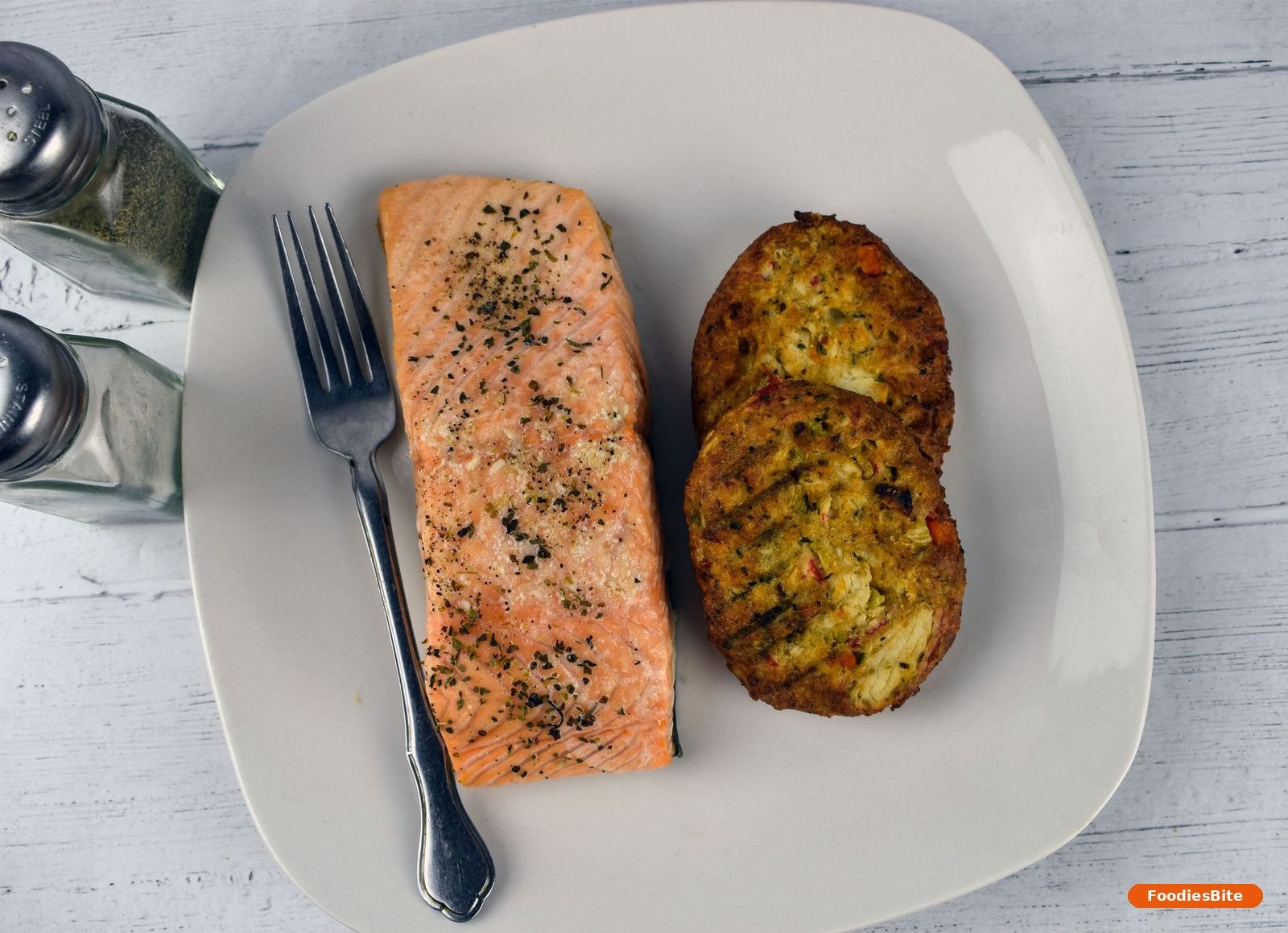
Air Fryer Salmon Cakes with Lemon Dill Sauce
There is a particular kind of quiet that falls over a kitchen when salmon cakes are cooking in the air fryer. It is not the quiet of a recipe going wrong. It is the quiet of everybody waiting, because the smell has drifted out into the hallway and into the living room, and now nobody wants to miss the moment the basket comes out. Crispy edges, lemon, dill, warm salmon — it is a smell that promises something good, and this recipe keeps that promise. These air fryer salmon cakes are golden and crunchy on the outside, soft and flaky on the inside, and they come with a lemon dill sauce that takes about two minutes to stir together and somehow makes the whole plate taste like a restaurant lunch.
I started making salmon cakes because of leftover salmon, which is a sentence that sounds fancier than it is. A fillet of salmon, cooked for dinner, with one piece left over in the fridge the next day, and a family that looks at cold salmon the way they look at a homework assignment. Nobody wants it cold, and reheating it in the microwave turns it dry and a bit sad. But flake that same salmon into a bowl, mix it with breadcrumbs and an egg and a handful of herbs, shape it into patties, and suddenly the leftovers have become the main event. The first time I made them, I did not tell anyone what was in them until after the plates were clean. That is usually the best review a recipe can get.
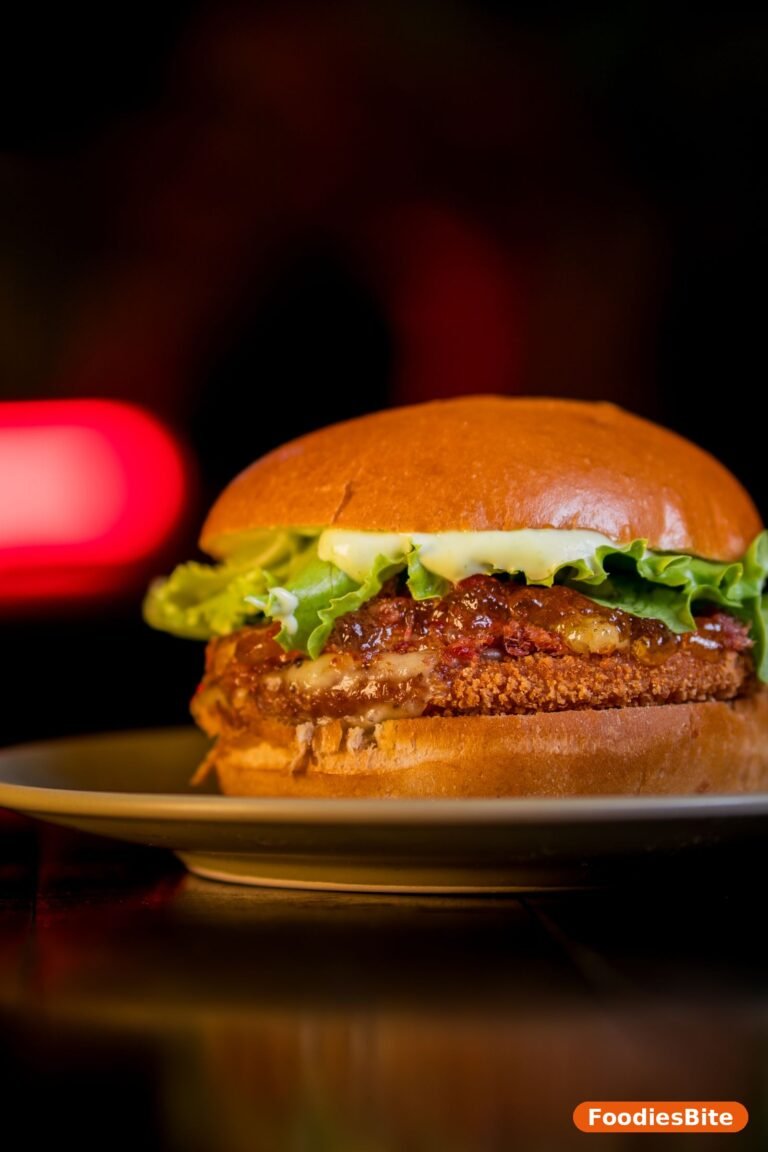
The air fryer is what makes this recipe worth making on a regular Tuesday rather than just once in a while. Salmon cakes fried in a pan are lovely, but they need oil, attention, and a bit of nerve, because fish cakes have a habit of falling apart at exactly the wrong moment. In the air fryer, the hot air does the crisping for you, the cakes hold their shape, and you can cook a whole batch with barely a teaspoon of oil sprayed on top. They take about ten minutes to cook, which is less time than it takes to decide what to watch on television, and the cleanup is a basket and a bowl. If you have been looking for a reason to use your air fryer for something other than frozen chips, this is a very good one. Our air fryer turkey burgers with garlic aioli use the same idea — a patty, a hot basket, ten minutes — and they are the reason I stopped being nervous about cooking patties in the air fryer at all.
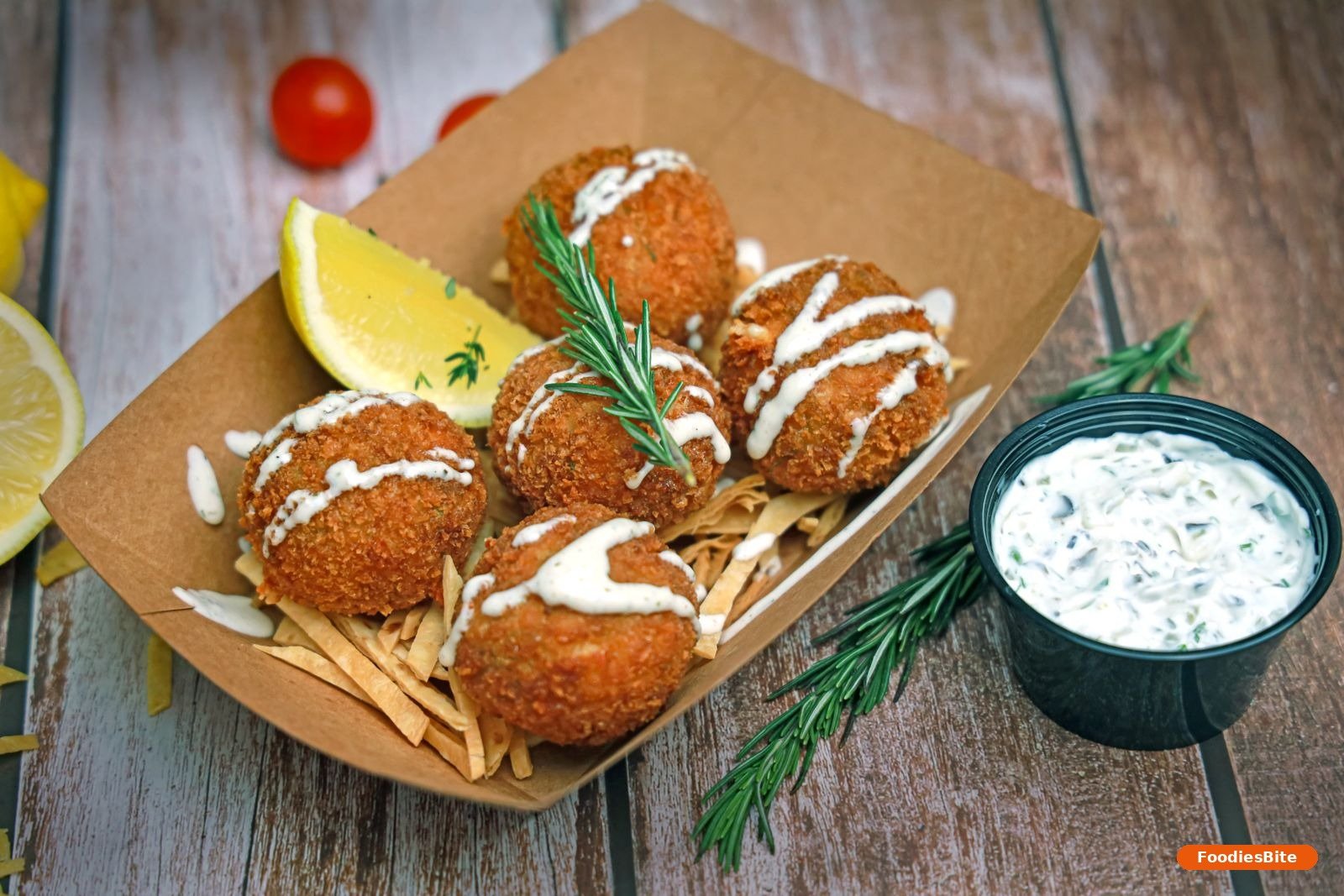
Why You’ll Love This Recipe
First, it is fast in the way that matters on a weeknight. The whole thing, from opening the fridge to sitting down at the table, takes about thirty minutes, and half of that is just the cakes chilling in the fridge while you make the sauce. There is no long marinating, no complicated technique, and nothing that needs to be timed to the second. You mix, you shape, you chill, you air fry. If you can make a sandwich, you can make these salmon cakes, and the result tastes like you did a lot more than that.
Second, it works with whatever salmon you have. Fresh salmon, cooked the night before, is the best starting point, but canned salmon works just as well, and so does a fillet you cook quickly just for this recipe. I have made these with all three, and the only difference is how long the prep takes. Canned salmon is the fastest route, and it is a brilliant pantry dinner for the nights when you forgot to take anything out of the freezer. Fresh salmon gives you the flakiest texture, and leftover salmon gives you the satisfaction of turning something nobody wanted into something everybody asks for again.
And third, the lemon dill sauce is the kind of thing that earns its place in your regular rotation. It is Greek yoghurt or sour cream, lemon juice and zest, fresh dill, a little garlic, salt and pepper. That is all. It takes two minutes, it keeps in the fridge for days, and it goes with almost everything — grilled chicken, roasted vegetables, a baked potato. But it belongs with these salmon cakes most of all, because the cool, tangy sauce against the warm, crispy cake is the whole point of the dish. One bite with the sauce, and you will understand why salmon and lemon have been paired together for as long as anyone can remember.
Ingredients You’ll Need
Here is what to gather for eight salmon cakes, which serves four people as a main course with two cakes each, or more as an appetiser. Everything is ordinary, and most of it is probably already in your kitchen.
- 1 pound cooked salmon, flaked into small pieces — About two cups of flaked salmon. If you are starting with raw salmon, cook a fillet in the air fryer at 400°F (200°C) for about eight minutes, let it cool, and flake it with a fork. If you are using canned salmon, drain it well and pick out any large bones or skin. Leftover salmon is ideal here, and it is the reason this recipe exists in my house.
- 1/2 cup panko breadcrumbs, plus a little extra for coating — Panko is the right breadcrumb for this job. The flakes are bigger and lighter than regular breadcrumbs, so the cakes stay tender inside and crisp outside. Regular breadcrumbs will work, but the texture will be denser, and the crust will not be quite as golden. Save a few tablespoons of panko for rolling the outside of each cake, because that thin outer coat is what goes properly crunchy in the air fryer.
- 1 large egg, lightly beaten — The egg is the glue that holds the cakes together. Without it, they will fall apart in the basket. One egg is enough for a pound of salmon, and it should be beaten just enough to break the yolk before you mix it in.
- 3 tablespoons mayonnaise — Mayonnaise does two jobs here. It adds moisture, so the cakes do not dry out in the hot air, and it helps bind the mixture together. Use a good full-fat mayonnaise. The light kind works, but the cakes will be a little less rich, and richness is part of the point.
- 1 tablespoon Dijon mustard — A spoonful of Dijon gives the cakes a gentle sharpness that wakes up the salmon. It is not enough to make them taste like mustard. It is just enough to make the salmon taste more like itself, which is the best kind of seasoning.
- 2 green onions, finely chopped — Green onions, also called scallions, give the cakes a fresh, mild onion flavour without the harshness of a raw yellow onion. Use both the white and the green parts. Chop them fine, so they disappear into the mixture rather than poking out in big pieces.
- 2 tablespoons fresh dill, chopped, plus extra for the sauce — Fresh dill is worth finding for this recipe. Dried dill will work in a pinch, but fresh dill has a bright, almost lemony flavour that dried dill loses. If you are buying a bunch for the sauce anyway, you will have plenty left for the cakes.
- 1 tablespoon fresh lemon juice, plus the zest of half a lemon — Lemon juice and zest do different jobs. The juice adds brightness, and the zest adds the fragrant lemon oils that make the whole mixture smell wonderful. Zest the lemon before you juice it, because it is much harder to zest half a lemon than a whole one.
- 1 teaspoon Old Bay seasoning or Cajun seasoning — Old Bay is the classic choice for fish cakes, and it is the one I reach for. It is a blend of celery salt, paprika, and other warm spices that was made for seafood. If you do not have it, a Cajun seasoning or even just paprika and a pinch of cayenne will do the same job.
- 1/2 teaspoon garlic powder — Garlic powder spreads evenly through the mixture in a way that fresh garlic does not always manage in a fish cake. It gives you the flavour without any risk of a raw garlic bite. A small amount is enough.
- Salt and black pepper, to taste — Salmon is already savoury, and Old Bay is salty, so taste the mixture before you add much salt. A pinch is usually enough. Black pepper, freshly ground, is better than pre-ground here, because you can actually taste it.
- Olive oil spray or a little olive oil, for the basket — A light spray of oil on the basket and on the tops of the cakes is what helps them go golden. You do not need much. One or two sprays per cake is enough, and it is the difference between a pale cake and a crisp one.
For the Lemon Dill Sauce
- 1/2 cup Greek yoghurt or sour cream — Greek yoghurt is my first choice, because it is thick, tangy, and a little lighter than sour cream. Sour cream is richer and works just as well. Either one will hold up to the lemon juice without going runny, which is what you want from a sauce that has to sit on a plate next to something hot.
- 1 tablespoon fresh lemon juice — Fresh lemon juice, squeezed from the lemon you already zested. Bottled lemon juice will work, but it tastes flatter, and fresh lemon is doing a lot of the work in this sauce.
- 1 teaspoon lemon zest — A teaspoon of zest, which is about half a lemon’s worth. It gives the sauce its perfume, and it is the difference between a sauce that tastes lemony and a sauce that tastes like it has lemon in it.
- 1 tablespoon fresh dill, finely chopped — The same fresh dill, chopped fine. It should be visible in the sauce, little green flecks against the white, because it looks as good as it tastes.
- 1 small clove garlic, finely grated or minced — One small clove, grated on a fine grater so it disappears into the sauce. Any more than that, and the garlic will take over. Any less, and you will miss it.
- Salt and black pepper, to taste — Season it, taste it, and adjust. The sauce should taste bright and a little too lemony on its own, because it will be eaten with rich, salty salmon cakes, and it needs to stand up to them.
How to Make Air Fryer Salmon Cakes
There are four stages: the mixture, the shaping, the chilling, and the cooking. None of them is hard, and the whole thing comes together quickly once you have done it once. Here is how it goes.
Start with the salmon. If you are using leftover or freshly cooked salmon, flake it into a large bowl with a fork. You want small, uneven flakes, not a smooth paste. Some bigger pieces are fine, and they give the finished cakes a better texture. If you are using canned salmon, drain it very well, then flake it the same way, and pick out any bones or bits of skin you find. The salmon should be cool before you mix it, because warm salmon will melt the mayonnaise and make the mixture greasy.
Add the panko, the beaten egg, the mayonnaise, the Dijon mustard, the green onions, the dill, the lemon juice and zest, the Old Bay, the garlic powder, and a pinch of salt and pepper. Now mix it, but mix it gently. Use a fork or your hands, and fold everything together just until it is combined. The mixture should hold together when you squeeze a handful of it, but it should not be wet or sticky. If it feels too wet, add a tablespoon more panko. If it feels too dry and crumbly, add another teaspoon of mayonnaise. This is the one moment in the recipe where your hands are the best tool, because you can feel when the mixture is right in a way that a spoon cannot tell you.
Divide the mixture into eight equal portions and shape each one into a patty about three inches across and about three quarters of an inch thick. Wet your hands lightly before you shape them, because the mixture will stick to dry hands. Press each patty firmly so it holds together, then roll the outside edges gently in the extra panko you set aside. That thin coat of panko is what will go golden and crisp in the air fryer, so do not skip it. Place the shaped cakes on a plate lined with baking paper, cover them loosely, and put them in the fridge for at least fifteen minutes. This chilling step is the most important part of the whole recipe, and it is the one people are most tempted to skip.
While the cakes chill, make the lemon dill sauce. Stir the Greek yoghurt, lemon juice, lemon zest, dill, garlic, salt and pepper together in a small bowl. Taste it and adjust. It should be bright, tangy, and fresh. Cover it and put it in the fridge too, because the flavours will get better as it sits, and a cold sauce against a hot cake is one of the best contrasts in cooking.
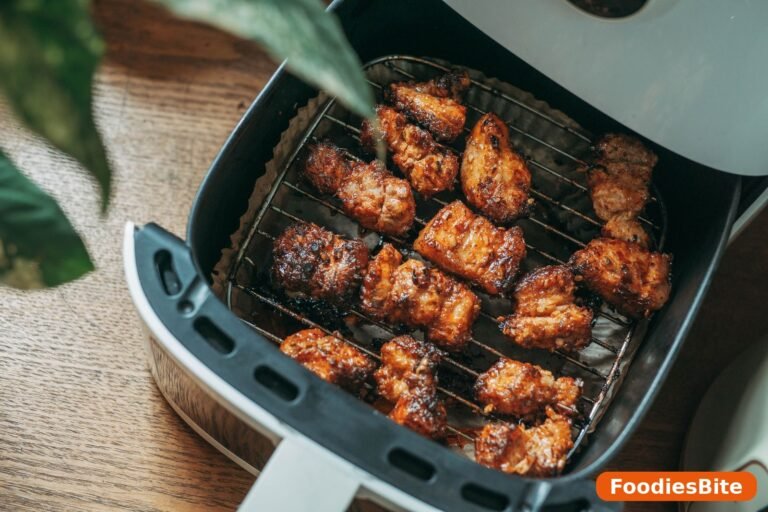
When the cakes have chilled, preheat the air fryer to 375°F (190°C) for about three minutes. Spray the basket lightly with olive oil, and arrange the cakes in a single layer, leaving a little space between them. They need room for the hot air to circulate, and if they are crowded they will steam instead of crisping. You will probably need to cook them in two batches of four, and that is fine. Spray the tops of the cakes lightly with oil, and cook for ten to twelve minutes, turning them gently halfway through, until they are golden brown and crisp on the outside. The inside should be hot all the way through, and if you are checking with a thermometer, the USDA safe minimum internal temperature for fish is 145°F (63°C), which is the number I keep in mind whenever I cook seafood.
Let the cakes rest for two or three minutes after they come out of the basket, then serve them warm with the lemon dill sauce on the side and a few lemon wedges on the plate. They are at their best in the first few minutes, when the outside is still crisp and the inside is still soft, so do not leave them sitting around. Call everyone to the table before you take them out of the air fryer, not after.
The Chilling Step: Why It Matters
If there is one thing I could make everyone who tries this recipe understand, it is the chilling step. Fifteen minutes in the fridge is the difference between a salmon cake that holds together and a salmon cake that falls apart in the basket.
Here is why. The mixture is held together by the egg and the mayonnaise, and both of them firm up when they are cold. When the cakes are warm and soft, the egg has not had a chance to set, and the panko has not had a chance to absorb the moisture, so the patty is fragile. Put that fragile patty into a hot air fryer basket, and the outside cooks before the inside has a chance to firm up, and the whole thing can slump and split. Chill the cakes first, and the mixture firms up, the panko absorbs just enough moisture to bind, and the patty goes into the basket solid. It holds its shape, it cooks evenly, and it comes out looking like it was made by somebody who knows what they are doing.
Thirty minutes in the fridge is even better, and you can make the cakes the night before if you like. Shape them, cover them tightly, and keep them in the fridge overnight. They will be firmer, easier to handle, and they will cook beautifully the next day. This is what makes salmon cakes a genuinely practical weeknight dinner rather than just a good idea. You can do the fiddly part — the mixing and shaping — in the morning or the night before, and the cooking part takes ten minutes when you get home. If you are the kind of cook who likes to get ahead, this is a recipe that rewards it.
Tips for the Best Salmon Cakes
A few small things I have learned from making these more times than I can count, and from getting them wrong a few times first.
Do not overmix the salmon. This is the most common mistake, and it is the one that turns a flaky, tender cake into a dense, rubbery one. Once the ingredients are combined, stop mixing. The salmon should still be in visible flakes, and the mixture should look like a rough, chunky mixture, not a smooth paste. If you keep mixing until it is smooth, you will have made salmon sausage, and nobody wants salmon sausage.
Keep the cakes the same size. Eight cakes, roughly the same thickness, will cook in the same time. If one cake is thick and another is thin, the thin one will be overcooked and dry by the time the thick one is done. Use a measuring cup to portion the mixture if it helps — a third of a cup per cake is about right — and then shape them to the same thickness with your hands. It takes an extra minute, and it is worth it.
Do not crowd the basket. I have said it above, and I will say it again, because it is the difference between a crispy cake and a steamed one. Four cakes at a time in a standard basket, with space between them, is about right. Cook in two batches rather than squeezing all eight in at once. The second batch only takes ten minutes, and the first batch stays warm in a low oven while the second one cooks. Patience here is rewarded with crunch.
Flip them gently, and only once. Halfway through cooking, turn each cake over with a thin spatula, sliding it underneath rather than grabbing the cake from the sides. The cakes are at their most fragile when they are hot and half cooked, so a gentle hand matters. One flip is enough. Flipping them back and forth will break the crust you are trying to build.
And use the oil spray, even if you are tempted to skip it. A light spray on the basket stops the cakes sticking, and a light spray on top helps the panko go golden. Without it, the cakes will still cook, but they will be paler and less crisp, and they may stick to the basket. A teaspoon of oil across the whole batch is not much, and it is doing real work.
Variations to Try
Once you have made the classic version, salmon cakes are a very good base to play with, and the method stays the same, so you can change the flavours without learning anything new.
For spicy salmon cakes, add a teaspoon of sriracha or a finely chopped jalapeño to the mixture, and a pinch of cayenne with the Old Bay. The heat works beautifully with the rich salmon, and the cool lemon dill sauce becomes even more important, because it is the thing that cools your mouth down between bites. It is my favourite version when I am cooking just for the adults.
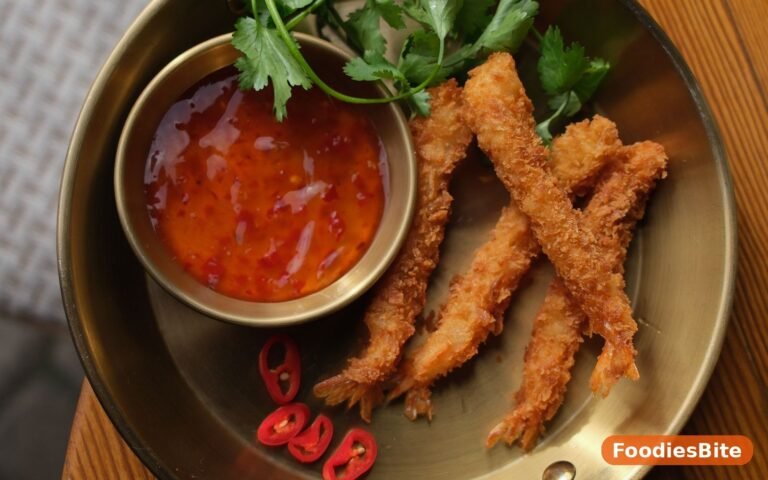
For Asian-inspired salmon cakes, swap the dill for chopped coriander, the Dijon for a teaspoon of soy sauce, and add a teaspoon of grated fresh ginger and a little sesame oil to the mixture. Serve them with a sweet chilli dipping sauce instead of the lemon dill sauce, and they become a completely different dish. Our air fryer coconut shrimp with sweet chilli sauce uses the same sweet-and-spicy idea, and it is a good reminder that the air fryer is at its best when it is making things crispy and golden.
For salmon cakes with a Mediterranean feel, add a tablespoon of chopped capers, a handful of chopped sun-dried tomatoes, and a pinch of oregano to the mixture, and serve them with a tzatziki-style sauce instead of the lemon dill. The capers add a salty, briny note that suits salmon very well, and the sun-dried tomatoes give the cakes a sweetness that balances the richness. It is a small change, but it makes the dish taste like a summer lunch by the sea.
For a kid-friendly version, leave out the Old Bay and the mustard, use plain breadcrumbs instead of panko, and shape the mixture into smaller cakes, about two inches across. Kids like small food, and a mini salmon cake with a little pot of sauce to dip it in is much more appealing than a large one on a plate. Serve them with chips and call them fish cakes, and you will be surprised how many of them disappear.
For salmon cakes made with tinned salmon, which is the version I make most often on a busy night, use two tins of salmon, drained well, and add an extra tablespoon of panko, because tinned salmon is wetter than fresh. Everything else stays the same. It is a proper pantry dinner, and it is the reason I always keep a tin or two of salmon in the cupboard. If you like that kind of quick seafood dinner, our air fryer fish and chips is another one that turns a weeknight into something a bit special without much effort.
What to Serve With Air Fryer Salmon Cakes
Salmon cakes are rich, and they are at their best with something fresh and simple alongside them to balance the plate.
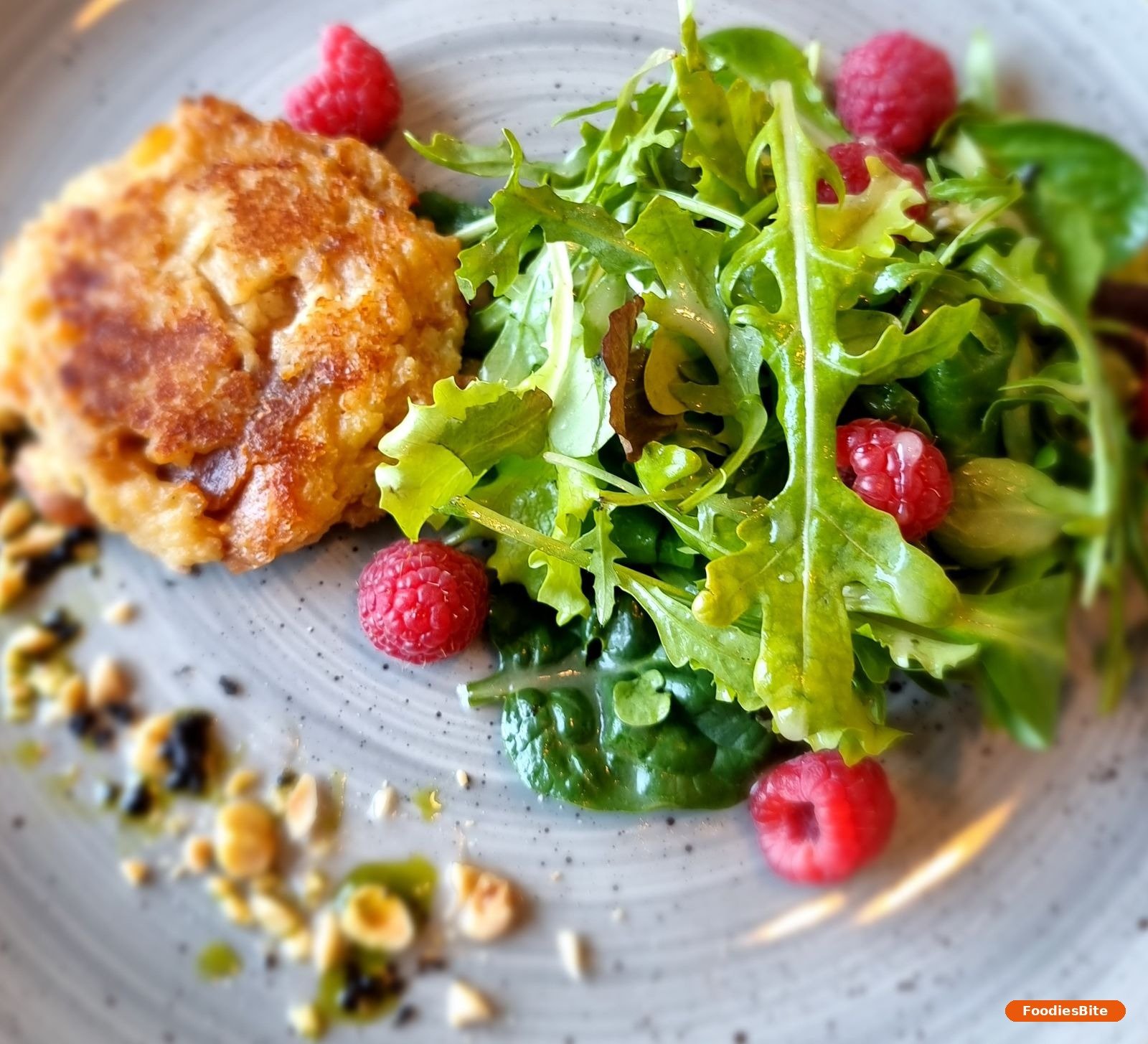
A green salad is the classic pairing, and it is the classic for a reason. Something crisp and sharp, like a simple salad with a lemon vinaigrette, or a handful of rocket with shaved Parmesan, gives you a cool, bright contrast to the warm, crispy cakes. The acidity wakes your palate up between bites, and it makes the salmon taste richer by comparison, which is a neat trick. Keep the salad simple. This is not the moment for a complicated salad with a dozen ingredients. Leaves, a good dressing, and maybe some cucumber is all you need.
Roasted or steamed vegetables work well too, especially something green. Roasted broccoli with a little lemon, or green beans with garlic, or asparagus if it is in season. The bitterness of green vegetables is a good counterpoint to the rich salmon, and it makes the plate look better too. A plate of salmon cakes on its own is a lovely thing, but a plate of salmon cakes with something green on the side looks like a meal somebody thought about.
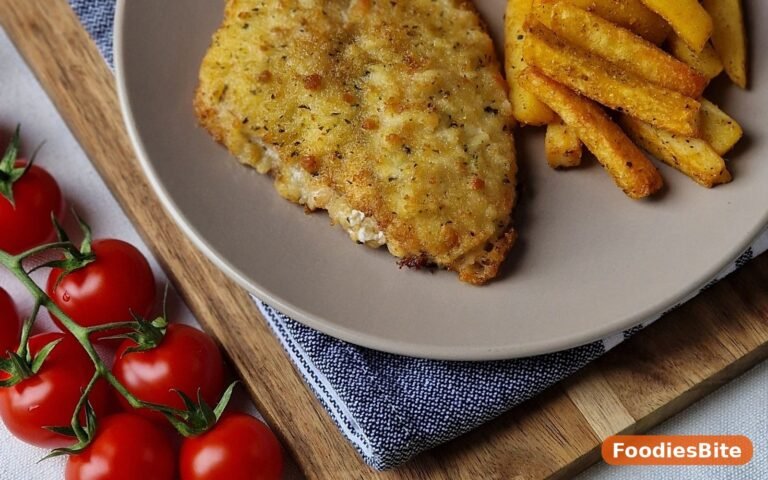
For a heartier meal, serve the cakes with chips or roasted potatoes. Thick-cut chips, golden and salty, are the obvious choice, and they turn the cakes into a proper fish-and-chips-style dinner. Or roast some baby potatoes with olive oil and rosemary until they are crisp outside and fluffy inside, and serve them alongside. Either way, you have a plate that feels complete, and the lemon dill sauce works just as well on the potatoes as it does on the cakes.
And if you are serving the cakes as part of a bigger spread, they sit very happily next to other crispy, golden things from the air fryer. Our crispy air fryer chicken drumsticks are a good partner if you are feeding a crowd and want two kinds of crispy food on the table, and a bowl of coleslaw or a simple cucumber salad will tie the whole spread together. That is the thing about a dish like this. It does not need much around it, but it plays well with others.
Storage and Freezing
Leftover salmon cakes keep well, and they are one of those things that are almost as good the next day as they are on the day they were made, as long as you store them and reheat them properly.
In the fridge, cooked salmon cakes will keep for three days in an airtight container, with the sauce kept in a separate container. The cakes will soften as they sit, because the panko crust absorbs moisture from the fridge, so when you reheat them, put them back in the air fryer at 375°F (190°C) for three or four minutes. That will crisp the outside up again, and it is much better than the microwave, which will make them soft and a little soggy. The sauce will keep for four or five days, and it is worth making a double batch just to have it in the fridge for other meals.
To freeze salmon cakes, shape them, coat them in panko, and freeze them uncooked on a tray lined with baking paper, in a single layer, until they are solid. Then transfer them to a freezer bag, label it with the date, and keep them for up to two months. Cook them straight from frozen, adding about four minutes to the cooking time, and there is no need to thaw them first. A bag of frozen salmon cakes in the freezer is one of the best insurance policies a busy household can have, because it means a proper dinner is only fifteen minutes away on a night when cooking feels like too much.
You can also freeze the cooked cakes, although the texture will not be quite as good. Let them cool completely, wrap them tightly, and freeze them for up to two months. Thaw them overnight in the fridge and reheat them in the air fryer at 375°F (190°C) for about five minutes, until they are hot all the way through and crisp on the outside again. A fresh spoonful of lemon dill sauce on top will help them taste like a proper dinner again, and nobody will know they were frozen. When you are buying salmon, whether fresh or frozen, it is worth knowing what to look for, and the FDA guide to selecting fresh and frozen seafood safely is a useful reference for exactly that — firm flesh, a fresh smell, and no discolouration.
Frequently Asked Questions
Can I use canned salmon for salmon cakes?
Yes, and it works very well. Drain the salmon thoroughly, pick out any large bones or skin, and flake it into the bowl the same way you would with fresh salmon. Canned salmon is wetter than fresh salmon, so add an extra tablespoon of panko to the mixture to keep it from being too soft. The flavour is a little stronger than fresh salmon, which is not a bad thing in a fish cake, and the recipe is exactly the same otherwise. It is the fastest version of this dish, and it is the one I make most often.
Why are my salmon cakes falling apart?
A salmon cake that falls apart usually means one of two things. The first is that the mixture was too wet, either because the salmon was not drained well enough or because there was not enough panko and egg to bind it. Add a tablespoon more panko, and make sure the mixture holds together when you squeeze a handful of it before you shape the cakes. The second is that the cakes were not chilled before cooking. Fifteen minutes in the fridge firms the mixture up, and it is the step that makes the difference between a cake that holds and a cake that does not. If your cakes are still falling apart, try chilling them for thirty minutes, and handle them as gently as you can when you flip them.
Can I make salmon cakes ahead of time?
Yes, and they are a very good make-ahead dish. Shape the cakes, cover them tightly, and keep them in the fridge for up to a day before cooking. They will actually cook better after a night in the fridge, because the mixture will be firmer. You can also freeze them uncooked for up to two months and cook them straight from frozen, adding about four minutes to the cooking time. The lemon dill sauce can be made a day or two ahead and kept in the fridge, and it will taste even better after the flavours have had time to come together.
Can I cook salmon cakes in a pan instead of an air fryer?
Yes, and they are lovely that way too. Heat a tablespoon or two of olive oil in a large skillet over medium heat, and cook the cakes for three to four minutes per side, until they are golden brown and crisp. The pan method gives you a slightly richer crust, because the oil fries the panko, and it is the traditional way to make fish cakes. The air fryer is faster and uses less oil, and it is the method I use most of the time, but a pan is a perfectly good alternative if your air fryer is busy or you prefer the old-fashioned way.
What can I use instead of panko breadcrumbs?
Regular breadcrumbs will work, although the crust will be a little less crisp and the cakes a little denser. Crushed crackers, like Ritz or saltines, are a good substitute, and they give the cakes a buttery, savoury flavour that suits salmon very well. You can also use almond flour if you are avoiding gluten, although the cakes will be softer and will not crisp up quite as much. Whatever you use, the important thing is that it absorbs moisture and binds the mixture, so avoid anything too fine or too powdery.
Can I freeze cooked salmon cakes?
Yes, but it is better to freeze them before cooking. A cooked salmon cake that is frozen and reheated will be fine, but the crust will be softer and the texture will not be quite as good as a fresh one. If you do freeze leftovers, let them cool completely, wrap them tightly, and freeze them for up to two months. Thaw overnight in the fridge and reheat them in the air fryer at 375°F (190°C) for about five minutes, until they are hot all the way through and crisp on the outside. The lemon dill sauce will help them taste fresh again, and a squeeze of lemon over the top before serving will brighten them up.