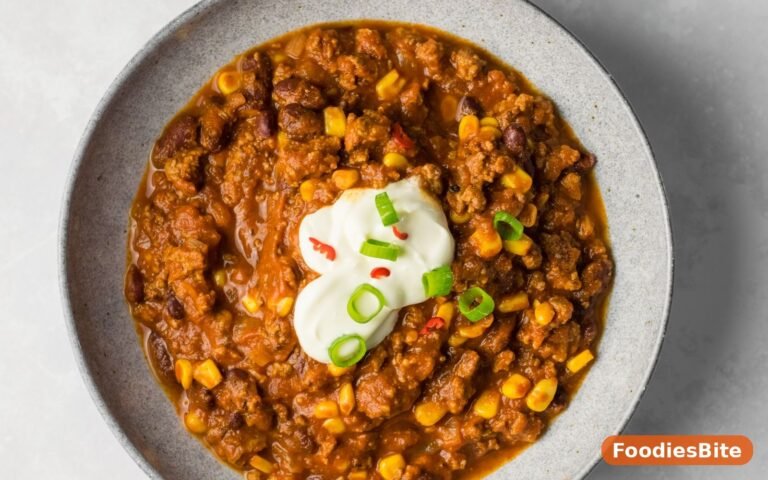
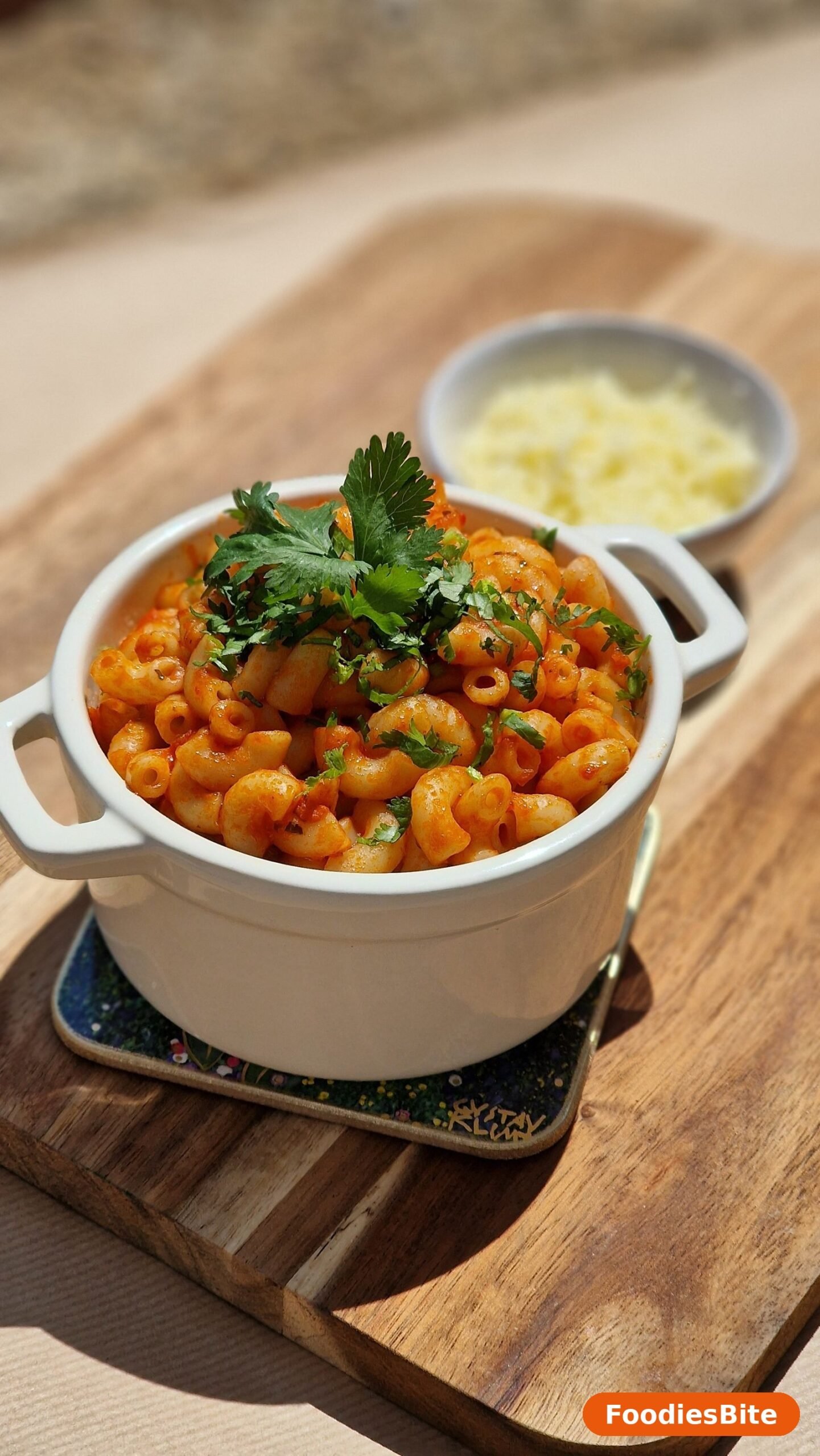
One-Pan Chili Mac with Cheddar
Some dinners earn their place in the regular rotation not because they are fancy, but because they show up exactly when you need them. One-pan chili mac with cheddar is one of those dinners in my kitchen. It is the meal I make on the nights when the day ran long, the fridge looks uninspiring, and nobody in the house can agree on what they want — except that it should be warm, filling, and ready soon. Thirty minutes later, there is a big skillet of seasoned beef, tender macaroni, and melted cheddar on the table, and the argument is over.
Chili mac is one of those wonderfully American comfort foods that sounds like two recipes crashed into each other, and in a way, that is exactly what happened. It takes the spiced, savory heart of a pot of chili and folds it into the creamy, cheesy comfort of macaroni and cheese. The result is better than either one on its own, at least on a busy weeknight. You get the smoky warmth of chili powder and cumin, the richness of ground beef, and then cheddar melts through the whole thing and ties it together into something that tastes like it took far more effort than it did.
What I love most about this version is that everything cooks in one pan. The pasta cooks right in the same skillet as the beef and the sauce, soaking up all that seasoned liquid as it goes. There is no separate pot of water to boil, no colander to wash, and no second pan for the cheese sauce. The starch from the pasta thickens the sauce naturally, so by the time the cheddar goes in, the whole thing is already creamy and clinging to every elbow. It is the kind of cooking that makes weeknight dinner feel manageable instead of like a project.
If you have kids, this is a reliable one. It is not too spicy as written — warm and flavorful rather than hot — and the cheese makes it familiar enough that even picky eaters tend to go back for seconds. If you like heat, it is easy to turn up. And if you are feeding a crowd or meal prepping for the week, it doubles without any trouble. This is the recipe I reach for when I want dinner to feel like a small win, and it has not let me down yet.
Why This One-Pan Chili Mac Works So Well
The secret to a good chili mac is balance. You want the chili flavors to be present and confident, but not so aggressive that they overpower the cheese. You want the pasta tender but not mushy, and the sauce thick enough to coat a spoon but not so thick that it turns into a brick as it cools. Getting there is mostly a matter of ratios and timing, and once you have made it once, you will have the feel of it.
Cooking the pasta in the sauce is the single best decision in this recipe. Dry elbow macaroni goes straight into the skillet with the beef, tomatoes, and broth, and as it simmers, it drinks up the seasoned liquid. That does two things at once. First, the pasta itself tastes like chili instead of tasting like plain pasta with chili poured over it. Second, the starch the pasta releases thickens the sauce into something silky without any flour or cornstarch. It is a small trick that makes a big difference.
The other thing that matters is the cheese. Cheddar is the right choice here because it has enough flavor to stand up to the chili spices, and it melts into a smooth, golden sauce. Mild cheddar melts easily and keeps things gentle; sharp cheddar brings more bite. I usually use a mix of both — mostly sharp for flavor, with some mild to keep the texture creamy. And here is the detail that matters most: grate the cheese yourself. The pre-shredded kind is coated with anti-caking powder, and it melts into a slightly grainy, stubborn sauce. A block of cheddar and five minutes with a box grater will give you a noticeably smoother result.
For anyone curious about where this dish comes from, chili con carne has a long history as a hearty, spiced stew, and chili mac grew out of that same spirit — stretching a pot of chili further by adding pasta, the way home cooks have always stretched a meal to feed one more person. It is practical food, and it is proud of it.
What You Will Need
This recipe serves four generously, or six as a smaller portion next to a salad. Everything here is a pantry regular, which is part of the point — you should be able to make this on a night when you have not planned ahead at all.
- 1 pound ground beef (80/20 works best for flavor)
- 1 medium yellow onion, finely diced
- 1 green bell pepper, diced
- 3 cloves garlic, minced
- 2 tablespoons chili powder
- 1 teaspoon ground cumin
- 1 teaspoon smoked paprika
- 1/2 teaspoon dried oregano
- 1/4 teaspoon cayenne pepper (optional, adjust to taste)
- 1 can (14.5 ounces) diced tomatoes, undrained
- 1 can (8 ounces) tomato sauce
- 2 cups low-sodium beef broth
- 2 cups dry elbow macaroni
- 2 cups shredded sharp cheddar cheese, freshly grated
- 1 tablespoon tomato paste
- 1 teaspoon kosher salt, plus more to taste
- 1/2 teaspoon black pepper
- 2 green onions, sliced, for serving
A note on the beef: 80/20 ground beef gives the best flavor because the fat carries the spices and keeps the meat tender. If you prefer leaner beef, use 90/10, but add a tablespoon of olive oil to the pan when you start so the onion and spices have something to bloom in. If you are working with ground beef and want to be sure about safe handling and cooking temperatures, the USDA has clear guidance on ground beef and food safety — ground beef should reach 160°F, which this recipe easily does during the simmer.
How to Make One-Pan Chili Mac with Cheddar
Start with a large, deep skillet — at least 12 inches across — with a lid. A Dutch oven works beautifully too. Set it over medium-high heat and add the ground beef, breaking it up with a wooden spoon as it cooks. You want it properly browned, not just gray and steamed, so give it a few minutes and let it sit undisturbed between stirs. Browning builds flavor that the spices alone cannot give you. When the beef is browned all the way through, about 6 to 7 minutes, spoon off most of the fat, leaving about a tablespoon in the pan.
Add the diced onion and bell pepper to the same skillet and cook for 3 to 4 minutes, until the onion turns soft and translucent and the pepper has lost its raw edge. Then stir in the garlic, chili powder, cumin, smoked paprika, oregano, and cayenne if you are using it. Cook for about a minute, stirring constantly, until the spices smell warm and fragrant. This step is called blooming the spices, and it matters — spices cooked briefly in hot fat taste rounder and deeper than spices dumped into liquid raw. You will notice the difference the first time you do it.
Stir in the tomato paste and let it cook for another minute. It will darken slightly and stick to the pan a little, and that is exactly what you want. Tomato paste straight from the can tastes flat and tinny; cooked briefly, it turns sweet and rich and adds a depth to the sauce that tomatoes alone cannot give.
Now pour in the diced tomatoes with their juices, the tomato sauce, and the beef broth. Scrape the bottom of the pan as you stir — all those browned bits stuck to the skillet are flavor, and the liquid will lift them right back into the sauce. Season with the salt and black pepper, and bring everything to a gentle boil.
Stir in the dry elbow macaroni. Make sure the pasta is mostly submerged in the liquid; press it down gently with the spoon. Reduce the heat to medium-low, cover the skillet, and let it simmer for 12 to 14 minutes. Stir every few minutes so the pasta does not stick to the bottom, and check near the end — you want the macaroni just tender, with a little bite left, and most of the liquid absorbed into a thick sauce. If it looks too dry before the pasta is done, splash in a quarter cup of hot water or broth. If it looks too loose, take the lid off for the last couple of minutes and let it reduce.
Take the skillet off the heat. This is important: let it sit for a minute before you add the cheese, because cheese added to a furiously bubbling pan can turn grainy or separate. Sprinkle the grated cheddar over the top in two batches, stirring gently after each one, until it melts into a smooth, glossy sauce. Put the lid back on for two minutes to help it along, then give it one final stir.
Taste and adjust. Chili mac is forgiving, and this is the moment to make it yours. A little more salt if it tastes flat, a pinch more chili powder if you want more warmth, a splash of hot sauce if you like heat. Serve it straight from the skillet, scattered with sliced green onions, and let everyone help themselves.
Getting the Cheese Sauce Right
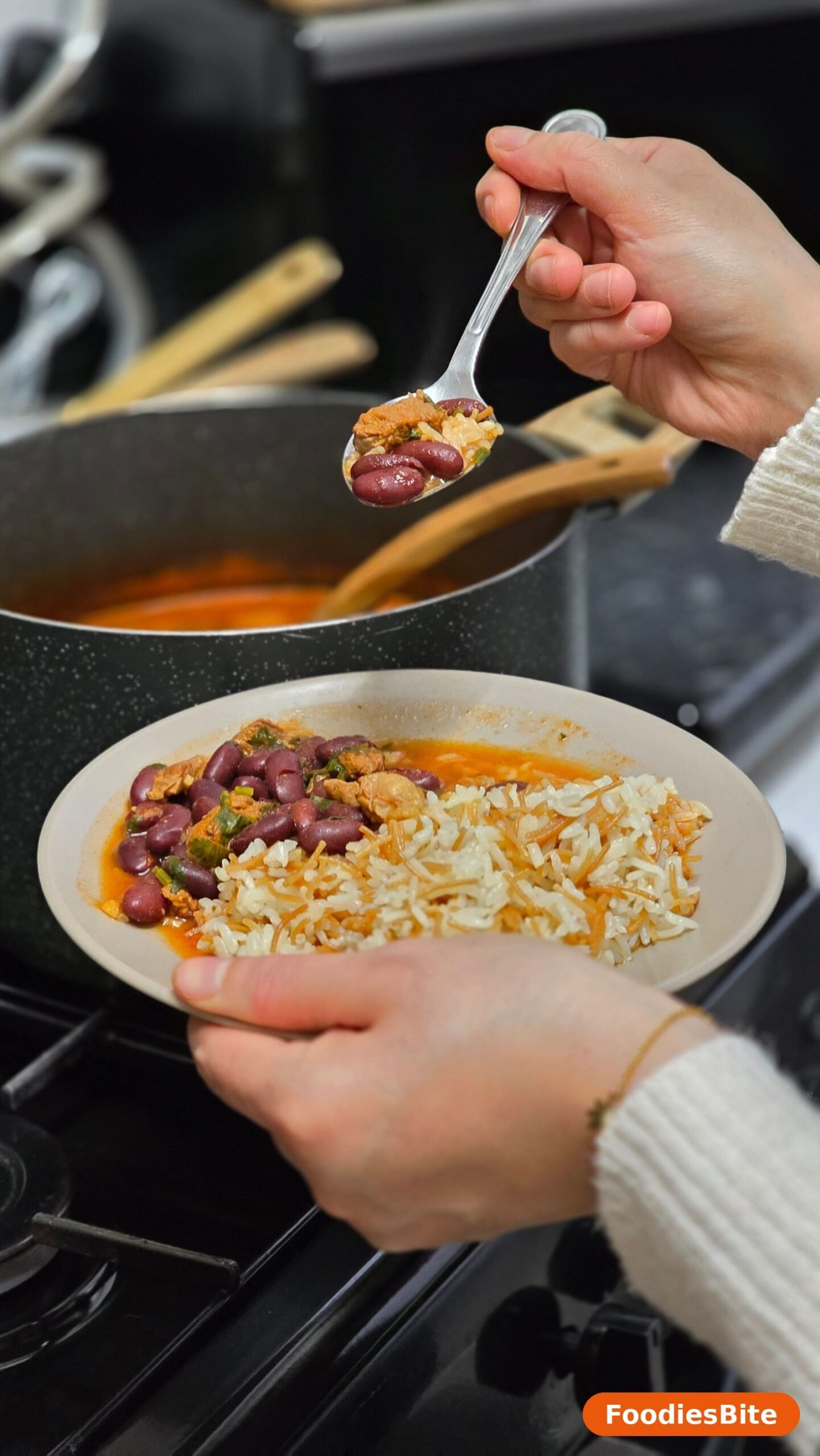
Cheese sauce is where a good chili mac becomes a great one, and there are really only two rules. First, as I said, grate your own cheese. Second, take the pan off the heat before the cheese goes in. Cheese is an emulsion, and high heat breaks it — the fat separates out and you end up with a greasy slick on top and a grainy texture underneath. Off the heat, with the residual warmth of the pasta and sauce, cheddar melts slowly and smoothly into the sauce instead.
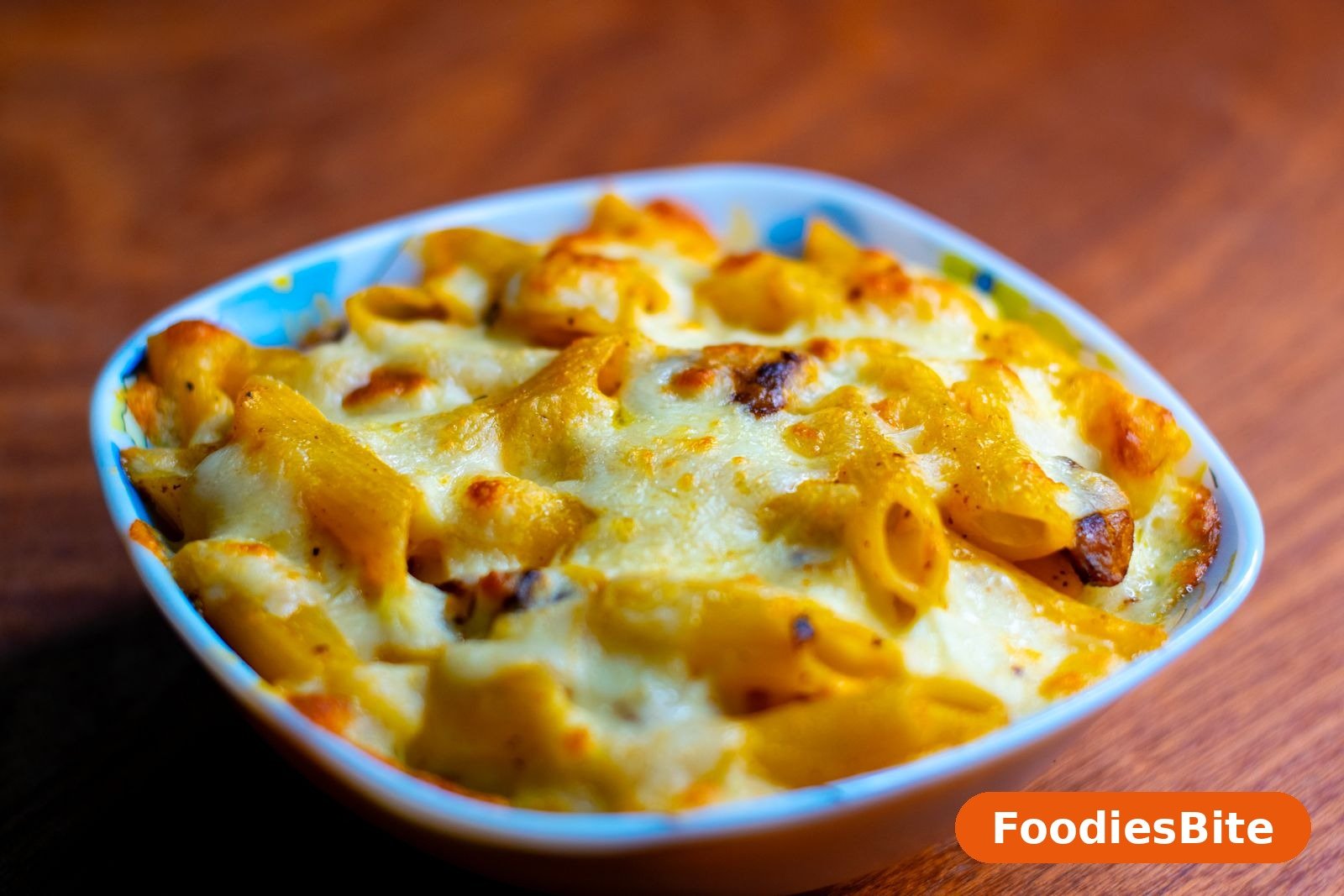
If you want an even creamier finish, stir in a couple of tablespoons of cream cheese or a splash of heavy cream along with the cheddar. It is not traditional, and you do not need it, but on a cold night it makes the whole dish taste a little more indulgent. A spoonful of sour cream stirred in at the end does something similar, with a little tang that cuts through the richness nicely.
The other thing worth knowing is that chili mac thickens as it sits. The pasta keeps absorbing liquid for a few minutes after it comes off the heat, so if it looks a touch loose when you take the lid off, give it three minutes before you decide it needs more time. It will usually settle into exactly the right consistency on its own.
Easy Variations to Try
Once you have the base recipe down, chili mac is endlessly adaptable. Here are the variations I come back to most often, and each one changes the dish just enough to feel new without changing the method.
For a spicier version, add a diced jalapeño along with the bell pepper, and use a full half teaspoon of cayenne instead of a quarter. A can of diced green chiles stirred in with the tomatoes adds a gentle, smoky heat that builds slowly rather than hitting all at once. If you like things really hot, a spoonful of your favorite hot sauce at the table lets everyone season their own bowl.
For a bean version, stir in a can of drained and rinsed kidney beans or black beans when you add the pasta. It makes the dish heartier and stretches it further, which is useful when unexpected guests show up. The beans also make it feel more like a proper bowl of chili, and they hold up well in leftovers.
For a turkey or chicken version, swap the ground beef for ground turkey or ground chicken. Turkey is leaner, so add a tablespoon of olive oil at the start and be a little more generous with the salt and spices — lean meat needs more seasoning to taste as rich as beef does. The cooking method stays exactly the same.
For a veggie-packed version, add a cup of frozen corn and a diced zucchini along with the bell pepper. The corn adds sweetness that plays nicely against the spices, and the zucchini mostly disappears into the sauce while adding bulk. It is a good way to use up whatever is lingering in the crisper drawer.
And if you are in the mood for a different one-pan dinner entirely, this one-pan Cajun chicken pasta uses the same cook-the-pasta-in-the-sauce idea with a completely different flavor profile — smoky, creamy, and a little bit spicy in a different direction.
What to Serve With Chili Mac
Chili mac is a complete meal on its own, honestly. It has protein, pasta, and vegetables in one pan, and on a busy night that is enough. But if you want to round it out, a few simple sides work well without turning dinner into a production.
A crisp green salad with a sharp vinaigrette is my first choice. Something fresh and acidic cuts through the richness of the cheese and resets your palate between bites. A simple coleslaw does the same job and holds up better if you are making it ahead. Cornbread is another natural partner — a warm square of it on the side for scooping up sauce is hard to beat, and it fits the whole comfort-food spirit of the meal.
For toppings, set out a few small bowls and let people build their own. Sour cream, sliced jalapeños, diced red onion, extra shredded cheddar, and a handful of crushed tortilla chips are all good. The chips are my favorite — they add a crunch that the soft pasta does not have, and they turn each bowl into something a little more fun. Hot sauce on the table is a given in my house.
If you are planning a whole week of one-pan dinners, this one-pan beef stroganoff is another skillet meal that comes together the same way — everything in one pan, minimal cleanup, and the kind of creamy comfort that makes a weeknight feel easier.
Storing and Reheating Leftovers
Chili mac keeps well, which is one of the reasons it is so useful for meal prep. Let it cool completely, then store it in an airtight container in the fridge for up to four days. It will thicken as it sits — the pasta keeps drinking up sauce overnight — so when you reheat it, add a splash of milk, broth, or water and stir it in as it warms. That brings the sauce back to its original creamy consistency instead of leaving you with a dry, clumpy block.
Reheat it gently on the stovetop over medium-low heat, stirring often, or in the microwave in one-minute bursts with a stir between each. Avoid blasting it on high heat, which can make the cheese sauce separate and the pasta go mushy. Low and slow is the way.
It also freezes better than most pasta dishes, thanks to the sturdy sauce. Portion it into freezer-safe containers and freeze for up to three months. Thaw it overnight in the fridge, then reheat with a splash of milk as above. The texture will not be quite as perfect as fresh, but it will still be a very good dinner on a night when you have nothing else planned — which is, after all, the entire point of this recipe.
More One-Pan Dinners Worth Trying
If this chili mac earns a regular spot in your rotation, there are a few other one-pan meals on this site that use the same low-effort, high-reward approach. This one-pan creamy Tuscan shrimp is lighter and a little more elegant, with sun-dried tomatoes and spinach in a garlic cream sauce — it feels like a restaurant dinner but cooks in about the same time as this chili mac. And if chicken is more your speed, this easy chicken and rice skillet is another single-pan dinner that feeds a family with almost no cleanup. Both of them follow the same rule as this recipe: one pan, real ingredients, and dinner on the table before anyone has time to complain they are hungry.
Frequently Asked Questions
Can I use a different pasta shape for chili mac?
Yes, and most short shapes work well. Small shells, rotini, and penne are all good substitutes for elbow macaroni. The main thing to watch is cooking time — larger shapes like penne or rotini may need an extra minute or two in the simmer, and you may need a splash more broth since bigger pasta absorbs more liquid. Avoid long pasta like spaghetti or fettuccine, which tangles up in a skillet and does not distribute the sauce evenly.
Can I make chili mac ahead of time?
You can, with one small trick. Cook it fully, let it cool, and refrigerate it for up to two days. When you reheat it, add a splash of milk or broth and warm it gently on the stove, stirring often. The sauce will loosen back up and the cheese will go creamy again. If you are making it specifically to serve later the same evening, you can also hold it on the lowest heat setting with the lid on for up to 30 minutes — just give it a stir now and then so the bottom does not catch.
How spicy is this chili mac?
As written, it is mild to medium — warm and well-spiced, but not hot. The cayenne is optional and only a quarter teaspoon, and the chili powder here is the standard mild kind, not hot. If you are cooking for kids or anyone sensitive to spice, leave the cayenne out entirely and it will still taste full and interesting. If you like heat, add a diced jalapeño with the bell pepper, or pass hot sauce at the table so everyone can adjust their own bowl.
Can I make chili mac with ground turkey instead of beef?
Absolutely. Ground turkey is a straightforward swap — use the same amount and cook it the same way. Because turkey is leaner than beef, add a tablespoon of olive oil to the pan before you start browning it, and taste carefully at the end because lean meat usually needs a little more salt to taste as rich as beef. Ground chicken works the same way. Either one keeps the dish lighter without changing the method at all.
Why did my cheese sauce turn grainy?
Almost always, the pan was too hot when the cheese went in. Cheese melts best with gentle, residual heat — if the sauce is still bubbling hard, the fat separates and the texture turns grainy. Take the skillet off the heat, wait a minute, then add the cheese in two batches, stirring until each one melts before adding the next. Pre-shredded cheese can also cause graininess because of the anti-caking coating, so grate a block of cheddar yourself if you can. If it has already gone grainy, a splash of milk and gentle stirring over very low heat can sometimes bring it back.
Can I freeze chili mac?
Yes, it freezes well for up to three months. Cool it completely, portion it into freezer-safe containers, and label them. Thaw overnight in the fridge and reheat gently on the stove with a splash of milk or broth to loosen the sauce. The pasta will be slightly softer than fresh, but the flavor holds up beautifully, and it is one of the better pasta dishes to have waiting in the freezer for a night when cooking feels impossible.
That is the whole recipe, and that is the whole point of it. One pan, thirty minutes, and a dinner that tastes like you tried much harder than you did. Make it once, and it will probably become one of those recipes you cook without looking at the instructions — the kind you reach for on the nights when dinner needs to just happen. And if you do make it, I would love to know how it turned out — whether you kept it mild, turned up the heat, or added your own twist. That is how good recipes grow, one kitchen at a time.