
One-Pan Chicken Cacciatore
Chicken cacciatore is one of those dishes that sounds far fancier than it is. The name means “hunter-style” in Italian, and the story goes that it was the kind of meal a hunter’s family could throw together from whatever was in the garden and the pantry: chicken, tomatoes, peppers, onions, mushrooms, and a bit of wine. There is no single correct version. Every Italian family seems to have its own, and every region argues gently about what belongs in it. That is part of its charm. It is a forgiving, rustic dish that rewards a slow simmer and a good loaf of bread.
This one-pan version keeps all of that spirit and none of the fuss. Bone-in chicken thighs get a deep golden sear in the skillet, then simmer in a sauce of crushed tomatoes, sweet bell peppers, mushrooms, and garlic until the meat is falling off the bone and the sauce has thickened into something you will want to spoon over everything. It takes about an hour from start to finish, but most of that time is hands-off simmering, which means you can set the table, make a salad, or simply sit down for ten minutes while dinner takes care of itself.
I make this most often in the cooler months, when a tomato sauce simmering on the stove makes the whole house smell like someone who knows what they are doing lives there. But honestly it works all year round, because the ingredients are the kind you can find in any supermarket in any season. If you have never cooked with bone-in chicken thighs before, this is a wonderful place to start: they are forgiving, they stay juicy, and they are considerably cheaper than boneless breasts.
Why You’ll Love This Recipe
The first thing you will notice is how little active work it takes. There is about fifteen minutes of chopping and browning at the start, and then the pan does the rest. The sauce simmers away on its own while you get on with your evening. For a dish that tastes this deep and slow-cooked, that is a very good deal.
The second is the flavour. Bone-in thighs give the sauce a richness that boneless chicken simply cannot match, because the bones and skin release flavour and a little gelatin as they simmer. The peppers soften and sweeten, the mushrooms turn silky, and the tomatoes cook down into a sauce that is bright and savoury at the same time. A splash of wine and a pinch of dried herbs tie it all together.
It is also a wonderfully flexible recipe. Do not like mushrooms? Leave them out. Prefer a little heat? Add chilli flakes. Only have chicken breasts? They will work, though you should shorten the simmering time so they do not dry out. The recipe bends without breaking, which makes it a reliable one to keep in your back pocket.
And then there is the practical side: one pan, one hour, and dinner that feeds four generously with leftovers that taste even better the next day. The sauce improves overnight as the flavours settle, so if you are the kind of cook who likes to make dinner a day ahead, this one rewards you for it.
Ingredients You’ll Need
- 8 bone-in, skin-on chicken thighs (about 2 1/2 pounds)
- 1 teaspoon salt, divided
- 1/2 teaspoon black pepper
- 1 teaspoon dried oregano
- 1/2 teaspoon dried basil
- 3 tablespoons olive oil
- 1 large yellow onion, thinly sliced
- 1 red bell pepper, seeded and sliced into strips
- 1 green bell pepper, seeded and sliced into strips
- 8 ounces cremini mushrooms, sliced
- 5 cloves garlic, minced
- 2 tablespoons tomato paste
- 1/2 cup dry white wine (or chicken broth)
- 1 can (28 ounces) crushed tomatoes
- 1 cup low-sodium chicken broth
- 1 teaspoon sugar (optional, to balance the tomatoes)
- 1/2 teaspoon red pepper flakes (optional)
- 1/4 cup pitted Kalamata olives, halved (optional)
- 2 tablespoons fresh basil leaves, torn, for serving
- 2 tablespoons fresh parsley, chopped, for serving
How to Make One-Pan Chicken Cacciatore
Begin by taking the chicken out of the fridge about twenty minutes before you cook, and pat the thighs very dry with paper towels. Dry skin browns; wet skin steams. Season the thighs generously on both sides with half the salt, the black pepper, oregano, and dried basil. Rub the seasoning in a little with your fingers so it sticks to the skin.
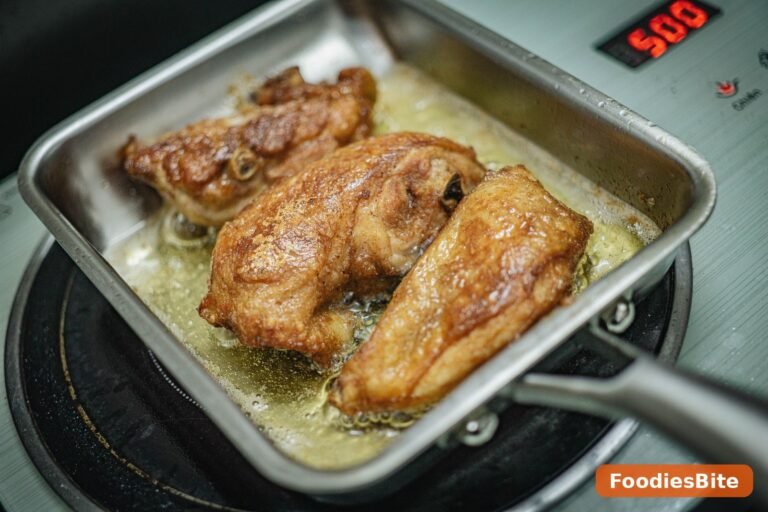
Heat the olive oil in a large, deep skillet or braiser over medium-high heat. When the oil shimmers, place the chicken thighs skin-side down in the pan, leaving space between them. Do not move them for a good five to six minutes. This is the hardest part of the recipe, because the urge to peek and shift them around is strong, but leaving them alone is what gives you that deep golden, crispy skin. When the skin releases easily from the pan and looks richly browned, flip the thighs and brown the other side for about three minutes. Transfer the chicken to a plate and pour off all but two tablespoons of the fat left in the pan.
Turn the heat down to medium and add the sliced onion and both bell peppers to the pan. Cook them for about five minutes, stirring now and then, until the onion softens and the peppers begin to wilt at the edges. Then add the mushrooms and cook for another four or five minutes, until they release their moisture and start to brown. Stir in the garlic and tomato paste and cook for one minute more, until the garlic smells fragrant and the tomato paste has darkened a shade and coats the vegetables.
Pour in the white wine and let it bubble for a minute, scraping the bottom of the pan with a wooden spoon to lift up all the browned bits. This step, deglazing, is where a lot of the flavour comes from, so do not skip the scraping. If you would rather not use wine, chicken broth does the same job, though the sauce will be a touch less bright. Then add the crushed tomatoes, the chicken broth, the sugar if you are using it, the red pepper flakes, and the remaining salt. Stir everything together and bring it to a gentle simmer.
Nestle the browned chicken thighs back into the sauce, skin-side up, so the skin stays above the liquid and keeps some of its crispness. Spoon a little sauce over the meat but leave the skin mostly exposed. Put the lid on, leaving it slightly ajar so some steam escapes, and turn the heat down to low. Let the chicken simmer for thirty-five to forty minutes. The sauce should bubble gently, not boil hard. Halfway through, spoon some sauce over the chicken and give the pan a gentle stir around the edges so nothing sticks.
When the time is up, the chicken should be completely tender and the sauce should have thickened and darkened. If the sauce still looks thin, take the lid off and let it simmer for another five to ten minutes. Stir in the olives if you are using them, and taste the sauce. Tomatoes vary a lot in acidity, so this is the moment to adjust: a pinch more salt, a tiny bit more sugar if it tastes sharp, or another crack of pepper. Scatter the torn basil and chopped parsley over the top and serve it straight from the pan, with the sauce spooned generously over each thigh.
Tips for the Best Chicken Cacciatore
Bone-in, skin-on thighs are the right choice here, and it is worth seeking them out. The bones keep the meat juicy through a long simmer, and the skin adds flavour to the sauce even if it softens a little by the end. If your supermarket only has boneless thighs, they will work, but reduce the simmering time to about twenty-five minutes so they do not overcook. Chicken breasts are the least forgiving option: if you use them, brown them quickly and simmer for only twenty minutes, checking that they are just cooked through.
Do not rush the browning. The golden crust on the chicken is not decoration; it is flavour that carries through the entire dish. A pan that is properly hot, chicken that is properly dry, and the patience to leave the pieces alone for five minutes will give you a result that a rushed, pale sear never will. If the chicken sticks when you try to flip it, it is not ready yet — wait another minute and it will release on its own.
The quality of your canned tomatoes matters more than almost anything else in this recipe. A good can of crushed tomatoes, preferably San Marzano style if you can find them, will give you a sauce that tastes sweet and rich with very little help. Cheaper tomatoes can be sharp and thin, and while the sugar and the long simmer help, they cannot fully make up for it. It is the one ingredient worth spending a little more on.
If the sauce tastes too acidic at the end, resist the urge to add a lot of sugar. A small pinch is usually enough, and a tablespoon of butter stirred in at the end can round out the acidity even more gently while adding a lovely sheen to the sauce. Taste as you go, and remember that the sauce will taste slightly different once it is on the plate with the chicken.
A heavy Dutch oven works beautifully for this recipe if you have one, and it holds heat so evenly that the simmer stays gentle with almost no attention. The only difference is that the chicken may need an extra five minutes, because the thick walls take longer to come up to temperature. Either way, the result is the same: tender chicken and a sauce worth mopping up with bread.
Variations to Try
The classic debate about cacciatore is whether it should include mushrooms, olives, or wine, and the honest answer is that it depends on whose grandmother you ask. This version includes all three, but you can happily leave any of them out. Without the olives, the dish is a little milder. Without the wine, it is a little less bright. Without the mushrooms, it is simpler and lighter. None of those changes will ruin it.
For a spicier version, add a whole dried chilli or a full teaspoon of red pepper flakes with the tomatoes, and finish with a drizzle of good chilli oil. For a richer version, stir in a splash of cream at the very end, off the heat — it is not traditional, but it makes a lovely, rosy sauce that children tend to love.
You can also make this with a mix of chicken pieces — drumsticks and thighs together — which is a good option when you are feeding a crowd and want to stretch the dish further. Just keep the pieces roughly the same size so they cook evenly, and give the drumsticks an extra five minutes if they are large.
A white-wine-free, family-friendly version is easy: replace the wine with the same amount of chicken broth and add a teaspoon of white wine vinegar or lemon juice at the end to bring back a little of the brightness the wine would have given. The dish will be just as comforting.
If you have a slow cooker and a lazy afternoon, you can brown the chicken and vegetables in the skillet as described, then transfer everything to the slow cooker and cook on low for four hours. It is a different rhythm but the same dinner, and it is a good option for days when you want to come home to a finished meal.
Serving Ideas

The most traditional way to serve cacciatore is over pasta — a wide noodle like pappardelle or tagliatelle is ideal, because it catches the sauce — but honestly, crusty bread might be even better. There is something deeply satisfying about tearing off a piece of bread and mopping up the sauce at the bottom of the bowl. If you want to keep things simple, bread and a salad are all you need.
Creamy polenta is another wonderful partner, and it is easier than most people think: a pot of polenta with butter and Parmesan, spooned into a bowl with the chicken and sauce ladled over the top. Mashed potatoes work just as well, and they are the choice I reach for on the coldest nights. Rice is fine too, though it does not hold the sauce quite as well.
For a vegetable side, green beans are the classic choice. They are quick, they stay bright and crisp, and their freshness balances the rich sauce. If you want a refresher on getting them just right, this guide on how to cook green beans covers the method well. A simple green salad with a lemony dressing does the same job, and roasted broccoli or zucchini will happily soak up any extra sauce.
If you are looking for more chicken dinners to round out the week, this one-pan lemon chicken and potatoes is a lighter, brighter skillet supper, and the easy lemon garlic chicken thighs are a quicker option for nights when an hour of simmering is too much. For a creamy contrast, the one-pan beef stroganoff in this same batch is the rich, comforting cousin of this dish, and if you collect skillet recipes the way I do, this collection of chicken recipes is a good place to browse for your next one. For a stovetop-only option without the oven, these easy chicken skillet recipes without oven are worth a look too.
Storage and Reheating
Chicken cacciatore keeps beautifully in the fridge for up to four days in an airtight container, and many people — myself included — think it tastes better on the second day, once the sauce and the chicken have had a night to get to know each other. Store the chicken in the sauce so it stays moist.
Reheat gently in a covered skillet over low heat, adding a splash of chicken broth or water if the sauce has thickened too much in the fridge. It should take about ten minutes to warm through. The microwave works in a pinch, but cover the container and use medium power, stirring halfway, so the chicken heats evenly without drying out.
This dish freezes well, which is more than you can say for most chicken recipes. Let it cool completely, then freeze the chicken and sauce together in a freezer-safe container for up to three months. Thaw overnight in the fridge and reheat gently on the stove. The peppers will be softer after freezing, but the flavour will still be wonderful. I often double the recipe on a quiet Sunday and freeze half for a night when cooking feels like too much.
Frequently Asked Questions
Can I use boneless chicken for cacciatore?
Yes, you can. Boneless, skinless thighs are the best substitute — just shorten the simmering time to about twenty-five minutes so they stay juicy. Boneless breasts will also work, but they dry out more easily, so simmer them for only about twenty minutes and check that they are just cooked through. Bone-in thighs remain my first choice for flavour, but the dish is forgiving.
Do I have to use wine in chicken cacciatore?
No. The wine adds brightness and helps lift the browned bits off the pan, but chicken broth does the same deglazing job, and a teaspoon of lemon juice or white wine vinegar stirred in at the end brings back the brightness. The dish is just as comforting without alcohol, and it is the version I make when children are eating with us.
Why is my cacciatore sauce watery?
The most common cause is a lid that is sealed too tightly, which traps all the steam and keeps the sauce thin. Leave the lid slightly ajar so some moisture escapes, and if the sauce is still thin at the end, remove the lid and simmer for another five to ten minutes until it thickens. The sauce should coat a spoon rather than run off it like soup.
Can I make chicken cacciatore ahead of time?
Yes, and it is one of the best make-ahead chicken dishes there is. Cook it fully, let it cool, and refrigerate it for up to two days. The flavours deepen overnight, so it often tastes better reheated than it did fresh. Reheat it gently on the stove with a splash of broth, and add the fresh herbs just before serving so they stay bright.
What should I serve with chicken cacciatore?
Pasta, polenta, mashed potatoes, or crusty bread are all traditional and all excellent. For a vegetable, green beans, a simple salad, or roasted broccoli all work well. The sauce is the star, so whatever you serve should be something that can soak it up or sit happily underneath it.