
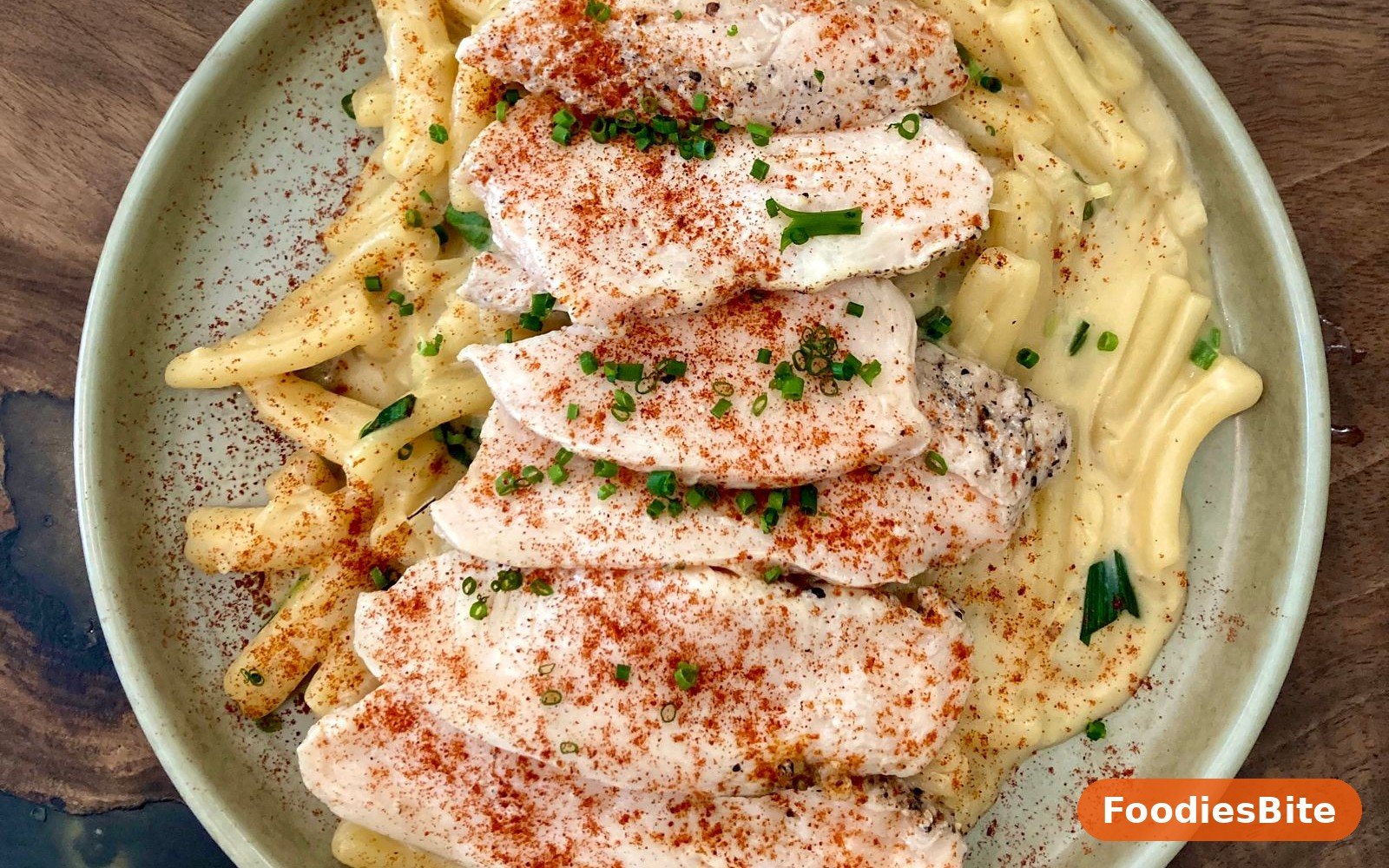
One-Pan Cajun Chicken Pasta
There are dinners that ask a lot of you, and then there are dinners like this one. One pan, one cutting board, about thirty minutes, and a plate of pasta so creamy and smoky that nobody at the table will believe how little effort went into it. That is the whole idea behind this Cajun chicken pasta. It is the kind of meal I make when the day has been long, the fridge is not exactly full, and I still want dinner to feel like something worth sitting down for.
I first had a version of this pasta years ago at a small restaurant, the kind of place with a short menu and a cook who clearly loved what they were doing. The sauce was rich and a little fiery, the chicken was sliced over the top, and the whole thing came out in the pan it was cooked in, steam rising off it. I went home and tried to copy it, and for a while my attempts were close but not quite right. The sauce was either too thin or it split, the spice was either shy or it knocked you sideways. It took a few tries to work out the balance, and this recipe is the version I landed on, the one I have made dozens of times since and never get tired of.
What makes it work is not a fancy technique. It is a handful of ordinary ingredients treated properly. Chicken, seasoned hard with Cajun spices and seared until it has a dark, flavourful crust. Bell peppers and onion, softened in the same pan so they pick up all the browned bits the chicken left behind. Garlic, cream, and a good handful of Parmesan, brought together into a sauce that clings to every strand of pasta. And the pasta itself cooks right in the pan, in the sauce, soaking up flavour as it goes. That is the real trick of a one-pan pasta. You are not just saving on washing up. You are building flavour at every step, because nothing leaves the pan until it is on your plate.
The heat here is warm, not punishing. Cajun seasoning is often talked about as if it is all about fire, but it is really about depth. Paprika, garlic, onion, thyme, oregano, a little cayenne, a little black pepper. The cayenne brings the warmth, but the rest of the blend brings the smokiness and the earthiness that makes the sauce taste like it took hours. You can turn the heat up or down to suit your own table, and I will tell you how. Children, people who do not like spice, and people who do, can all eat the same pan of pasta and be happy. That is a rare thing, and it is part of why this recipe has earned a permanent place in my weeknight rotation.
Why You’ll Love This Recipe
First, it is genuinely a one-pan dinner. I know a lot of recipes say that and then quietly ask you to boil pasta in a separate pot, but not this one. The pasta cooks in the sauce, in the same skillet, and the starch it releases as it cooks is what thickens the sauce. You end up with one pan to wash, one cutting board, and a dinner that tastes like it came from a restaurant kitchen. On a busy night, that matters more than almost anything else.
Second, it is fast in the way that actually counts. From the moment you start slicing the peppers to the moment you are twirling pasta onto a fork, about thirty minutes will have passed. Most of that is the pasta simmering away while you do nothing at all. There is no long marinating, no sauce that needs to reduce for an hour, no fussy steps. You can make this after work, on a weeknight, with a hungry family hovering, and it will be on the table before anyone has time to complain.
And third, the flavour is far bigger than the effort. The Cajun seasoning does a lot of heavy lifting, and the creamy Parmesan sauce rounds it out so the spice never feels harsh. The peppers go sweet as they cook, the chicken stays juicy, and the sauce wraps around the pasta in a way that makes every bite taste complete. It is the sort of dinner that makes people ask for the recipe, and then look surprised when you tell them how simple it was. I like that. A recipe that looks impressive and tastes even better, while secretly being one of the easiest things I cook, is a recipe worth keeping.
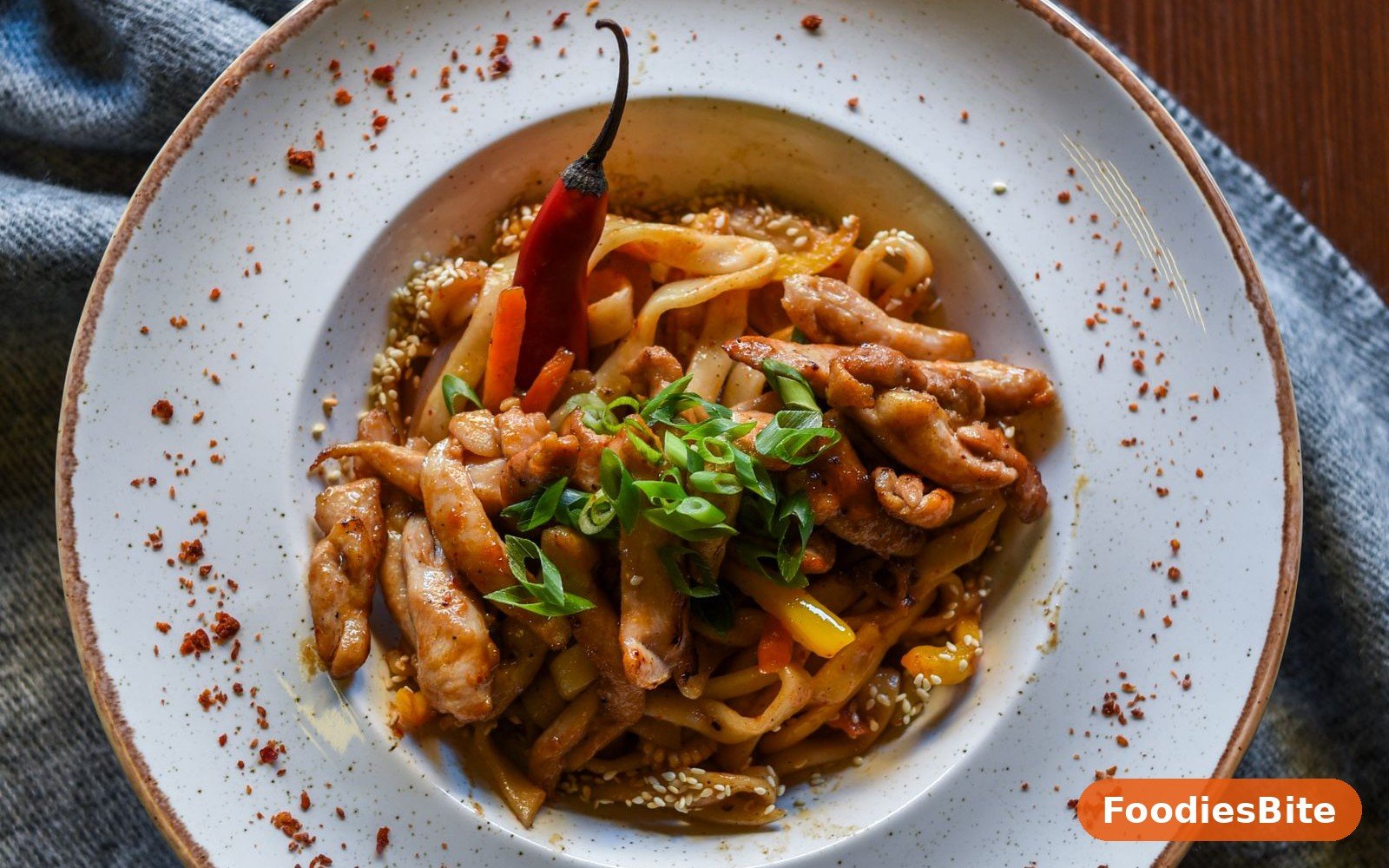
Ingredients You’ll Need
You do not need a special trip to the shops for this one. Most of it is pantry and fridge basics, and the few fresh things are easy to find. Here is what to gather, with a few notes on the choices that make a difference.
- 1 1/2 pounds boneless, skinless chicken breasts, about 3 large — Chicken breasts work beautifully here because they sear well and slice neatly over the finished pasta. If you prefer thighs, they work too, and they stay a little juicier, just trim off any excess fat. Either way, try to get pieces of roughly even thickness so they cook at the same speed. If one end of a breast is much thicker than the other, give the thick end a few gentle taps with a rolling pin or the flat of a knife to even it out.
- 2 tablespoons Cajun seasoning, shop-bought or homemade — This is the heart of the recipe, so use one you like. Most supermarket blends are fine, but check the salt. Some are very salty, and if yours is, hold back on adding extra salt later. If you make your own, a simple mix of paprika, garlic powder, onion powder, dried thyme, dried oregano, black pepper, and cayenne will do the job. The heat comes mostly from the cayenne, so you can leave it out for a mild version and still get plenty of flavour from the rest.
- 1 tablespoon olive oil — For searing the chicken. A neutral oil works just as well if that is what you have. You want the pan properly hot before the chicken goes in, so the oil should shimmer and just start to move when you tilt the pan.
- 1 red bell pepper, thinly sliced — Red peppers turn sweet as they cook, and that sweetness balances the spice in the sauce. If you only have a green or yellow pepper, use it, but red is my first choice here for both flavour and colour.
- 1 yellow bell pepper, thinly sliced — Two colours of pepper make the pan look wonderful, and the yellow pepper is a little milder and sweeter than the red. If you only have one colour, use two of that one and do not worry about it.
- 1 small yellow onion, thinly sliced — The onion softens into the sauce and adds a gentle sweetness underneath everything else. Slice it thin so it cooks quickly and melts into the pan rather than sitting in big chunks.
- 4 cloves garlic, minced — Fresh garlic, please. It goes in after the peppers have softened, and it only needs about thirty seconds before the liquid goes in. Do not let it brown, because browned garlic turns bitter fast, and there is no hiding that in a cream sauce.
- 1 pound penne pasta — Penne is my favourite shape for this sauce because the ridges hold it and the tubes trap little pockets of it. Fettuccine works well too, and so does rigatoni. Short shapes are easier to cook in the pan than long ones, because they stay submerged in the sauce more evenly. Avoid very small shapes like orzo, which can turn mushy.
- 2 cups chicken broth, low sodium if you can — This is what the pasta cooks in, along with the cream, and it brings a savoury depth that water never could. Low sodium gives you control over the final seasoning, which matters because Cajun seasoning and Parmesan both bring salt of their own.
- 1 1/2 cups heavy cream — Heavy cream is what makes this sauce rich and stable. It will not split the way milk can when it simmers, and it gives the sauce a silky body. Half-and-half works in a pinch, but the sauce will be a little thinner and you will need to be more careful with the heat. I would not use milk here, because it is too likely to curdle with the spice and the acidity.
- 1 cup freshly grated Parmesan cheese, plus more for serving — Freshly grated melts into the sauce far better than the pre-grated kind, which is coated to stop it clumping and never melts quite as smoothly. If you only have pre-grated, it will still work, just stir it in off the heat and give it a little longer to melt. A good Parmesan adds salt and a deep, nutty flavour that ties the whole sauce together.
- 1 tablespoon tomato paste — This is a small amount, but it does a lot. It deepens the colour of the sauce, adds a gentle richness, and rounds out the spice so it tastes warm rather than sharp. Stir it in with the garlic and let it cook for a minute before the liquids go in.
- 1 teaspoon smoked paprika — Even if your Cajun seasoning already contains paprika, this extra spoonful adds a smoky note that makes the sauce taste like it has been simmering far longer than it has. It is the difference between a good Cajun pasta and a great one.
- Salt and black pepper, to taste — Season at the end, not the beginning, because the Cajun seasoning, the broth, and the Parmesan all bring salt. Taste the finished sauce before you add any more.
- 2 tablespoons chopped fresh parsley, for serving — The parsley is not just decoration. Its fresh, green flavour cuts through the richness of the sauce and wakes the whole dish up. If you do not have parsley, sliced green onions do a similar job.
How to Make One-Pan Cajun Chicken Pasta
There are really three stages here: sear the chicken, build the sauce, and cook the pasta in it. None of them is hard, but the order matters, because each step leaves something behind in the pan that the next step uses. Let me walk you through it.
Start by seasoning the chicken. Pat the breasts dry with paper towels, because wet chicken does not sear, it steams, and steamed chicken is pale and sad. Sprinkle the Cajun seasoning generously over both sides of each breast and rub it in with your fingers. You want a good, even coating. If you have time, let the seasoned chicken sit for ten minutes while you slice the peppers and onion. It is not essential, but it gives the spices a chance to settle into the meat.
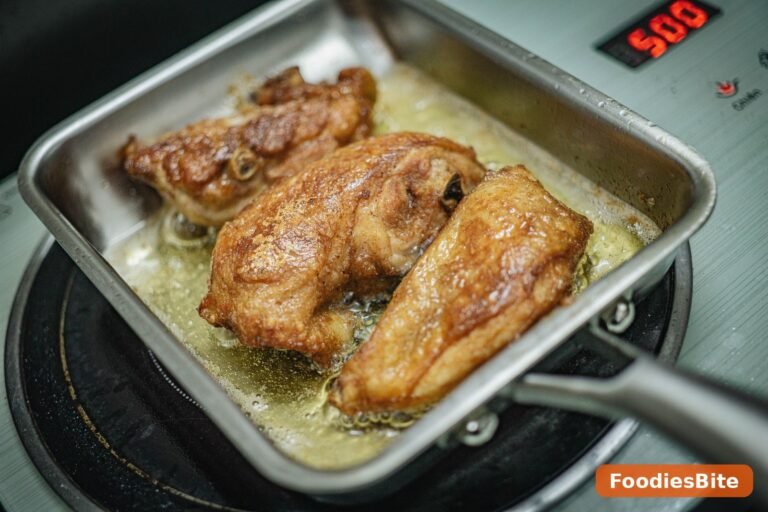
Heat the olive oil in a large, deep skillet over medium-high heat. You want a pan with a lid, and one big enough to hold the pasta and the sauce comfortably. A twelve-inch skillet is about right. When the oil is hot and shimmering, lay the chicken breasts in the pan and leave them alone. Do not move them, do not press them down, do not peek underneath. Let them sear for five to six minutes on the first side, until they have a deep golden-brown crust. That crust is flavour, and it is also where a lot of the Cajun spice blooms in the heat. Flip the chicken and cook for another five minutes or so, until the thickest part reads 165°F (74°C) on a meat thermometer. That temperature is the safe one for chicken, and the safe minimum internal temperature chart from FoodSafety.gov is worth a look if you ever cook poultry and want to be sure. Take the chicken out of the pan and set it on a plate to rest, tented loosely with foil. Do not slice it yet. It needs a few minutes to rest so the juices stay inside.
Turn the heat down to medium and look at the pan. There will be browned bits stuck to the bottom, and those bits are gold. Add the sliced peppers and onion to the same pan, with a tiny splash more oil if the pan looks dry, and cook them for four to five minutes, stirring now and then, until they have softened and picked up some colour at the edges. As they cook, they will loosen those browned bits, and that is exactly what you want. Add the garlic and the tomato paste, and stir for about a minute, until the garlic smells fragrant and the tomato paste has darkened a shade. This is the base of your sauce, and it should smell wonderful by now.
Now pour in the chicken broth and the heavy cream, and scrape the bottom of the pan with a wooden spoon to lift up anything still stuck there. Stir in the smoked paprika and a pinch of black pepper. Bring the liquid to a gentle simmer, then add the penne. Push the pasta down so it is mostly submerged. It will not be fully covered at first, and that is fine. As it cooks, it will soften and sink, and you will stir it every couple of minutes to keep it from sticking together or to the bottom of the pan. Put the lid on, leaving it slightly ajar, and let it simmer for twelve to fourteen minutes, until the pasta is tender and the sauce has thickened. Stir more often in the last few minutes, because that is when the sauce gets thick and the pasta is most likely to catch.
Take the pan off the heat and stir in the Parmesan, a handful at a time, letting each addition melt before you add the next. The sauce should be creamy and clinging to the pasta, not runny. If it looks too thick, a splash of broth or cream will loosen it. If it looks too thin, let it sit for a couple of minutes off the heat. It thickens as it stands, and the pasta keeps drinking it up.
Slice the rested chicken into strips and lay it over the pasta, then scatter the parsley over the top. Serve it straight from the pan if you like, family style, with extra Parmesan on the table. That first spoonful, with the creamy sauce, the smoky chicken, and the sweet peppers all in one bite, is the whole point of the recipe.
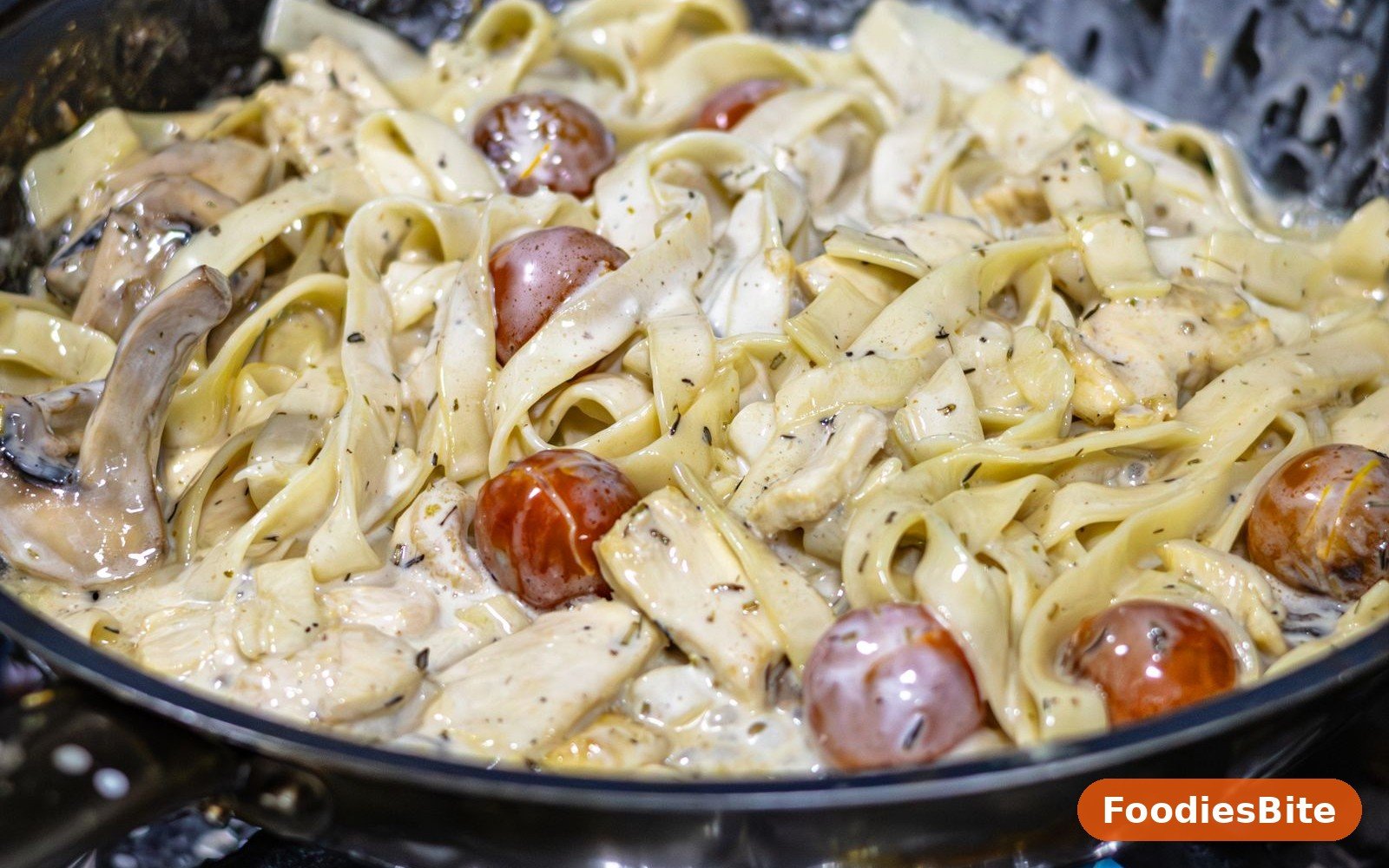
The Cajun Seasoning
It is worth saying a little more about the seasoning, because it is the soul of this dish and it is often misunderstood. Cajun cooking comes from Louisiana, from a tradition of making bold, satisfying food out of simple ingredients, and the seasoning reflects that. It is not a single spice. It is a blend, usually paprika, garlic powder, onion powder, cayenne, black pepper, thyme, and oregano, and the balance between them is what makes it taste like Cajun food rather than just hot food. You can read more about the tradition behind it in the history of Cajun cuisine, which is a good rabbit hole if you like food history.
The important thing to know is that you are in control of the heat. The cayenne is where almost all of it comes from. If you are cooking for people who like it mild, use a Cajun blend with little or no cayenne, or make your own and leave the cayenne out entirely. You will still get the smoky, savoury, herby flavour that makes the dish. If your household likes heat, add an extra pinch of cayenne, or a few dashes of hot sauce stirred into the finished sauce. I keep a bottle of hot sauce on the table for this pasta, so everyone can adjust their own bowl, which is much easier than trying to guess the right level for four different people.
If you buy a blend, read the label. Some are mostly salt, and they will make the whole dish too salty before the flavour has a chance to develop. A good blend lists the spices first. And if you make your own, keep it in a jar and use it on everything. It is wonderful on roasted potatoes, on grilled corn, on eggs, on popcorn. Once you have a jar of it in the cupboard, you will find excuses to use it.
Tips for the Creamiest Sauce
A cream sauce that splits is one of the most disappointing things in a kitchen, and it is also one of the easiest things to avoid once you know what causes it. The main culprit is heat that is too high. Cream can handle a simmer, but it does not like a hard, rolling boil, especially when there is spice and acidity in the pan. Keep the heat at a gentle simmer while the pasta cooks, and you will be fine. If the sauce starts bubbling too hard, turn the heat down and give it a stir. Patience here is worth more than any trick.
The second thing that matters is the Parmesan. Stir it in off the heat, a little at a time, and let each handful melt before you add the next. If you dump it all in at once while the pan is still on the burner, it can clump and turn grainy, and no amount of stirring will fix that. Off the heat, gently, is the way. Freshly grated Parmesan melts far more smoothly than pre-grated, so if you can grate it yourself, do. It takes two minutes and the difference is real.
The pasta itself does a lot of the thickening, because as it cooks in the sauce it releases starch. That is why the sauce gets creamier as the pasta gets closer to done, and why it is important not to overcook the pasta. If you cook it until it is soft, it will keep absorbing liquid and the sauce will go stodgy. Take it off the heat when it is just tender, with a little bite left, and let it rest for two or three minutes before serving. It will finish cooking in the residual heat, and the sauce will settle into exactly the right consistency.
And if the sauce does end up a little thicker than you like, a splash of warm broth or cream, stirred in at the end, will bring it back. Do not add cold water. It dulls the flavour and drops the temperature of the whole pan. Warm broth keeps everything rich and hot, and it is the kind of small habit that separates a good cook from a lucky one. The same gentle simmer that makes our one-pan chicken and vegetable curry so silky works here too, so if you have made that one, this will feel familiar.
Variations to Try
Once you have made the basic version, this recipe is a very good base to play with. The method stays the same, so you can change the flavours without learning anything new.
For a shrimp version, swap the chicken for a pound of large peeled shrimp. Season them the same way, sear them for just two minutes a side, and take them out of the pan. They cook much faster than chicken, so do not leave them in while the pasta cooks or they will turn rubbery. Stir them back in at the very end, with the Parmesan, and let the heat of the pasta warm them through. It is a lovely change, and it makes the dish feel a little more special.
For a sausage version, use a pound of sliced smoked sausage, like andouille if you can find it. Brown the slices in the pan first, in the same way you would the chicken, then take them out and carry on with the peppers. The sausage brings its own smoky, spicy flavour, so you can cut the Cajun seasoning back a little. Andouille is the classic Louisiana choice, but any good smoked sausage will do.
For a lighter version, swap the heavy cream for half-and-half and use a little less Parmesan, and add a big handful of baby spinach at the end, stirring it in until it wilts. The spinach adds colour and freshness, and the sauce stays creamy enough to be satisfying. You can also add mushrooms with the peppers, which soak up the sauce beautifully and make the dish feel more substantial without adding meat.
If your family likes a little heat, try adding a diced jalapeño with the peppers, or a spoonful of hot sauce into the sauce before the pasta goes in. And if you like the one-pan idea but want a different flavour altogether, our one-pan lemon chicken and potatoes uses the same single-skillet method with a bright, citrusy sauce, and it is a wonderful next dinner to try.
What to Serve With Cajun Chicken Pasta
This pasta is rich, and it does not need much alongside it. A simple green salad with a sharp vinaigrette is my favourite pairing, because the acidity cuts through the cream and resets your palate between bites. A baguette, or any crusty bread, is almost essential, because there will be sauce left in the pan and it deserves to be eaten, not washed away. Garlic bread works beautifully too, and if you want to keep the Cajun theme going, a little extra Cajun seasoning on the butter is a nice touch.
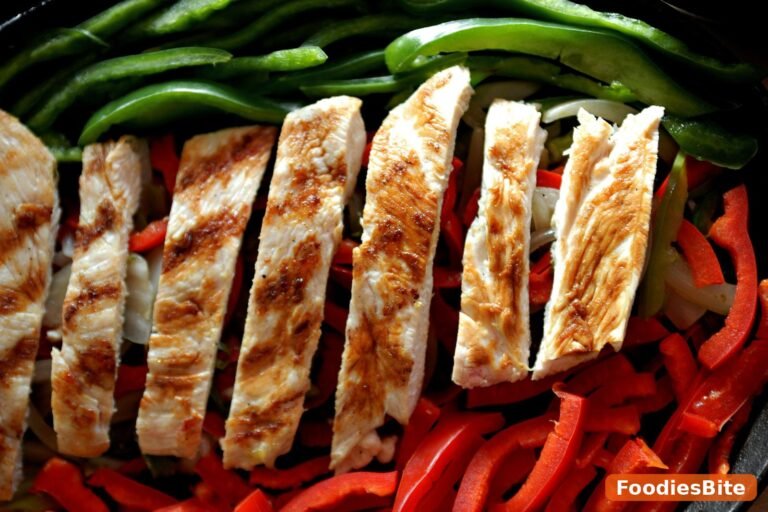
If you want a vegetable on the side, roasted broccoli or green beans are both good, and they bring a bit of crunch to a meal that is otherwise soft and creamy. In the summer, a simple tomato and cucumber salad is lovely. Honestly, the pasta is a full meal on its own, so do not feel you need to overdo the sides. A salad, some bread, and a pan of this pasta is a dinner that feels generous without being complicated. And if you are in the mood for something with a similar bold, smoky flavour on another night, our easy chicken fajitas skillet brings the same kind of weeknight energy to the table.
Storage and Reheating
Leftover Cajun chicken pasta keeps well for three to four days in the fridge, in an airtight container. The sauce will thicken as it cools, because the pasta keeps absorbing liquid, so it will look a little stodgy when you take it out. Do not worry. That is normal, and it comes back to life with a splash of liquid.
To reheat, put it in a pan over low heat with a splash of cream or chicken broth, and stir gently until it is warmed through and the sauce loosens up again. The microwave works too. Heat it in short bursts of a minute, stirring in between, with a spoonful of cream or broth added before you start. Either way, go gently. High heat will make the sauce split and the pasta go mushy, and a little patience will keep it almost as good as fresh.
I do not recommend freezing this one. Cream sauces do not freeze well, and they tend to separate when they thaw, leaving you with a grainy sauce and pasta that has gone soft. If you know you will have leftovers, the fridge is the right place for them, and they make a very good lunch the next day, which is one of the quiet pleasures of a recipe like this. A pan of pasta that feeds you twice is a pan worth making.
Frequently Asked Questions
Can I make Cajun chicken pasta less spicy?
Yes, easily. The heat comes almost entirely from the cayenne in the Cajun seasoning, so use a mild blend, or make your own without cayenne, and the dish will still have all the smoky, savoury flavour. You can also use a little more cream, which softens the spice, and serve hot sauce on the side so everyone can adjust their own bowl. If you are cooking for children, start with half the seasoning on the chicken and add more to the sauce only if you want it. You can always add heat, but you cannot take it away.
Can I use a different pasta shape?
Yes, and most short shapes work well. Penne is my first choice because the ridges hold the sauce and the tubes trap it, but rigatoni, ziti, fusilli, and farfalle all work too. Fettuccine is a good option if you prefer a long pasta, though you may need to break it in half so it fits in the pan and stays submerged. Avoid very small shapes like orzo or ditalini, which can overcook and turn mushy in the time it takes the sauce to come together. Whatever shape you use, cook it until it is just tender with a little bite left, because it keeps cooking in the residual heat.
Why did my cream sauce split?
A cream sauce usually splits because the heat was too high, or because the cheese was added while the pan was still on the burner. Keep the sauce at a gentle simmer, never a hard boil, and stir the Parmesan in off the heat, a handful at a time. Using heavy cream rather than milk or half-and-half also helps, because it is far more stable when it simmers. If it does split, take the pan off the heat and whisk in a splash of cold cream, a little at a time, which can sometimes bring it back together. It will not always work, but it is worth trying before you give up on the pan.
Can I make this ahead of time?
You can prep it ahead, but I would not cook it fully in advance. You can season the chicken, slice the peppers and onion, and grate the Parmesan the night before, which takes most of the work out of the cooking itself. Cook the pasta fresh, because it absorbs the sauce as it sits and can go soft and stodgy if it is made hours ahead. If you do have leftovers, they reheat well with a splash of cream, as I described above. If you enjoy this kind of make-ahead cooking, our creamy garlic chicken pasta is another one that comes together quickly from prepped ingredients and makes a wonderful weeknight dinner.
Can I add vegetables to this pasta?
Absolutely, and it is a good way to use up whatever is in the fridge. Mushrooms are my favourite addition, added with the peppers so they have time to brown and soak up the sauce. Baby spinach, stirred in at the end until it wilts, is another easy one. Broccoli florets work too, though they need a few extra minutes in the pan, so add them with the pasta and a splash more broth. Sweetcorn, stirred in at the end, adds sweetness and colour. Just avoid adding too much at once, because the pan needs room for the pasta to cook evenly, and a crowded pan is a slow pan.
How do I store leftover Cajun chicken pasta?
Let it cool completely, then store it in an airtight container in the fridge for three to four days. Reheat it gently in a pan over low heat with a splash of cream or chicken broth, stirring until the sauce loosens and the pasta is warmed through. The microwave works too, in short bursts with a splash of liquid added. I would not freeze it, because cream sauces tend to separate when they thaw. The leftovers make a very good lunch the next day, and the flavours actually deepen overnight, so do not be surprised if day two tastes even better than day one.

2 Comments